
In brief: A geothermal heat pump uses the earth’s steady heat to warm your home. It draws energy from the ground and uses electricity to raise it to a usable temperature. Benefits include low operating costs, less reliance on fossil fuels and high efficiency. Installation costs range from 20,000 to 40,000 euros, but lower heating bills can help recoup the investment over time.
How does a geothermal heat pump work?
A geothermal heat pump is a closed-loop system that draws heat from the ground. To do this, ground loops or borehole probes are installed on your property.
A freeze-resistant brine solution circulates through the pipes and absorbs heat from the ground. The heat pump compresses the refrigerant inside the system.
Compression raises the temperature. A heat exchanger transfers the energy to your heating system. The refrigerant then expands again, and the cycle starts over.
A geothermal heat pump’s efficiency is measured by its seasonal performance factor. This shows the ratio of heat produced to electricity used. Values above 4 are standard today.
The ground as a heat source
At depths of around one meter, temperatures stay fairly constant, ranging from 8 to 12 degrees Celsius. This heat comes from the earth’s interior and from the sun.
The ground stores energy over long periods and does not cool completely in winter. That is why a geothermal heat pump works reliably even when temperatures drop below freezing.
The system raises the ground’s existing temperature, using less electricity than it would take to draw heat from cold outdoor air.
What types of geothermal heating systems are available?
There are two main ways to access geothermal energy. The right option depends on your property and budget.
Deep drilling with ground probes
For this method, a specialist contractor drills vertical boreholes 50 to 150 meters deep. U-shaped plastic pipes are installed in the holes.
The probes are filled with brine. Their depth provides a reliable heat source year-round, and they take up very little space.
Important note
Deep drilling requires approval under water regulations. Hire only certified drilling contractors who understand local geology and permitting requirements.
Drilling accounts for the largest share of installation costs, but it also delivers the highest efficiency. The probes can last more than 50 years.
Ground loops in the yard
This method uses pipes installed close to the surface. Loops of plastic pipe are laid horizontally at a depth of 1 to 1.5 meters.
Ground loops need a lot of space. Plan for around one and a half to twice the size of your heated living area. The ground above the loops must not be paved or planted with deep-rooted plants.
Ground loops cost less to install and are a good fit for properties with enough open, unpaved space. Installation requires powerful garden power tools.
What are the benefits of a geothermal heat pump?
This technology offers clear financial and environmental benefits, making it a popular choice for homeowners and people renovating their homes.
Lower operating costs and less reliance on fossil fuels
Heating bills can drop significantly when you replace gas or oil with electricity. High efficiency helps keep electricity use low.
You are less exposed to fossil fuel price swings. The ground provides a free, nearly unlimited source of heat.
Pair your heat pump with rooftop solar panels, and you can run it largely on your own power. This can lower costs further and reduce its environmental impact.
Pro tip
Insulate all the heating pipes in your home, especially distribution pipes in an unheated basement. Good heating pipe insulation limits heat loss and can noticeably improve your entire system’s efficiency.
High efficiency and a long service life
Geothermal heat pumps deliver some of the best performance of any type of heat pump because the ground stays at a steady temperature.
The technology is durable and needs little maintenance. There is no combustion process. The main components can last 20 years or more, while ground loops and probes can last for generations.
These systems can do more than heat your home. Many can also provide passive cooling in summer, improving comfort without additional air conditioning.
Geothermal energy provides a secure, price-stable and climate-friendly source of heat. The technology is well established and has been proven in millions of systems worldwide.
What are the drawbacks and limitations?
No heating system is perfect. Consider these factors before making a decision.
High upfront costs
Installation costs can be high, with accessing the heat source accounting for much of the total. The heat pump itself and connecting it to your home add to the expense.
It can take several years to recoup the investment, depending on your old heating system and energy prices. Government grants may shorten that payback period.
Geological and permitting challenges
Not every property is suitable. Impermeable rock or groundwater protection zones can make drilling impossible. A survey can help determine the local geology.
Local authorities handle permits, and the process takes time. Allow several months for the project planning and preparation phase.
Additional advice
Always get a geothermal survey before drilling. It analyzes the thermal conductivity of your soil, allowing your system designer to size the system precisely and avoid costly oversizing or undersizing.
How much does it cost to install a geothermal heat pump?
Costs can vary widely and include several different items.
Costs to access the heat source
Deep drilling is priced by the meter. Expect to pay 50 to 80 euros per meter. For a typical detached house with a drilling depth of 100 meters, that comes to 5,000 to 8,000 euros.
Ground loops cost less to install, at 10 to 20 euros per square meter of collector area. However, you need a property with enough space.
Installation includes the collector pipes that run to the house. High-quality, flexible plumbing and irrigation supplies, such as the
are essential for this work.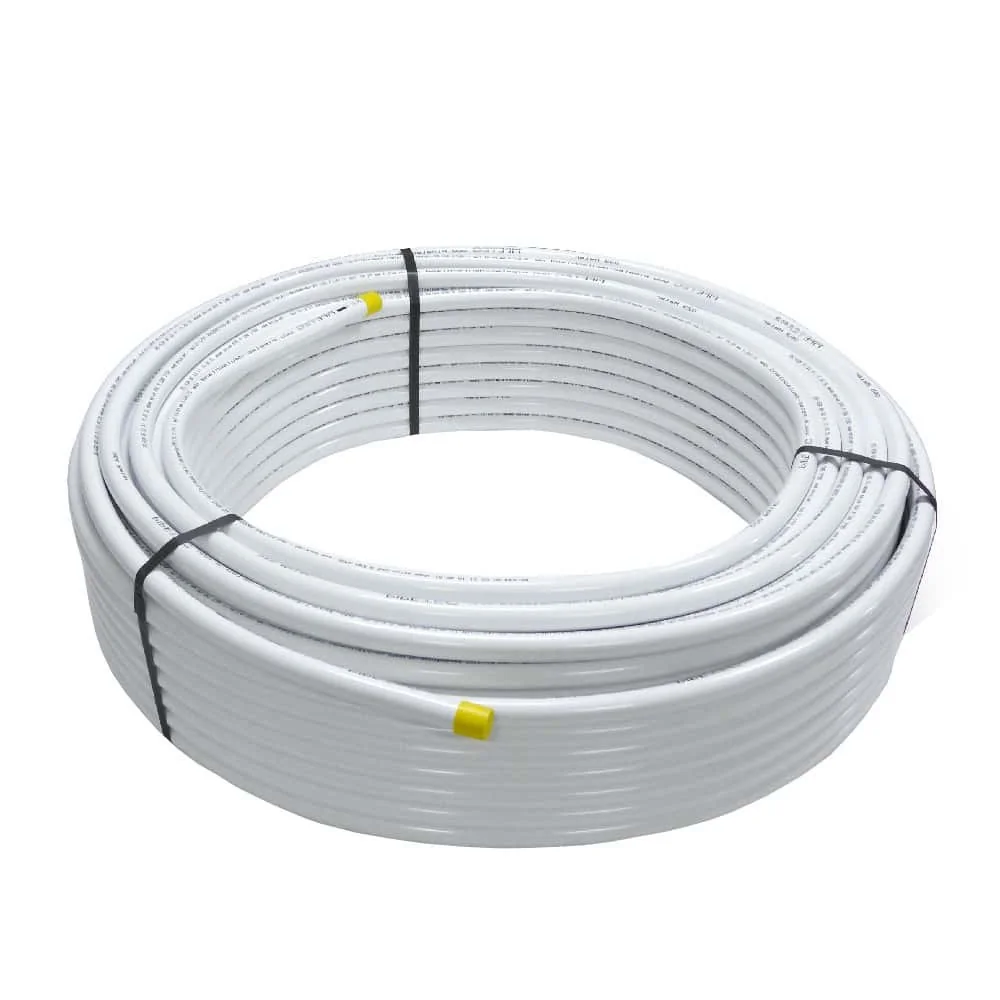
Heat pump and installation costs
The heat pump itself costs between 10,000 and 15,000 euros. Prices vary based on its output and features.
Home installation includes hydraulic balancing and connecting the unit to your heating system. This costs between 3,000 and 6,000 euros.
Remember to budget for planning and permits, too. These can add another 1,000 to 2,000 euros.
What running costs and incentives are available?
The savings become clear once the system is up and running.
Electricity costs and maintenance
Electricity is your only ongoing cost. With a seasonal performance factor of 4, you need just 2,500 kWh of electricity to produce 10,000 kWh of heat.
Maintenance costs around 100 to 200 euros per year. It includes checking the pressure, brine and electrical components.
A reliable control system such as the
helps keep the system running efficiently and save energy.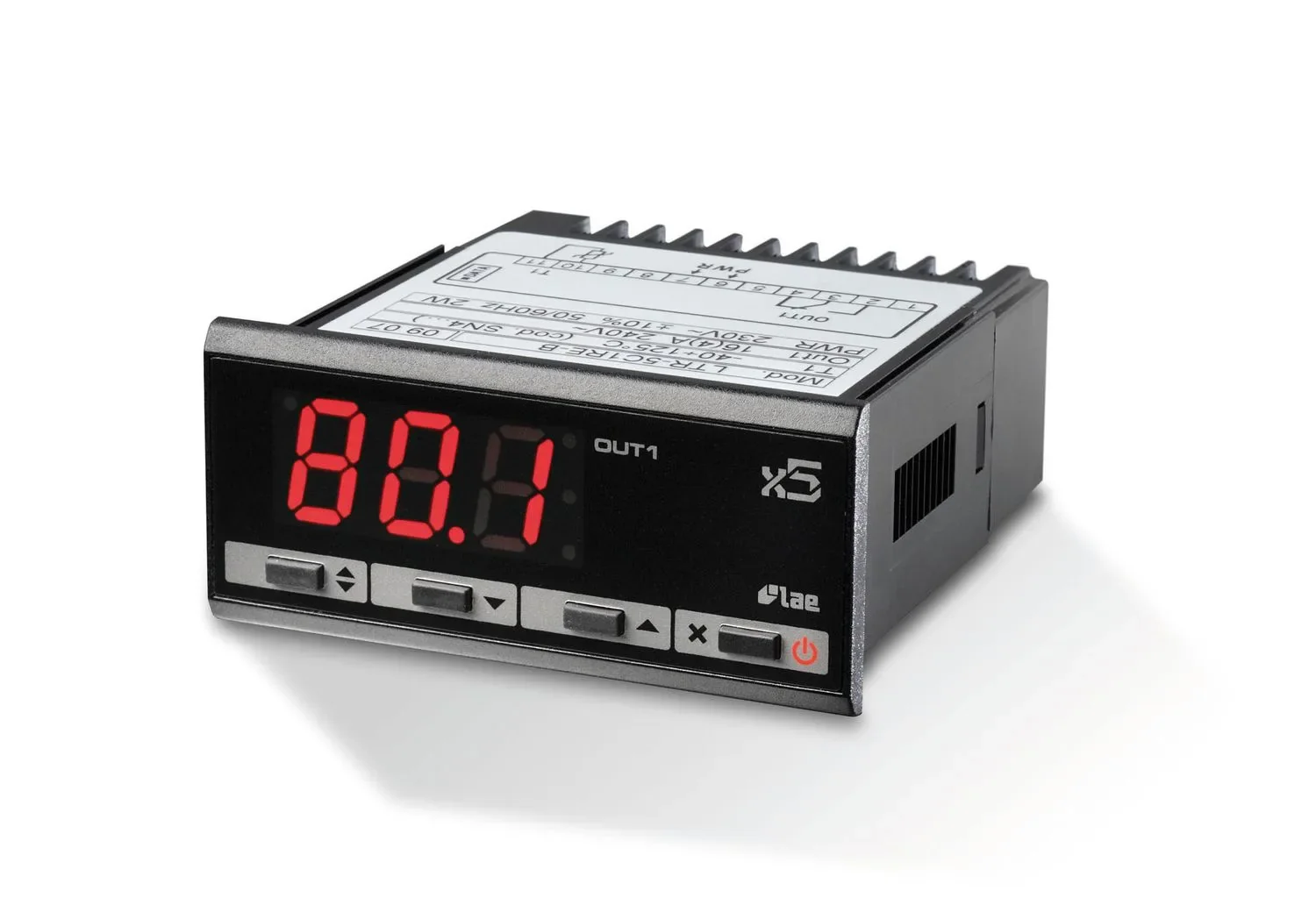
Take advantage of government incentives
The Federal Funding for Efficient Buildings program covers up to 35 percent of eligible costs. You must apply before work begins.
Some states and local governments offer additional grants. Check with your local government.
Incentives can significantly reduce your upfront costs and improve the payback period. An energy consultant can help with the application.
How do I prepare for installation?
Good planning is the key to success.
Choosing the right heating system for your home
Ground source heat pumps work most efficiently with low water temperatures. Underfloor or wall heating is ideal.
Older radiators that require high water temperatures of 70 degrees are unsuitable. In most cases, you will need to replace them.
Insulate your home as effectively as possible. The lower your heating demand, the smaller and more affordable your heat pump can be.
Choosing the right installer
Choose an installer certified to work with heat pumps. Ask for references and details of ground source heat pump projects they have completed.
Ask for a detailed quote listing all services and costs. Compare several quotes.
The installer should comply with all safety standards. An
can be an important safety feature in utility rooms.
Also consider your outdoor space after installation. Find products to help design your patio in the garden equipment section.
Is a ground source heat pump right for me?
Make an informed decision based on your circumstances.
This technology is especially worthwhile in a well-insulated new home, where conditions are ideal. It is also worth considering as part of a complete renovation that includes replacing your heating system.
Check whether your property is suitable. Is there enough space for ground loops, or can you drill boreholes? Find out about permit requirements early.
Calculate the total costs over 20 years. Compare them with a gas condensing boiler, including the CO2 price. A ground source heat pump often comes out ahead over the long term.
You are investing in long-term price stability and independence. You increase your property's value. And you heat your home with one of the most environmentally friendly technologies available.
Frequently asked questions
- How deep do you need to drill for a ground source heat pump?
- The drilling depth depends on your heating demand and ground conditions. Boreholes between 50 and 150 meters deep are common for single-family homes. Ground loops are only 1 to 1.5 meters deep, but require a large area of garden space. A specialist installer will determine the optimum depth for your property.
- Does a ground source heat pump work in winter?
- Yes. That is one of its biggest advantages. The temperature a few meters below ground stays relatively constant throughout the year at around 8 to 12 degrees Celsius. The heat pump therefore works reliably and efficiently even in freezing weather because it only needs to raise the temperature of the ground heat rather than generate heat from scratch.
- How much does a ground source heat pump cost, including installation?
- The total cost, including ground work, is between 20,000 and 40,000 euros. Drilling boreholes or installing ground loops accounts for a large share of the cost. The exact price depends on the heating load, drilling depth and technology selected. Government incentives can significantly reduce the upfront cost.
- Can I also cool my home with a ground source heat pump?
- Yes. Many models offer passive cooling. In this mode, cooler water from the ground circulates directly through your underfloor heating or special cooling ceilings. It uses very little electricity and is highly efficient. Active cooling, similar to air conditioning, is also possible but requires more energy.
- Do I need a permit for a ground source heat pump?
- You generally need a water-use permit from the relevant local water authority to drill a borehole. The drilling company usually submits the application. For ground loops, notification is often sufficient. Confirm the requirements with your installer and the relevant authority before planning begins.
You may also be interested in
- Air-to-water heat pumps: An efficient heating solution for your home
- Understanding heat pumps: How modern heating technology works
- Heat pump buying guide: Efficiency and models at a glance
- Heat pumps: The climate-friendly alternative to gas heating
- Heat pumps: Costs, installation and operation explained
- Heat pumps: The future of heating is efficient