
In brief: The most effective way to control paperfish is to remove their food sources: paper, cardboard and starch. Remove damp paper materials and seal cracks and gaps. For direct treatment, use bait stations with specific attractants or contact insecticides in hard-to-reach areas. Prevention through low humidity and regular inspections of archives is essential.
Get Rid of Paperfish: Effective Control & Prevention
Paperfish are on the rise. These fast-moving, light-shy insects are appearing in more and more homes. They feed on paper, wallpaper and packaging. Their presence is not a sign of poor hygiene, but an indication that conditions are suitable for them. This article explains how to identify, control and permanently deter paperfish.
What are paperfish?
Paperfish (Ctenolepisma longicaudata) are wingless, nocturnal insects. They belong to the order of bristletails. Their bodies are silvery-grey, slender and covered with fine scales. Three long tail filaments and two long antennae are characteristic features. Adults can reach up to 15 millimetres in length.
They are closely related to the better-known silverfish (Lepisma saccharina). The difference is in the detail. Paperfish are slightly larger and lighter in colour. Their antennae and tail filaments are noticeably longer. The most important distinguishing feature is their diet.
Expert tip
The easiest way to distinguish paperfish from silverfish is by where you find them. If you find these insects in dry bookcases, archive boxes or between wallpaper, they are almost always paperfish. Silverfish tend to live in damp rooms such as bathrooms or kitchens.
Paperfish feed on cellulose- and starch-based materials. These include paper, cardboard, wallpaper paste, bookbinding glue and photographs. They can also damage textiles such as cotton or linen. In contrast, silverfish prefer more protein-rich substances such as skin flakes or mould.
Why are paperfish a problem?
Paperfish cause material damage. They eat holes in book pages, important documents, stamp collections and packaging. They gnaw at the back of wallpaper, causing it to come away from the wall. In archives and libraries, they can cause irreparable damage.
Their droppings soil infested materials. They can trigger allergic reactions. A severe infestation leaves behind fine, sand-like crumbs. The insects themselves are harmless to people. They do not transmit diseases or bite.
The biggest problem is their reproduction rate. A female lays up to 100 eggs during her lifetime. At room temperature, development from egg to adult takes about one year. Adult paperfish can live for several years. Once established, an infestation therefore grows slowly but steadily.
Paperfish are thermophilic species. They benefit directly from the improved insulation in modern homes and generally higher indoor temperatures. Their spread is also an indicator of changing living conditions in our homes.
How can I identify an infestation?
An infestation often only becomes apparent at a late stage. The nocturnal insects hide during the day. Visible signs include the insects themselves, which you may see fleeing when you switch on the light at night. Check dark, warm and dry hiding places.
Inspect the backs of books on shelves, cardboard boxes in the attic or basement, behind loose skirting boards and under cupboards. Look behind picture frames and inside filing cabinets. Paperfish leave feeding damage behind. Look for irregular holes or frayed edges on paper.
Their droppings are another clue. They look like fine black pepper. If you find these crumbs on stacks of paper or on shelves, this is a clear sign. Shed skins that look like empty, transparent shells confirm their presence and reproduction.
Important note
Do not confuse paperfish with other unwanted visitors. Pantry or carpet beetle larvae also eat holes, but they are hairy and segmented. Booklice are tiny and jump. Correct identification is essential when choosing a control method.
How can I prevent paperfish?
Prevention is the best protection. The aim is to deprive the insects of food and habitat. Start with a thorough inspection. Remove all unnecessary paper and cardboard boxes from living areas. Store important documents and books in sealed plastic boxes.
Reduce humidity. Paperfish need less moisture than silverfish, but relative humidity below 50 percent makes conditions difficult for them. Use dehumidifiers, especially in little-used rooms such as guest rooms or storage cupboards. Air rooms regularly and deliberately.
Seal all access points. Close gaps along skirting boards, around window frames and beneath doors. Seal holes for cable and pipe penetrations. A physical barrier is often the most effective measure. For comprehensive control of various pests, you can find suitable products in our pest control category.
Keep storage rooms tidy. Avoid leaving open stacks of paper on the floor. Raise cardboard boxes off the floor, for example by placing them on shelves or pallets. Regularly check the area behind large pieces of furniture. These measures also help against other household pests.
Which pest control products are effective?
You need to take action when there is an active infestation. The choice of product depends on where the infestation is located and how severe it is. As a general rule, baits work slowly but provide lasting results. Sprays or dusting products work immediately, but often only locally.
Bait stations are a first choice. They attract the insects with special food. Paperfish ingest the active ingredient and carry it back to their hiding place. This also reaches insects living in hidden areas. Look for baits specifically designed for fishmoths or “silverfish”.
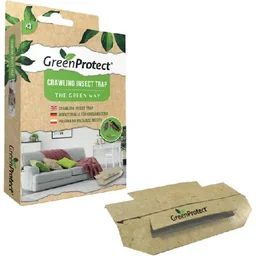
This product is suitable for use in hard-to-reach corners, behind cupboards or in drawers. It is discreet and often better suited to homes with pets than liquid sprays.
Contact insecticides in spray form work directly. They are suitable for treating cracks, cavities and other potential hiding places. Spray along skirting boards, in door frames and in the corners of cupboards. The active ingredient kills on contact.
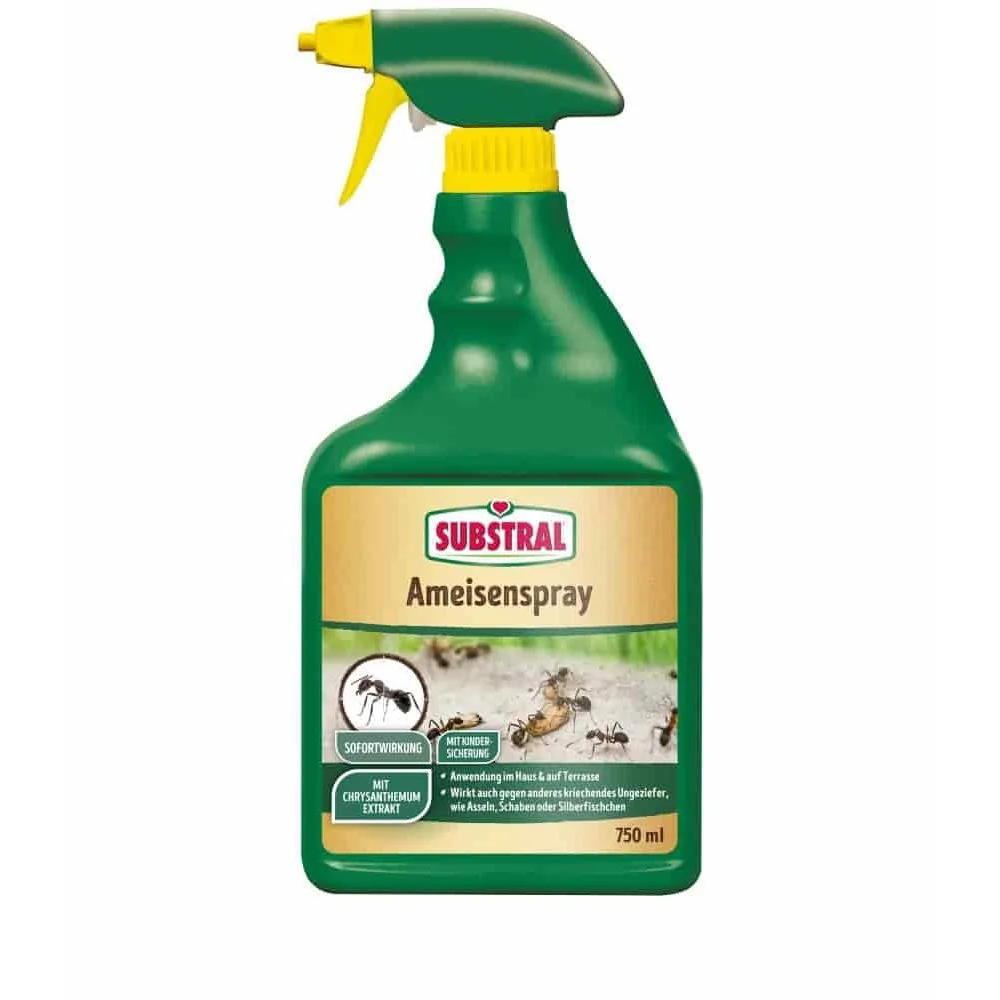
These sprays are also effective against other crawling insects such as ants. They provide broader protection. Use them selectively and according to the instructions to avoid spreading unnecessary chemicals around your home.
Additional advice
Combine baits and barriers. Place bait stations in the room. At the same time, treat potential entry points such as window and door thresholds with a contact spray or barrier-forming powder. This interrupts their movement routes and helps control the existing population.
For larger areas or outdoor areas from which an infestation may originate, a spreadable granule is suitable. Apply it at transition points such as basement windows, front doors or garage entrances.
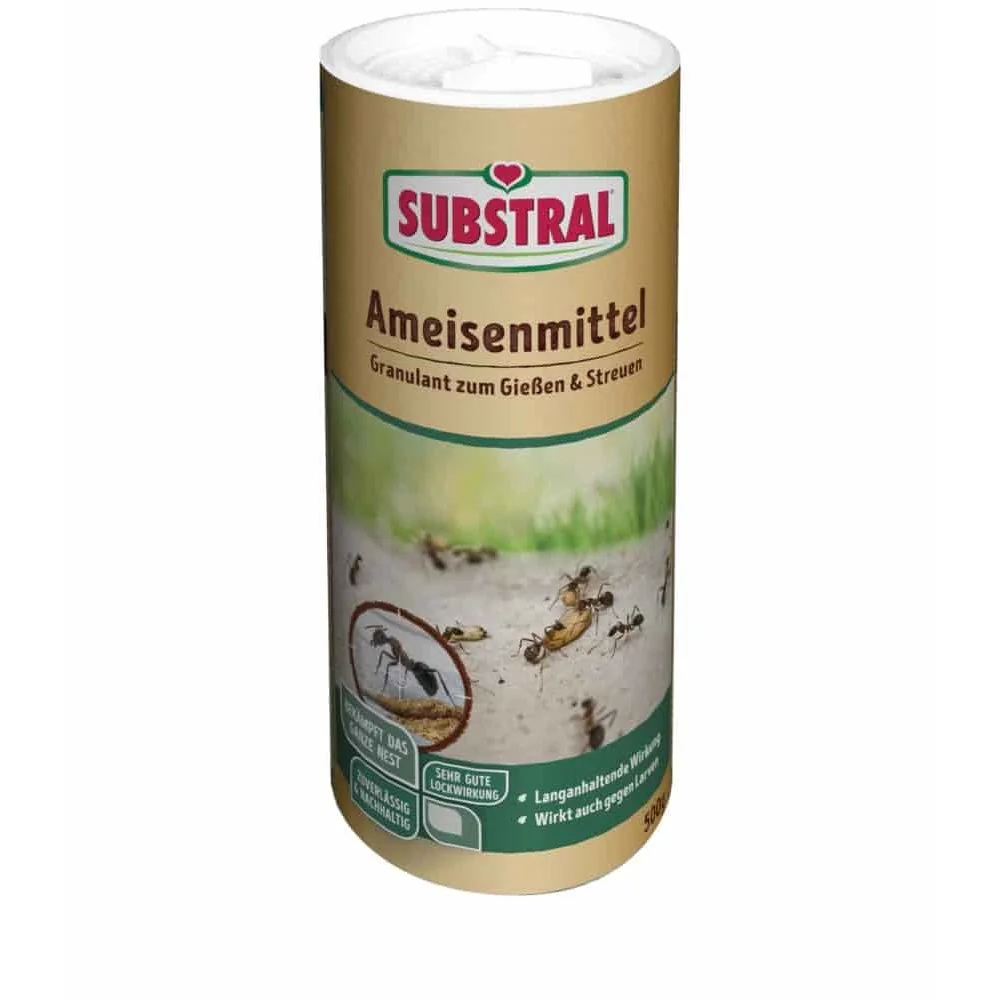
These products are water-soluble and work both as a stomach poison and a contact poison. They are a good choice for perimeter protection, meaning protecting the exterior of the building.
How can I control them in a pet-friendly way?
Do you want to avoid using insecticides? There are biological and physical alternatives. These methods often require more patience and consistency.
Diatomaceous earth is a natural powder. Its sharp-edged microparticles damage the chitin shell of paperfish. They dry out and die. Spread the powder in a very thin layer in cracks, behind cupboards and under shelves. It is harmless to people and pets as long as you do not inhale the dust.
Using traps is a passive method. Glue traps with an attractant catch wandering insects. They are mainly used to monitor and assess an infestation rather than eliminate it completely. Place the traps along walls, as fishmoths use them as guidelines.
Use extreme temperatures. Paperfish are sensitive to temperature. You can place infested, portable items such as books in a freezer for 24 hours (at least -18°C). Alternatively, heat above 50°C can help, such as the temperatures reached in a sauna or with specialist hot-air devices. This method is suitable for valuable individual items.
The success of any control measure, whether chemical or biological, depends on remediation. If you do not remove the food source—the paper—and seal up hiding places at the same time, new insects will keep appearing or surviving eggs will hatch. Control always requires a combination of measures.
Which areas of the home are particularly at risk?
Certain rooms and parts of a building are especially attractive to paperfish. They prefer dry warmth and undisturbed hiding places.
Lofts and storage rooms are classic hotspots. They often contain boxes with old documents, books or clothing. Temperatures are high in summer, the air is dry and there is little disturbance. Clear out these areas thoroughly and inspect them regularly.
Libraries and home offices with lots of bookshelves provide ideal living conditions. The narrow gaps between book spines and the back of the shelves are perfect hiding places. The books themselves are a source of food. Check the lower, darker shelves in particular. Position shelves a small distance from the wall so you can clean behind them.
New-build homes or recently renovated houses are also vulnerable. During construction, the cavities in stud walls or areas beneath floor insulation provide ideal conditions. The insects are often brought in with packaging materials. Thorough final cleaning before moving in and sealing access to cavities are essential in these situations.
Even areas that seem safe, such as children's rooms, can be affected. Paperfish also feed on cardboard toys or books. When furnishing the room, choose furniture that is easy to clean. Find inspiration for practical solutions in our Flexa beds range or among all children's beds.
Long-Term Strategy for Controlling Paperfish
A one-off treatment is rarely enough. Develop a long-term plan and incorporate preventive measures into your regular household routine.
Carry out an annual inspection. Check all high-risk areas in spring, when paperfish become more active. Empty cupboards, vacuum thoroughly in every corner and behind all furniture. A vacuum cleaner with a hose and crevice tool is your best friend here.
Document your observations. Make a note of where you find paperfish or droppings. This helps you identify patterns and adjust your measures accordingly. An infestation often spreads along heating pipes or cable ducts. These routes need to be disrupted.
Be patient. Controlling paperfish is a marathon, not a sprint. It takes several weeks for bait to reach the entire population. It may take months to catch all the young that hatch as well. Do not give up too soon.
Protect adjoining areas too. Think about the garage, basement and garden shed. Populations can survive in these areas and repeatedly migrate into your home. A holistic approach covering your home and garden is the safest option. For outdoor areas, you will find useful helpers in our bird feeders category, as birds also eat insects.
Paperfish are a nuisance, but they can be controlled. The key is understanding their way of life. Remove their food sources, destroy their hiding places and make your home unattractive to them with targeted measures. With consistency and the right methods, you can regain control and protect your valuable paper products in the long term.
Frequently Asked Questions
- What is the difference between paperfish and silverfish?
- Paperfish are larger, lighter in colour and have longer antennae than silverfish. The most important difference is their diet: paperfish feed almost exclusively on paper, cardboard and starchy materials, while silverfish prefer mould, skin flakes and carbohydrates. Paperfish also prefer warmer conditions.
- Are paperfish dangerous to your health?
- Paperfish are not considered a direct health risk. They do not transmit diseases or bite. The actual harm they cause is material damage to books, documents, wallpaper and packaging. However, their droppings can promote allergies and conceal an infestation.
- Which home remedies help against paperfish?
- Effective home remedies target their living conditions. Reduce humidity to below 50 percent with dehumidifiers. Spread diatomaceous earth in cracks and crevices; this powder damages their chitin exoskeleton. Lavender sachets or cedarwood may act as deterrents, but they usually do not completely eliminate an existing infestation.
- Where do paperfish lay their eggs?
- Paperfish prefer to lay their eggs in narrow cracks, behind skirting boards, in loose wallpaper edges or directly between sheets of paper and cardboard boxes. Females seek out dark, undisturbed and slightly damp hiding places. A single female can lay more than 100 eggs during her lifetime.
- When should I call a pest controller for paperfish?
- Call in a professional pest controller if the infestation is widespread, your own measures have shown no results after several weeks or valuable libraries and archives are affected. A professional can identify the infestation hotspots and apply targeted, long-lasting insecticides in cavities.
You may also be interested in
- How to Get Rid of Silverfish: Home Remedies and Tips
- How to Get Rid of Fruit Flies: Effective Remedies and Prevention
- Identify and Get Rid of Common Beetles in the Home
- How to Get Rid of Moths: Effective Strategies for Your Home
- How to Get Rid of Carpet Beetles: Effective Home Remedies & Prevention
- Leaf Miners in the Garden: How to Identify and Control Them Effectively