
In brief: You can successfully get rid of rats without poison by consistently removing the things they need to survive. Secure food sources such as open garbage bins and compost. Build physical barriers with fine-mesh wire. Use strong scents such as peppermint oil or cayenne pepper as deterrents. Keep your garden tidy to eliminate hiding places. This combination of prevention and deterrence is the key to a long-term solution.
Get Rid of Rats Without Poison: Effective Methods
Rats in the garden or home are a nightmare. They spread diseases, gnaw on cables and cause damage. But you do not have to resort to poison or lethal traps straight away. Effective rat control starts with smart prevention and consistent deterrence.
These methods protect your family, pets and the environment.
Why do rats come into my garden?
Rats are opportunistic survivors. They seek three basic necessities: food, water and shelter. Your garden often provides all three in abundance.
Open compost heaps, spilled birdseed or accessible garbage bins are feasts for rats. A leaky garden hose or birdbath provides water. Dense shrubs, woodpiles or the space beneath a patio become safe hiding places.
The first question is not how to get rid of the rats, but what is attracting them.
Important note
If there is a major infestation in your home, especially inside walls or in the roof, always call a professional pest control expert. They can identify entry points and assess the situation safely.
How can I remove the things rats need to survive?
This strategy is the most effective and sustainable form of home pest control. Make your property unattractive to rats.
Systematically eliminate food sources
Store garbage and food waste only in sealed bins with tightly fitting lids. Secure your composters. Enclosed thermal composters are ideal because rats cannot get into them.
Feed birds with special bird feeders that prevent food from falling to the ground. Remove leftover pet food immediately. Pick up fallen fruit regularly.
Block access to water
Repair dripping faucets and leaking garden hoses. Empty paddling pools and birdbaths overnight. Watch for standing water and improve drainage.
Remove hiding and nesting places
Keep your garden tidy. Store wood, stones and building materials off the ground and with space around them. Cut back dense shrubs. Thin out ground cover along exterior walls.
Seal gaps beneath garden sheds, patios and outbuildings with fine-mesh wire. Use durable wire mesh sheeting or chicken wire for this purpose.
The most successful pest control is the kind that never has to take place. Designing your surroundings to discourage rats is always the first and most important step.
How can I build physical barriers against rodents?
Rats are excellent climbers and dig deep. Even so, you can stop them with targeted barriers.
Bury fine-mesh metal wire (mesh size no more than 1 cm) at least 30 cm deep, with 20 cm above the surface, around composters or particularly vulnerable beds. This also protects against voles.
Seal every gap larger than 1.5 cm in exterior walls, doors and foundations. Use steel wool or special perforated metal sheets, as rats can gnaw through silicone and plastic. Regularly check home drainpipe systems for damage.
Pro tip
In older homes, pay particular attention to basement ventilation shafts. They are often secured only with brittle mesh. Replace it with rustproof, fine-mesh stainless steel wire.
Which smells and home remedies deter rats?
A rat's sense of smell is extremely sensitive. You can use certain strong scents to deter them. These methods do not address the cause, but they support your other measures.
Soak rags or cotton balls in strong-smelling peppermint or clove oil. Place them along routes the rats use and near potential entry points. Replace them every few days because the scent fades.
Sprinkle cayenne pepper or chili powder in affected areas. Caution: Wind can blow the powder around, and it may cause irritation to pets.
An old home remedy is a mixture of plaster and flour or baking powder. However, its effectiveness is questionable and it is not animal-friendly.
Set up ultrasonic pest repellers for outdoor use. Choose weatherproof models with varying frequencies so the animals do not become accustomed to them.
What should I do if rats are already present?
You have found signs such as droppings or gnaw marks. Now the goal is to drive the animals away, not kill them.
Live traps as a last resort
can be used to catch individual animals. Important: Check the trap several times a day. A trapped animal must be released immediately at a suitable habitat several kilometers away. Releasing it nearby is pointless and often illegal.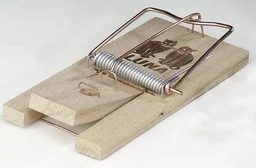
Additional advice
Bait live traps with strong-smelling, protein-rich food such as peanut butter, bacon or smoked tofu. Place the trap along the rats' route with the trigger mechanism facing the wall, as rats like to run along walls.
Deterrence with light and noise
Rats are nocturnal and avoid disturbances. Install motion-activated lights or leave a radio playing quietly in the garden at night. Change the station regularly.
Keep your lawn short. Tall grass provides cover. Use durable garden tools for maintenance.
Combining acoustic, olfactory and visual disturbances is more effective than using a single stimulus. Rats are intelligent, but they are also cautious. They retreat when staying becomes too risky.
How can I keep rats away long term?
After successfully driving them away, the next step is ongoing prevention. Incorporate these measures into your regular garden routine.
Store all garden waste bags in sealed containers. Cover your barbecue after use and clean it thoroughly. Store seeds and flower bulbs in metal or glass containers.
Encourage natural predators such as buzzards, kestrels and owls by providing nesting boxes. Having a cat in the area can act as a deterrent, but it is not a reliable method of rat control.
Plant a natural barrier of strongly scented herbs. Mint, lavender and thyme are suitable. Plant them in pots, as mint spreads vigorously.
offers large planters that are suitable for creating such barriers.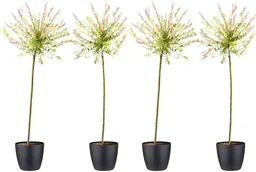
If problems persist despite all these measures, professionally placed bait may be necessary.
is a ready-to-use rat bait for professional use. However, such products should only be used by professionals who understand the risks.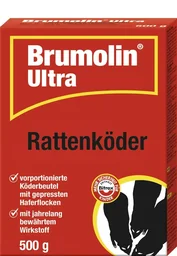
The best rat control is a clean, tidy property without easy sources of food. With these methods, you can make your garden a no-go area for rodents.
Frequently asked questions
- How can I tell if my garden has a rat infestation?
- Typical signs include runways through tall grass, narrow tunnels alongside building foundations, droppings measuring around 1-2 cm in length, and gnawed fruit or roots. Nocturnal rustling and scratching sounds in walls or beneath decking are also clear signs of active rodents.
- Which plants help keep rats away?
- Plants with strong scents can act as a deterrent. These include mint, especially catmint, as well as lavender, thyme and oleander. Plant them as a natural barrier around flower beds or near potential entry points. Their effect is supportive and does not replace structural measures.
- How can I protect my compost from rats?
- Use only enclosed thermal composters made from robust plastic or metal. They should be raised off the ground and have a close-mesh metal grid covering the openings at the bottom. Avoid putting cooked food scraps, meat and bread in the compost. A layer of soil or garden fleece on top helps bind odours.
- Are ultrasonic devices effective for driving rats away?
- Their effectiveness is disputed and often only temporary. Rats quickly become accustomed to constant tones. Devices with varying frequencies and combined flashes of light are more effective. Use them as a supplement to other measures, such as sealing access points, rather than as a standalone solution.
- Am I allowed to kill rats in my garden?
- Killing rats with traps or poison is subject to animal welfare legislation. Causing unnecessary suffering is prohibited. Poison baits are heavily regulated for private individuals and pose risks to pets and children. The legally prescribed method is a live trap followed by professional euthanasia. It is therefore better to focus on driving rats away and preventing infestations.
You may also be interested in
- How to get rid of rats in the garden: Effective methods
- Rat infestations in autumn & winter: Act now and prevent them
- Rat trap vs. rat poison: Which is safer and more effective?
- Rats in the house? Effective control strategies
- Buying a rat trap: The ultimate guide for 2024
- Getting rid of mice with vinegar: Does this home remedy work?