
In brief: In the 2026 grease gun test, models with robust pressure generation, precise dispensing and ergonomic handling stand out. The key decision is choosing between manual, pneumatic and electric systems, depending on your usage volume and the pressure required. Pay attention to connection compatibility, material quality and ease of maintenance. The best devices combine durability with efficient lubrication for all agricultural machinery.
A reliable grease gun is essential for maintaining your agricultural machinery. It ensures that bearings, joints and guides are properly lubricated to minimise wear and extend the service life of your valuable equipment. Our 2026 grease gun test and comparison examines the most important models and types. We show you what matters when choosing a grease gun and which technology is best suited to different applications in agriculture.
Table of contents
What types of grease guns are available?
Choosing the right type is the first step. There are three basic designs, which differ in their drive system, pressure generation and intended use.
Manual grease guns
Manual grease guns are the classic choice. They generate the required pressure using a lever mechanism. Their advantages include robust construction, independence from power sources and low purchase costs. They are perfect for occasional use, maintaining individual machines or taking on the go.
Pneumatic grease guns
Pneumatic models use compressed air as their power source. They deliver very consistent, high pressure but require a compressed-air supply. These grease guns are often found in workshops or businesses with a central compressed-air system, where they save time and effort when large amounts of lubrication are required.
Electric grease guns
Electric grease guns, whether battery-powered or mains-operated, are the powerhouses for professional use. They work with an electric motor that drives a pump. They enable fast, effortless lubrication even across large fleets of machinery and are ideal for regular, extensive maintenance work.
Tip: For versatile use around the farm, a high-quality manual grease gun is often the best foundation. If needed, you can later supplement it with an electric model for specific, physically demanding tasks.
The most important buying criteria compared
Not every grease gun is suitable for every task. You should include these factors in your comparison.
Maximum pressure and delivery volume
Maximum pressure, specified in bar, determines whether the grease can be pressed into the narrowest gaps and against high resistance. For most agricultural applications, 400 to 600 bar is sufficient. The delivery volume per stroke indicates how efficiently you can work.
Compatibility and connections
Make sure the grease gun accepts the standard 400g grease cartridges. Check the supplied connections (grease nipples). A set with various adapters significantly increases versatility and fits several of your machines.
Build quality and ergonomics
A robust metal housing, a comfortable, powerful lever on manual models and a secure base are signs of quality. Ergonomics are important for lubricating without fatigue, even during longer jobs.
Grease gun comparison table 2026
A direct comparison reveals the strengths and weaknesses of the various models. The following table gives you a quick overview of the grease guns tested.
The highest-rated grease guns from our range compared directly:
| Model | Customer rating | Availability |
|---|---|---|
| Aesculap Special Grease 20ml - High-Performance Lubricant for Precision Instruments | – | Currently unavailable |
| Agropa Steering Handle with Ball Bearing for Agricultural Machinery - Improved Control | – | Currently unavailable |
| Allweiler L5 Pressure Flap for Valve System - Robust Construction for Agricultural Applications | – | Currently unavailable |
| Ballistol H1 Food-Grade Oil 200ml - Lubricant for the Food Industry | – | Currently unavailable |
| Drypearl Agricultural Air Dehumidifier for Moisture Control - Efficient Management | – | Currently unavailable |
Practical tips: Proper use and maintenance
With the right technique and care, you will not only work more effectively but also extend the service life of your grease gun.
Before you start lubricating, thoroughly clean the grease nipples on your machine. This prevents dirt and old grease from being pushed into the bearing. Fit the appropriate connection and place it straight onto the nipple.
With manual grease guns, pump with steady, full strokes until you feel slight resistance or fresh grease becomes visible at the seal of the bearing point. Do not overdo it, as this can damage the seals.
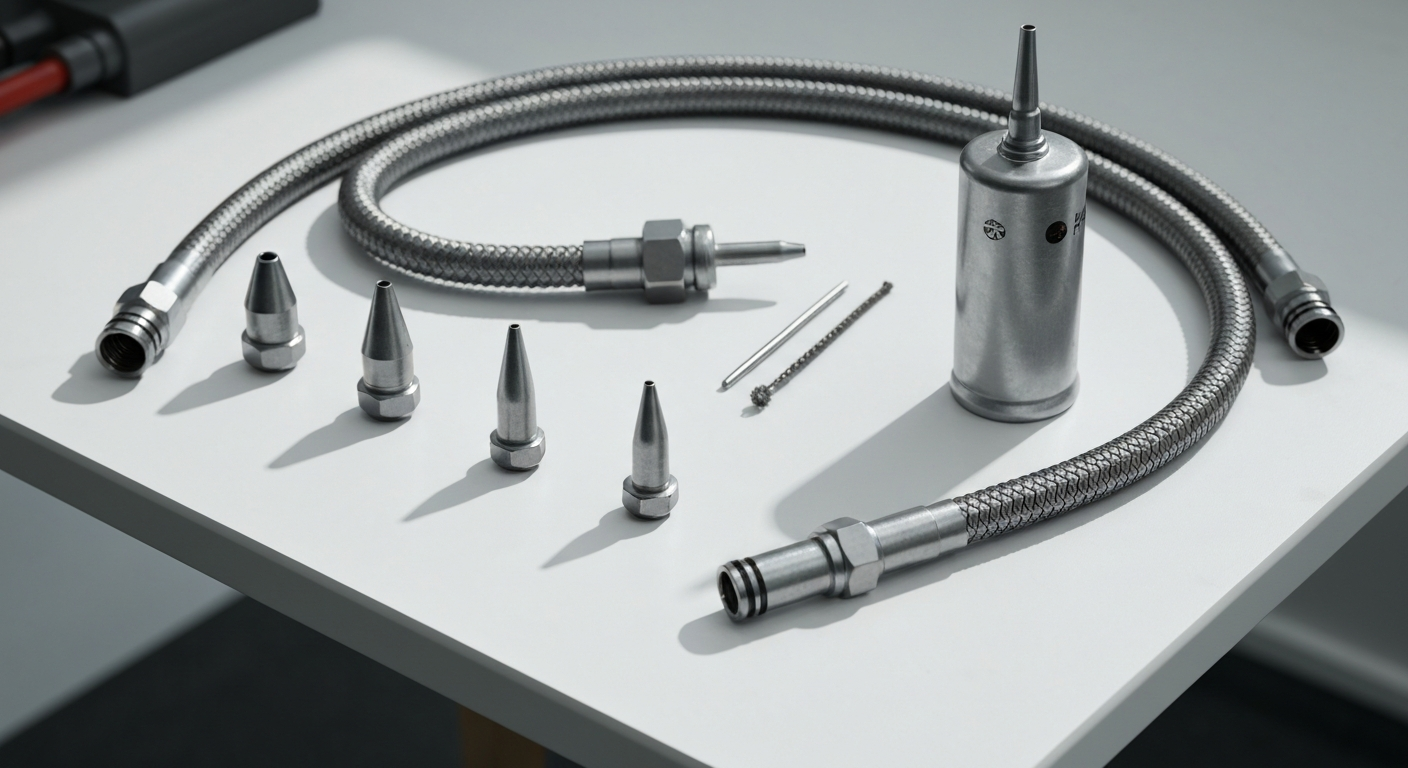
After every use, simple cleaning is essential. Wipe excess grease off the grease gun. Store it in a clean, dry place. Occasionally check the seals and moving parts for wear.
Warning: Never use a damaged or leaking grease gun. Escaping grease under high pressure can cause serious injuries. Regularly check the condition of the hose, connections and housing.
Choosing the right lubricant
The grease gun is only as good as the grease you use. Always use the lubricant recommended by the machine manufacturer for the particular application. Food-processing machinery on the farm requires special, non-toxic lubricants such as the .

Safety When Lubricating: What You Need to Know
Safety comes first when handling high-pressure grease guns. Improper use can be dangerous.
Always wear safety goggles. Splashes of grease or a burst hose can cause serious eye injuries. Work gloves protect your hands from dirt and pressure marks.
Before use, check that all connections between the cartridge, grease gun, hose and grease nipple are tight. Loose parts can be ejected under pressure. Never run your finger or hand over a nozzle or leaking connection to check whether it is pressurised.
Make sure the machine you are lubricating is switched off and secured against accidental start-up. Take extra care around rotating parts or assemblies that are under tension.
Note: The right workwear also contributes to safety. Sturdy, closed-toe footwear such as the or the protect your feet from falling objects and provide a secure footing.


The Right Accessories for Your Grease Gun
The right accessories can significantly improve the comfort and versatility of your grease gun.
- Adapter sets: Expand compatibility. A set with different grease nipple sizes and angles can reach even hard-to-access lubrication points.
- Extension hose: A longer, flexible hose gives you greater reach without having to constantly reposition the heavy grease gun.
- Cleaning set: Special needles or brushes for cleaning clogged grease nipples before lubricating.
- Transport or storage case: Protects the grease gun and accessories from dirt and damage while keeping everything organised.
Conclusion: How to Find Your Ideal Grease Gun
Choosing the right grease gun largely depends on your individual needs. For most agricultural businesses that maintain their own machinery, a high-quality manual grease gun with a pressure of at least 400 bar is the ideal solution. It offers excellent value for money, is robust and can be used for a wide range of applications.
If you look after a large fleet or need to lubricate machinery very regularly, investing in an electric grease gun can make the work considerably easier and faster. Pneumatic models are a good option if a powerful compressed-air supply is already available.
Regardless of the type, look for solid workmanship, suitable connections and compatibility with high-quality lubricants. Regular maintenance of the grease gun itself and proper handling ensure a long service life and safe operation. With the right grease gun, you can keep your agricultural machinery running reliably.
Frequently Asked Questions
- Which grease gun do I need for my agricultural machinery?
- For typical agricultural machinery such as tractors or combine harvesters, we recommend manual grease guns with a pressure range of 400 to 600 bar. These can handle most lubrication points. The key consideration is whether the grease cartridges and connections are compatible with your machinery. For very frequent lubrication or hard-to-reach points, it is worth considering an electric or pneumatic system.
- Can I use any grease cartridge in my grease gun?
- No, compatibility is essential. Check the standard required by your grease gun, usually 400g cartridges. There are differences in the design, for example with or without a follower plate, as well as in grease consistency. Use only the cartridges recommended by the manufacturer to achieve optimum pressure and avoid damaging the device. You can find suitable lubricants in our range.
- What is the difference between manual and electric grease guns?
- Manual grease guns build pressure using a lever, are robust, require little maintenance and are ideal for occasional use. Electric grease guns run on battery power or mains electricity, deliver consistently high pressure and reduce the effort required for large lubrication jobs or regular maintenance. The right choice depends on your workload and the ergonomics you need.
- How often do I need to lubricate my agricultural machinery?
- The intervals depend greatly on the machine, the workload and the operating conditions. Always consult the manufacturer's maintenance instructions. In general, moving parts such as joints, bearings and ball joints should be checked before each season or after approximately 50 operating hours and lubricated with a grease gun when necessary. Dust and moisture shorten the intervals.
- What should I do if my grease gun no longer builds pressure?
- First check whether the grease cartridge is empty or there is an air bubble in the system. Clean old, hardened grease from the nozzle and connection. The problem is often caused by a faulty or worn piston or valve. On manual grease guns, the lever mechanism may also be losing strength. Regular cleaning after use and using high-quality grease help prevent problems.