
Kurz erklärt: Eine Erdwärmepumpe nutzt die konstante Temperatur des Erdreichs zum Heizen. Sie entzieht dem Boden Wärme und hebt sie mittels Strom auf ein nutzbares Niveau. Diese nachhaltige Heiztechnik senkt Ihre Heizkosten deutlich und reduziert den CO2-Ausstoß. Die hohe Effizienz macht sie zur idealen Lösung für Neubauten und sanierte Bestandsgebäude.
Wie funktioniert eine Erdwärmepumpe?
Eine Erdwärmepumpe nutzt die im Erdreich gespeicherte Sonnenenergie. Sie entzieht dem Boden über Erdsonden oder Flächenkollektoren Wärme. Ein Kältemittel transportiert diese Energie zur Wärmepumpeneinheit im Haus.
Dort verdampft das Kältemittel bereits bei niedrigen Temperaturen. Ein Kompressor verdichtet den Dampf und erhöht so seine Temperatur entscheidend. Diese hohe Temperatur gibt das Mittel über einen Wärmetauscher an Ihr Heizungswasser ab.
Das abgekühlte Kältemittel verflüssigt sich wieder. Ein Expansionsventil senkt seinen Druck, bevor der Kreislauf von vorne beginnt. Die konstante Erdwärme macht diesen Prozess ganzjährig äußerst effizient.
Welche Arten der Erdwärmenutzung gibt es?
Sie erschließen die Geothermie auf zwei Hauptwegen. Die Wahl hängt von Ihrem Grundstück und dem Energiebedarf ab.
Erdsonden: Die platzsparende Tiefenbohrung
Erdsonden sind Kunststoffrohre, die senkrecht bis zu 100 Meter tief ins Erdreich reichen. Eine Sole aus Wasser und Frostschutzmittel zirkuliert in diesen geschlossenen Kreisläufen. Sie nehmen die Wärme aus der Tiefe auf.
Diese Methode benötigt wenig Grundstücksfläche. Sie ist jedoch genehmigungspflichtig. Die Tiefenbohrung erfordert spezialisierte Fachfirmen und ist kostspieliger in der Installation.
Die Erdwärmesonde ist das effizienteste System. Sie profitiert von den konstanten Temperaturen in der Tiefe und liefert auch in strengen Wintern zuverlässig Energie.
Flächenkollektoren: Die großflächige Alternative
Flächenkollektoren verlegen Sie horizontal etwa 1,2 bis 1,5 Meter unter der Erdoberfläche. Ein Netz aus Kunststoffrohren deckt eine große Fläche ab. Die Regel lautet: etwa die eineinhalb- bis zweifache Größe der zu beheizenden Wohnfläche.
Diese Lösung ist kostengünstiger und meist nicht genehmigungspflichtig. Sie benötigen jedoch ein ausreichend großes, unbebautes Grundstück. Über den Kollektoren dürfen keine tiefwurzelnden Bäume stehen oder Gebäude errichtet werden.
Profi-Tipp
Planen Sie Flächenkollektoren immer mit einem Pufferspeicher. Dieser speichert überschüssige Wärme und entlastet die Pumpe bei Spitzenlasten. So erhöhen Sie die Lebensdauer des Systems und steigern den Komfort.
Warum senkt eine Erdwärmepumpe Ihre Heizkosten?
Die Effizienz misst sich an der Jahresarbeitszahl. Dieser Wert beschreibt das Verhältnis von abgegebener Heizwärme zu eingesetzter elektrischer Energie. Moderne Erdwärmepumpen erreichen Werte zwischen 4 und 5.
Das bedeutet: Aus einer Kilowattstunde Strom erzeugen Sie vier bis fünf Kilowattstunden Wärme. Drei Viertel Ihrer Heizenergie holt sich das System kostenlos aus dem Boden. Diese hohe Effizienz schlägt sich direkt in Ihrer Heizkostenabrechnung nieder.
Im Vergleich zu Öl- oder Gasheizungen reduzieren Sie Ihre Betriebskosten um bis zu 50 Prozent. Die Unabhängigkeit von fossilen Brennstoffpreisen schützt Sie zudem vor künftigen Kostensteigerungen. Für die optimale Effizienz ist eine gute Wärmedämmung Ihres Hauses entscheidend. Passende Materialien für Ihre Haustechnik finden Sie in unserem Sortiment für Heizungsrohrisolierung.
Was kostet die Installation einer Erdwärmepumpe?
Die Investition teilt sich in zwei große Posten. Die Wärmepumpeneinheit selbst kostet zwischen 10.000 und 15.000 Euro. Die Erschließung der Erdwärme ist der variable und oft teurere Teil.
Flächenkollektoren schlagen mit etwa 5.000 bis 10.000 Euro zu Buche. Erdsonden kosten aufgrund der Tiefenbohrungen zwischen 8.000 und 15.000 Euro. Die Gesamtinvestition bewegt sich somit zwischen 20.000 und 30.000 Euro.
Wichtiger Hinweis
Verzichten Sie niemals auf eine professionelle Wärmequellenberechnung. Nur ein Fachmann bestimmt die exakte Länge der Sonden oder die Fläche der Kollektoren. Eine Unterdimensionierung führt zu Frost und Effizienzverlust. Eine Überdimensionierung ist reine Geldverschwendung.
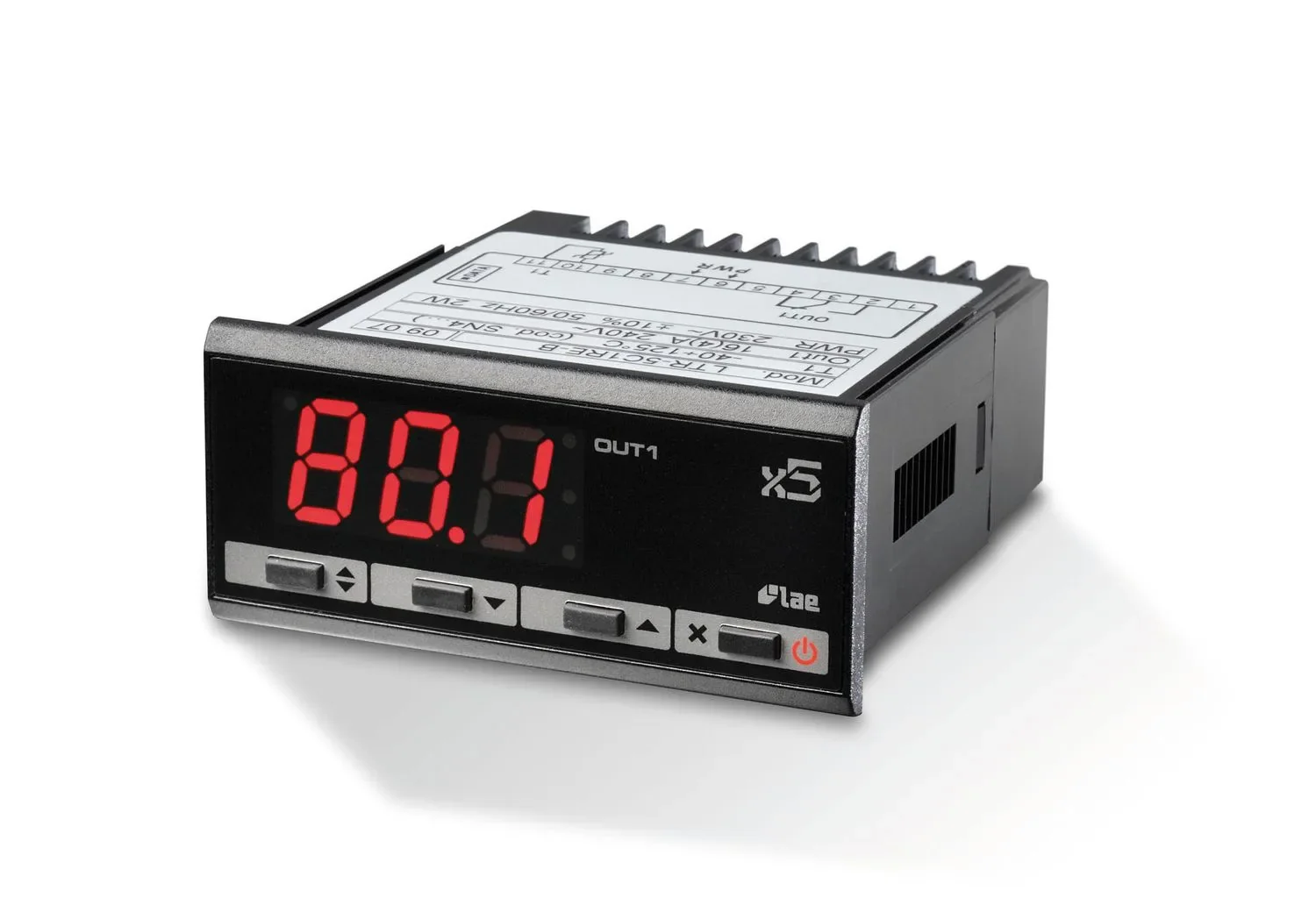
Diese Kosten amortisieren sich über die Jahre. Staatliche Förderungen verbessern die Wirtschaftlichkeit zusätzlich. Für die Regelung Ihrer neuen effizienten Heizung bietet sich ein modernes Thermostat an, wie unser
.
Viele Bauherren unterschätzen die langfristige Perspektive. Die höheren Investitionskosten einer Erdwärmepumpe rechnen sich über eine Lebensdauer von 20 Jahren fast immer. Sie kaufen damit Planungssicherheit für die Energiekosten der nächsten zwei Jahrzehnte.
Welche Förderungen können Sie nutzen?
Die Bundesförderung für effiziente Gebäude ist die zentrale Anlaufstelle. Sie erhalten einen direkten Zuschuss zu den Investitionskosten. Für den Austausch einer alten Ölheizung gegen eine Erdwärmepumpe sind bis zu 40 Prozent Förderung möglich.
Die Antragstellung erfolgt vor Beginn der Bauarbeiten. Ein zugelassener Energieeffizienz-Experte muss Ihr Vorhaben begleiten. Die Förderung umfasst die Wärmepumpe, die Erschließung der Wärmequelle und notwendige Umfeldmaßnahmen.
Zusätzlich bieten einige Bundesländer und Kommunen eigene Programme an. Erkundigen Sie sich bei Ihrer Gemeinde. Auch zinsgünstige Kredite der KfW-Bank ergänzen die Förderlandschaft. Eine genaue Planung mit Ihrem Fachhandwerker ist unerlässlich.
Wie planen Sie Ihr Erdwärmeprojekt richtig?
Beginnen Sie mit einer Energieberatung. Ein Experte analysiert Ihren Gebäudezustand und den Heizwärmebedarf. Diese Berechnung ist die Grundlage für die Dimensionierung der gesamten Anlage.
Im nächsten Schritt klären Sie die geologischen Gegebenheiten. Eine Bodenprobebohrung gibt Aufschluss über die Wärmeleitfähigkeit des Untergrunds. Diese Daten bestimmen, ob Sonden oder Kollektoren die bessere Wahl sind.
Zusätzlicher Rat
Kombinieren Sie Ihre Erdwärmepumpe mit einer Photovoltaikanlage. Der selbst erzeugte Solarstrom betreibt den Kompressor der Pumpe. So heizen Sie nahezu autark und reduzieren Ihre Betriebskosten auf ein Minimum. Die Technik für Ihren Außenbereich finden Sie in unserer Kategorie Garten + Outdoor.
Vergleichen Sie mehrere Angebote von qualifizierten Fachfirmen. Achten Sie auf Referenzen und die Mitgliedschaft in Fachverbänden wie dem BWP. Die Planung und Installation erfordert spezielles Know-how. Für alle weiteren Projekte rund um Haus und Hof schauen Sie in unseren umfangreichen Shop.
Welche Vorteile bietet die nachhaltige Heiztechnik?
Ihr CO2-Fußabdruck sinkt erheblich. Sie verbrennen keine fossilen Rohstoffe vor Ort. Der benötigte Strom stammt idealerweise aus erneuerbaren Quellen. So heizen Sie nahezu klimaneutral.
Die Technik arbeitet geräuscharm und wartungsarm. Es entstehen keine Abgase, kein Ruß und kein Geruch. Sie benötigen keinen Tanklagerraum und keinen Schornstein. Die Wertsteigerung Ihrer Immobilie ist ein weiterer positiver Effekt.
Die Zuverlässigkeit ist hoch. Das Erdreich friert in der erforderlichen Tiefe nicht ein. Die Wärmequelle steht Ihnen zuverlässig über das gesamte Jahr zur Verfügung. Für die Bewässerung Ihres Gartens nutzen Sie ebenfalls nachhaltige Systeme, wie Sie sie in Gartenbewässerung finden.
Was sind die Alternativen zur Erdwärmepumpe?
Luft-Wasser-Wärmepumpen sind die bekannteste Alternative. Sie entziehen der Außenluft Wärme. Ihre Installation ist einfacher und günstiger. Die Effizienz sinkt jedoch bei kalten Außentemperaturen im Winter spürbar.
Grundwasser-Wärmepumpen nutzen das konstante Temperaturniveau des Grundwassers. Sie erreichen ähnlich hohe Jahresarbeitszahlen wie Erdwärmesysteme. Die Nutzung ist von der wasserrechtlichen Genehmigung abhängig und nicht überall möglich.
Die Entscheidung hängt von Ihrem Standort, dem Budget und den langfristigen Zielen ab. Eine Erdwärmepumpe bietet die höchste Planungssicherheit und Effizienz. Sie ist die Investition in eine unabhängige und kostengünstige Wärmeversorgung für die nächste Generation.
Häufige Fragen
- Wie hoch sind die Kosten für eine Erdwärmepumpe?
- Die Gesamtkosten für eine Erdwärmepumpe liegen typischerweise zwischen 20.000 und 30.000 Euro. Diese Summe umfasst die Wärmepumpeneinheit selbst und die aufwendige Erschließung durch Erdsonden oder Flächenkollektoren. Die hohe Effizienz amortisiert die Investition über die Jahre durch stark gesenkte Heizkosten. Staatliche Förderungen reduzieren die Anschaffungskosten erheblich.
- Warum ist eine Erdwärmepumpe so effizient?
- Die Effizienz einer Erdwärmepumpe liegt in der konstanten Temperatur des Erdreichs. In 10 Metern Tiefe herrschen ganzjährig etwa 10 Grad Celsius. Die Pumpe muss diese Temperatur nur anheben, nicht aus kalter Winterluft gewinnen. Dadurch arbeitet sie mit einer sehr hohen Jahresarbeitszahl und benötigt weniger Strom für mehr Heizwärme.
- Für welche Häuser eignet sich eine Erdwärmepumpe?
- Erdwärmepumpen eignen sich besonders für gut gedämmte Neubauten oder energetisch sanierte Bestandsgebäude mit Flächenheizungen wie Fußbodenheizungen. Wichtig ist ausreichend Grundstücksfläche für Kollektoren oder die Genehmigung für tiefe Erdsonden. Ein Fachplaner prüft die Bodenbeschaffenheit und ermittelt die optimale Lösung für Ihr Grundstück.
- Kann ich mit einer Erdwärmepumpe auch kühlen?
- Ja, viele Erdwärmepumpen bieten eine passive Kühlfunktion. Im Sommer zirkuliert kaltes Wasser aus dem Erdreich direkt durch Ihre Fußbodenheizung oder spezielle Kühldecken. Diese passive Kühlung verbraucht nur wenig Strom für die Umwälzpumpe. Sie ist eine effiziente und kostengünstige Alternative zu konventionellen Klimaanlagen.
- Welche Förderung gibt es für Erdwärmepumpen?
- Der Staat fördert den Einbau von Erdwärmepumpen über die Bundesförderung für effiziente Gebäude. Sie erhalten einen Zuschuss von bis zu 40 Prozent der förderfähigen Kosten. Voraussetzung ist die Beantragung vor Beginn der Maßnahme durch einen Energieeffizienz-Experten. Die Förderung macht die nachhaltige Investition deutlich attraktiver.
Das könnte Sie auch interessieren
- Erdwärmepumpe: Heizen mit Erdwärme – Vorteile & Kosten
- Wärmepumpen: Die Zukunft des Heizens ist effizient
- Wärmepumpe: Kosten, Installation und Betrieb erklärt
- Wärmepumpe im Altbau: Effizient heizen
- Wärmepumpen: Die klimafreundliche Alternative zur Gasheizung
- Eisspeicherheizung: Effizient & nachhaltig heizen