
In brief: You can grow potatoes successfully by using seed potatoes, planting them at the right time in loose soil and earthing them up as they grow. Choose a sunny location. Water regularly, but avoid waterlogging. You can harvest the first potatoes after flowering. Potatoes also grow well in pots or sacks.
How do you get started with growing potatoes?
Start with the right planning. First, decide where you want to grow your potatoes. A sunny garden bed is ideal. Alternatively, beginner-friendly vegetable growing also works on a balcony or patio. There, use large pots, tubs or special grow bags.
Next, choose your potato variety. Early varieties such as 'Annabelle' can be harvested as early as June. Mid-season and late varieties such as 'Laura' or 'Agria' produce a larger crop in late summer and autumn. Buy your seed potatoes from a specialist supplier. These tubers are healthy and free from viral diseases.
Prepare the soil. Potatoes prefer loose, deep and humus-rich soil. Loosen heavy soil with sand. Before planting, work in some compost or an organic fertiliser from the fertiliser category. Avoid fresh farmyard manure, as it encourages scab.
The success of growing potatoes depends on the quality of the planting material. Invest in certified stock, or you may end up frustrated by weak plants and poor harvests.
How do you plant potatoes correctly?
The best time to plant early varieties is from mid-March. For all other varieties, wait until mid-April. The soil should be frost-free and slightly warmed. Place the seed potatoes in a light, cool spot one to two weeks beforehand. This encourages short, strong shoots.
In the bed, make a furrow about 10 centimetres deep. Place the tubers in it with the shoots facing upwards. Leave 30 to 40 centimetres between the potatoes. Allow 60 to 80 centimetres between the rows. Cover the tubers loosely with soil.
For growing potatoes in a pot or sack, first add a 15-centimetre layer of soil. Place two to three seed potatoes on top and cover them. A grow pot such as the
provides ideal conditions.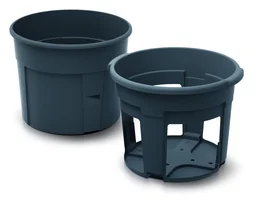
Expert tip
Cut large seed potatoes before planting. Each piece must have at least one eye (sprout). Allow the cut surface to dry for a day. This helps prevent rot in the soil.
Care during growth
Potatoes need consistent moisture. During dry periods, water directly at the base of the plant. Avoid getting the foliage wet. This helps prevent the dreaded blight. A layer of straw mulch keeps moisture in the soil.
The most important maintenance task is earthing up. As soon as the shoots are about 20 centimetres tall, use a hoe to draw soil from between the rows towards the plants. Repeat this every two weeks until the plants flower. This mound protects the new tubers from light.
Important note
Do not eat green potatoes or green areas. Exposure to light causes solanine, a natural poison, to form. Always store your harvest in the dark. Remove green areas generously before cooking.
Use fertiliser sparingly. Too much nitrogen produces lush foliage and small tubers. A potassium-based fertiliser after earthing up supports tuber formation. Remove weeds regularly to prevent competition for nutrients.
When and how do you harvest potatoes?
You can harvest early potatoes as so-called "new potatoes" as soon as they flower. The foliage is still green at this stage. Carefully push a digging fork into the soil at the side and check the tuber size. Take only as many as you will use immediately.
For storage, harvest late varieties when the foliage has completely withered and turned yellow. Cut off the foliage before harvesting. This allows the potato skins to mature and makes them more durable. Then wait about two weeks before lifting the tubers from the soil.
Harvest on a dry day. Loosen the soil to the side of the planting row with a digging fork. Carefully lift out the tubers. Collect all the potatoes, including the small ones. Any tubers left behind will sprout again next year.
The harvest is the crowning moment. Leave the potatoes to air-dry for a few hours after digging them up. Brush off coarse soil, but do not wash them. This greatly extends their storage life.
Storing your harvest
Sort your harvest. Use damaged tubers first. Ideally, store sound, dry potatoes in wooden crates or sturdy sacks such as the
. The storage area must be dark, cool and frost-free. Good air circulation prevents mould.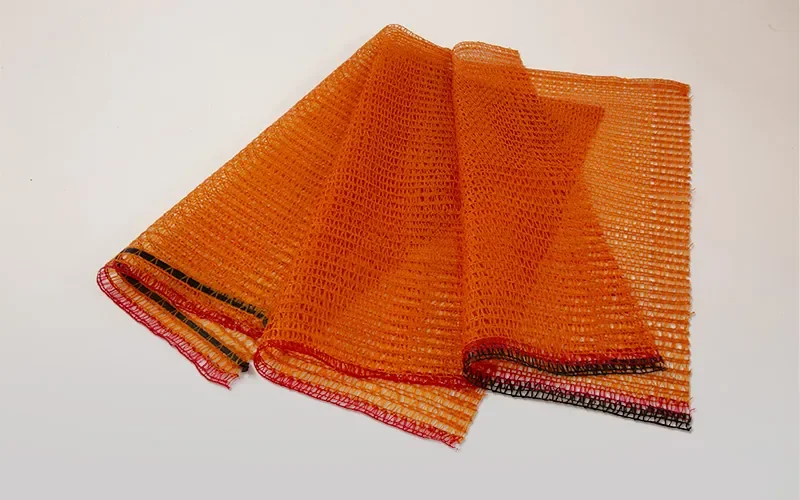
The ideal storage temperature is between 4 and 8 degrees Celsius. If stored too warmly, potatoes sprout prematurely. If stored too cold, starch turns into sugar and the potatoes develop an unpleasantly sweet taste. Check your supplies regularly and remove any rotting tubers.
Additional advice
Plan your crop rotation. Plant potatoes in the same bed no more than once every four years. Good preceding crops include peas and beans. This breaks the cycle of pests such as potato cyst nematodes and helps maintain soil fertility.
What problems can occur?
Blight is the most common fungal disease. You can recognise it by brown spots on the leaves and rotten patches on the tubers. Wide planting distances, watering only at the roots and choosing resistant varieties help prevent it. Dispose of infected foliage with your household waste.
The Colorado potato beetle and its yellow-and-black striped larvae can completely strip the foliage. Pick off beetles and larvae early in the morning. Cover young plants with insect mesh. Beneficial insects such as ground beetles naturally reduce infestations.
Scab causes crusty but edible tubers. It develops in soil that is too dry and rich in lime. Maintain consistent soil moisture and do not plant in freshly limed beds. Green manure with marigolds improves soil life.
Growing potatoes in a pot or bag
This method is perfect for small spaces. You need a container with a capacity of at least 40 litres and good drainage. The or the
are designed for this. Add a drainage layer of expanded clay pebbles.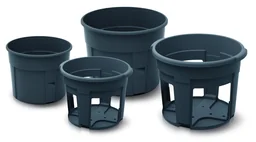
This method is known as "layered earthing up". Place the tubers in the lowest layer of soil. As soon as the foliage is 20 centimetres high, add more soil until only the leaf tips are showing. Repeat this until the container is full.
Caring for them is easy. Pots dry out faster, so water regularly. Feed every four weeks with a liquid fertiliser for vegetables. Harvesting is particularly easy: simply tip out the pot or cut open the .
You will find all the tools you need for caring for beds or pots in our Garden Tools category. For watering your potato plants, take a look at Garden Irrigation.
Why is it worth growing your own potatoes?
You harvest great flavour. Freshly harvested potatoes have an intense, nutty aroma that shop-bought produce often lacks. You know exactly where every tuber came from and that it was grown without chemical sprays. That is true self-sufficiency.
You save money. A single seed potato produces eight to twelve new tubers. Growing potatoes is a productive hobby. Your own potatoes can be stored for months after harvesting and provide food throughout the winter.
You learn about nature's cycle. From planting the tuber and caring for the plant to harvesting in autumn, you follow the growth of a classic vegetable crop. This type of vegetable gardening for beginners provides a direct sense of achievement and connects you with the seasons.
Get started now. Get some seed potatoes, loose soil and a sunny spot. With this guide, nothing stands in the way of your first home-grown harvest. Growing potatoes is an adventure that pays off.
Frequently asked questions
- When should you plant potatoes?
- Plant early varieties from mid-March, and second-early and late varieties from mid-April. The soil should be frost-free and at least 7°C warm. Under fleece or in a greenhouse, you can start around two weeks earlier.
- Can I plant potatoes from the supermarket?
- This is not recommended. Supermarket potatoes are often treated, sprout less reliably and may transmit diseases. Buy certified seed potatoes from a garden centre. They are healthier and help ensure a good harvest.
- How deep should potatoes be planted?
- Place the seed potatoes about 10 centimetres deep in the soil. Leave 30 to 40 centimetres between the tubers and 60 to 80 centimetres between the rows. These distances are crucial for growing potatoes.
- Why do you need to earth up potatoes?
- Earth up around the plant so that new tubers can form in the dark. This protects the potatoes from sunlight, which turns them green and poisonous. It also improves plant stability and increases the harvest.
- When are potatoes ready to harvest?
- Harvest early varieties after flowering while the foliage is still green. Late varieties are ready when the foliage has completely wilted and turned yellow. Test carefully by hand: if the tubers come away easily, your potato crop has reached the end of its growing cycle.
You might also be interested in
- Planting and harvesting potatoes: The path to success
- Creating a vegetable garden: Tips for beginners
- Growing early potatoes: Easy harvesting in a jute sack
- Potato varieties: The best choices for your home garden
- Keeping chickens in the garden: A beginner's guide
- Chitting potatoes: How to achieve a bountiful harvest