
In brief: Cucurbits such as zucchini, pumpkins, and melons need plenty of sun, warmth, nutrient-rich soil, and room to grow. They are heavy feeders, so fertilize regularly and water consistently. With the right varieties and care, they can produce a generous harvest all summer long. Proper pruning and pest control also help plants thrive.
Cucurbits: A Variety of Choices for Your Vegetable Garden
Cucurbits, also known as Cucurbitaceae, are among the sun-loving stars of the vegetable garden. This plant family includes zucchini, cucumbers, melons, and pumpkins in countless shapes and colors. They all thrive in warm conditions, nutrient-rich soil, and plenty of space. They are easy to grow and often produce an impressive harvest. A few basic rules can make all the difference.
Start by choosing the right variety. Want compact zucchini for a container or giant ornamental pumpkins for fall decorations? Choose early- or late-season varieties to suit your plans. Our fodder and cover crop selection offers inspiration.
The key to growing large pumpkins is the soil. Prepare the bed in the fall by working mature compost and manure deep into the ground. In spring, add another layer of compost on top. The soil should be loose and full of life.
How Do I Prepare the Soil for Cucurbits?
Cucurbits are heavy feeders and take plenty of nutrients from the soil. Preparation starts in the fall before planting. Dig the future growing area deeply, then work in mature compost or well-rotted manure. This loosens the soil and enriches it with humus.
In spring, about four weeks before planting, rake the area level. You can work another thin layer of compost into the topsoil. If needed, use garden lime to adjust the pH. Slightly acidic to neutral soil is ideal.
Expert tip
Spread a thick layer of straw or grass clippings beneath pumpkins and zucchini. Mulch keeps the soil moist, suppresses weeds, and keeps the fruit from sitting directly on the soil and rotting. It also decomposes slowly, adding nutrients to the soil.
The Right Way to Plant
Cucurbits are sensitive to frost. Plant seedlings or young plants outdoors only after the last frost, usually in mid-May. Dig a planting hole twice as wide as the root ball. Set the plant so the root collar is level with the soil, then water thoroughly.
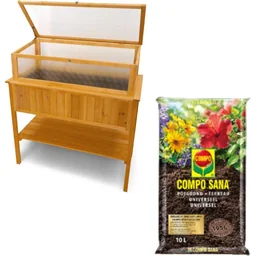
For starting plants on a windowsill or using a greenhouse, products such as the raised garden table
Which Zucchini Varieties Produce the Best Harvest?
Zucchini are among the most productive cucurbits. A few plants can supply an entire family. The variety you choose affects the shape, color, and growth habit. Classic green varieties such as ‘Zuboda’ and ‘Nero di Milano’ are hardy and reliably productive. Yellow zucchini such as ‘Goldrush’ add a pop of color to the garden.
Round zucchini are ideal for stuffing. Bush varieties take up less space and work well in containers. They need less room than vigorous trailing varieties. Look for varieties resistant to powdery mildew, a common disease.
Harvest the first one or two zucchini while they are still small, at about 10-15 cm long. This encourages the plant to produce more flowers and fruit. If you let the first fruits grow too large, the plant often stops producing new flowers.
Care During the Growing Season
Water regularly and thoroughly, letting the soil surface dry slightly between waterings. Avoid waterlogged soil. Always water at the base of the plant, never over the leaves, to help prevent fungal diseases. A drip irrigation system from our garden irrigation selection makes watering easier.
Feed every two weeks with an organic liquid fertilizer, or apply horn shavings around the plant every four weeks. Regular feeding is essential for continuous fruit production.
Important note
Don't plant cucurbits after other cucurbits or in the same area for two years in a row. This crop rotation helps prevent soil-borne diseases and pests from building up. Wait at least three years before growing cucurbits there again.
How Can I Successfully Grow Melons in My Garden?
Growing melons in your own garden is possible with the right conditions. They need plenty of warmth and a long growing season. Choose early, hardy varieties such as the cantaloupe ‘Petit Gris de Rennes’ or the netted melon ‘Galia’. Watermelons need even more heat, but you can grow them in a sheltered spot or greenhouse.
Start melons indoors in small pots filled with seed-starting mix at the end of April. Keep the temperature steady at 22-25°C for germination. After planting them outdoors, cover the plants with garden fleece for extra warmth.
Prune Plants the Right Way for More Fruit
Prune watermelons and cantaloupes to help them put their energy into a few high-quality fruits. For watermelons, pinch out the main stem after the sixth leaf. Then keep only two side shoots and pinch them back after the eighth flower. For cantaloupes, pinch out the main stem above the fifth leaf and choose the three strongest side shoots.
Regularly remove shoots that aren't producing fruit. This improves airflow and reduces the risk of disease. Sharp garden tools are essential for the job.
Additional advice
Set ripening melons on a dry surface, such as a flat stone or wooden slat. This helps prevent rot where the fruit rests and promotes even ripening. Check the fruit regularly for signs that it's ripe, such as a sweet fragrance and slightly yielding skin at the blossom end.
Growing Pumpkins: From Hokkaido to Giant Pumpkins
Pumpkins are the stars of fall. There are countless varieties to choose from. Edible pumpkins such as Hokkaido, butternut, and Musquee de Provence are easy to grow, but they need plenty of space. Allow at least two square metres per plant. You can train trailing varieties up a sturdy support to save space.
Ornamental pumpkins usually aren't edible, but their unusual shapes and colors make them real eye-catchers. Sow pumpkin seeds outdoors once the risk of frost has passed. Plant three seeds at each spot, then thin the seedlings to keep the strongest plant.
Pollination is essential for a plentiful pumpkin harvest. Make your garden welcoming to pollinators. You can also pollinate by hand, using a paintbrush to transfer pollen from male to female flowers. Female flowers have a small fruit at the base.
Harvesting and Storage
Harvest winter squash only when fully ripe. The skin shouldn't give way when pressed with a fingernail, and the stem will start to turn woody and dry. Cut the pumpkin from the plant, leaving a long section of stem attached. An intact stem is important for long-term storage.
Let harvested pumpkins cure for another one to two weeks in a warm, well-ventilated place. Then store them somewhere cool, dry, and dark. They can keep for many months. To improve soil quality for next year, sow cover crops such as mustard after harvesting.
Pests and Diseases Affecting Cucurbits
The most common pest is the black bean aphid. It feeds on shoot tips and spreads viruses. Keep plants healthy with good care, and encourage natural predators such as ladybugs. For a severe infestation, spray the plants with a strong jet of water or use an environmentally friendly treatment.
Powdery mildew appears as a white, flour-like coating on the leaves. It occurs in dry, warm weather. Downy mildew causes yellow spots on the upper sides of leaves and gray mold on the undersides. It thrives in moist conditions. Prevention is the best strategy: water at soil level, choose resistant varieties, and leave enough space between plants.
Slugs love young pumpkin plants. Protect seedlings with a slug fence or pick off slugs regularly. Scattering ash or sawdust around the plants can create a barrier. Keep the area around the plants free of weeds to reduce hiding places for slugs.
With these basics and a little patience, you can turn your garden into a productive paradise for cucurbits. The effort is rewarded with the taste of freshly harvested zucchini, the aroma of a sun-ripened melon, and the fall colors of homegrown pumpkins. For the equipment you need, browse our categories for garden tools and irrigation. Useful helpers such as a garden playhouse can also help make room for these large crops.
Frequently Asked Questions
- When is the best time to plant cucurbits outdoors?
- Plant cucurbits started indoors outside only after the last frost, around mid-May. The soil should have warmed to at least 15°C. A late frost can destroy young plants. Covering them with garden fleece on cool nights provides protection.
- Why does my zucchini plant produce lots of flowers but no fruit?
- This is often due to a lack of pollination. Zucchini plants produce male and female flowers. Fewer insects are active in poor weather. You can transfer pollen yourself from male to female flowers using a paintbrush. Female flowers can be recognized by the small fruit behind them.
- How much space do pumpkin plants need?
- Large-fruited pumpkins such as Hokkaido need 1.5 to 2 metres of space in every direction. Zucchini and small pumpkin varieties need around one metre. Melons are vigorous climbers and also need at least one square metre per plant.
- Can I grow cucurbits in containers?
- Yes, compact zucchini or dwarf melon varieties are suitable for large containers. The container must hold at least 30 litres and have a drainage hole. Use high-quality, nutrient-rich soil and fertilize regularly, as the growing medium quickly becomes depleted.
- What can I do about powdery mildew on zucchini?
- Remove affected leaves immediately. Water around the roots, not the leaves. Ensure good airflow by leaving sufficient space between plants. As a preventive measure, choose a sunny location where the wind can dry the morning dew. Choose resistant varieties.
You might also be interested in
- Growing Cucurbits: From Zucchini to Melons
- Growing Pumpkins with Companion Plants: Good Neighbors for a Bountiful Harvest
- Growing Giant Pumpkins: Top Tips for a Record Harvest
- Harvesting and Decorating Pumpkins: Tips for the Fall Garden
- Sowing Pumpkin Seeds: How to Grow Pumpkins Successfully
- Tomato Varieties to Grow: The Best Choices for Your Garden