
Kurz erklärt: Handwaschpaste selber herstellen ist einfach, kostengünstig und reduziert Verpackungsmüll. Sie benötigen nur wenige natürliche Zutaten wie Natron, Soda, Kernseife und ätherische Öle. Diese Paste entfernt hartnäckigen Schmutz von Gartenarbeit, Handwerken oder Reparaturen effektiv und schonend zur Haut. Ein nachhaltiger Ersatz für chemische Reiniger.
Handwaschpaste selber machen: Einfache DIY-Rezepte für einen nachhaltigen Haushalt
Schmutzige Hände gehören zu einem aktiven Leben im Garten, bei handwerklichen Projekten oder der Fahrradreparatur dazu. Statt zu aggressiven Chemiereinigern zu greifen, können Sie eine effektive Handwaschpaste mit wenigen natürlichen Zutaten selbst herstellen. Dieser Guide zeigt Ihnen praxiserprobte Rezepte.
Warum lohnt sich selbstgemachte Handwaschpaste?
Kommerzielle Handreiniger enthalten oft scharfe Lösungsmittel, synthetische Duftstoffe und Mikroplastik. Sie trocknen die Haut aus und produzieren Plastikmüll. Eine eigene Paste gibt Ihnen Kontrolle über die Inhaltsstoffe. Sie sparen Geld und reduzieren Abfall.
Die Basis-Zutaten sind vielseitig einsetzbar. Sie finden sie auch in anderen Garten + Outdoor-Bereichen, etwa zur schonenden Reinigung von Werkzeugen.
Profi-Tipp
Mischen Sie größere Mengen der trockenen Zutaten (Natron, Soda) vor. Bewahren Sie diese Mischung in einem luftdichten Behälter auf. So können Sie jederzeit schnell frische Paste anrühren, indem Sie einfach Seife und Wasser hinzufügen.
Die Grundzutaten und ihre Wirkung
Verstehen Sie, was jede Komponente leistet. So passen Sie Rezepte später selbst an.
Natron (Natriumhydrogencarbonat)
Natron wirkt leicht scheuernd und löst Schmutz mechanisch. Es neutralisiert Gerüche und ist hautschonend. Es ist ein Allrounder für den Sanitär + Bewässerung-Bereich und den Haushalt.
Kernseife oder Olivenölseife
Kernseife löst Fett und Schmutz. Reiben Sie sie fein ab oder raspeln Sie sie. Für empfindliche Haut eignet sich milde Olivenölseife besser. Sie bildet die reinigende Grundlage.
„Die Kombination aus der emulgierenden Wirkung der Seife und der leicht abrasiven Textur von Natron ist ideal für Handreinigung. Sie entfernt Schmutz, ohne die Hautbarriere stark anzugreifen.“
Waschsoda (Natriumcarbonat)
Waschsoda verstärkt die Fettlösekraft. Es macht das Wasser weicher. Verwenden Sie es sparsam, da es in hoher Konzentration austrocknen kann. Es ist auch ein klassischer Helfer im Betriebsbedarf.
Ätherische Öle (optional)
Sie verleihen Duft und können zusätzliche Eigenschaften bieten. Teebaumöl wirkt antibakteriell, Lavendel beruhigt, Zitrone erfrischt und löst Fett. Verwenden Sie nur hochwertige, reine Öle.
Einfaches Basis-Rezept für den Anfang
Dieses Rezept ist unkompliziert und für die meisten Verschmutzungen geeignet.
Sie benötigen:
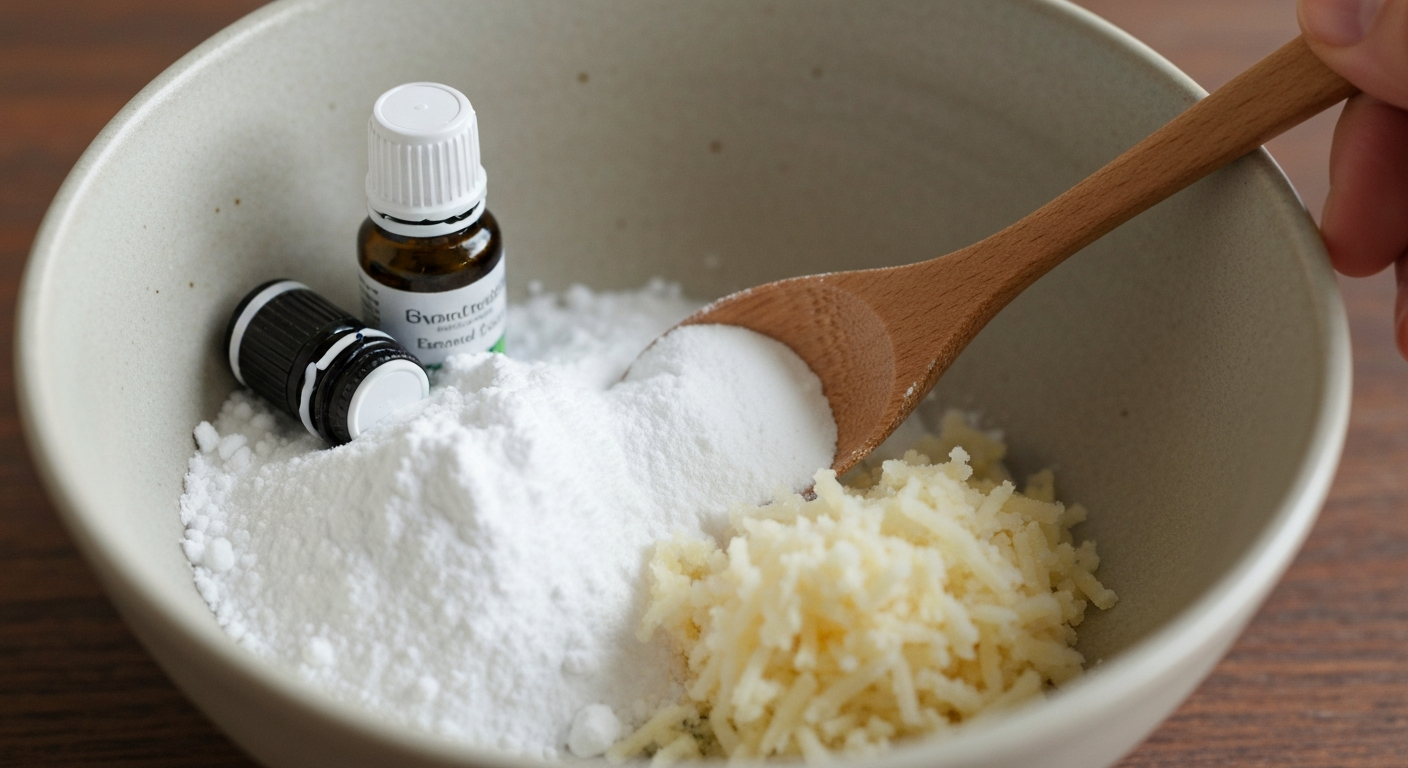
- 4 Esslöffel geraspelte Kernseife (etwa 40g)
- 3 Esslöffel Natron
- 1 Esslöffel Waschsoda
- 2-3 Esslöffel heißes Wasser
- 5-10 Tropfen ätherisches Öl nach Wahl (z.B. Zitrone oder Lavendel)
Geben Sie die trockenen Zutaten in eine Schüssel. Träufeln Sie langsam das heiße Wasser dazu und rühren Sie stetig, bis eine gleichmäßige Paste entsteht. Zum Schluss die ätherischen Öle unterrühren. In ein sauberes Schraubglas füllen.
Wichtiger Hinweis
Tragen Sie bei der Arbeit mit Waschsoda und ätherischen Ölen eventuell Handschuhe. Vermeiden Sie den Kontakt mit Augen und Schleimhäuten. Bewahren Sie die Paste außerhalb der Reichweite von Kindern auf. Testen Sie neue ätherische Öle vorher auf Verträglichkeit.
Wie passt man die Paste für spezielle Bedürfnisse an?
Je nach Schmutzart und Hauttyp können Sie das Rezept optimieren.
Für extrem fettigen Schmutz (Grill, Motoröl)
Erhöhen Sie den Anteil an Kernseife leicht und geben Sie einen halben Teelöffel Zitronensaft oder weißen Essig hinzu. Die Säure hilft beim Lösen von mineralischen Ablagerungen und Ölen. Nach der Reinigung die Hände gut eincremen.
Für empfindliche oder trockene Haut
Ersetzen Sie die Kernseife durch eine milde Olivenölseife. Lassen Sie das Waschsoda weg und erhöhen Sie stattdessen den Natron-Anteil um einen Esslöffel. Geben Sie einen Teelöffel Mandel- oder Jojobaöl in die Paste. Das pflegt die Haut während der Reinigung.
„Nachhaltigkeit im Haushalt beginnt mit den Basics. Selbstgemachte Reinigungsmittel wie Handpaste reduzieren nicht nur Müll, sondern schaffen auch ein Bewusstsein für Inhaltsstoffe und ihren Ursprung.“
Paste mit Peeling-Effekt
Für sehr hartnäckigen, eingetrockneten Schmutz geben Sie einen Esslöffel fein gemahlene Haferflocken oder Maismehl hinzu. Diese Partikel schrubben sanft, ohne die Haut zu verletzen. Ideal nach Gartenarbeiten mit Erde.
Zusätzlicher Rat
Nutzen Sie für die Herstellung und Aufbewahrung der Paste wiederverwendbare Gefäße. Ein leeres Gurkenglas eignet sich perfekt. Für unterwegs füllen Sie eine kleine Menge in eine Metalldose um. So bleiben Sie auch auf dem Campingplatz oder im BBQ + Räucherei-Einsatz nachhaltig.
Anwendung und Aufbewahrung der DIY-Paste
Nehmen Sie eine erbsengroße Menge Paste auf die leicht angefeuchteten Handflächen. Verreiben Sie sie gründlich über alle Finger, Nägel und Zwischenräume. Bei starkem Schmutz kurz einwirken lassen. Anschließend mit warmem Wasser abspülen.
Spülen Sie die Hände gründlich ab, um alle Paste-Reste zu entfernen. Trocknen Sie sie sorgfältig ab. Bei regelmäßiger Anwendung empfiehlt sich eine gute Handcreme.
Bewahren Sie die Paste in einem gut verschließbaren Glas an einem trockenen Ort auf. Nicht in der prallen Sonne lagern. So ist sie mehrere Monate haltbar.
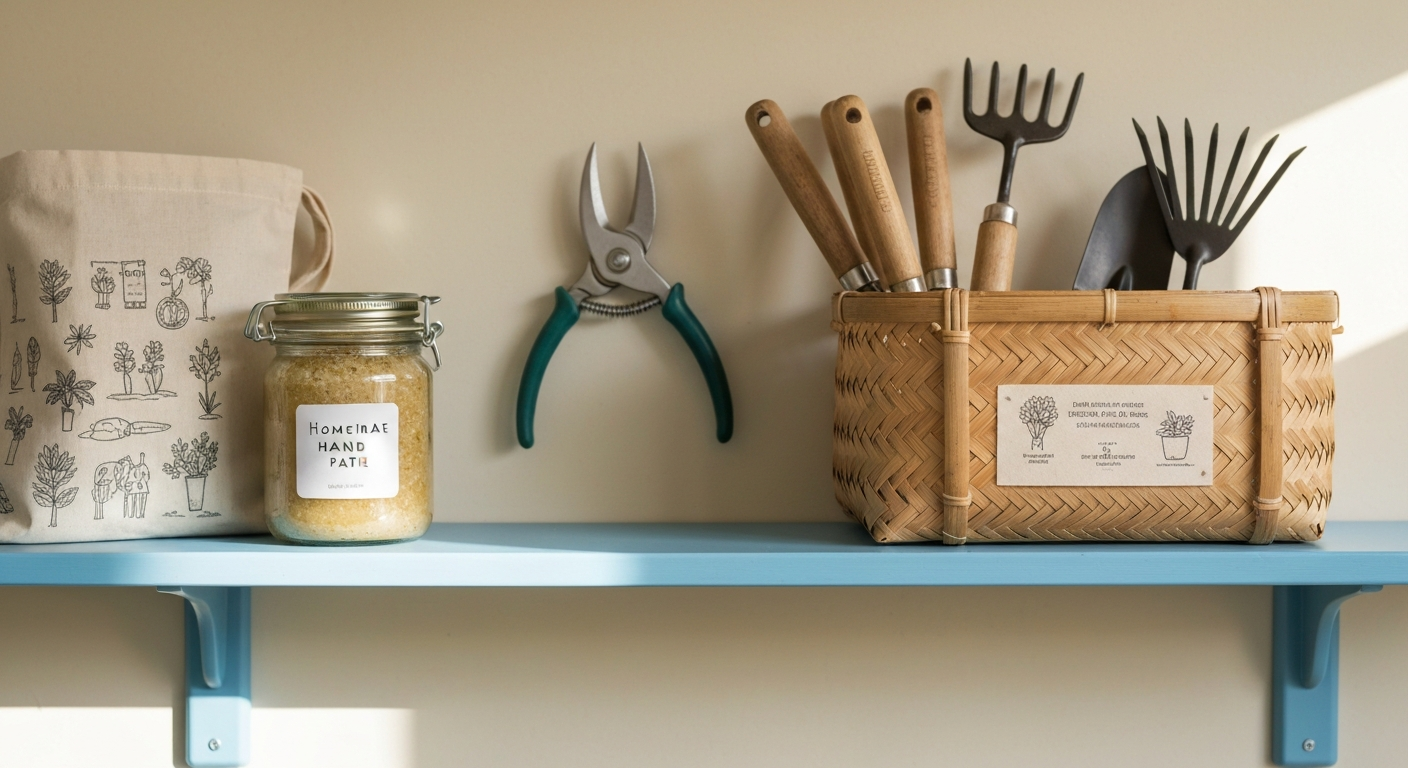
Nachhaltigkeit über die Paste hinaus: Zero Waste Tipps
Die selbstgemachte Handwaschpaste ist ein erster Schritt. Integrieren Sie weitere nachhaltige Praktiken.
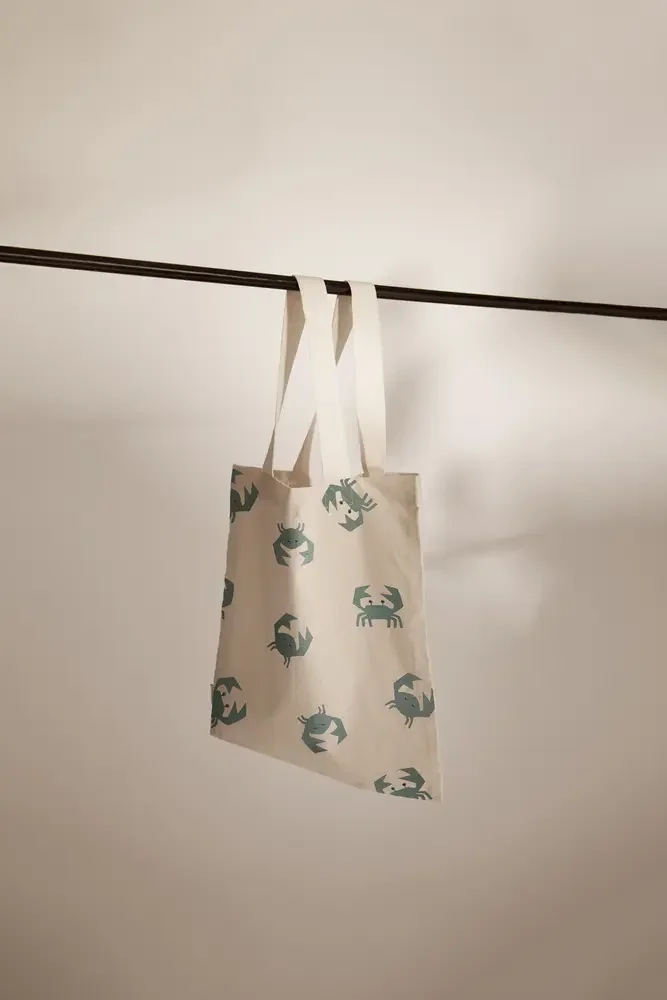
Verwenden Sie für den Einkauf der Zutaten und für andere Besorgungen immer eine wiederverwendbare Tasche. Die
Für alle, die nicht selbst mischen möchten oder eine professionelle Alternative suchen, bietet sich die
an. Sie ist eine feine, gebrauchsfertige Handwaschpaste.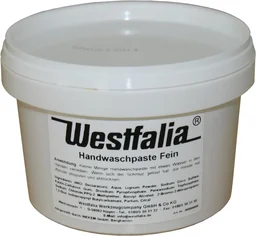
Denken Sie auch an andere Bereiche: Im Gartenwerkzeuge-Sortiment finden Sie langlebige, reparierbare Geräte. Langlebigkeit ist ein Kernprinzip von Zero Waste.
Fazit: Einfach, effektiv und gut für die Umwelt
Handwaschpaste selbst herzustellen, ist in zehn Minuten erledigt. Sie gewinnen ein effektives Reinigungsmittel, das ohne bedenkliche Chemie auskommt. Sie sparen Verpackungsmüll und langfristig Geld.
Experimentieren Sie mit den Rezepten. Finden Sie Ihre persönliche Mischung für saubere und gepflegte Hände nach jeder Garten-, Werkstatt- oder Outdoor-Aktivität. Ein kleiner Beitrag zu einem nachhaltigeren Haushalt mit großer Wirkung.
Häufige Fragen
- Was ist der Vorteil von selbstgemachter Handwaschpaste gegenüber gekaufter?
- Selbstgemachte Paste enthält keine synthetischen Duftstoffe, Konservierungsmittel oder Mikroplastik. Sie kennen alle Inhaltsstoffe, sparen Verpackungsmüll und Geld. Die Paste ist hochkonzentriert, ergiebig und lässt sich individuell anpassen, zum Beispiel mit speziellen ätherischen Ölen für die Hautpflege.
- Kann ich Handwaschpaste auch für empfindliche Haut verwenden?
- Ja, passen Sie das Rezept an. Verwenden Sie milde, unparfümierte Kernseife oder Olivenölseife. Reduzieren Sie den Anteil an Waschsoda, da es austrocknen kann. Stattdessen mehr Natron nutzen. Geben Sie beruhigende Zusätze wie Haferflockenmehl oder einen Teelöffel Mandelöl hinzu. Testen Sie die Paste zunächst an einer kleinen Hautstelle.
- Wie lange ist selbstgemachte Handwaschpaste haltbar?
- In einem gut verschlossenen Glas hält die Paste mehrere Monate. Verwenden Sie saubere, trockene Utensilien zur Entnahme, um Keimbildung zu vermeiden. Rezepte mit frischen Zutaten wie Zitronensaft oder Gurke verkürzen die Haltbarkeit auf etwa zwei Wochen. Bewahren Sie die Paste trocken und nicht in direkter Sonne auf.
- Entfernt die DIY-Paste auch Öl- und Fettflecken von den Händen?
- Absolut. Die Kombination aus fettlösender Kernseife, dem leicht scheuernden Natron und entfettendem Waschsoda löst selbst eingebranntes Grillfett, Motoröl oder Farbflecke. Verreiben Sie die Paste gründlich und lassen Sie sie bei starken Verschmutzungen kurz einwirken. Nachspülen mit warmem Wasser verstärkt den Fettlöseeffekt.
- Wo bewahre ich die Paste am besten auf und wie wende ich sie an?
- Nutzen Sie ein verschließbares Schraubglas oder eine Dose. Stellen Sie es neben das Waschbecken in der Werkstatt, Garage oder im Gartenhaus. Nehmen Sie eine erbsengroße Menge, verreiben Sie sie auf feuchten Händen wie normales Seifenstück. Gründlich abspülen. Die Paste trocknet an der Luft nicht aus.
Das könnte Sie auch interessieren
- Reinigungsmittel selber machen: Nachhaltig und günstig putzen
- Nachhaltige Hausmittel: Drogerieprodukte selbst ersetzen
- Fingerfarben selber machen: Ungiftig und einfach basteln
- Kerzenreste upcyceln: Nachhaltige DIY-Ideen für Zuhause
- Ökologischer Fensterreiniger selber machen
- DIY: Wie Sie nachhaltig leben und Geld sparen durch Selbermachen im Haus?