
Kurz erklärt: Ihre Heizkostenabrechnung gliedert sich in Grundkosten (30-50%) und Verbrauchskosten (50-70%). Prüfen Sie Ablesewerte, Heizkostenverteiler und den Abrechnungszeitraum. Sparen Sie sofort durch richtiges Lüften, Entlüften der Heizkörper und das Senken der Nachttemperatur. Langfristig helfen Dämmung und moderne Thermostate.
Heizkostenabrechnung verstehen: So sparen Sie richtig
Die jährliche Heizkostenabrechnung sorgt oft für Fragen. Wir erklären, wie Sie die Posten lesen, Fehler erkennen und Ihre Kosten dauerhaft senken. Mit praktischen Tipps für sofortige und langfristige Maßnahmen.
Wie lese ich meine Heizkostenabrechnung?
Ihre Abrechnung unterteilt sich in zwei Hauptblöcke. Der erste zeigt die Gesamtkosten für Wärme und Warmwasser des Gebäudes. Der zweite Block legt diese Kosten auf die einzelnen Wohnungen um.
Schauen Sie auf die Verteilungsschlüssel. Heizkosten bestehen zu 30 bis 50 Prozent aus Grundkosten. Diese werden nach Wohnfläche verteilt. Die verbleibenden 50 bis 70 Prozent sind verbrauchsabhängige Kosten.
Für diese Verbrauchskosten sind die Heizkostenverteiler an Ihren Radiatoren entscheidend. Prüfen Sie, ob die Gerätenummern in der Abrechnung mit den Nummern an Ihren Heizkörpern übereinstimmen.
„Die verbrauchsabhängige Abrechnung ist gesetzlich vorgeschrieben. Sie schafft Transparenz und ist der größte Hebel fürs Sparen. Jeder kann direkt sehen, wie sich sein Verhalten auf die Kosten auswirkt.“
Diese Posten sollten Sie prüfen
Vergleichen Sie Ihre eigenen Ablesewerte mit den in der Abrechnung genannten Zahlen. Notieren Sie die Werte Ihrer Heizkostenverteiler einmal jährlich selbst.
Kontrollieren Sie den Abrechnungszeitraum. Stimmen Beginn und Ende mit dem Kalenderjahr überein? Achten Sie auf Umlageschlüssel für Heizung und Warmwasser. Sie können unterschiedlich sein.
Wichtiger Hinweis
Sie haben eine Frist von zwölf Monaten, um Ihre Heizkostenabrechnung zu beanstanden. Diese Frist beginnt mit dem Zugang der Abrechnung. Bei offensichtlichen Fehlern wenden Sie sich schriftlich an Ihren Vermieter oder die Verwaltung.
Warum sind meine Heizkosten so hoch?
Hohe Kosten haben oft mehrere Ursachen. Ein veralteter Heizkessel arbeitet ineffizient. Ungedämmte Heizungsrohre im Keller verlieren Wärme. Ein fehlender hydraulischer Abgleich führt zu einer ungleichmäßigen Wärmeverteilung im Haus.
Das eigene Nutzungsverhalten spielt eine große Rolle. Dauerhaft gekippte Fenster im Winter heizen die Straße mit. Heizkörper, die durch Möbel oder lange Vorhänge verdeckt sind, geben Wärme nicht richtig ab.
Auch die Art der Abrechnung beeinflusst die Höhe. In Häusern mit vielen Altmietern oder geringer Modernisierung fallen die Gesamtkosten oft höher aus. Ihre verbrauchsabhängigen Anteile steigen dann mit.
Versteckte Kostenfaktoren identifizieren
Luft in der Heizung ist ein klassischer Kostenfaktor. Gluckert ein Heizkörper, zirkuliert das Heizwasser nicht optimal. Der Heizkörper wird nicht ganz warm, obwohl das Thermostat voll aufgedreht ist.
Undichte Fenster und Türen lassen Wärme entweichen. Zugluft zwingt Sie, die Thermostate höher zu drehen. Alte, nicht programmierbare Thermostate regeln die Temperatur nicht präzise.
Die Nachtabsenkung der Heizungsanlage ist oft nicht optimal eingestellt. Sie läuft nachts mit zu hoher Vorlauftemperatur. Das verbraucht unnötig Energie.
Wie kann ich sofort Heizkosten sparen?
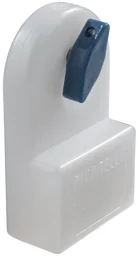
Beginnen Sie mit dem Entlüften Ihrer Heizkörper. Dafür benötigen Sie einen Entlüftungsschlüssel und ein Gefäß. Drehen Sie die Heizungspumpe ab. Öffnen Sie das Ventil am Heizkörper, bis nur noch Wasser austritt.
Unser macht das Entlüften besonders einfach und schnell. Sie sparen sofort Energie, weil die Heizkörper wieder ihre volle Leistung bringen.
Profi-Tipp
Lüften Sie richtig. Drehen Sie die Thermostate an den Heizkörpern während des Lüftens auf die Frostschutzstellung (Sternchen). Öffnen Sie die Fenster für fünf Minuten komplett. So tauschen Sie die Luft aus, ohne die Wände auskühlen zu lassen.
Senken Sie die Raumtemperatur. Jedes Grad weniger spart etwa sechs Prozent Heizkosten. In Wohnräumen reichen 20 bis 21 Grad. Im Schlafzimmer sind 16 bis 18 Grad ausreichend.
Nutzen Sie die Nachtabsenkung. Moderne Thermostate regeln diese automatisch. Stellen Sie die Temperatur in der Nacht und bei Abwesenheit konsequent ab.
Praktische Maßnahmen für den Alltag
Rollen Sie lange Vorhänge zurück. Stellen Sie große Möbelstücke nicht direkt vor die Heizkörper. Die Wärme muss frei in den Raum zirkulieren können.
Dichten Sie undichte Fensterrahmen ab. Spezielles Dichtungsband aus dem Baumarkt hilft gegen Zugluft. Schließen Sie nachts Rollläden und Vorhänge. Sie bilden eine zusätzliche Isolierschicht.
Entstauben Sie Ihre Heizkörper regelmäßig. Eine dicke Staubschicht wirkt isolierend. Die Wärmeabgabe verringert sich. Im Garten + Outdoor-Bereich finden Sie nützliches Zubehör für die Hauspflege.
„Bis zu 15 Prozent der Heizenergie gehen über ungedämmte Heizungs- und Warmwasserrohre verloren. Eine einfache Dämmung der Rohre im Keller amortisiert sich oft in einer Heizperiode.“
Welche langfristigen Investitionen lohnen sich?
Programmierbare Thermostate sind eine sinnvolle Investition. Sie steuern die Temperatur nach Zeitplan. Sie senken die Heizung automatisch, wenn Sie schlafen oder außer Haus sind.
Reflektierende Folien hinter den Heizkörpern lenken die Wärme in den Raum. Sie verhindern, dass Energie in die Außenwand geht. Die Montage ist einfach und der Effekt sofort spürbar.
Ein hydraulischer Abgleich durch einen Heizungsinstallateur optimiert das gesamte System. Jeder Heizkörper erhält genau die Wassermenge, die er benötigt. Das spart Pumpenenergie und gleicht Temperaturunterschiede aus.
Zusätzlicher Rat
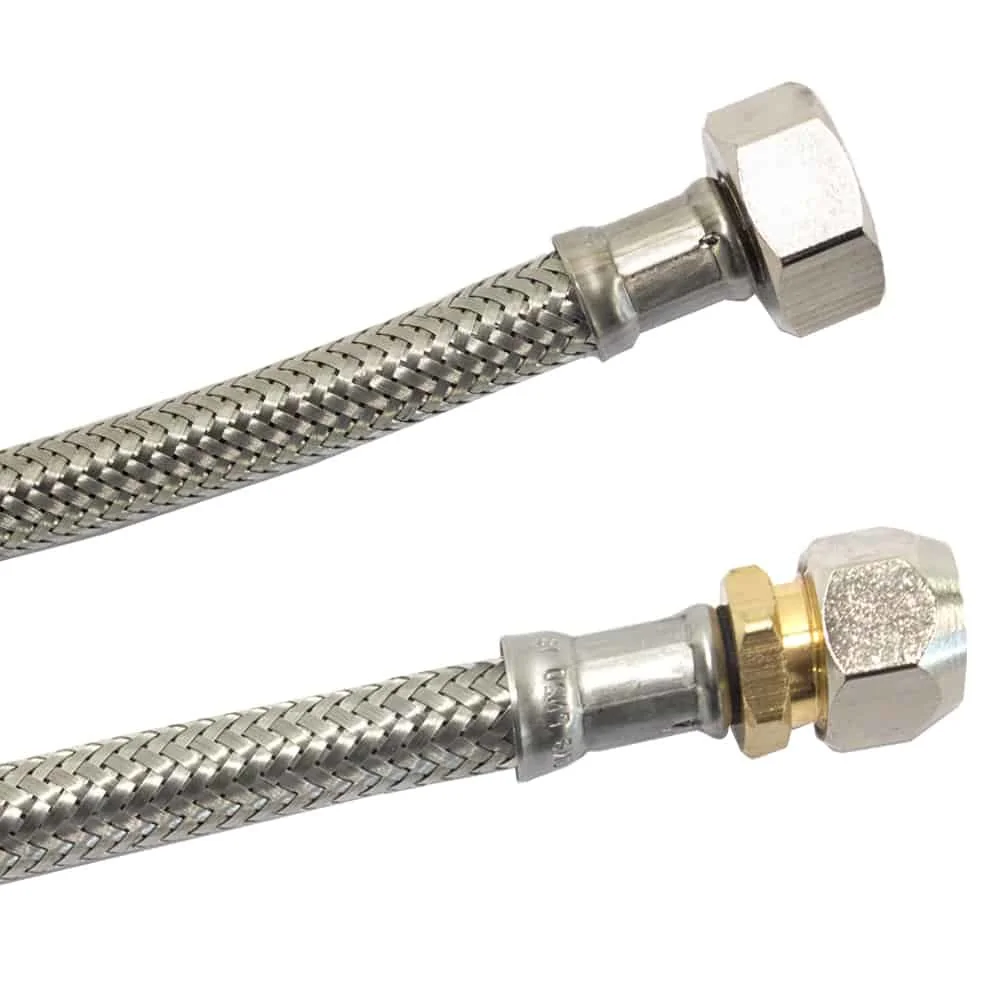
Für die Isolierung von Rohren im Keller oder unbeheizten Räumen eignen sich geeignete Schläuche und Dämmmaterial. Unser , ein Panzerschlauch aus Edelstahl, ist trinkwassergeeignet und für viele Anwendungen robust einsetzbar.
Dämmung und moderne Technik
Die Dämmung der obersten Geschossdecke oder des Kellers ist eine große, aber lohnende Maßnahme. Sie reduziert den Wärmeverlust erheblich. Staatliche Förderungen unterstützen solche Investitionen.
Moderne Brennwertkessel nutzen die Abgaswärme. Sie arbeiten deutlich effizienter als alte Standardkessel. Der Austausch ist eine der wirksamsten Maßnahmen zur Heizkostensenkung.
Für Heizungs- und Gartenarbeiten finden Sie passendes Zubehör wie Schläuche und Verbindungsstücke in unserer Kategorie Schläuche.
Wie schütze ich meine Heizungsanlage im Freien?
Heizungs- und Wasserrohre in unbeheizten Gartenhäusern oder Garagen müssen vor Frost geschützt werden. Isolierschläuche verhindern das Einfrieren. Entleeren Sie nicht genutzte Leitungen vor dem Winter.
Frostwächter für Technikräume schalten sich automatisch ein. Sie halten die Temperatur knapp über dem Gefrierpunkt. Das schützt die Anlage ohne großen Energieaufwand.
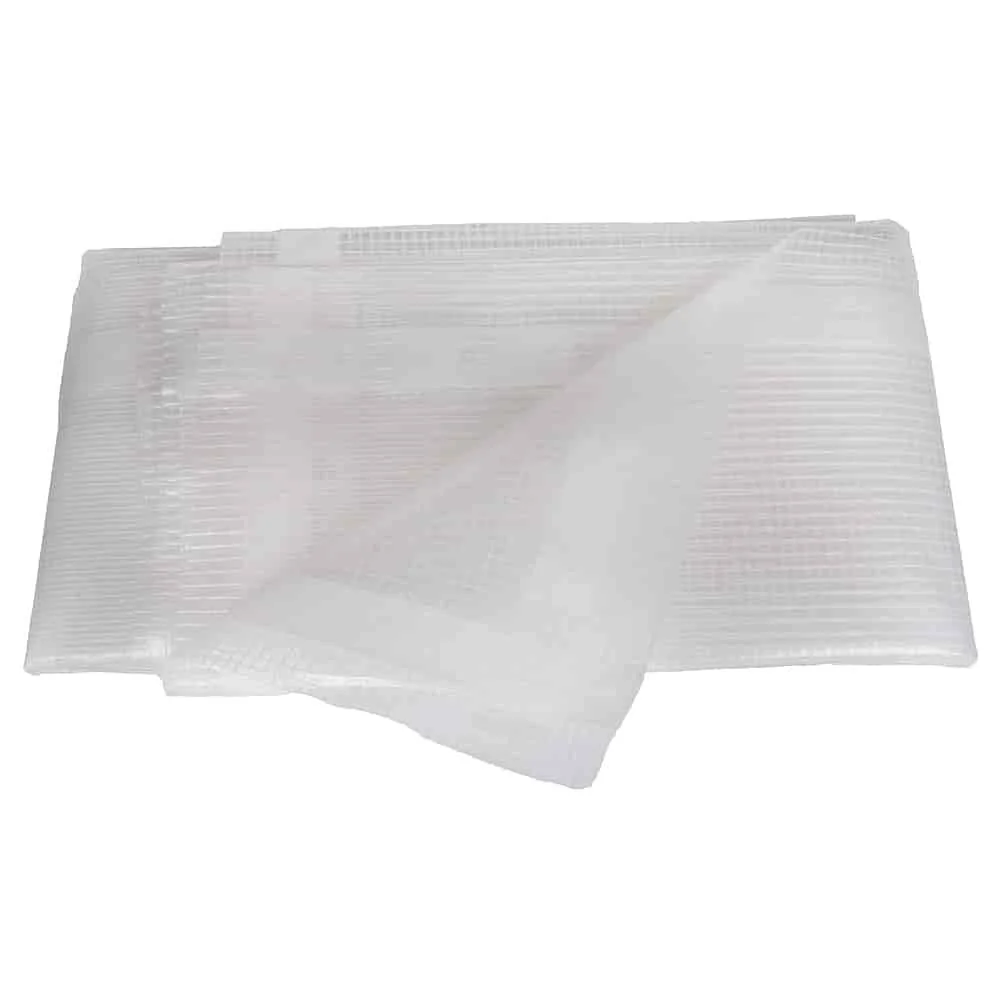
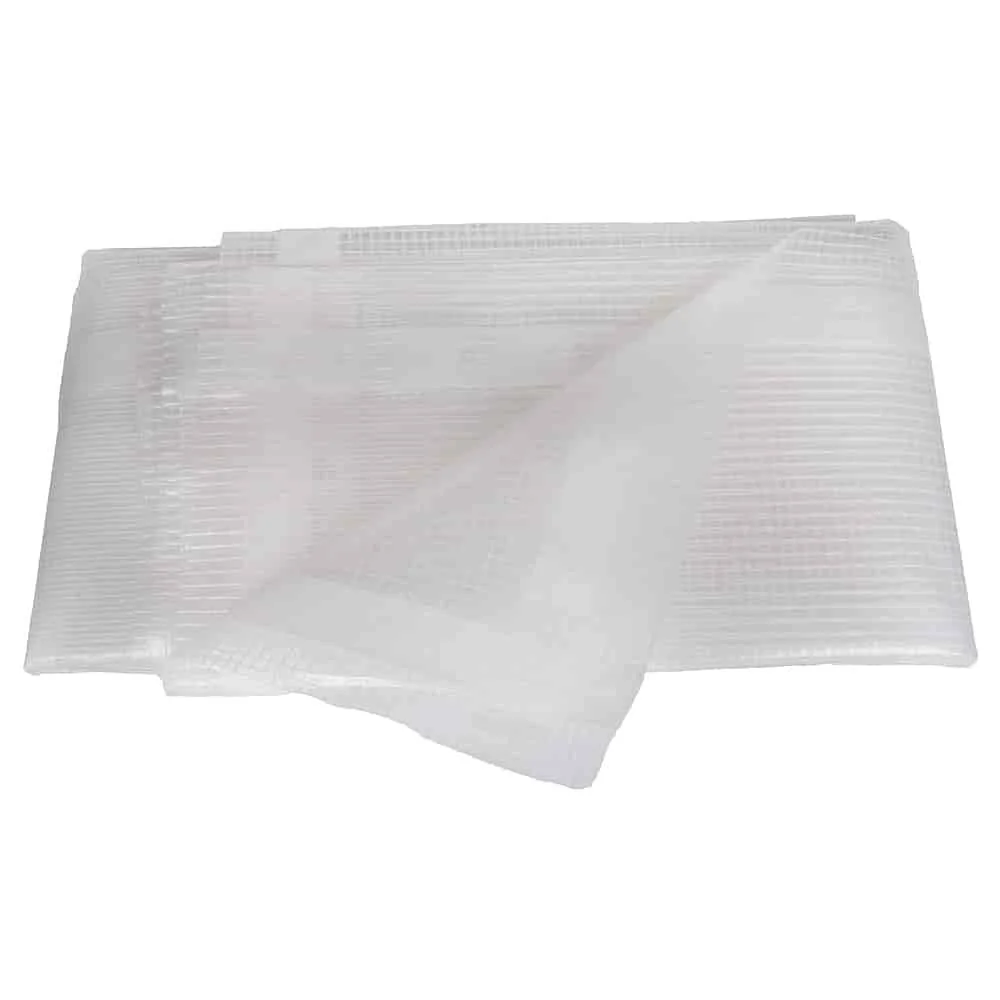
Für die Abdeckung von Außeneinheiten oder Lagerbereichen eignen sich stabile Planen. Unsere transparenten Abdeckplanen , und sind reißfest, UV-beständig und wasserdicht. Sie schützen Equipment im Garten zuverlässig.
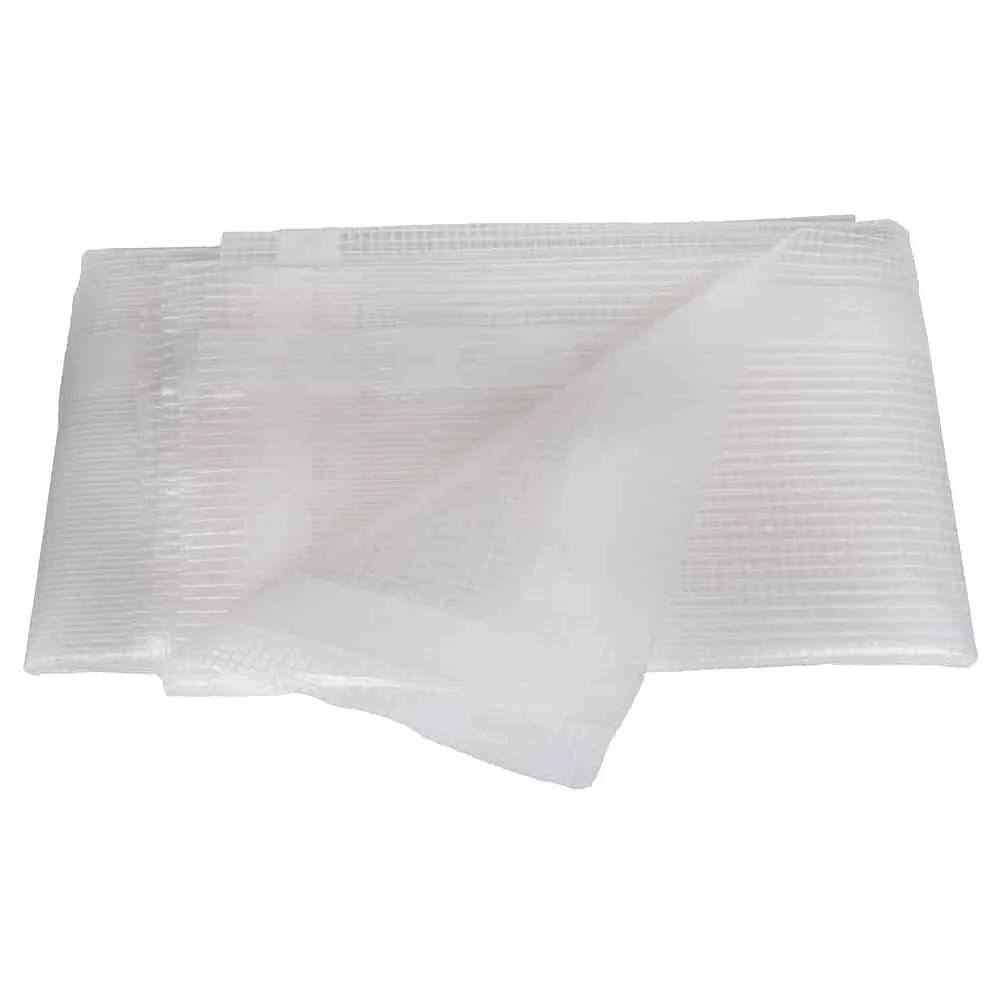
Vorbereitung auf die Heizperiode
Lassen Sie Ihre Heizungsanlage regelmäßig warten. Ein Fachmann reinigt den Brenner, prüft den Abgasweg und optimiert die Einstellungen. Das sichert die Effizienz und beugt teuren Reparaturen vor.
Prüfen Sie den Druck im Heizungssystem. Die Anzeige am Manometer sollte im grünen Bereich liegen. Bei zu niedrigem Druck müssen Sie Heizungswasser nachfüllen.
Stellen Sie die Heizkörper im Sommer nicht komplett ab. Lassen Sie sie auf der Frostschutzstellung. Das verhindert Korrosion im Inneren des Systems.
Heizkosten sparen im Smart Home
Smarte Heizungssteuerung beginnt mit funkgesteuerten Thermostaten. Sie steuern jeden Heizkörper einzeln von unterwegs per App. Das System lernt Ihre Gewohnheiten und passt die Heizzeiten an.
Fensterkontakte ergänzen das System ideal. Öffnen Sie ein Fenster, schaltet der Kontakt automatisch die Heizung in diesem Raum ab. So geht keine Energie verloren.
Integrationen mit Wetterdiensten sind möglich. Die Heizung reagiert auf fallende Außentemperaturen, bevor es im Raum kühl wird. Das hält den Komfort hoch und vermeidet Spitzenlasten.
Energiemonitoring nutzen
Moderne Systeme zeigen Ihren Verbrauch in Echtzeit an. Sie sehen sofort, welche Maßnahmen wirken. Die Daten helfen, das Nutzungsverhalten weiter zu optimieren.
Alarme warnen vor offenen Fenstern bei eingeschalteter Heizung. Sie melden ungewöhnlich hohen Verbrauch. Das schärft Ihr Bewusstsein für Energiefresser.
Die Steuerung lässt sich mit anderen Geräten kombinieren. Senken Sie beim Start des Home-Cinema die Heizung im Wohnzimmer. Die Beleuchtung dimmt sich automatisch. So entsteht ein rundes, effizientes Gesamtsystem.
Für alle Projekte rund um Haus und Garten finden Sie die passenden Produkte und mehr Inspiration in unserem umfangreichen Shop.
Häufige Fragen
- Wie setzen sich die Heizkosten in der Abrechnung zusammen?
- Die Heizkosten setzen sich aus Grundkosten (30-50%) und Verbrauchskosten (50-70%) zusammen. Die Grundkosten decken Fixkosten wie Wartung und sind oft nach Wohnfläche verteilt. Die Verbrauchskosten basieren auf den Ablesewerten Ihrer Heizkörper. Ein geringerer Verbrauch senkt direkt diesen Posten.
- Was kann ich tun, wenn meine Heizkostenabrechnung zu hoch ist?
- Prüfen Sie zunächst die Ablesewerte und den Abrechnungszeitraum auf Fehler. Kontrollieren Sie, ob alle Heizkörper korrekt entlüftet sind. Ein hydraulischer Abgleich durch einen Fachmann optimiert die Wärmeverteilung. Senken Sie die Raumtemperatur um 1 Grad, das spart etwa 6 Prozent Energie.
- Wie spare ich Heizkosten, ohne zu frieren?
- Senken Sie die Nachttemperatur auf 16-18 Grad. Stoßlüften Sie mehrmals täglich für 5 Minuten bei geschlossenen Thermostaten. Entlüften Sie gluckernde Heizkörper. Nutzen Sie programmierbare Thermostate. Dichten Sie undichte Fenster ab. Diese Maßnahmen senken den Verbrauch, nicht den Komfort.
- Muss ich meine Heizkostenabrechnung prüfen?
- Ja, eine Prüfung ist essenziell. Kontrollieren Sie Ihre eigenen Ablesewerte, die Heizkostenverteiler-Nummern und die umgelegten Gesamtkosten. Fehler bei der Übertragung oder Verteilung kommen vor. Bei Unklarheiten fordern Sie eine verbrauchsabhängige Aufschlüsselung vom Vermieter oder der Hausverwaltung ein.
- Welche Produkte helfen mir, Heizkosten zu sparen?
- Ein Heizkörperentlüfter beseitigt Luft in der Heizung. Programmierbare Thermostate steuern die Temperatur bedarfsgerecht. Dichtungsband für Fenster verhindert Zugluft. Reflektierende Folien hinter Heizkörpern lenken Wärme in den Raum. Diese Produkte finden Sie im Shop.
Das könnte Sie auch interessieren
- Heizkosten verstehen: Der Heizspiegel für effizientes Heizen
- Heizkosten reduzieren: Effektive Tipps zum Energie sparen
- Richtig heizen & Energie sparen: Tipps für Ihr Zuhause
- Heizkosten sparen: So stellen Sie Ihr Thermostat richtig ein
- Heizkosten senken: Heizkörper richtig entlüften und heizen
- Heizkörperthermostat wechseln und Heizkosten senken