
Kurz erklärt: Für ein großes Hochbeet planen Sie zuerst den sonnigen, ebenen Standort und die passende Größe (max. 1,40 m breit). Wählen Sie langlebiges Material wie Lärchenholz oder Stahl. Bauen Sie einen stabilen Rahmen, kleiden Sie ihn innen mit einem Wühlmausgitter und Folie aus und befüllen Sie ihn in Schichten: unten grober Schnitt, dann Gartenabfälle, Kompost und oben Pflanzerde.
Warum lohnt sich ein großes Hochbeet?
Ein Hochbeet ist mehr als nur ein Kasten mit Erde. Ein großes Hochbeet ist eine Investition in Ihre gärtnerische Effizienz und Freude. Sie ernten mehr auf kleinerer Fläche, da die Nährstoffdichte und Bodentemperatur optimal sind. Die erhöhte Arbeitsposition schont Ihren Rücken und macht das Jäten und Ernten zum Vergnügen. Schädlinge wie Schnecken haben es schwerer, Ihre Pflanzen zu erreichen. Zudem erwärmt sich die Erde im Frühjahr schneller, was Ihnen einen deutlichen Startvorteil im Gartenjahr verschafft.
Wie plane ich mein großes Hochbeet richtig?
Eine gute Planung ist die Grundlage für ein langlebiges und ertragreiches Hochbeet. Nehmen Sie sich Zeit für die Standortwahl, die Dimensionierung und die Materialentscheidung. Diese Faktoren bestimmen nicht nur die Optik, sondern auch die Funktionalität und den Pflegeaufwand für die kommenden Jahre.
Der perfekte Standort
Die meisten Gemüsesorten und Kräuter sind Sonnenanbeter. Wählen Sie einen Standort, der mindestens sechs, besser acht Stunden direkte Sonneneinstrahlung pro Tag erhält. Eine Nord-Süd-Ausrichtung des Beetes sorgt für eine gleichmäßige Besonnung der Pflanzen. Achten Sie zudem auf einen Wasseranschluss in der Nähe. Das Tragen schwerer Gießkannen über weite Strecken wird schnell mühsam. Ein ebener Untergrund erleichtert den Aufbau erheblich und sorgt für Stabilität.
Die richtige Größe und Form
Die Höhe bestimmen Sie nach Ihrer Körpergröße. Eine Arbeitshöhe von 80 bis 100 cm ist für die meisten Gärtner ideal. Die entscheidende Variable ist die Breite. Machen Sie Ihr Beet nicht breiter als 120 bis 140 cm. So erreichen Sie die Mitte bequem von beiden Seiten, ohne die Erde betreten und verdichten zu müssen. Bei der Länge sind Ihnen kaum Grenzen gesetzt. Für sehr große Flächen eignen sich auch L- oder U-förmige Konstruktionen, die den Raum optimal nutzen und kurze Wege schaffen.
Welches Material ist das Beste?
Das Material prägt nicht nur das Aussehen, sondern auch die Haltbarkeit und den Pflegeaufwand Ihres Hochbeets.
- Holz: Der Klassiker. Langlebige Hölzer wie Lärche, Douglasie oder Robinie halten viele Jahre ohne chemische Behandlung. Sie isolieren gut und fügen sich natürlich in den Garten ein. Günstigere Nadelhölzer sollten Sie zum Schutz vor Fäulnis von innen mit einer Folie auskleiden.
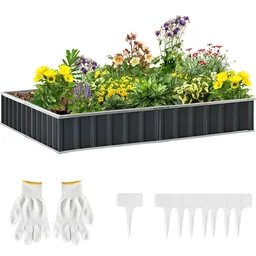
- Metall: Verzinkter Stahl, Cortenstahl oder Aluminium sind extrem haltbar und pflegeleicht. Sie verleihen dem Garten einen modernen Look. Bedenken Sie, dass sich Metall in der prallen Sonne stark aufheizen kann, was eine gute Gartenbewässerung erfordert. Ein Bausatz wie das aus Stahl ist eine stabile und langlebige Option.
- Stein oder Ziegel: Mauern aus Stein oder Ziegel sind eine Anschaffung fürs Leben. Sie speichern die Tageswärme und geben sie nachts wieder ab, was ein ausgeglichenes Mikroklima schafft. Der Aufbau ist jedoch aufwendig und kostenintensiv.
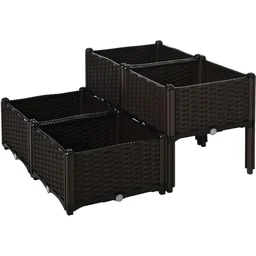
- Kunststoff: Moderne Hochbeete aus recyceltem Kunststoff sind leicht, witterungsbeständig und verrotten nicht. Modulare Systeme wie das in Rattan-Optik lassen sich flexibel an Ihre Bedürfnisse anpassen und einfach montieren.
Ein Hochbeet ist im Grunde ein großer Komposter, der obenauf eine Pflanzschicht hat. Die Verrottung im Inneren erzeugt Wärme und liefert kontinuierlich Nährstoffe.
Schritt-für-Schritt-Anleitung: Das Hochbeet selber bauen
Mit der richtigen Vorbereitung und solidem Werkzeug bauen Sie Ihr großes Hochbeet an einem Wochenende auf. Gehen Sie systematisch vor, dann steht einer reichen Ernte nichts im Wege.
Vorbereitung und Fundament
Stecken Sie die Grundfläche Ihres Beetes genau ab. Heben Sie an dieser Stelle die Grasnarbe ab und lockern Sie den Boden darunter etwas auf. Dies verbessert den Kontakt zum Erdreich und fördert das Bodenleben. Legen Sie als unterste Schicht ein engmaschiges Drahtgitter (Wühlmausgitter) aus. Befestigen Sie es an den Innenseiten der ersten Rahmenreihe, um Nagetieren den Zugang von unten zu verwehren. Dieser Schritt ist unverzichtbar.
Der Rahmenbau (am Beispiel Holz)
Für einen Holzrahmen benötigen Sie stabile Kanthölzer für die Ecken und dicke Bretter oder Bohlen für die Wände. Verschrauben Sie die Bretter von innen mit den Eckpfosten. Verwenden Sie Edelstahlschrauben, um Rost zu vermeiden. Bei Hochbeeten, die länger als zwei Meter sind, sollten Sie in der Mitte zusätzliche senkrechte Pfosten oder Querstreben zur Stabilisierung einplanen, um ein Ausbauchen durch den Erddruck zu verhindern. Präzises Arbeiten mit hochwertigen Gartenwerkzeugen zahlt sich hier aus.
Wichtiger Hinweis
Verwenden Sie für den inneren Anstrich oder die Auskleidung nur Materialien, die keine Schadstoffe an die Erde abgeben. Ihre Gemüsepflanzen nehmen diese sonst auf. Unbehandeltes, langlebiges Holz oder eine schadstofffreie Teich- oder Noppenfolie sind die sicherste Wahl.
Schutz von innen: Auskleiden und Isolieren
Tackern Sie an den Innenwänden eine Noppenfolie oder eine robuste Teichfolie fest. Die Noppen sollten dabei zum Holz zeigen, damit die Luft zirkulieren kann und das Holz nicht fault. Die Folie schützt das Material vor der ständigen Feuchtigkeit aus dem Erdreich. Lassen Sie die Folie unten offen oder versehen Sie sie mit einigen Löchern, damit überschüssiges Wasser abfließen kann und keine Staunässe entsteht.
Wie befülle ich ein Hochbeet richtig? Der Schichtaufbau
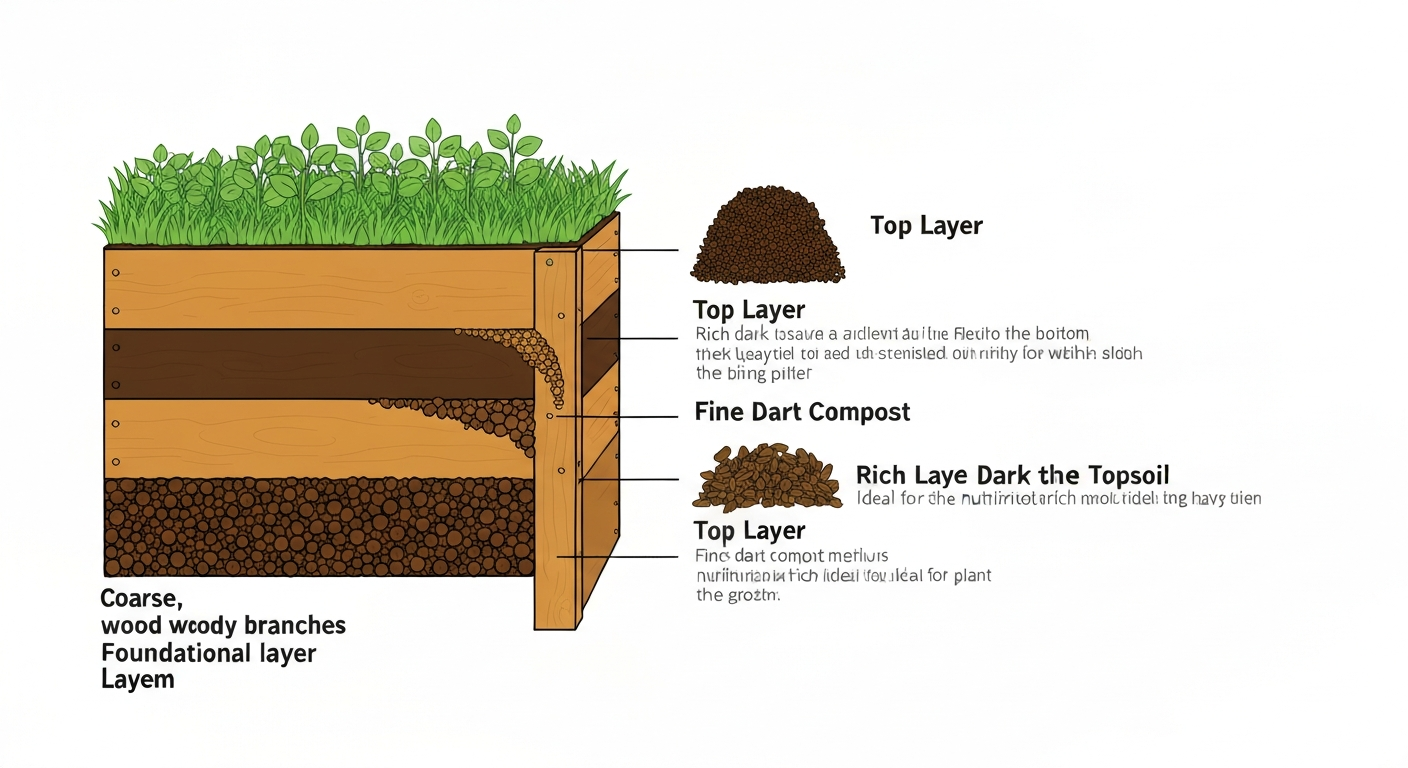
Das Geheimnis des Hochbeets liegt in seinem inneren Aufbau. Die Schichten aus unterschiedlichen organischen Materialien funktionieren wie ein Komposthaufen. Durch die Verrottung entstehen Wärme und Nährstoffe, die Ihren Pflanzen einen Wachstumsvorsprung verschaffen.
- Schicht 1 (ca. 25 cm): Drainage. Ganz unten kommt grobes Material wie Äste, Zweige und Holzschnitt hinein. Diese Schicht sorgt für eine gute Belüftung und verhindert Staunässe.
- Schicht 2 (ca. 20 cm): Füllmaterial. Darauf legen Sie umgedrehte Grassoden, Laub, dünne Äste oder gehäckselten Strauchschnitt. Dieses Material dient als „Heizung“, wenn es zu verrotten beginnt.
- Schicht 3 (ca. 20 cm): Kompost. Nun folgt eine Schicht aus halbreifem Kompost oder angerottetem Stallmist. Sie ist der Hauptnährstofflieferant für die ersten Jahre.
- Schicht 4 (ca. 30 cm): Pflanzerde. Die oberste Schicht besteht aus einer Mischung aus feinem, reifem Kompost und hochwertiger Gartenerde. Hier pflanzen Sie Ihr Gemüse an. Ein Gartenvlies kann als Trennschicht zwischen Kompost- und Pflanzschicht dienen, um eine Vermischung zu verhindern.
Profi-Tipp
Mischen Sie der obersten Erdschicht etwas Bentonit (Tonmehl) oder Perlite bei. Bentonit verbessert die Wasser- und Nährstoffspeicherfähigkeit des Bodens, während Perlite für eine bessere Durchlüftung sorgt und Staunässe verhindert. So schaffen Sie optimale Bedingungen für die Wurzeln.
Die erste Bepflanzung und Pflege
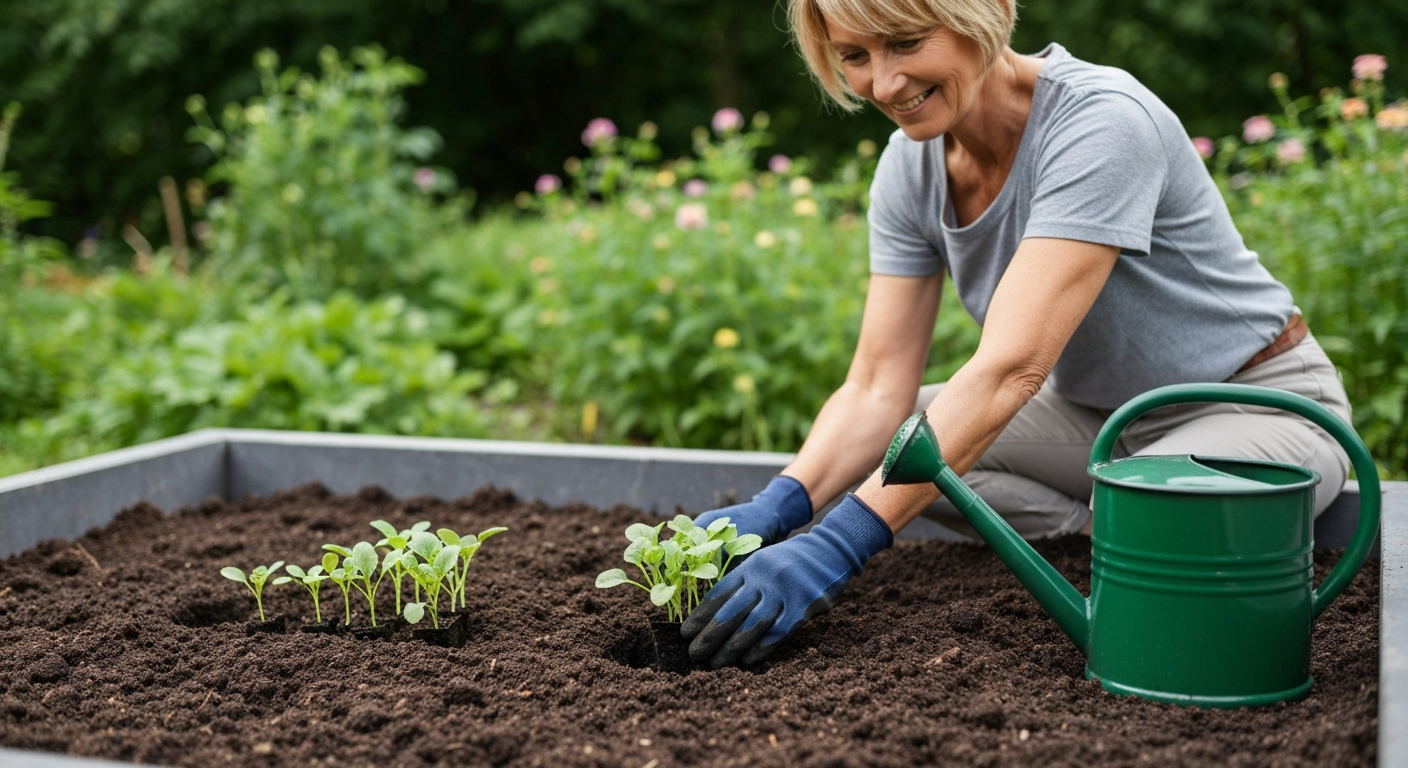
Ein frisch angelegtes Hochbeet ist eine Nährstoffbombe. Nutzen Sie dies für einen maximalen Ertrag, indem Sie die Bepflanzung strategisch planen.
Starkzehrer, Mittelzehrer, Schwachzehrer
Pflanzen haben unterschiedliche Nährstoffbedürfnisse. Beginnen Sie im ersten Jahr mit Starkzehrern, die den hohen Nährstoffgehalt lieben. Dazu gehören Tomaten, Gurken, Zucchini, Kürbis, Kartoffeln und Kohl. In den Jahren zwei und drei, wenn das Nährstoffangebot nachlässt, folgen Mittelzehrer wie Karotten, Zwiebeln, Salat und Mangold. Ab dem vierten Jahr ist das Beet ideal für Schwachzehrer wie Bohnen, Erbsen, Radieschen und die meisten Kräuter. Danach sollten Sie das Beet mit Kompost und frischer Erde auffrischen.
Wasser marsch! Die richtige Bewässerung
Durch die lockere Füllung und die erhöhte Position trocknet ein Hochbeet schneller aus als ein ebenerdiges Beet. Kontrollieren Sie die Feuchtigkeit regelmäßig, besonders an heißen Sommertagen. Eine gleichmäßige Wasserversorgung ist entscheidend für eine gute Ernte. Eine Mulchschicht aus Rasenschnitt oder Stroh hilft, die Verdunstung zu reduzieren. Bei einem großen Hochbeet lohnt sich die Installation eines Tropfschlauchs oder eines Bewässerungssystems.
Zusätzlicher Rat
Planen Sie für Ihr großes Hochbeet auch Zubehör ein. Ein Frühbeetaufsatz oder das kombinierte
mit Gewächshaus verlängert die Saison erheblich. Insekten- oder Vogelschutznetze sichern Ihre Ernte vor ungebetenen Gästen. So maximieren Sie den Ertrag und schützen Ihre Pflanzen effektiv.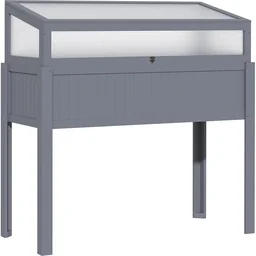
Mulchen und Düngen
Eine dünne Schicht Mulch auf der Erde hat viele Vorteile: Sie hält die Feuchtigkeit im Boden, unterdrückt Unkrautwuchs und führt dem Boden langsam Nährstoffe zu. Geeignet sind angetrockneter Rasenschnitt, Stroh oder Holzhäcksel. Im ersten Jahr ist in der Regel keine zusätzliche Düngung notwendig. Ab dem zweiten Jahr freuen sich starkzehrende Pflanzen über eine Gabe organischen Düngers oder Kompost im Laufe der Saison.
Fertige Hochbeet-Systeme als Alternative zum DIY-Bau
Nicht jeder hat die Zeit oder das Werkzeug für einen kompletten Eigenbau. Fertige Hochbeet-Bausätze sind eine hervorragende Alternative. Sie bieten passgenaue Teile und eine schnelle Montage. Systeme wie das in moderner Rattan-Optik sind witterungsbeständig und modular erweiterbar. Für Liebhaber einer klaren Linie bieten sich langlebige Metall-Hochbeete wie das an, die ohne Pflege auskommen und eine stabile Basis für Ihr Gemüse bilden.
Der größte Vorteil eines Hochbeets ist nicht seine Höhe, sondern die Tatsache, dass die Erde nie betreten wird. Ohne Bodenverdichtung kann das Bodenleben gedeihen und die Wurzeln finden optimale Bedingungen vor.
Der Bau eines großen Hochbeets ist ein lohnendes Projekt, das Ihren Garten bereichert und Ihnen reiche Ernten beschert. Mit sorgfältiger Planung und dem richtigen Aufbau schaffen Sie eine perfekte Wachstumsgrundlage für gesundes Gemüse und duftende Kräuter, direkt vor Ihrer Haustür.
Häufige Fragen
- Welches Holz eignet sich am besten für ein großes Hochbeet?
- Für ein langlebiges Hochbeet eignen sich heimische Hölzer mit hoher Witterungsbeständigkeit am besten. Lärche, Douglasie und Robinie sind hier die erste Wahl. Sie enthalten natürliche Harze und Öle, die sie vor Fäulnis schützen. Günstigeres Fichten- oder Kiefernholz benötigt einen Schutzanstrich oder eine Auskleidung mit Folie.
- Wie hoch sollte ein großes Hochbeet sein?
- Die ideale Höhe für ein Hochbeet liegt zwischen 80 und 100 Zentimetern. Diese Arbeitshöhe ermöglicht ein bequemes Gärtnern im Stehen und schont Ihren Rücken. Für Rollstuhlfahrer oder wenn Sie im Sitzen arbeiten möchten, planen Sie eine Höhe von etwa 60 bis 70 Zentimetern ein.
- Muss ich ein großes Hochbeet von innen auskleiden?
- Ja, eine Auskleidung ist sehr empfehlenswert. Ein engmaschiges Drahtgitter am Boden (Wühlmausgitter) schützt vor Nagetieren. Die Innenwände sollten Sie mit einer Noppenfolie oder Teichfolie auskleiden. Dies schützt das Holz vor Feuchtigkeit und verlängert die Lebensdauer des Hochbeets erheblich.
- Wie oft muss ich ein großes Hochbeet neu befüllen?
- Die organischen Materialien im Inneren des Hochbeets zersetzen sich und sacken mit der Zeit ab. Jedes Frühjahr sollten Sie die oberste Schicht mit frischem Kompost und hochwertiger Pflanzerde auffüllen. Eine komplette Neuanlage der Schichten ist nur etwa alle fünf bis sieben Jahre notwendig.
- Welche Erde kommt in die oberste Schicht eines Hochbeets?
- Die oberste Schicht, etwa 20 bis 30 Zentimeter hoch, ist die Pflanzschicht. Verwenden Sie hierfür eine hochwertige Mischung aus reifem Kompost und guter Gartenerde oder spezieller Hochbeeterde. Diese Mischung liefert die notwendigen Nährstoffe und sorgt für eine lockere Struktur, in der die Pflanzenwurzeln gut wachsen können.
Das könnte Sie auch interessieren
- Hochbeet selber bauen: Schritt-für-Schritt Anleitung
- Hochbeet bauen ohne Handwerker: Einfache Stecksysteme für Ihren Garten
- Hochbeet aus Naturstein selbst bauen
- Hochbeet schichten: Der perfekte Aufbau für eine reiche Ernte
- Kräuter-Hochbeet bauen: Anleitung, Befüllung & beste Kräuter
- Hochbeet aus Regentonne: Robuste Upcycling-Anleitung