
In brief: To clean a charcoal grill, let it cool completely, remove the ash and charcoal remnants, brush the grate, loosen grease with hot water and dish soap, and wipe out the bowl and lid. Dry all parts thoroughly and store the grill in a dry place to prevent rust and odors.
A clean charcoal grill works more reliably, produces less smoke, and keeps old grease or ash from getting onto your food. With the right steps, cleaning your grill is quick: let it cool first, then remove the ash, clean the grate, wipe out the bowl, and dry all metal parts.
When cleaning a grill, temperature, material, and order all matter. Do not pour hot water onto glowing coals, and do not use harsh cleaners on surfaces that come into contact with food. Use mild dish soap, a suitable brush, and a dry cloth.
Find more models and accessories in the Grills and fire pits category. This guide is suitable for kettle grills, pedestal grills, portable charcoal grills, and models with lids.
How should you prepare a charcoal grill before cleaning?
Before opening the grill, make sure the charcoal has gone out completely. Glowing embers can stay hot for many hours beneath a layer of gray ash. After grilling, close the lid and vents so the coals get less oxygen. Do not open the grill again until there is no visible heat or glow.
Place the grill on a firm, level surface before cleaning it. Keep wood, cardboard, dry leaves, and other flammable materials away. If your grill has wheels, set the brakes. If necessary, remove the cooking grates and place them on a washable surface.
What do you need to clean a grill?
You can handle most cleaning tasks with just a few tools. Have everything ready before opening the grill. That way, you won't have to walk through the house or shed with greasy gloves.
- heat-resistant work gloves for grates that are still warm
- a stainless steel, brass, or nylon grill brush suited to the grate
- a wooden or plastic scraper
- a bucket of hot water and mild dish soap
- microfiber cloths or absorbent paper towels
- a small ash shovel and a metal bucket with a lid
- neutral, heat-resistant cooking oil for untreated cast iron
Do not use chlorine-based products or undiluted heavy-duty oven cleaner inside the grill unless the manufacturer specifically approves them. Residue can damage surfaces and transfer to your next grilling session. For painted, enameled, or coated parts, mild dish soap is the safest standard choice.
When can you start?
A grate is often easier to clean while it is still warm to the touch. That means you can safely handle it with gloves and there are no flames or glowing coals. If the grate is still very hot, wait longer. When in doubt, let it cool completely.
Never pour water into a hot grill. Thermal shock can damage enamel, hot steam can cause burns, and water mixed with ash forms a lye that's difficult to remove. Only remove water after the fire bowl is cold.
Pro tip
Place an old cardboard box or a sturdy tarp under the grill before brushing the grate and bowl. Falling crumbs will collect in one place. Throw away the covering or shake it out outdoors instead of spreading grease and ash across your patio or lawn.
How do you clean the grill grate thoroughly?
The grill grate comes into direct contact with your food. Clean it after every use and check it regularly for cracks, rust, and loose brush bristles. Old grease can turn rancid or create unnecessary smoke the next time the grill heats up.
Which brush is right for each type of grate?
Stainless steel grates can withstand a sturdy stainless steel or brass brush. For cast iron, brass and nylon brushes are suitable because they are less likely to roughen the surface. Clean enameled grates and coated surfaces with nylon or a wooden scraper. A hard steel brush can scratch the coating and encourage rust.
Inspect the grate after every pass with the brush. If any bristles are missing, carefully check the surface, then wipe it with a damp cloth. A loose metal bristle can stick to your food. Replace a frayed brush.
How to clean the grate in five steps
- Let the grate cool: Wait until there are no flames and the grate is warm to the touch or cold.
- Remove heavy deposits: Scrape off baked-on marinade, food residue, and charcoal particles with a wooden or plastic scraper.
- Soak correctly: Soak stainless steel or enameled grates in hot water with a little dish soap for 15 to 30 minutes. Keep cast iron as dry as possible and clean it only briefly with a damp cloth.
- Brush: Brush along the bars and clean the underside, too. Turn the grate over so grease doesn't remain between the bars.
- Rinse and dry: Rinse off any soap residue with clean water. Dry the grate immediately with a cloth, then let it air-dry briefly.
Cast iron needs a thin layer of oil after drying. Put a few drops of heat-resistant cooking oil on a cloth and rub it evenly over the grate. Too much oil gets sticky and creates unnecessary smoke the next time you light the grill.
A clean, dry grate is all stainless steel needs. Do not use steel wool if metal particles could get trapped in the grate. For enameled grates, remove stubborn spots with a wooden scraper and hot soapy water, not sharp metal tools.
Find suitable brushes, scrapers, and other helpful accessories in the Grills and grill accessories section. Choose accessories that match the grate material. The most expensive brush isn't automatically the right one.
„Clean, separate, cook, and chill.“
The USDA's four principles sum up safe food handling. For grilling, that means cleaning the grate, keeping raw meat separate from cooked food, cooking food thoroughly, and cooling perishable foods quickly. A clean grate is only one part of good grill hygiene.
How do you remove grease and soot from the grill bowl and lid?
Ash, charcoal remains, grease, and loose soot flakes collect in the bowl. Before every thorough cleaning, remove these residues with an ash scoop or a dry cloth. Do not pour ash down the drain. It can clog pipes and may still contain embers.
First scrape the bowl while it is dry. A wooden or plastic scraper loosens baked-on grease without unnecessarily scratching the enamel. Wipe up the loosened residue with paper towels and dispose of it in the regular trash. Only then use warm water.
Cleaning the interior, lid, and exterior surfaces
Apply a little mild dish soap to a damp sponge and clean the bowl in small sections. Do not flood the surface with water. Wipe it with a second, damp-only cloth, then dry the interior completely.
A thin, dark smoke residue on the inside is normal for a charcoal grill. You mainly need to remove loose flakes, sticky areas of grease, and places where grease runs down. Smooth, sound seasoning does not need to be scrubbed back to bare metal.
Soot and condensation collect particularly on the inside of the lid. Clean the rim, handle, and vents thoroughly. Open and close the vents several times after wiping them, so that no cloth fibers or film of grease can block the mechanism.
Wipe stainless steel exterior surfaces with warm water and a soft cloth, following the direction of the brushed finish. Clean enameled surfaces without abrasive cleaners. Dry the lid around the edges, hinges, and underneath the handle too, as water can remain there for a long time.
Cleaning the grease tray and vents
Empty grease trays after every intense grilling session. Loosen dried-on grease with hot water and dish soap. You can soak a removable tray separately, but only after it has cooled completely. Check it for rust-through and replace it if it is cracked.
The vents regulate the airflow and therefore the temperature. Remove ash from the openings, wipe away grease, and check that the vents move freely. Blocked vents cause uneven heat and make it more difficult to burn off residues safely.
| Component | Suitable cleaner | What to avoid |
|---|---|---|
| Grill bowl | Scraper, warm water, mild dish soap | Pressure washer and harsh acids |
| Lid | Soft sponge and damp cloth | Abrasive sponge on enamel |
| Vents | Dry brush and damp cloth | Water in enclosed mechanisms |
| Grease tray | Hot water and dish soap | Storing it with old grease |
Important note
If grease catches fire, close the lid and vents, if it is safe to do so, to deprive the fire of oxygen. Never use water. Do not remove the lid in a panic, and keep a suitable fire extinguisher for grease fires close at hand. If a fire gets out of control, leave the area and call the fire department.
Only use oven or grill-cleaning products according to the manufacturer's instructions. Never spray them onto hot surfaces, and do not leave any residue on the grate. After every chemical cleaning, rinse all food-contact surfaces thoroughly with clean water and dry them.
If you regularly smoke food or grill heavily marinated dishes, it is worth taking a look at the BBQ and smoking section. There you will find accessories for different grilling methods. The same rule applies to cleaning: loosen grease mechanically first, then follow up with a little water.
How do you dispose of ash safely and prevent rust?
Storing ash correctly
Close the vents after grilling and let the charcoal remains cool down in the bowl. Only remove the ash once the grill is completely cold. Use a metal shovel and a sturdy metal bucket with a tightly fitting lid. Plastic containers, cardboard boxes, and trash bags can melt or catch fire due to hidden embers.
Place the ash bucket outdoors on concrete, stone, or another non-combustible surface. Keep it away from woodpiles, façades, garden furniture, and dry plants. If possible, wait at least 48 hours before disposal and check the contents again for heat or embers.
Dispose of cooled charcoal and ash in accordance with local regulations. Do not scatter charcoal ash indiscriminately on garden beds or add it to compost. Charcoal can contain additives and residues that do not belong in the soil.
“Never use water on a grease fire.”
The National Fire Protection Association's advice also applies to charcoal grills. Water spreads burning grease and can cause a flash fire. Keep the grilling area clear of flammable items and check before every season that the lid, handles, and vents are working safely.
Preventing rust
Moisture and ash accelerate corrosion. Wipe the bowl dry before closing the grill. Do not leave a wet grate in the closed grill. After a rain shower, open the lid and dry any visible wet areas.
After drying, rub untreated cast iron with a thin layer of oil. For coated or enameled material, a dry, clean surface is sufficient. Do not oil every surface automatically, as grease becomes sticky on enamel and attracts dust.
A protective cover protects against rain, pollen, and dust. It must be breathable and must not be put on a damp grill. A grill with a lid and cover such as
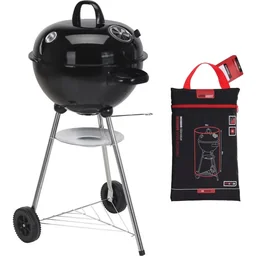
The same basic principle applies to general garden and outdoor equipment: dry it first, then cover it. Also check the legs, wheels, and screw connections. Rust on load-bearing parts is a safety issue, not just a cosmetic defect.
How should you care for a charcoal grill after grilling?
A consistent routine prevents small traces of grease from turning into a hard crust. Divide charcoal grill care into quick tasks after each use and more thorough maintenance at longer intervals. This keeps your grill ready to use without having to take the entire kettle apart every time.
What should you clean after every grilling session?
- Brush the warm grill grate and remove any visible food residue.
- Empty the grease tray as soon as grease or marinade has collected.
- Close the lid and vents only after the flames have gone out.
- Remove the ash once the grill has cooled completely and store it in a metal bucket.
- Wipe the handle, lid rim and shelves with a damp cloth.
- Dry wet surfaces before putting on the cover.
For a portable model with a lid such as
also check the hinges and vents. Small grills heat up quickly, but grease also builds up around the edges just as quickly. A quick clean after every use prevents the lid from sticking or soot flakes from falling onto your food when you open it.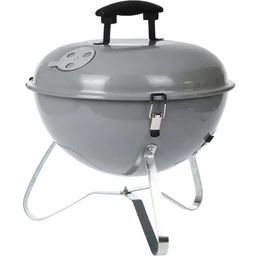
What does monthly grill cleaning involve?
If you use your grill regularly, clean the kettle and lid more thoroughly every two to four weeks. Remove the grate, scrape off loose residue and wipe all surfaces with warm, soapy water. Then check the screws, handles, wheels, hinges and air vents.
A barrel grill such as
has different corners and edges than a kettle grill. Pay particular attention to the seams between the kettle and lid. Grease often collects underneath the rims, around handle mounts and around the air vents.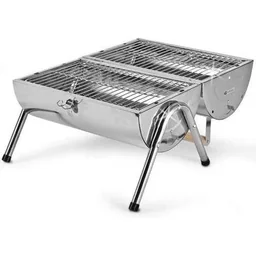
What should you check before grilling season starts?
- Remove all old ash and dust.
- Check the grate, kettle and lid for rust-through, cracks and damaged coating.
- Make sure the vents, hinges and wheels move freely.
- Replace porous grease trays and loose handles.
- Clean and dry the grill grate before applying a thin layer of oil.
- Make sure the grill stands securely on the intended surface.
A grill with a severely damaged kettle, unstable legs or a rusted-through grate should no longer be used on the patio. Depending on the material, you can brush off and treat small areas of surface rust. For surfaces that come into contact with food, the condition of the coating is key: if it is flaking, replace the part.
Additional advice
Deep clean your grill on a dry day. After washing, allow the grate and kettle to air-dry completely before closing the grill. Make a note of any damaged parts right away so your grill is safe and ready to use when the next stretch of good weather arrives.
This routine makes outdoor grill care manageable. Remove residue regularly, care for each material appropriately and protect the dry grill from rain. This makes grilling more hygienic, extends the life of the components and saves you from costly repairs.
Frequently asked questions
- How often should I clean a charcoal grill?
- Clean the grill grate after every grilling session while it is still warm and the flames are out. Remove the ash once the grill has cooled completely. Clean the kettle, lid, grease tray and vents every two to four weeks, depending on how often you use the grill. Give it a deep clean before and after grilling season.
- What is the best brush for cleaning a grill grate?
- For stainless steel grates, use a sturdy grill brush with suitable bristles. Clean cast iron with a brass or nylon brush and dry it immediately. For enameled or coated grates, use nylon or a wooden scraper. Check the grate after every cleaning for loose bristles and damaged coating.
- Can you clean a charcoal grill with water?
- Yes, once the grill has cooled completely. Use hot water sparingly on the grate and kettle, and apply mild dish soap only to dirty surfaces. Never pour water onto hot coals or burning grease. Dry all metal parts immediately, or moisture and ash residue can encourage rust.
- How should you dispose of ash from a charcoal grill?
- Let the ash cool completely and place it in a sturdy metal bucket with a tightly closing lid. Keep the bucket outdoors on a noncombustible surface. Dispose of the cold ash according to local regulations. Check once more for embers before emptying it.
- How can you prevent rust on a charcoal grill?
- Remove ash and moisture after every use, dry the grill grate thoroughly and lightly coat untreated cast iron with heat-resistant cooking oil. Store the grill under a breathable cover. Air it out regularly and treat small areas of rust early with suitable care products.
You might also be interested in
- How to clean a grill grate: Tips for a hygienic, sparkling clean grate
- Charcoal grilling tips: How to light, grill and care for your grill
- Cleaning a grill with ice cubes: How this trick works
- Charcoal grill reviews and comparison 2026: The best models tested
- How to clean a pool: Step-by-step guide to clear water
- How to clean a range hood: Tips for a hygienic kitchen