
In brief: You can help protect your home from burglary by adding physical security to windows and doors, adopting safer habits and making your outdoor spaces a first line of defense. Home security starts with simple measures you can often install yourself and knowing where your home is most vulnerable. Investing in sturdy security hardware and a visible deterrent outdoors can make a difference.
How can I protect my home from burglary?
Home security is more than a product; it’s a plan built on three pillars: physical security, good habits and electronic monitoring. The good news is that you can take many of these steps yourself.
Start by taking a critical look at your property. Walk around your home as if you were a burglar. Where are the dark corners? Which windows are easy to reach? Where could someone work without being seen?
Most burglars look for easy targets. They want to get inside within two minutes. Any delay or greater chance of being spotted can deter them.
The first line of defense: your property
A secure home starts at the property line. Tall, dense hedges give you privacy, but they can also conceal burglars. Low, thorny shrubs beneath windows are a better choice.
A clear, well-lit path through your property is ideal. Use garden equipment such as permanently installed LED outdoor lights. Motion sensors turn the lights on only when needed.
Pro tip
Choose outdoor LED lights with at least 1000 lumens. Their brightness can briefly disorient intruders and make it easier for neighbors or cameras to identify faces.
Don’t forget outbuildings. An unlocked garden shed can become a burglar’s tool stash. Secure shed doors with sturdy locks, too.
DIY window security: where should I start?
Windows are one of the most common weak points. Standard tilt-and-turn windows with single-pane glass offer little resistance.
Retrofitting is possible and effective. One of the simplest measures is a window lock. It helps prevent the window from opening even if someone forces the handle.
For added security, install additional mushroom-head locking bolts. These small metal bolts engage with the frame when the window is closed, making it much harder to pry open.
“Most security upgrades only work if you actually use them. A window with three mushroom-head locking bolts won’t help much if you only engage the middle one. Good habits are security hardware’s best ally.”
Grilles or shutters are suitable for basement window wells and roof windows. In the tarpaulins and nets section, you’ll find sturdy mesh sheeting that can provide privacy and a basic barrier to access.
Glazing: can you retrofit security glass?
Single-pane glass can break with a light impact. Laminated safety glass holds up much longer. It consists of two panes with a tear-resistant film between them.
Replacing the entire window can be expensive. Often, replacing just the window sash is enough. Ask a specialist for advice.
Important note
Keep emergency exits clear at all times! Secure windows in children's rooms or on the ground floor that serve as escape routes only with grilles that can be removed from inside or special security measures that can be opened from inside without tools.
How can I secure exterior doors beyond the lock?
Exterior doors are another common target. Their security depends on how the cylinder, strike plate and frame work together.
The door cylinder is the centerpiece. A high-quality cylinder with protection against drilling, pulling and snapping is essential. Look for certification marks such as DIN 18252 or compliance with VdS requirements.
The strike plate is a common weak point. It’s often attached to the door frame with only short screws. Replace it with a reinforced strike plate and use screws at least 60mm long that reach deep into the wall.
A cross-bolt lock (surface-mounted lock) with bolts at least 30mm long can significantly improve resistance to forced entry. It distributes force across several anchor points.
“A door’s strength isn’t determined by its most expensive lock, but by its weakest component. Often, the hinge screws, set only 25mm into the masonry, are the first to fail.”
Ring-lock systems are also effective for sliding and patio doors. They help prevent the door from being lifted out of its track.
Which electronic security systems are worthwhile?
Physical security can slow a break-in. Electronic security can deter intruders or raise the alarm.
Outdoor lighting with motion sensors is a good place to start. It signals that your home is actively protected.
Additional advice
Combine electronic and natural deterrents. A well-kept garden with visible security features and perhaps a dog can be more intimidating than a hidden camera. Make your presence felt even when you’re away.
Alarm systems range from simple self-monitored setups to professionally connected solutions. The core components are sensors on windows and doors, plus a loud siren.
Wireless alarm systems are easy to install in an existing home. They consist of a control unit, contact sensors and indoor and outdoor sirens. Make sure there’s enough battery backup in case of a power outage.
Security cameras can be controversial. They’re used less to prevent crime than to gather evidence. A clearly visible camera can act as a deterrent. Follow data protection rules when monitoring public areas.
Can smart home technology help prevent burglaries?
Modern smart home systems offer useful options. They can simulate occupancy by switching lights on and off in random patterns.
They can also lower shutters automatically or send a push notification to your smartphone when an alarm is triggered. Ask a specialist to integrate smart home features with existing security systems.
In the occupational health and safety range, you’ll find basic equipment such as warning lights or barrier tape, which can also help secure a construction site at your home.
Behavior: The Human Factor
Even the best technology is useless if you neglect the basic rules. Always close and lock all windows and doors when you leave, including those upstairs.
Don't leave a classic "note on the fridge" with details of your absence. Share vacation photos on social media only after you return.
Build good relationships with your neighbors. Give a neighbor a key, but don't hide it under the doormat. Ask them to empty your mailbox regularly and change the position of the curtains.
Don't leave ladders or large toolboxes in the yard. They make it easier to reach upper-floor windows.
For outdoor lighting and other technical deterrents for your yard, you'll find suitable power supplies and installation materials in the Garden and Outdoor section.
What should you do in an emergency?
If you discover a break-in or signs of one, don't enter the house. The intruder could still be inside. Call the police (110) immediately from a safe location.
Don't touch anything, so you don't disturb any evidence. Wait outside for the police.
Emotional support is important after a break-in. Talk with your family about what happened. A professional security assessment can help restore your sense of safety.
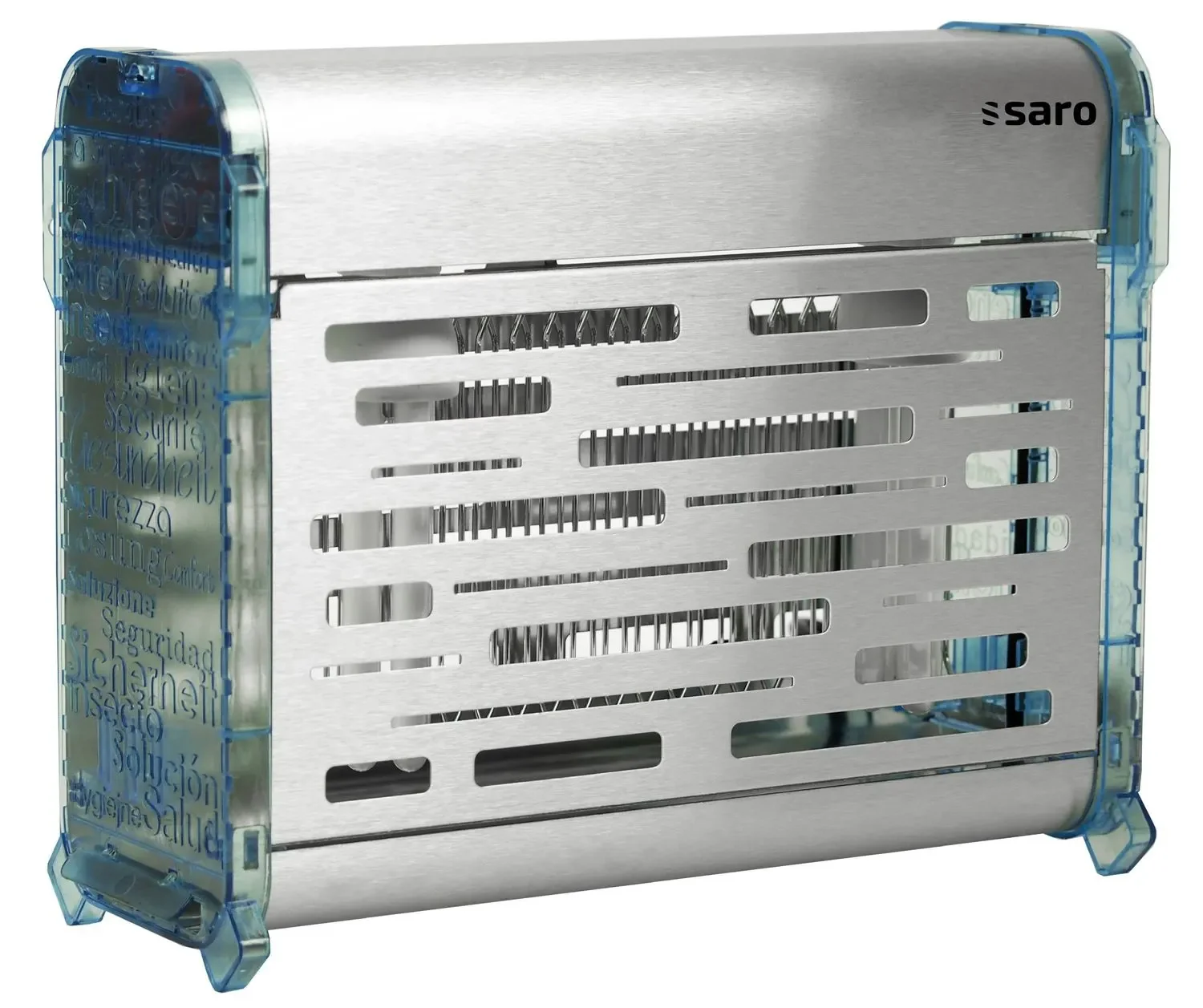
Products such as the
or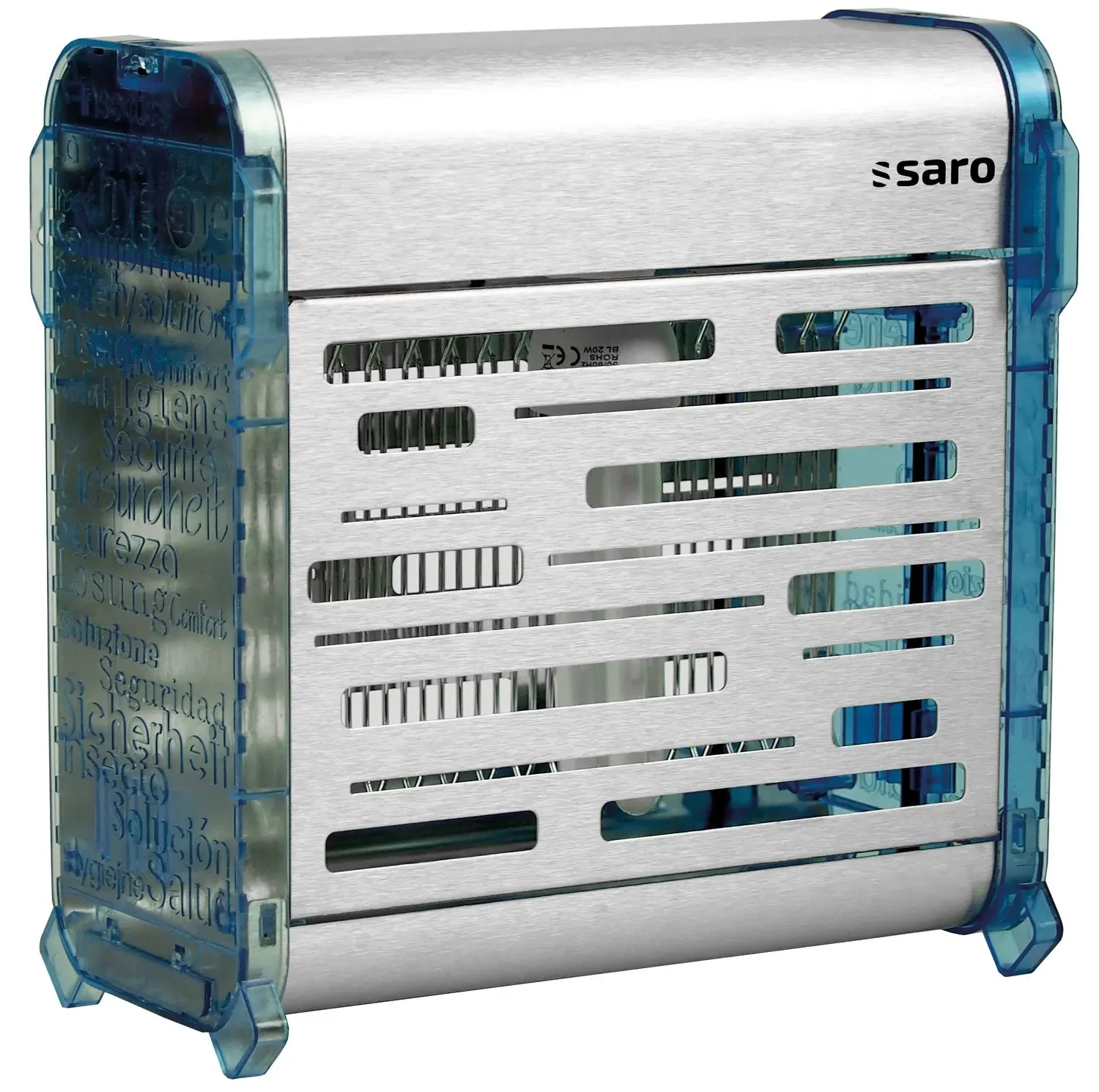
Remember your insurance. Homeowners or renters insurance that covers burglary damage is essential. Policies often require certain minimum security measures (at least RC2 for doors and windows). Meet these requirements to avoid a reduction in benefits.
Burglary protection is an investment in your peace of mind. Start with simple, affordable measures. Strengthen weak points step by step. The most effective protection combines good technology, sensible habits, and watchful neighbors.
Frequently Asked Questions
- Which windows are easiest to break into?
- Single-glazed tilt-and-turn windows with standard mushroom cams are among the weakest points. Burglars can often pry them open with a screwdriver in seconds. Adding security fittings or replacing them with burglar-resistant windows (at least RC2) is strongly recommended.
- Can I make my front door more secure myself?
- Yes. Several upgrades are suitable for DIY installation. Replace the cylinder with a high-quality model and a security escutcheon, plus an emergency and hazard function (panic function). Install a sturdy door security bar (at least 30mm bolt) and a wide-angle door viewer. Check the screws on the hinges and strike plate. Use screws at least 60mm long that reach into the wall.
- Do motion-activated lights really deter burglars?
- Yes. Sudden light can be an effective psychological deterrent. It puts intruders under time pressure and increases the risk of being seen. Pair motion sensors with bright LED floodlights, and position them carefully to prevent false alarms. Systems that combine lights with an audible alarm can be even more effective.
- How much does a good alarm system for a detached house cost?
- Costs vary considerably. A DIY security system with several window and door contacts and a siren costs around 300-500 euros. Professionally planned and installed systems with perimeter protection, a monitoring center, and remote maintenance start at 2,000 to 5,000 euros. Regular maintenance and correct placement of all components are important.
- Can I use video surveillance to monitor my property?
- Video surveillance that captures areas visible to the public (sidewalk, road) is permitted only under strict conditions and requires balancing competing interests. Recording only your own property, where it isn't visible to the public, is usually permitted. However, you must post clear signs ('Video surveillance') and follow data protection principles. Consulting a specialist lawyer is advisable.
You may also be interested in
- Burglary protection for homes and apartments: Effective tips to stay safe
- Outdoor lighting for home security: Tips for your property
- How to protect your home from burglars while on vacation
- Improve burglary protection with modern lock cylinders
- Security door hardware: Effective protection for your home
- Home electrical installation: Safe DIY tips for home improvement