
In brief: Effective home security starts with mechanical protection at vulnerable points. Windows and doors need sturdy mushroom-head bolts or crossbars. Burglary-resistant cylinders and security fittings are essential. Combine these with a visible alarm system and consistent outdoor lighting. Even a few measures significantly increase the effort required to break in and help deter burglars.
Home security: Where should you start?
The thought of a break-in is unsettling. Many homeowners wonder where to begin. The answer is simpler than you might think. Start with the usual entry points. More than 80 percent of burglaries happen through ground-floor windows and doors.
Focus your resources on these weak spots first. A reinforced front door is of little use if the window next to it has only a basic latch. A systematic check of your home's exterior is the first step.
Look at your home from a burglar's perspective. Where is it dark? Which window is hidden from view? Which door looks weakest? This assessment shows you which areas need attention most urgently.
Identifying weak spots: windows and doors
Windows are the most common entry point. Check the hardware. Older windows often have only basic locking bolts. A screwdriver can force them open in seconds. Modern mushroom-head or hook bolts turn with the window mechanism and provide greater resistance.
For doors, the cylinder is a key component. Cheap cylinders with standard profiles can be broken with pliers. Security cylinders with protective fittings and drill protection help prevent this type of attack. The door and hinges also need to be sturdy.
A burglar typically spends only three to four minutes inside a home. Every second it takes to break in increases the risk of getting caught and makes the burglar more likely to give up.
How can I secure my windows effectively?
Locking window handles are the bare minimum, but they are not enough. Breaking the glass bypasses the locked handle. Effective protection has two parts: the hardware and the glass.
Retrofitted options such as lockable window handles and additional bolts for the window sash are a good start. For greater security, install burglary-resistant glass. It uses laminated panes that hold together even when struck.
Pro tip
Check the gap between the sash and frame on every window. If it is wider than 2 mm, a pry tool may fit into it. Retrofitted security hardware with long hook bolts closes this gap and helps prevent the window from being forced open.
Do not forget shutters or blinds. A raised shutter can signal that nobody is home. A lowered shutter offers privacy and adds another physical barrier. Secure shutter boxes from the inside with special bolts.
In our Garden + Outdoor range, you will also find practical home maintenance tools to help you regularly inspect your outdoor areas.
Choosing the right glass
Burglary-resistant glass can be identified by the ESG/PVB designation or its RC resistance class. RC 2 glass withstands several powerful blows from a heavy tool. This class is a good standard for a typical single-family home.
Glass alone is not a complete solution. It must be combined with secure hardware. Otherwise, an intruder may be able to push the entire sash out of the frame. A complete system with a strong frame, sturdy hinges, and the right glass provides better protection.
Why is the front door the most important point?
The front door is an obvious target. It must withstand physical force. That starts with the material. Solid wood doors or fully reinforced steel doors are more robust than lightweight veneered wood doors.
The frame is just as important. It must be firmly anchored in the masonry. Burglars often kick a door out of its frame with a targeted blow next to the lock. Reinforce this area with long, sturdy screws that reach deep into the wall.
Locking systems make a difference. A multipoint locking system with at least three bolts distributes force across the entire door frame. A simple latch-bolt lock offers very little protection.
Important note
Never leave your front door key in the lock. With many doors, a burglar can reach the key from outside, for example through the mail slot or a pane of glass, and simply turn it. Always remove the key.
A peephole—or, better yet, a video doorbell—lets you see who is outside before you open the door. You can check without putting yourself at risk. This technology is now affordable and easy to install.
The psychological barrier is just as important as the physical one. A home that visibly signals security—with flashing lights at the windows, visible cameras, or a dog—is more likely to be passed over. The intruder looks for an easy target.
Technical security: Should you install an alarm system?
An alarm system does not replace physical security. It adds another layer of protection. Its main purpose is to drive intruders away once they have entered and call for help.
Visible components help deter burglars. A well-positioned outdoor siren and flashing lights signal that the home is protected. Indoor detectors, such as motion or glass-break sensors, trigger an alarm in an emergency.
Modern systems connect wirelessly and require very little wiring. You can often install them yourself. Make sure the system has backup ways to send alerts, such as GSM and internet connectivity. Cutting a cable should not disable it.
Smart security while you are away
Smart home devices offer new options. You receive push notifications on your smartphone when the alarm is triggered. You can view live footage from your security camera and turn on the lights remotely.
This convenience comes with a security consideration: cybersecurity. Every connected device is a potential entry point for hackers. Keep your security network separate from the rest of your Wi-Fi network. Always use strong, unique passwords.
Additional advice
Make it look as though someone is home when you are away. Timers for lights and radios are classic but effective. Ask a neighbor to empty the mailbox and move the car occasionally. A well-maintained yard makes a home look occupied. An overflowing mailbox and tall grass can invite unwanted attention.
A dedicated safe is a good way to protect valuables at home. The
(Phoenix SS0800 Vela burglary safe) provides sturdy protection for documents and smaller valuables, complementing your overall home security.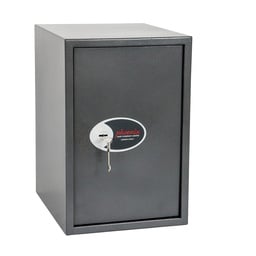
What protects my property and garden?
Security starts at your property line. A clearly defined boundary with a well-maintained fence signals privacy. An open front garden with good visibility gives burglars nowhere to hide.
Light is your best ally after dark. Motion sensors with LED floodlights at entrances and in dark corners switch on when someone approaches. This surprises intruders and makes them visible. Solar-powered lights are ideal for this and require no cables.
Valuable garden equipment is a popular target for thieves. Store lawnmowers, bicycles and your barbecue in a locked shed. Secure the shed itself with a security padlock. Chain large equipment to something secure inside.
You can find useful tools for garden maintenance, which also help you keep your property secure, in our Garden + Outdoor category. A well-maintained garden looks occupied and well cared for.
Choose the right lighting
Leaving lights on all the time is outdated. It can cause glare, waste electricity and get neighbours used to the light. Smart motion sensors with built-in timers are the solution. They switch on only when someone approaches the house.
Install lights at a suitable height. A sensor three metres above the ground is difficult to tamper with. Position floodlights so they illuminate the area without dazzling your neighbours.
Fire safety as part of home security
Security means more than protection from burglars. A fire can destroy your home just as easily. Keep a working fire extinguisher in strategic locations such as the kitchen, garage and hallway.
In the kitchen, where grease fires can occur, a dedicated extinguisher is essential. The
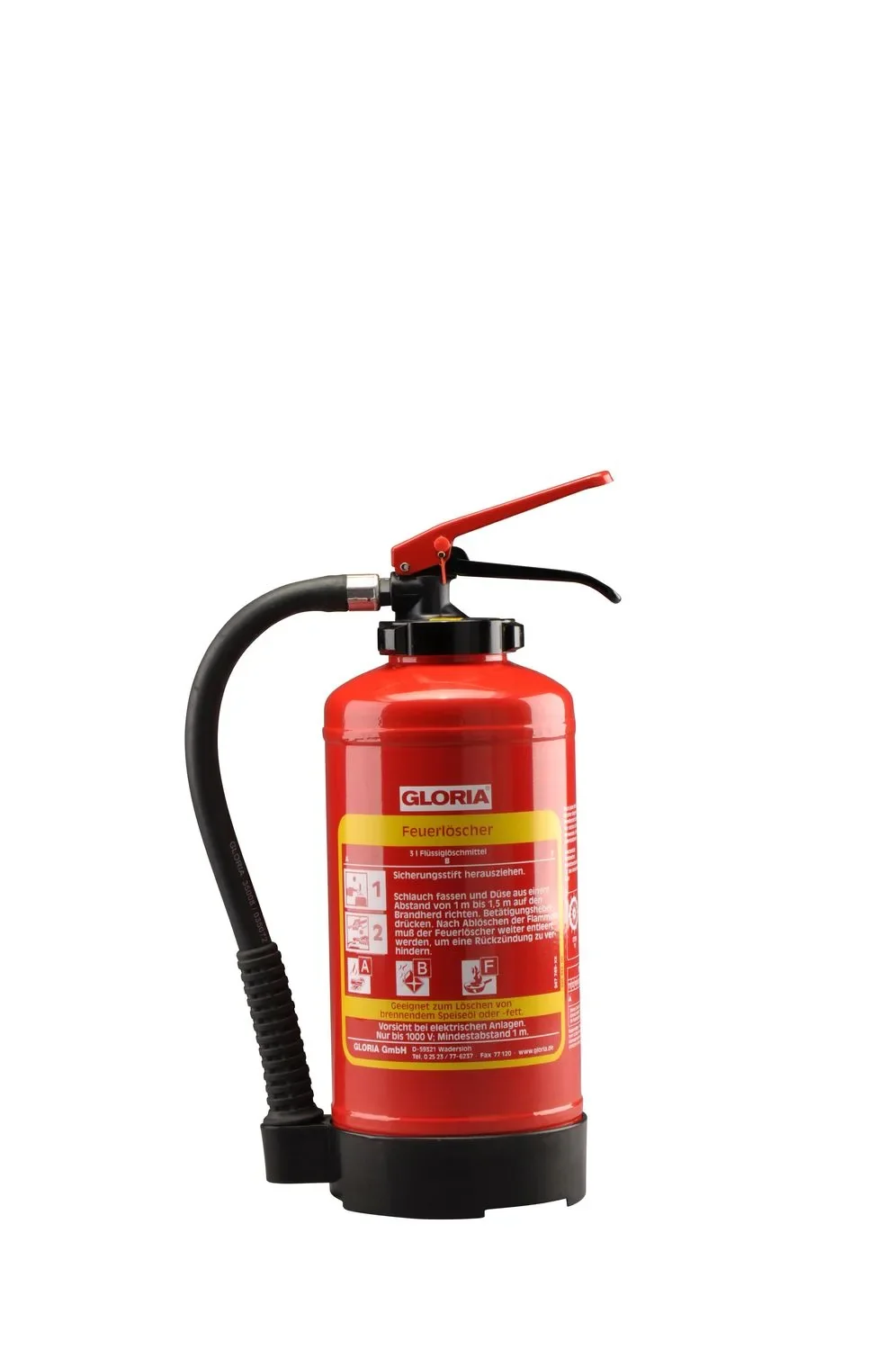
Smoke alarms are required by law in most German federal states in all bedrooms and living areas. Test them every month by pressing the test button. Replace the batteries according to the manufacturer's instructions.
Discover more articles on occupational health and safety and protecting your home in our Health & Safety category.
Everyday habits that help keep you safe
Security is a routine. Whenever you leave the house, close all windows, including those on upper floors. An open roof window can provide an entry point for a climber.
Don't keep spare keys under the doormat or in a plant pot. Give spare keys only to trusted neighbours. Consider using an electronic key safe with a code.
Be discreet on social media. Don't post live updates from your holiday or publicly share how long you'll be away. The internet is the first place opportunistic criminals look for information.
Activate neighbourhood watch
A vigilant neighbourhood is a free and highly effective way to protect your home. Exchange phone numbers. Agree to check in with one another about unfamiliar tradespeople or suspicious vehicles.
Many local authorities offer neighbourhood watch schemes or security partnerships. They can provide up-to-date information about your neighbourhood and practical advice from the police.
Ultimately, burglary protection isn't a one-off purchase; it's a mindset. Start with the mechanical basics for windows and doors. Add visible deterrents such as lighting and alarm systems. Store important documents in a safe. Keep your gardening tools sharp with a robust
(Wonder Scissors) to keep hedges and shrubs trimmed, so they don't provide cover for intruders. Stay alert in your everyday life and trust your instincts when something feels wrong.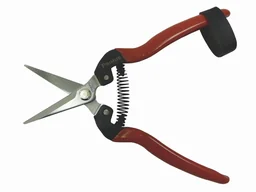
Frequently Asked Questions
- Which type of window offers the best burglary protection?
- The safest option is a modern window with burglary-resistant glazing (ESG/PVB) and a lockable fitting rated RC 2 or higher. The combination of robust hardware and toughened glass is important. Older windows can often be significantly upgraded with retrofitted mushroom-head locking bolts on the handle side.
- How much does a good alarm system cost for a detached house?
- The hardware for a complete alarm system with perimeter protection, indoor detectors and a GSM module for a detached house starts at around 1500 to 3000 Euro. Professional installation costs a further 500 to 1500 Euro. Simple wireless DIY kits are available from 400 Euro.
- Can a dog or dog flap help protect against burglary?
- A dog in the home acts as an effective living alarm and deters many intruders. An open dog flap or door, however, weakens your security. Choose a special lockable pet flap that opens only for your pet and can be locked at night. A dog's presence alone is no substitute for mechanical security measures.
- Are smart cameras and video doorbells safe from hackers?
- Smart devices pose security risks. Choose established manufacturers that provide regular security updates. Separate your IoT network from your main Wi-Fi, use strong, unique passwords and enable two-factor authentication. A hacked camera can become a spying tool and compromise your other security measures.
- What is the most common home security mistake?
- The most common mistake is neglecting basic mechanical security. Many people focus on expensive technology but leave windows with standard locking bolts or doors with cheap cylinders unsecured. An intruder needs only seconds to exploit these weak points before an alarm can be triggered.
You may also be interested in
- Home security: tips and DIY measures
- Outdoor lighting for burglary protection: tips for your home
- Home security test & comparison 2026
- Fire safety at home: your guide to maximum protection
- Security door hardware: effective protection for your home
- Improve your home security: greater protection with modern lock cylinders