
In brief: Effective home security combines mechanical barriers with electronic solutions. The test shows that high-quality lock cylinders and additional locking systems form the basis of good protection. For comprehensive security, combine these with surveillance technology and visible deterrents. The right choice depends largely on your building and individual risk.
Home Security Test & Comparison 2026: Best Systems
Do you want to protect your home effectively against burglary? Our latest test and comparison for 2026 shows which mechanical and electronic solutions really deliver on their promises. We examined various types of security products and provide you with clear buying advice.
Contents
- What types of home security are available?
- How do we test the security systems?
- The most important buying criteria at a glance
- Test results for the best home security products
- How do I install home security correctly?
- Combining mechanical and electronic security
- FAQ: Frequently asked questions about home security
What types of home security are available?
Home security generally falls into two main categories: mechanical and electronic security. Both have their place and complement each other perfectly.
Mechanical security
These are physical barriers. They include all types of locks, bolts, fittings and reinforcements for doors and windows. Their purpose is to make an intruder spend as much time and effort as possible. Security doors complying with DIN EN 1627 are the standard here. Special window handles and mushroom-headed locking bolts also increase resistance.
Electronic security
These systems actively detect or prevent a break-in. They include alarm systems with motion detectors and window and door contacts. Security cameras, smart lighting with presence simulation and video door intercoms also fall into this category. Their main advantages are their deterrent effect and the option of remote monitoring.
Tip: Use a combination of both approaches. A mechanically secured door delays the intruder, while an alarm system drives them away and alerts you.
How do we test the security systems?
Our comparison is based on practical criteria and recognised standards. We assess not only the manufacturer’s specifications, but also how easy the products are to use in everyday life.
For mechanical security products such as locks, resistance to drilling, snapping or pulling is crucial. We consider the materials used, build quality and available certifications. For electronic systems, we test sensor reliability, siren volume, app usability and battery life.
We pay particular attention to simple and secure installation. After all, protection that has been installed incorrectly offers very little security.
The most important buying criteria at a glance
Before choosing a product, consider these points.
- Weak-point analysis: First check which access points, such as doors, windows and basement light wells, are particularly vulnerable.
- Standards and certifications: Look for test marks such as “burglary-resistant” according to DIN EN 1627-1630 or VdS certifications for alarm systems.
- Compatibility: Will the new lock fit your existing door? Can the electronic components communicate with one another?
- Maintenance and reliability: Mechanical parts should be rust-resistant and durable. Electronic systems require a stable power supply and regular updates.
- Deterrent effect: Visible features such as flashing lights, outdoor sirens or dummy cameras can deter burglars before they attempt to break in.
Important: Cheap products without a recognised standard or identifiable manufacturer often provide only a false sense of security. It is better to invest in a few high-quality components for the most critical points.
Test Results: The Best Home Security Products
Our hands-on tests reveal clear differences between the available solutions. Here’s a selection of tested products from the Westfalia range.
High-Quality Door Lock Cylinders Tested
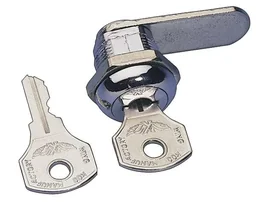
The lock cylinder is the heart of any door security system. A weak cylinder can leave even the sturdiest door vulnerable. One product we tested is the . This cylinder and lever lock impressed us with its solid construction and sturdy housing. Clear instructions also make installation manageable for DIYers.
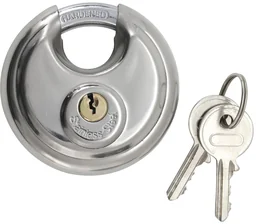
If you can’t install a permanent lock, a portable one can be a practical solution. One example is the , a sturdy round padlock. In our test, it was easy to use and provided basic protection for sheds and bike storage boxes, or extra security for garden gates.
Electronic Deterrents and Monitoring
You don’t always need a full alarm system. Sometimes, making it look like someone is home is enough. The (TV SIMULATOR) mimics the flickering light of a television. Our test found that this simple, affordable device can help deter burglars after dark, as they tend to avoid homes that appear occupied. It’s a useful addition to your security setup, but it doesn’t replace physical security.

For a comprehensive home security setup, explore more components in our shop’s home security section.
Compare the Tested Solutions
To help you choose, we’ve compared the key features of the products we tested in the table below. The right solution depends on your individual needs.
Compare the top-rated home security products in our range:
| Model | Customer rating | Availability |
|---|---|---|
| Cylinder lever lock, 18 x 20 mm 🏆 Test winner | ★ 4,6 (8) | In stock |
| Round padlock, 70 mm | – | In stock |
| 4-piece lock cylinder set with 12 security keys | ★ 4,7 (25) | Currently unavailable |
| High-performance profile security lock cylinder set | ★ 4,6 (7) | Currently unavailable |
| 4-piece lock set *Free* | – | Currently unavailable |
Note: Product availability may vary. Check the current stock status in the shop. If a product is unavailable, such as a lock cylinder set, a similar in-stock item may be a suitable alternative.
How Do I Install Home Security Products Correctly?
Even the best equipment won’t help if it’s installed incorrectly. With mechanical security products, correct placement and secure fastening are essential.
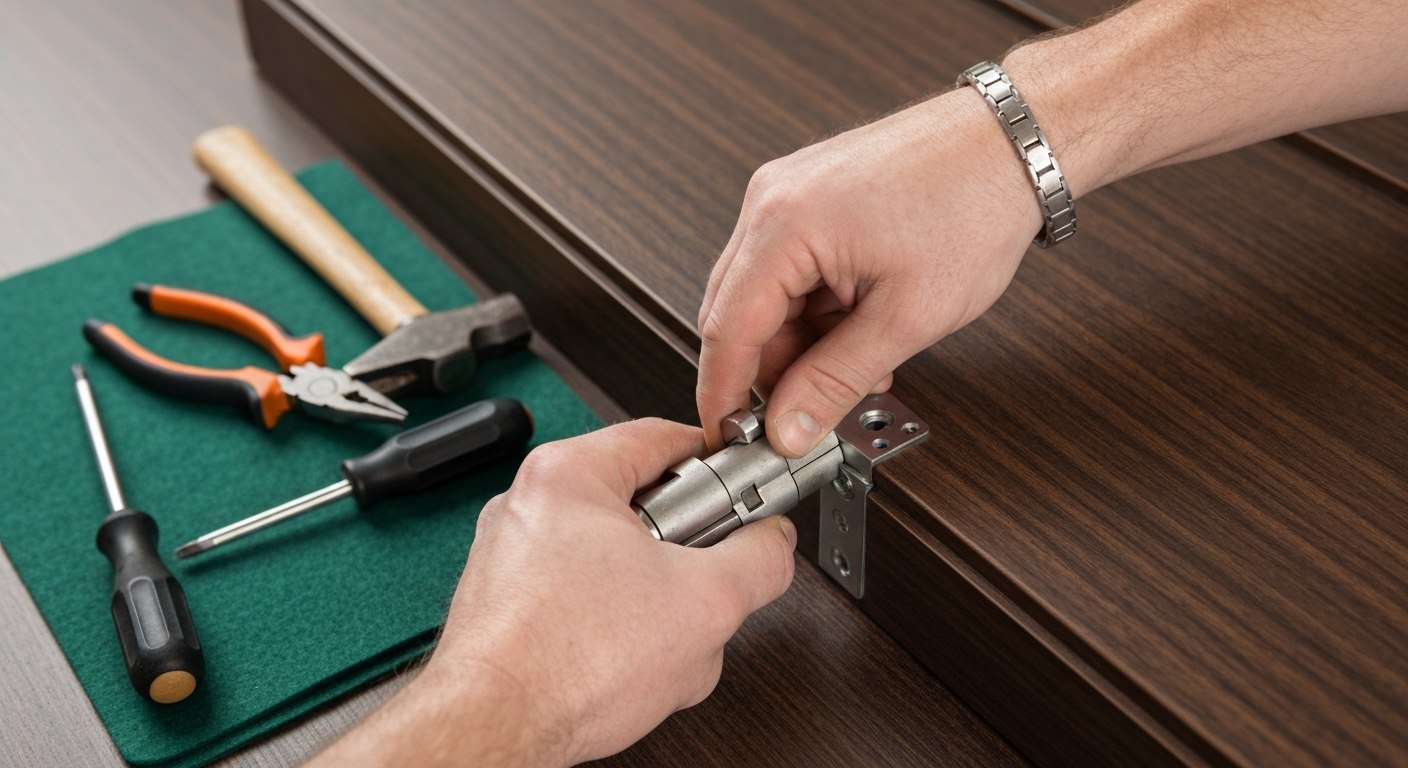
When securing the door and frame, use the long screws supplied or specifically recommended. Anchor them into the masonry, not just the door frame. Lock cylinders should sit flush with the door to minimize potential points of attack.
For electronic systems, follow the installation instructions carefully. Position motion detectors to cover the entire area you want to protect, while avoiding false alarms from pets or moving curtains. The outdoor siren should be clearly visible to potential intruders but easy for you to reach in an emergency.
Combine Mechanical and Electronic Security
The most effective protection comes in layers. Experts call this a “multi-layer security concept”. Start by securing your home’s outer shell.
- Level 1: Basic protection. Secure all ground-floor and easily accessible entry points, including the front door, patio door, ground-floor windows and basement windows.
- Level 2: Enhanced protection. Add extra security at particularly vulnerable points, such as window handle locks, crossbars or glass-break sensors.
- Level 3: Detection and deterrence. Install an alarm system or at least a convincing dummy. Timers for lights and a TV simulator can also help make your home look occupied.
- Level 4: Monitoring and response. This highest level includes smart cameras that send motion alerts to your smartphone, or a professional alarm system.
Well-planned technology gives you the right tools. Start with the measures you can put in place now, then expand your system step by step.
Conclusion: Home Security Is an Ongoing Process
There’s no single perfect product for everyone. Effective home security combines high-quality mechanical components with well-chosen electronic devices. Our tests show that investing in tested lock cylinders and sturdy locking systems pays off. Electronic solutions such as alarm systems and TV simulators provide an extra deterrent and give you greater control.
Assess your situation, start with the weak points and build your security plan step by step. Our tested products and buying guide can help you find the right solutions for your home.
Frequently Asked Questions
- What’s the best way to secure an apartment door?
- Start with a high-quality deadbolt or security-grade lock cylinder. Add a second deadbolt or reinforce the door strike plate. Make sure the strike plate is sturdy and fastened with long screws. Security bars on windows can provide another simple but effective layer of protection.
- Does a burglar alarm really help prevent break-ins?
- Yes. Burglar alarms are primarily a deterrent. A loud alarm can scare off intruders and alert neighbors. Visible outdoor sirens and warning signs can help, too. Pair an alarm with physical security measures, which can delay entry.
- Are smart locks safer than traditional locks?
- Smart locks offer convenience and features such as access logs, but their mechanical security should be comparable to that of a high-quality lock cylinder. Look for certifications such as DIN EN 1303. Smart locks also carry digital security risks, so encrypted communication is essential.
- How much does it cost to secure a single-family home?
- Costs vary widely depending on the security equipment you choose. Start with tested locks for doors and windows, then consider adding a burglar alarm, security cameras, or automatic light timers. Secure the most vulnerable entry points first, such as the front door and ground-floor windows.
- Can I rent home security equipment?
- Yes. Many burglar alarm and security camera providers offer rental plans, which can lower upfront costs and often include maintenance and updates. Mechanical security measures, such as deadbolts and window locks, are generally a one-time purchase. Explore the different options in our home security section.