
In brief: A ventilation system replaces stale, humid air with fresh outdoor air in a controlled way. It helps prevent mold, reduces pollutants such as CO2 and allergens, and saves heating energy through heat recovery. For the best results, plan the system into your building or renovation project early.
Home Ventilation: Create a Healthier Indoor Climate
Stuffy air, fogged-up windows and musty smells are common in modern, airtight homes where fresh air can be in short supply. A ventilation system provides the solution. It exchanges air in a controlled way, without requiring you to keep opening windows.
The result: less humidity, fewer pollutants and greater comfort. We show you how to improve the indoor climate in your house or apartment for the long term.
Why is opening windows no longer enough?
In the past, drafty windows and doors ensured a constant exchange of air. Today, building envelopes are energy-efficient and almost airtight. This saves on heating costs, but humidity, CO2 and volatile organic compounds can build up.
Experts recommend airing out rooms by opening the windows wide three to five times a day. But who consistently sticks to that routine? At night, while you are at work or on cold days, airing out rooms is often overlooked. The result can be condensation on cold walls and an increased risk of mold.
Mechanical ventilation takes over this task reliably and automatically. It works regardless of your daily routine and the weather.
What types of ventilation systems are available?
There are two basic types: central and decentralized systems. The right choice depends on your building, budget and renovation goals.
Central ventilation systems
A central unit in the attic or basement supplies the entire house through a branching duct system. It draws in fresh outdoor air, filters it and distributes it throughout living rooms and bedrooms. At the same time, it exhausts stale air from the kitchen, bathroom and toilet.
The main advantage is heat recovery. A heat exchanger in the unit transfers heat from the exhaust air to the supply air. This allows up to 90 percent of the heating energy to stay in the house. A professional should plan how it will integrate with your plumbing and irrigation system.
Pro tip
Ideally, plan a central ventilation system for a new build or complete renovation. This lets you conceal the air ducts in ceilings or utility shafts. Retrofitting is more complex and expensive.
Decentralized ventilation units
Decentralized units are installed directly in the exterior wall of individual rooms. They are ideal for retrofits, for example in a bedroom, office or windowless bathroom. Each unit works independently, often with a small heat pump or ceramic heat storage unit.
You only need to drill a core hole for the air vents. This makes them a popular DIY solution. Look for quiet fans and efficient heat recovery.
“Indoor air quality is often two to five times worse than outdoor air. Controlled ventilation is not just about comfort; it is an investment in your health.”
How does ventilation actually improve the indoor climate?
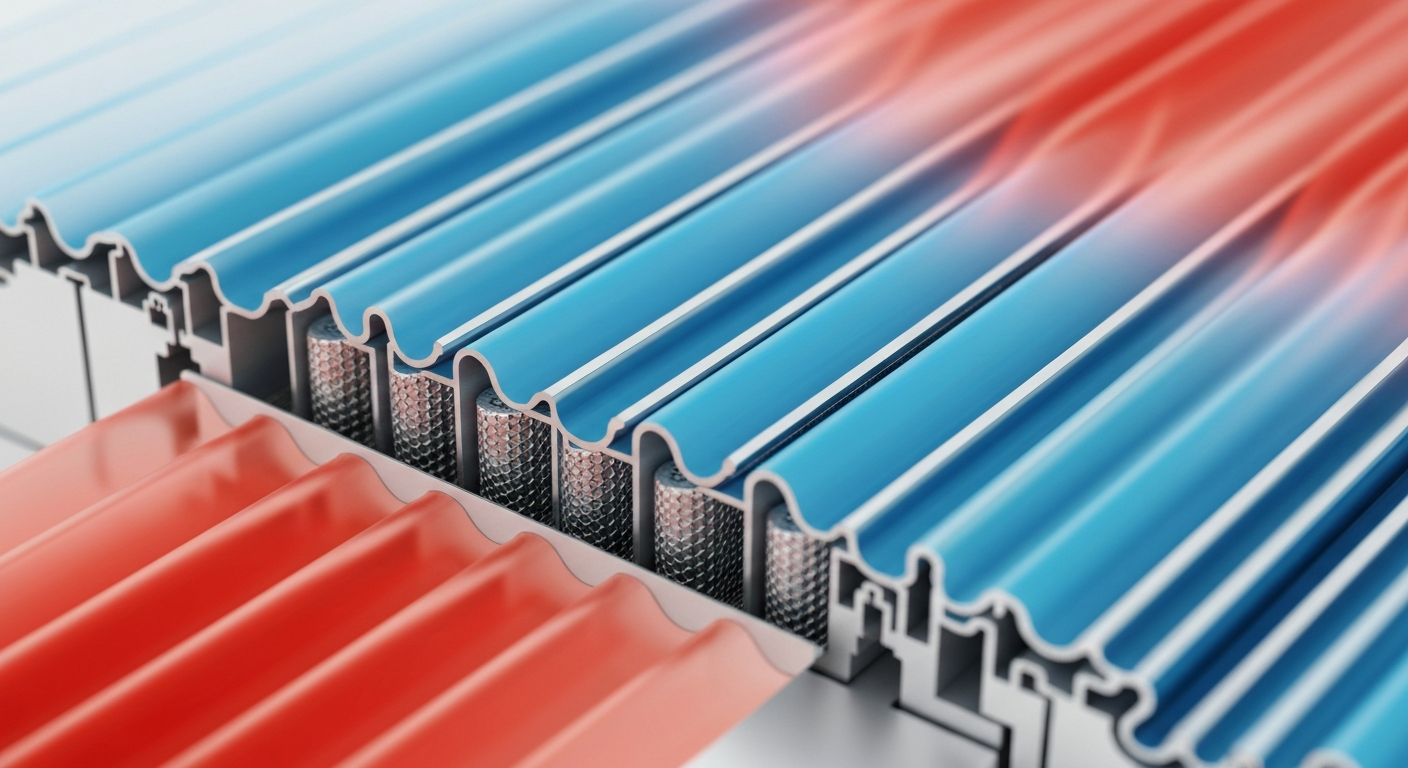
1. Control humidity
A family of four releases up to twelve liters of water into the indoor air every day through breathing, cooking, showering and plants. Without sufficient ventilation, this humidity settles on the coldest surfaces. A ventilation system continuously carries humid air outside.
Relative humidity stays in the ideal range of 40 to 60 percent. This protects your home's structure and helps prevent mold, which often develops in corners or behind furniture.
2. Reduce pollutants and allergens
Indoor air contains CO2, emissions from furniture (VOCs), household dust and pollen. High CO2 concentrations can make you tired and less focused. A ventilation system with a fine filter keeps most pollen and fine dust particles outside. This is a major benefit for people with allergies.
For a holistic approach, combine ventilation with other measures for a healthy home. Find useful accessories in our Pet Supplies category for low-dust environments or special Garden Equipment for improving air quality with plants.
Important note
A ventilation system does not replace extra ventilation during periods of heavy moisture, such as after bathing or cooking. At these times, also turn on the exhaust fan or briefly open a window. The system will then maintain the baseline air exchange.
3. Save energy through heat recovery
When you air out rooms by opening windows, valuable heating energy escapes unused. Modern ventilation systems with heat recovery reclaim up to 90 percent of this heat from the exhaust air. Fresh supply air is preheated without making the heating system work harder.
This significantly reduces your heating costs. The investment pays for itself over time. Units with a ground heat exchanger are especially efficient, cooling the air in summer and preheating it in winter.
What should I consider when planning and installing a system?
The success of your ventilation system depends on professional planning and installation. Take a systematic approach.
Determine your needs and choose a unit
First, calculate the required airflow. A guideline is 30 to 60 cubic meters of fresh air per hour per person. Take room sizes and usage into account. A bedroom needs less air exchange than a living room.
Then choose the right system. Ask yourself: Do I need a central solution for the whole house, or are decentralized units enough for problem rooms? You can also find useful guidance in our extensive shop for home and garden.
“The biggest planning mistakes are oversized systems that are too noisy and use too much electricity, as well as poorly positioned air outlets that cause drafts. When the calculations are precise, less is often more.”
The importance of air filters
Filters protect the unit and your indoor air. An outdoor air filter keeps out coarse dust, insects and leaves. A fine filter (e.g. F7) captures pollen and fine dust. An activated carbon filter neutralizes odors and gases.
Replace the filters regularly. A clogged filter reduces airflow, increases electricity use and can become a breeding ground for germs. Note the replacement intervals in your household planner.
Additional advice
Do not forget sound insulation. Sound bridges through wall brackets or leaky ducts can transmit noise. Use flexible hoses and silencers, and isolate the unit from the building structure. This keeps the ventilation system quiet.
What alternatives and add-ons are available?
Not every problem calls for a complete ventilation system. Sometimes simpler solutions can help.
Exhaust fans for damp rooms
Bathrooms, toilets and basements often use simple exhaust fans. You can switch them on manually or choose a humidity-controlled model. These systems only remove air. Fresh air then enters through leaks or dedicated air inlets in other rooms.
This is an inexpensive solution, but it does not recover heat. Choose quiet, efficient fans with a backdraft damper to keep cold air from flowing back inside.
Air purifiers and humidifiers
Air purifiers filter particles and gases from indoor air, but they do not replace stale air with fresh air. They are an add-on, not a substitute for ventilation. Humidifiers can help with overly dry indoor air caused by winter heating.
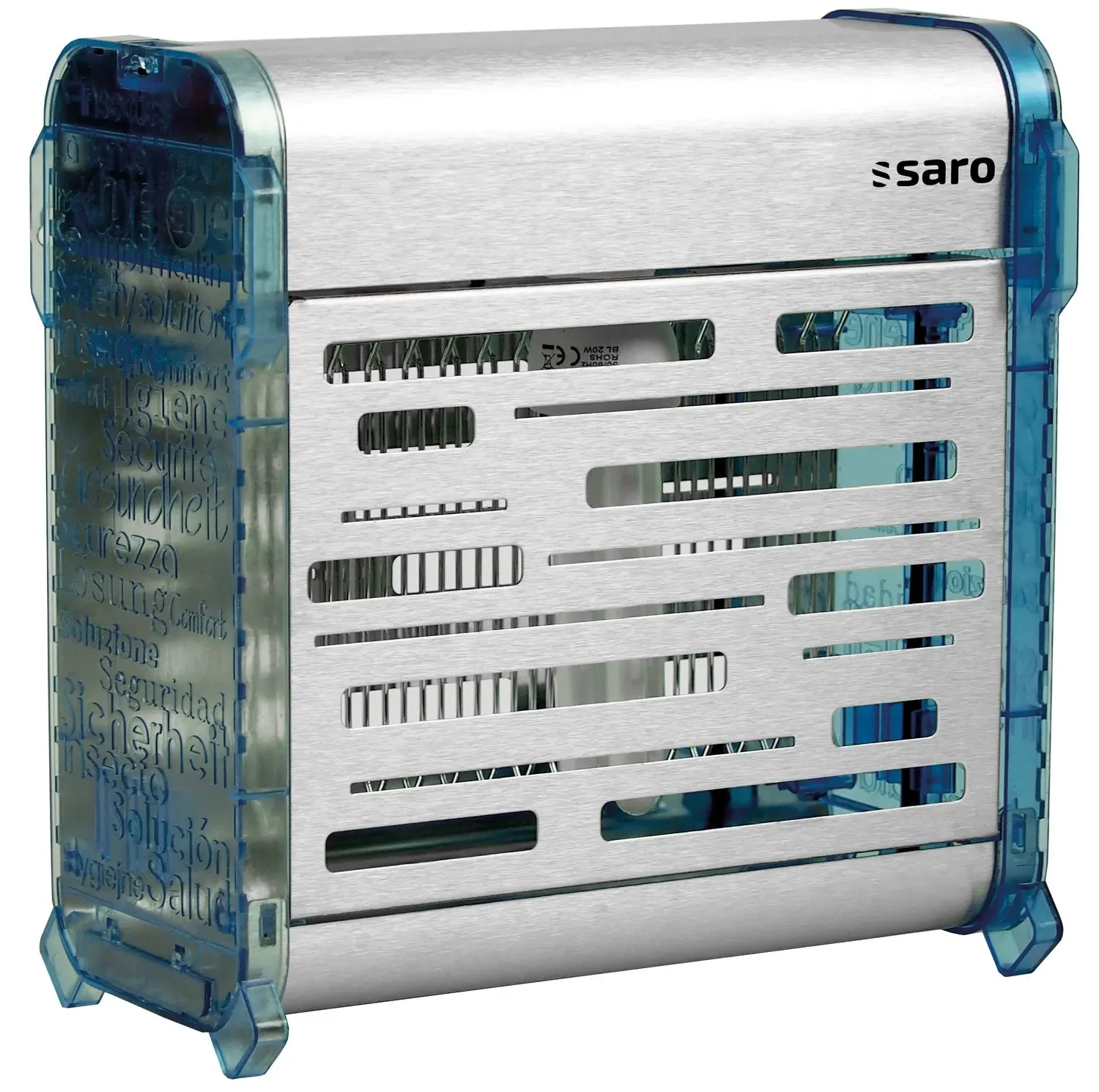
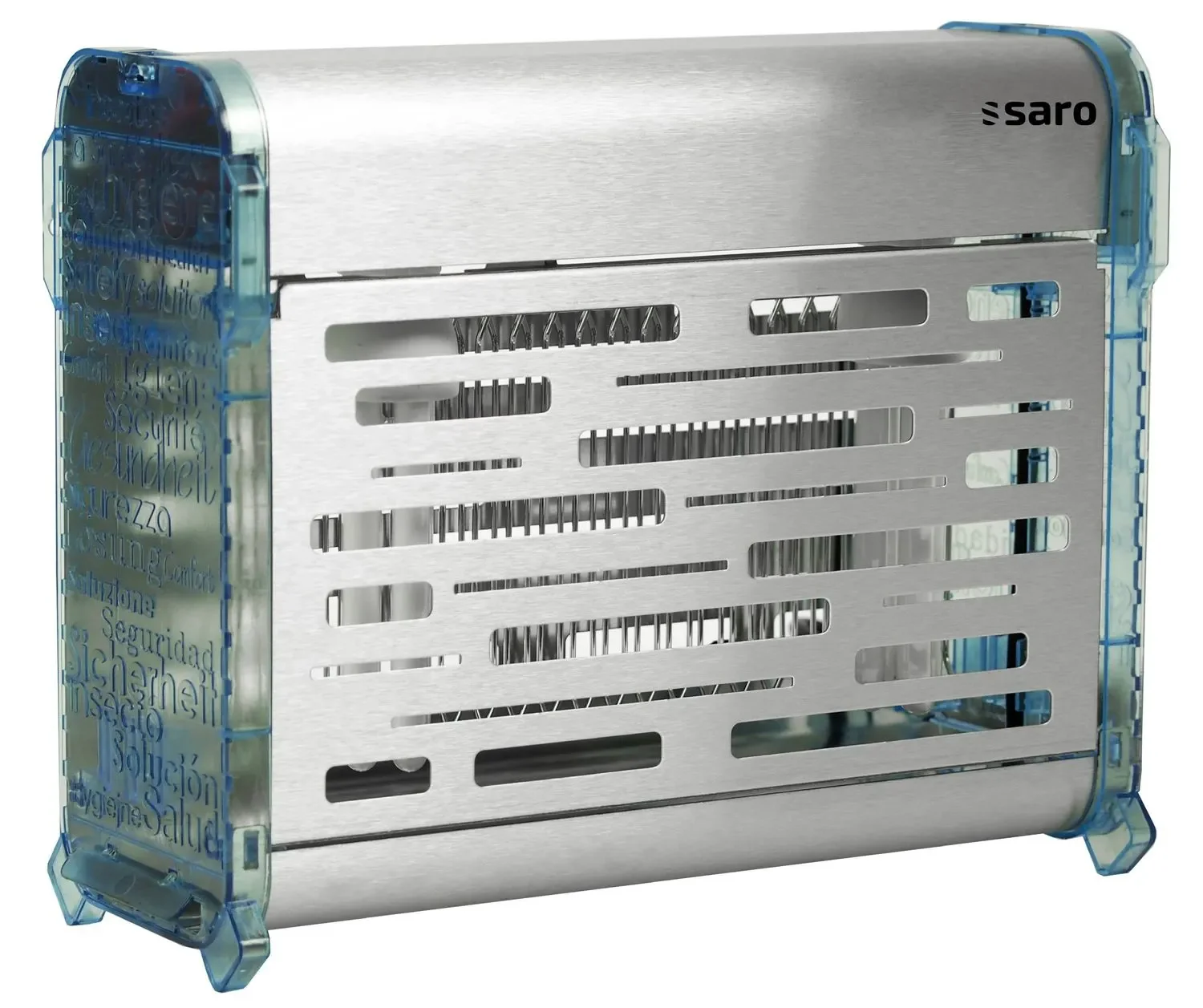
Use these devices together thoughtfully. A ventilation system supplies fresh, filtered air, while an air purifier further improves the air quality in the room. For an insect-free summer in well-ventilated rooms, electronic insect traps such as the
or more powerful models such as and

Costs, incentives and value for money
A central ventilation system with heat recovery costs between 8,000 and 15,000 euros for a single-family home. Decentralized units cost between 1,000 and 2,500 euros each.
The Federal Funding for Efficient Buildings (BEG) program helps cover installation costs. You may be eligible for grants of up to 20 percent of eligible costs. Be sure to apply before work begins.
Consider the long-term savings: Heat recovery can save 250 to 600 euros in energy costs per year. A ventilation system can also help reduce the risk of costly mold damage. The payback period is often 10 to 15 years.
Regular maintenance supports long-term performance
Budget around 100 to 200 euros a year for maintenance. A specialist checks the fans, heat recovery system, ductwork airtightness and controls. They clean the heat exchangers and replace the filters.
Regular maintenance helps keep the system efficient, extends its service life and supports hygienically clean air. It also helps prevent unpleasant odors and reduced performance.
Conclusion: Fresh air is the foundation of well-being
A ventilation system is more than a technical gadget. It helps create a healthy, comfortable indoor environment with fewer pollutants. It protects your home from moisture damage and saves energy.
Whether you choose a central or decentralized system, controlled ventilation means you no longer have to rely on opening windows by hand. You get fresh, filtered air around the clock. Invest in a lasting improvement to your quality of life. Start with expert advice and careful planning.
For your other home and garden projects, find inspiration and supplies in categories such as Garden + Outdoor or Tarps + Netting.
Frequently asked questions
- When do I need a ventilation system in my home?
- Controlled home ventilation is especially useful in well-insulated and newly built homes, where natural air exchange is limited. It can help address moisture problems and reduce the risk of mold. It is also helpful for people with allergies who want to reduce pollen and dust. Ventilation can improve air quality in rooms without windows, such as bathrooms and basements.
- How much does a ventilation system cost for a single-family home?
- A central ventilation system with heat recovery for a single-family home costs between 8,000 and 15,000 euros, including installation. Decentralized units cost 1,000 to 2,500 euros per room. Operating costs include electricity for the fans (approx. 50-150 €/year) and replacement filters.
- Can I install a ventilation system myself?
- Installing a central ventilation system with ductwork is best left to a professional. Planning airflow, installing the system and ensuring the ductwork is airtight are complex tasks. Experienced DIYers can often install simple decentralized units in individual rooms themselves, following the manufacturer's instructions.
- Does a ventilation system cause drafts?
- Modern ventilation systems are designed to operate without drafts. Air enters at low speed over a large area, for example through special transfer grilles or ceiling outlets. Proper planning and adjustment are essential. You will barely feel the airflow, but you will have fresh air throughout the day.
- How often should I change the filters in a ventilation system?
- Replace coarse dust filters every 3 to 6 months and fine-particle or pollen filters every 6 to 12 months. You may need to replace them more often in dusty environments or homes with pets. A dirty filter reduces performance, increases energy use and can cause unpleasant odors.
You may also be interested in
- Room ventilation: Types and benefits explained
- Installing a ventilation system: The essential rules
- Air purifiers for a better indoor environment: What to consider
- Bathroom exhaust fans: Fresh air and mold protection
- How to ventilate with a fan: Control humidity and prevent mold
- Dehumidifiers: Reduce humidity in your home