
In brief: You can achieve tender meat on the grill by choosing the right cooking method. Indirect grilling or smoking at a low temperature is ideal for thick cuts such as roast beef or whole chickens. The key is monitoring the internal temperature with a meat thermometer. Use direct grilling only for thin cuts such as steaks or burgers, which cook quickly over high heat.
How do you grill tender meat?
It takes less luck than a few basic techniques. Two methods dominate: direct and indirect grilling. Your choice can make or break the result. You also need to know the right internal temperature and how to use smoke effectively.
Think of your grill as an oven with different heat zones. Use them to cook every cut of meat perfectly. The right technique can make inexpensive meat taste great and turn a high-quality cut into something exceptional.
How to use heat sources correctly
Modern gas and charcoal grills often have several burners or let you arrange the charcoal in different ways. Create a hot zone for direct grilling and a cooler zone for indirect grilling. With a kettle grill, for example, pile the charcoal on just one side. This gives you the flexibility to prepare a complete meal at the same time.
Find everything you need for the perfect setup in our Grills + Grill Accessories category.
Pro tip
Always preheat your grill fully. With charcoal, wait until the coals are covered with a layer of white ash. With a gas grill, preheat with the lid closed for at least 10-15 minutes. This is the best way to maintain a steady temperature and keep the meat from sticking to the grates.
When should I use direct grilling?
Direct grilling means cooking over high heat with the meat directly above the heat source. The flames or hot coals sit just below the grate. This method works well for food you want to cook quickly or give a deeply browned crust.
Use direct heat for thin cuts, including steaks, burgers, fish fillets, sliced vegetables, and sausages. Cooking time is usually under 10 minutes. Turn the meat regularly to keep it from burning.
For anything that takes longer than 20 minutes, direct heat is the wrong approach. The meat will burn on the outside while staying raw inside. Switch to indirect heat instead.
The greatest skill in direct grilling is patience. Give the meat time to release from the grate. If it sticks, it is not ready to turn yet. Wait, and it will release on its own.
Creating the perfect crust on steak and more
Pat the meat dry with paper towels before placing it on the grill. A damp surface steams instead of searing. Season the meat generously just before it goes on the grate. The salt draws out moisture, which then evaporates quickly and promotes the Maillard reaction.
Place the meat on the hot zone and leave it there. Moving it during the first few minutes can prevent a crust from forming. Turn it only once it releases easily from the grate. For crosshatch grill marks, turn it 90 degrees halfway through the cooking time.
Why is indirect grilling essential for tender meat?
Indirect grilling means cooking with ambient heat. The heat source sits beside the meat rather than directly beneath it. Close the grill lid so the grill works like a convection oven.
This method is the secret to tender meat. It cooks large, thick cuts gently and evenly. The fibers have time to break down without the outside of the meat burning. Try it with a whole chicken, pork loin, or roast beef.
The ideal temperature for indirect grilling is between 110°C and 160°C. Monitor it with a grill thermometer. Find high-quality models for precise readings in our shop.
Important note
When indirect grilling with the lid closed, never use denatured alcohol or other fire starters that accelerate ignition. The vapors can collect inside the grill and cause a flash fire when you open it. Use only solid fire starters or a hair dryer with charcoal.
Preparing for indirect heat
With a charcoal grill, pile the hot coals along the sides or on just one half of the grill. Place a heatproof container filled with water or cooking juices in the center. This keeps the humidity high and catches dripping fat.
With a gas grill, turn on only the outer burners and leave the middle burner off. Place the meat directly over the cool zone. Close the lid and open it only to check the temperature or baste the meat.
Cooking time increases significantly. Allow about 1,5 hours for a whole chicken. The advantage is that you hardly need to intervene, leaving you time to prepare side dishes or entertain your guests.
How do I check the internal temperature accurately?
Internal temperature is the only reliable indicator of doneness. Judging by appearance or touch can be misleading, especially with unusual shapes. A digital meat thermometer is your most important investment alongside the grill itself.
Insert the thermometer tip into the thickest part of the cut. Avoid bones and large seams of fat. With chicken, measure both the breast and thighs, as they cook at different rates.
Here are the most important target temperatures for tender meat: chicken breast 72°C, pork 63°C (well done) or 58°C (pink), beef steak medium 60-62°C. Remember carryover cooking. Remove the meat from the grill about 3-5 degrees below the target temperature, as it will continue cooking while it rests.
Additional advice
For precise results, use a thermometer with a probe that stays in the meat and sends readings wirelessly to a base station. That way, you do not need to open the lid and lose heat. These models are perfect for smoking for several hours or cooking large roasts.
Why resting the meat is so important
Immediately after grilling, the meat juices collect in the center of the cut. If you slice it right away, the juices run onto the plate and the meat becomes dry.
After grilling, let the meat rest on a warm plate or cutting board. Cover it loosely with aluminum foil. Five minutes is enough for a steak. A large roast needs 15-20 minutes. During this time, the juices redistribute evenly throughout the fibers.
The result is juicy meat in every bite. This resting phase is not wasted time; it is the final crucial step in the cooking process.
What role do wood chips and smoke play?
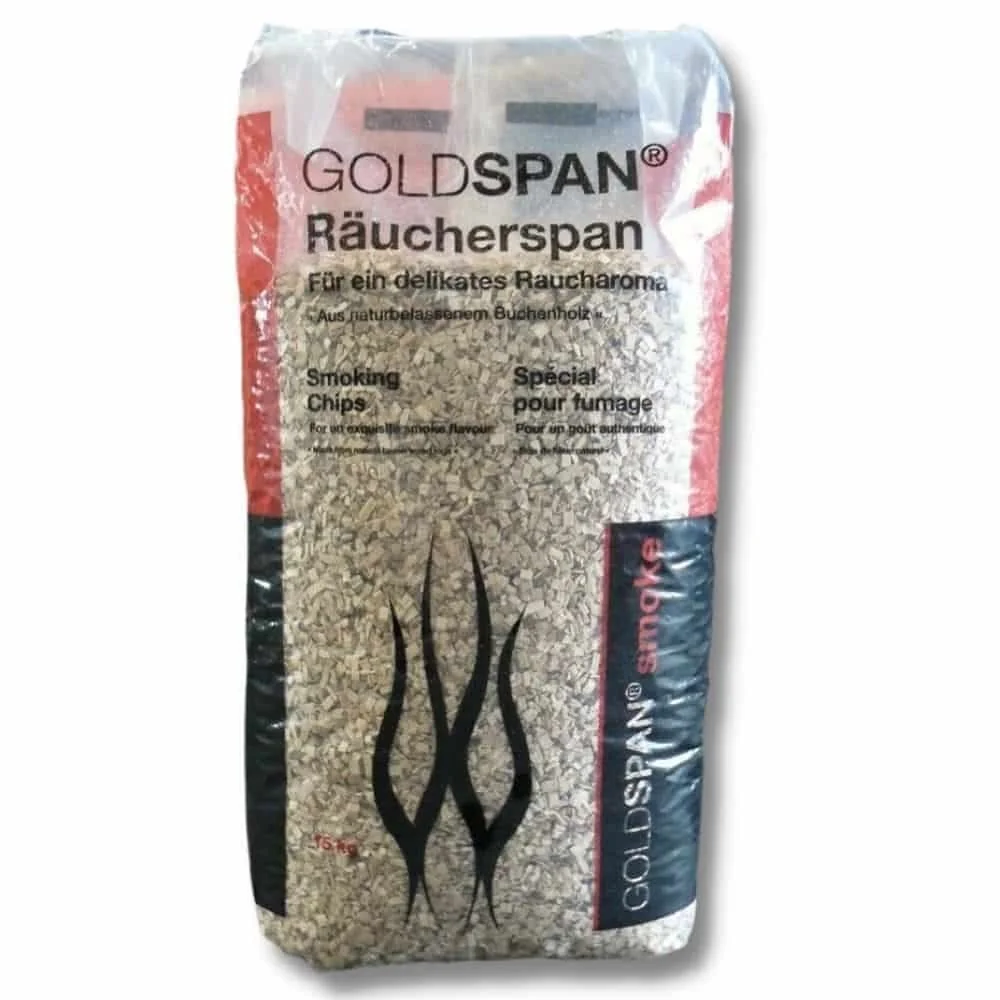
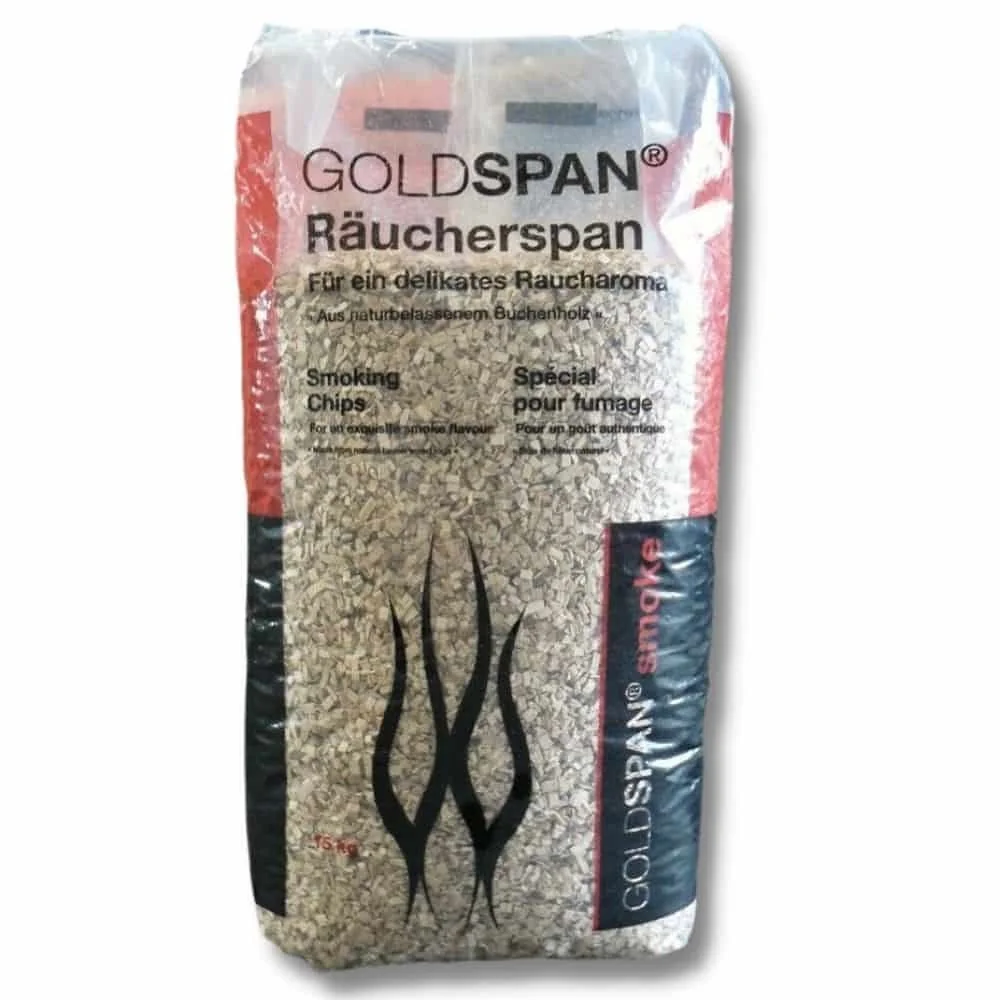
Wood chips give meat a smoky flavor reminiscent of professional BBQ. Smoke only flavors the meat during the first hour of cooking; after that, it can’t absorb any more smoky flavor. Add the chips at the beginning.
For gas grills, you’ll need a smoker box, or you can wrap the soaked chips in aluminum foil and pierce it in several places. Place the packet directly on the burner. With charcoal grills, simply scatter the damp chips over the glowing coals.
The type of wood determines the flavor. Beech and alder are mild and versatile. Hickory gives a strong, bacon-like aroma. Fruit woods such as apple or cherry are sweet and delicate. For an intense smoky flavor in a short time, fine smoking dust such as or are ideal.
Smoke is a seasoning. Don’t overdo it. The goal is to enhance the meat’s natural flavor, not overpower it. Less is often more, especially with delicate poultry or fish.
Smoking as an advanced technique
Smoking is indirect grilling at a very low temperature (around 110°C) for many hours, often with plenty of smoke. This method breaks down even tough cuts such as brisket or pork shoulder into tender fibers.
You’ll need an enclosed grill or a smoker for this. Temperature control is essential. Always use a water pan in the grill to keep the meat moist. Allow 6 to 12 hours for a large cut of meat.
To get started with smoking, the offers expert advice and recipes. You can also explore our selection of Grills + fire pits to find the perfect place to start.

Do I need to marinate meat before grilling?
Marinating is optional. A good marinade made with oil, an acid (lemon, vinegar, or yogurt), and spices can add flavor to the surface and make it slightly more tender. However, it rarely penetrates deeper than 2-3 millimeters.
Marinades don’t tenderize the inside of the meat. You can only achieve that with the right grilling technique and cooking time. For high-quality steaks from mature cattle, coarse salt and freshly ground pepper are often all you need.
If you marinate meat, always do so in the refrigerator. Never leave meat sitting in an acidic marinade at room temperature for hours. This encourages bacterial growth and can make the outer layer of meat unpleasantly mushy.
Alternatives to a classic marinade
A dry rub is a mixture of dry spices that you rub firmly into the meat before grilling. It forms a flavorful crust. Brining, or soaking meat in a saltwater solution, makes poultry or lean pork juicier through osmosis.
Adding a little butter to the meat during the last few minutes of grilling is a great tip. The butter melts, carries the spices into tiny cracks, and creates an incredibly juicy mouthfeel. Try herb butter with rosemary and garlic.
For everything from spices to specialty grilling oils, take a look at our Garden + Outdoor section.
Tender grilled meat is no secret. It comes down to understanding heat, time, and temperature. Start with the right method for your cut of meat. Check the internal temperature. Use smoke as a seasoning. With these basics, every barbecue can be a success. Experiment with confidence. Every cut of meat is a new opportunity.
Frequently asked questions
- What’s the difference between direct and indirect grilling?
- With direct grilling, the meat sits directly over the heat source for quick, intense browning. It’s suitable for thin cuts such as steaks. With indirect grilling, the meat cooks next to the heat source in a closed grill, surrounded by heat. This method is ideal for large, thick cuts such as roasts or whole chickens that need a longer cooking time.
- How do you measure the internal temperature when grilling?
- Insert the meat thermometer into the thickest part of the cut. Don’t insert it into bone or fat, as that can distort the reading. For poultry, measure the temperature in the breast and thighs. Wait until the temperature reading stabilizes. A digital thermometer with a thin probe provides the most accurate results.
- Which wood chips are best for different types of meat?
- Beech and alder are versatile choices for poultry, pork, and fish. Hickory and mesquite have an intense, smoky flavor that pairs well with beef and game. Fruit woods such as apple or cherry create a mild, slightly sweet smoky flavor, making them ideal for pork, poultry, and vegetables. For short cooking times, use fine wood chips such as PRODUCT_23317.
- Does meat need to be marinated before grilling?
- No, marinating is optional. A marinade made with oil, an acid, and spices can add flavor and tenderize the surface, but it only penetrates a few millimeters. The right grilling technique and cooking time matter more for tender meat. For high-quality steaks, salt and pepper are often all you need. To be safe, marinate meat in the refrigerator, never at room temperature.
- How long should meat rest after grilling?
- Always let meat rest after grilling. Five minutes is enough for a steak, while a large roast or whole chicken should rest for 10-15 minutes. During this time, the juices redistribute throughout the meat. If you cut into it right away, the juices will run out and the meat will dry out. Cover it loosely with aluminum foil.
You may also be interested in
- How to light a grill safely and effectively
- How to grill properly: Tips for the perfect barbecue
- Grills tested: Which grill is right for you?
- The right grilling accessories for your perfect BBQ
- Charcoal grill tips: Lighting, grilling, and maintenance
- The perfect barbecue party: Planning, recipes, and drink tips