
In brief: Clean bungee cords with lukewarm water and mild soap, then let them dry completely in the shade. Store the cords relaxed, in a cool, dry and dark place to protect them from UV radiation and extreme temperatures. Do not overstretch them and avoid sharp edges.
Bungee cords are the unsung heroes of the workshop, garden and transport. They hold tarpaulins in place during storms, secure loads on trailers and bundle up garden tools. Yet they often spend their lives neglected in a damp corner until they become brittle, lose their tension or snap. With the right care and storage, you can significantly extend the life of your tie-down straps and improve safety.
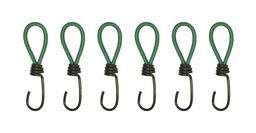
A reliable stock of helpful essentials is indispensable. The bungee cord set () provides six robust bungee cords for tarpaulins, cargo nets and securing luggage. To ensure these and your existing straps last a long time, you need to know and avoid their typical weak points.
Why do bungee cords age and lose their tension?
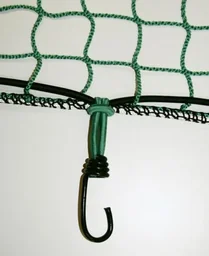
A bungee cord consists of two main components: a core made from elastic rubber or latex strands and a protective outer sheath made from polypropylene or another durable fabric. Both parts are vulnerable to environmental influences that accelerate the ageing process.
The biggest enemies: UV radiation, heat and cold
Sunlight is the main cause of material fatigue. Ultraviolet radiation breaks down the long molecular chains in the rubber and the outer fabric. The material becomes brittle and porous and loses its elasticity. You can recognise this process by faded colours and a rough, cracked surface.
Extreme temperatures also affect bungee cords. Intense summer heat, such as on a dark loading area, softens the rubber and can make it sticky. Prolonged winter cold makes the material hard and increases the risk of breakage under load. Constant temperature changes accelerate this wear.
Mechanical stress: overstretching and sharp edges
Every bungee cord has a maximum stretch limit. If you regularly exceed this limit, you overload the rubber fibres in the core. They gradually tear, causing a permanent loss of elasticity. The cord becomes stretched out and can no longer provide secure tension.
Sharp edges on loads, metal eyelets or vehicle parts are another hazard. They wear through the outer sheath and expose the sensitive rubber core. Once the core is unprotected, moisture and UV light penetrate directly and destroy the cord from the inside.
Chemicals and moisture as silent destroyers
Contact with oil, petrol, solvents or aggressive cleaning products is extremely harmful to bungee cords. These chemicals remove the plasticisers from the material and break down the fibres. Therefore, never store your cords where such substances could leak.
Persistent dampness is also damaging. Moisture that cannot dry out encourages mould and mildew to form on the outer sheath. This is not only unsightly, but also attacks the fabric over time and can damage the rubber fibres inside.
A bungee cord is only as strong as its core. As soon as the outer sheath is damaged, UV radiation and moisture penetrate unhindered and break down the rubber fibres from the inside.
The right way to clean them: How do I clean bungee cords gently?
After use in a muddy garden or on a dusty building site, cleaning is essential. Dirt particles act like sandpaper and rub against the fibres with every movement. However, the wrong cleaning method can do more harm than good.
Gentle hand washing: explained step by step
The best method is simple hand washing. First, remove coarse dirt and mud with a soft brush. Then fill a bucket with lukewarm water and add a small amount of pH-neutral soap or mild washing-up liquid. Place the bungee cords in the water and clean them with a sponge or soft cloth. Then rinse them thoroughly with clean water until all soap residue has been removed.
What you should always avoid
Never use a pressure washer. The powerful water jet can damage the outer fabric and force water directly into the core. The washing machine and tumble dryer are also off limits. Mechanical stress and high temperatures destroy the elasticity. Aggressive cleaners, bleach and solvents are also unsuitable because they attack the material structure.
Important note
Never clean bungee cords with petrol, thinners or other aggressive solvents. These substances attack both the rubber and textile fibres and can make the cord unusable and unsafe.
Drying: patience is key
After washing, gently squeeze out excess water with an old towel. Hang the bungee cords up to dry, preferably in a well-ventilated, shady place. Direct sunlight or drying them on a radiator will undo all your care and damage the material again.
How can I tell if a bungee cord is worn out?
Even with the best care, the service life of a bungee cord is limited. For your safety, it is essential to identify worn-out cords in good time and remove them from use. Before every important use, take a moment to carry out a visual and functional check.

Visible damage to the outer sheath
Inspect the entire fabric sheath. Look for worn areas, small cuts or holes. Frayed sections are a clear warning sign. Severe discolouration or faded areas also indicate advanced UV damage. If the fabric feels stiff or brittle in places, the end of its service life is near.
Reduced elasticity and deformed hooks
A good bungee cord quickly and powerfully returns to its original length. If a cord feels tired or remains stretched for longer than usual, the rubber core has already lost strength. Also check the metal hooks. If they are bent, rusty or show fine hairline cracks at the base, replace the cord. A hook that breaks can become a dangerous projectile.
When the core becomes visible: replace it immediately!
The clearest sign that a cord must be replaced immediately is a damaged sheath through which the white or black rubber fibres of the core become visible. At this point, there is no protection left and the cord can snap without warning under the next load. Such a bungee cord poses a significant safety risk.
Pro tip
Carry out a quick stretch test before every important load-securing job. Stretch the bungee cord to about 50 % of its maximum length. If it feels weak or you hear crackling noises, remove it from use. Safety comes first.
The Best Way to Store Bungee Cords: How Should I Store Them Properly?
The time when a bungee cord is not in use is crucial to its longevity. Improper storage can cause it to age faster than regular use.
The Ideal Storage Location: Cool, Dry and Dark
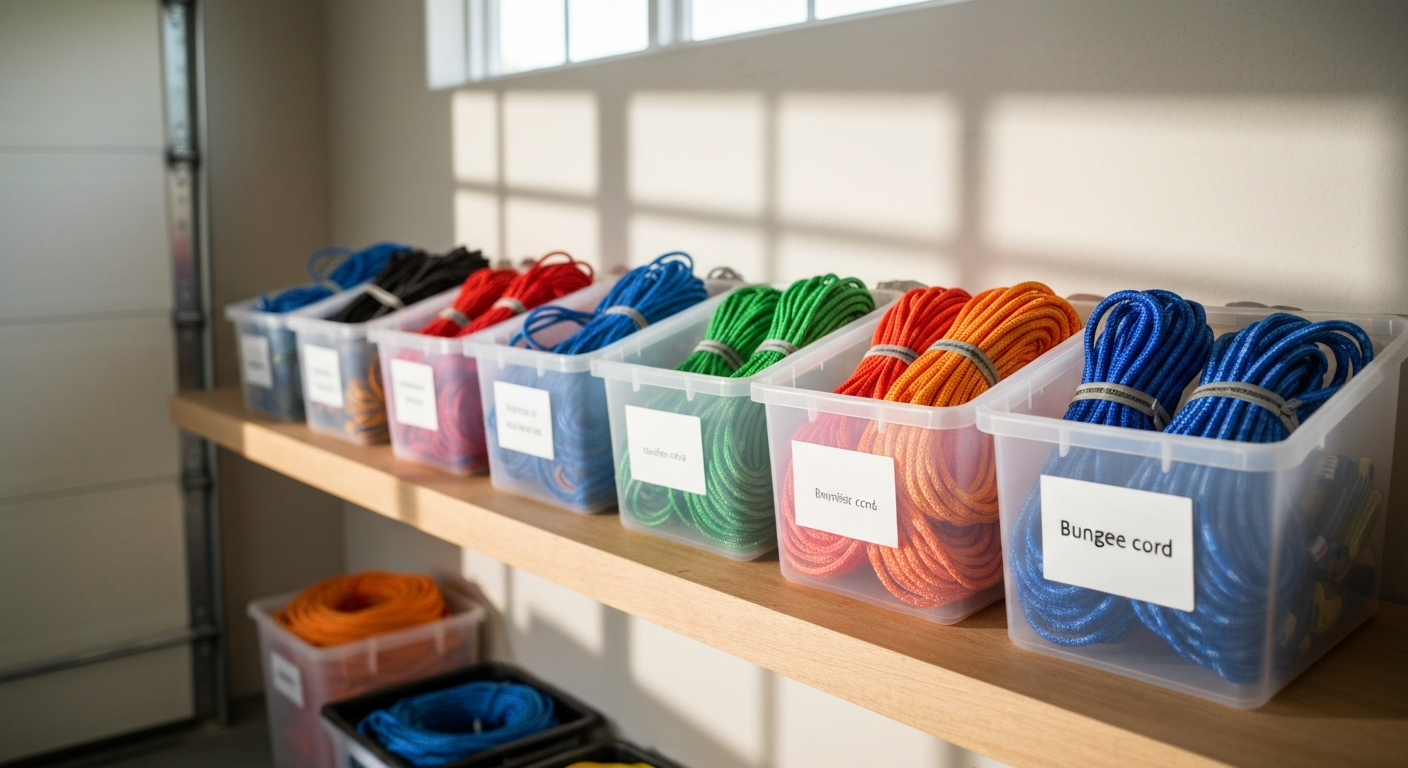
Choose a place protected from the main damaging factors: sunlight, extreme temperatures and moisture. A dry basement, garage or tool cabinet in the workshop supplies section is ideal. Avoid the loft, which can become extremely hot in summer, or a damp corner of the garden shed.
Storage Systems for Bungee Cords and Straps
Do not simply throw your bungee cords into a box. They can become tangled, rub against each other and damage other tools. Organised storage protects the material and saves you time the next time you use them. Hang the cords individually on hooks or a dedicated holder. Loosely coil longer straps and secure them with a hook-and-loop strap. This prevents kinks and tangles.
Additional Tip
An old coffee pot or an empty cable reel is ideal for coiling longer tie-down straps without creating kinks. This keeps them flexible and ready for immediate use whenever needed.
Avoid Tension: Never Store Them Under Load
The most important rule for storage is that bungee cords must always be stored in a relaxed state. Never leave them stretched, for example to hold tools against a wall. Permanent stretching inevitably leads to material fatigue and a lasting loss of elasticity.
Material Care Tips to Extend Their Service Life
Beyond basic cleaning and storage, you can further extend the service life of your bungee cords with a few smart habits when using them.
Protecting Them from UV Radiation During Use
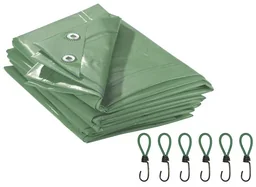
When securing tarpaulins + nets outdoors for an extended period, try to position the bungee cords so that they are shaded by the tarpaulin itself as much as possible. With sets such as the PE tarpaulin 200 x 300 cm, 90g/m² - 6 bungee cords included free () or the larger PE tarpaulin 3 x 4 m (), you can deliberately attach the cords below the edge of the tarpaulin to protect them from direct sunlight.
Avoiding Contact with Sharp Edges
Pad sharp edges on your load before stretching a bungee cord over them. A piece of thick cardboard, an old blanket or special corner protectors can prevent the outer sheath from being worn through. This small precaution can make the difference between a long-lasting bungee cord and one that is quickly damaged.
Special Care Products: Useful or Unnecessary?
Special care sprays or products are generally not necessary for bungee cords. Regular, gentle cleaning is sufficient. Some rubber care products from the automotive sector (e.g. for door seals) could help keep the outer sheath flexible, but they are usually unnecessary. A light dusting of talcum powder can prevent sticking during very long-term storage, but is not normally required.
Good care is an investment. A few minutes spent cleaning and storing your bungee cords properly can double their service life, saving you money and helping you avoid dangerous situations caused by material failure.
By actively caring for your bungee cords, you turn them from a disposable item into a durable and reliable tool. Regular inspection, gentle cleaning and thoughtful storage are the keys to maximum service life and safety for all your garden + outdoor projects. A well-organised supply of undamaged bungee cords, such as the 6-piece bungee cord set (), is a valuable addition to any workshop.
Frequently Asked Questions
- How often should I inspect bungee cords?
- Check bungee cords for visible damage such as cracks, worn areas or porous coverings before every use. A more thorough inspection for loss of elasticity is recommended at least once per season, especially after intensive use or extended storage.
- Can I repair a bungee cord?
- No, repairing one is not safe. A damaged bungee cord, especially one with an exposed rubber core, has lost its structural integrity. Replacement is the only safe option to prevent accidents caused by cords snapping.
- What is the maximum lifespan of bungee cords?
- The lifespan depends heavily on how they are used and stored. With regular use and proper care, high-quality bungee cords can last for several years. Constant exposure to UV rays or frequent overstretching can reduce their lifespan to just a few months.
- Can you tie knots in bungee cords?
- Avoid tying knots in bungee cords. Knots create high point loads and friction, weakening the covering and rubber core. Instead, use cords of the correct length or adjustable models for your needs.
- Why are my bungee cords becoming sticky?
- Stickiness is often a sign that the material is breaking down due to heat, UV radiation or contact with chemicals. Plasticiser is leaching out of the rubber. Clean the cord carefully. If it remains sticky, this is a clear sign of ageing and it should be replaced.
You may also be interested in
- Bungee Cord Buying Guide: What to Look for & Which Length?
- The 5 Most Common Bungee Cord Mistakes (and How to Avoid Them)
- How to Care for Rubber & Plastic Properly: Extend Their Lifespan
- How to Store an Inflatable Boat Properly: Protect Your Boat
- How to Care for Garden Tools: Make Your Tools Last Longer
- How to Care for and Clean a Garden Waste Bag: Make It Last