
In brief: Choose garden tools according to your specific needs and soil type. An ergonomic handle and high-quality steel are essential. Regular care after every use extends their lifespan by years. Clean your tools, oil moving parts and sharpen cutting edges. This keeps your garden tools ready for use at all times.
The basics: What to look for when buying
The first step towards a well-kept garden begins not in the flower bed, but when you buy your tools. The choice is wide, but not every tool is suitable for every task. Focus on three key points: purpose, material quality and ergonomics.
Start by analysing your garden. Do you work with heavy clay soil or light sandy soil? Do you cut thick branches or only thin twigs? The answer determines the stability and cutting power you need. A robust garden tool for hard soil has a different construction from a lightweight tool for loose earth.
Material is the key to durability. For cutting tools such as shears or knives, quality means high-grade steel. It stays sharp and is less prone to rust. Ash wood has proved its worth for handles because it is strong yet flexible. Stable plastic or metal handles are alternatives.
A tool must suit both your hand and the task. The wrong spade can turn a simple digging job into a chore. Invest in a few good basics rather than a case full of cheap tools.
Do not forget ergonomics. The handle must sit comfortably in your hand. Try the tool out if possible. A handle that is too thin or too thick can quickly cause blisters. An ergonomically shaped handle reduces strain on your wrist and forearm during repetitive movements.
The right tools for classic gardening tasks
For most gardening projects, you need a manageable selection of tools. Here is a guide to the basic equipment.
Preparing the soil: A spade or digging fork turns over heavy soil. A cultivator or garden claw loosens soil that has already been worked. A planting accessory such as a bulb planter is useful for planting flower bulbs or seedlings.
Cutting and pruning: Robust loppers cut through thicker branches up to about 4 cm in diameter. Garden equipment for shaping hedges includes hedge shears. Secateurs with a bypass mechanism are ideal for precise cuts on roses or thin branches.
Sowing and weeding: A hand trowel or dibber is perfect for making small holes. A weeding knife removes deep-rooted weeds with their roots. A rake levels flower beds and gathers leaves.
Pro tip
Buy tools outside the main season. In autumn or early winter, you can often find high-quality garden tools at reduced prices. This means you will be well equipped when the new gardening season begins.
Why care is just as important as choosing the right tools
An expensive tool quickly loses its value if you leave it dirty in a corner after use. Soil, plant sap and moisture damage metal and wood. A simple, regular care routine extends the lifespan of your tools by years.
The most important rule is: clean your tools immediately after use. Remove stuck-on soil with a brush or a coarse cloth. For stubborn dirt, use a hose with clean water. Then dry all parts thoroughly, especially before storing them.
Rust is the biggest enemy of garden tools. A thin layer of rust can blunt a sharp blade. Check your tools regularly. Act immediately at the first signs of rust.
Important note
Never use a grinding wheel or a coarse file to sharpen secateurs. The heat generated can destroy the hardness of the steel. Use a fine sharpening stone or a special secateurs sharpener, working carefully at the original bevel angle.
Moving parts such as the hinges on secateurs need lubrication. After cleaning, apply a light machine oil or special tool oil. This prevents the parts from seizing and ensures a smooth, clean cut.
A step-by-step tool care routine
Allow ten minutes for tool care after gardening. Here is a systematic approach.
1. Initial cleaning: Knock off large clumps of soil. Brush dirt from blades and handles.
2. Damp cleaning: Wipe everything with a damp cloth. Use methylated spirits for plant sap on secateurs.
3. Drying: Thoroughly wipe all metal and wooden parts with a dry cloth.
4. Oiling: Dab oil onto hinges, springs and bare metal surfaces.
5. Storage: Hang the tools up or stand them upright in a dry room.
For the Garden & Outdoor season, well-organised storage is essential. A tool board on the wall or a sturdy tool trolley keeps everything tidy and protects your equipment.
How to keep cutting tools sharp and safe
Blunt secateurs and knives are more than just inefficient. They crush plant tissue instead of cutting it. This injures the plant, leaves ragged wounds and creates an entry point for disease and rot.
Check sharpness regularly. A sharp blade cuts through a sheet of paper cleanly without tearing it. With secateurs, the cut through a thin twig should be smooth and leave no crushed area. It is time to sharpen them when more force is needed or the cut becomes uneven.
Learn the correct angle. Most blades have an existing bevel angle. Maintain this angle when sharpening. An angle that is too shallow makes the edge unstable, while one that is too steep makes it blunt. If you are unsure, start with a handheld sharpening stone.
Sharpening is precision work, not a feat of strength. Guide the stone over the edge with light pressure and a constant angle. Ten deliberate strokes are better than a hundred hurried ones. Check the result after every stroke.
Care is important after sharpening. Remove all metal filings. Oil the hinge. Check that the secateurs are still adjusted correctly. With bypass secateurs, the blades should not touch except at the cutting edge. The adjustment screw can usually be fine-tuned with an Allen key.
Additional advice
Disinfect your secateurs' blades, especially after cutting diseased wood. A cloth with methylated spirits or a special disinfectant spray is sufficient. This prevents fungal spores or bacteria from being transferred to healthy plants.
Proper storage protects your tools and your wallet
Winter or even just a rainy week can damage tools that are stored incorrectly. Moisture encourages rust on metal and fungal growth on wood. Direct sunlight can make plastic handles brittle.
The ideal storage location is dry, well ventilated and frost-free. A garden shed, dry basement or garage is suitable. Avoid storing tools directly on damp floors. Use hooks, brackets or shelving systems.
Wooden handles benefit from occasional treatment with linseed oil. The oil penetrates the wood, protects against drying out and cracking, and makes the handle easier to grip. Apply it thinly, let it soak in and wipe off any excess.
Petrol-powered equipment, which you will find in our power tools category and among high-performance tools, requires special care. Before storing it for winter, empty the fuel tank or add a fuel stabiliser. Change the oil and clean the air filters. This ensures the engine starts reliably in spring.
Thoughtful storage does more than save space. It protects your investment, prevents accidents caused by tools left lying around and helps you find everything immediately. A well-organised shop for garden supplies makes it easier to choose suitable storage solutions.
Checklist before storing tools for winter
Run through these points before putting your tools away for the cold season.
- Have all tools been cleaned and dried?
- Have cutting edges been sharpened and oiled?
- Have areas of rust been treated?
- Have wooden handles been checked for cracks and oiled?
- Have loose parts, such as screws, been tightened?
- Have petrol- or electric-powered tools been prepared for maintenance?
- Is the storage area dry and tidy?
With this routine, you can start the new season with tools in top condition. You will not need to repair or replace anything and can get started straight away.
Sets vs. individual tools: Which is right for you?
The shelves are full of tempting garden tool sets. They promise everything in one case. Individual tools advertise professional quality. The right choice depends on your type of garden and your ambitions.
Garden tool sets such as the
or offer a quick start. They are affordable and provide a complete basic set all at once. This is ideal for beginners, balcony gardeners or people who only do light gardening occasionally.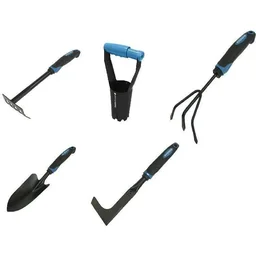
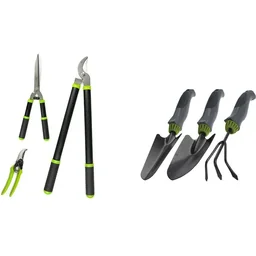
The downside of sets is often compromise on quality. To keep prices low, manufacturers tend to use thinner metal, less ergonomic handles and simpler construction. A tool in a set must be good enough for many tasks, but is not ideal for any specific job.
Individual tools are the choice for passionate gardeners. You buy a spade that is perfect for your height and soil. You choose loppers like the ones in the
, which handles exactly the maximum branch thickness you need. The quality is higher, the service life longer and the gardening experience more enjoyable.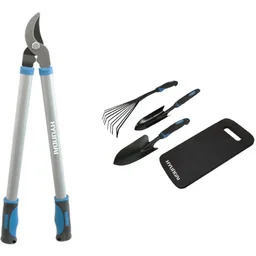
A smart mixed strategy is to start with a solid basic set. Then replace the tools you use most often and that wear out fastest with high-quality individual tools. This allows you to build a professional collection gradually without exceeding your budget.
Whichever route you choose, care remains the key. A well-maintained individual tool can last for decades. A neglected tool from a set is often unusable after just one season. So always invest a little time in cleaning and maintenance.
With the right selection and consistent care, your garden tools will become reliable partners for many years. They make work easier, protect your back and help you create the garden of your dreams. Start your first maintenance routine today.
Frequently asked questions
- How can I recognise good quality in a garden trowel?
- A high-quality trowel has a blade made from cold-forged or pressed steel that does not bend. The connection between the blade and handle is forged or welded, not merely glued. The handle is made from durable ash wood or glass-fibre-reinforced plastic and feels comfortable in the hand.
- How often do I need to sharpen my secateurs?
- Sharpen the blades of your secateurs as soon as they stop making clean cuts and start crushing branches. With regular use, this may be necessary several times per season. A quick pass with a sharpening stone after each cleaning will help the blades stay sharp for longer.
- Can I still save rusty garden tools?
- Yes, you can remove light surface rust with steel wool or a wire brush. For heavier rust, soak the tool in vinegar or use a specialist rust remover. Dry the tool thoroughly afterwards and treat the metal parts with a protective oil or wax.
- Are sets or individual tools the better choice?
- For beginners or occasional gardeners, sets offer an affordable basic collection of tools. For demanding or frequent jobs, it is worth investing in individual, high-quality specialist tools. They are more ergonomic, last longer and make the work noticeably easier.
- How should I store garden tools over winter?
- Clean all tools thoroughly to remove soil and plant residue. Sharpen cutting edges and apply a thin film of oil to metal parts. Store the tools in a dry, frost-free place, preferably hanging or upright, to avoid putting pressure on the handles.
You might also be interested in
- How to care for garden tools: Make your tools last longer
- Garden tools: The basic equipment for every gardening job
- Cordless grass and shrub shears: How to care for your tool for a long service life
- Choosing secateurs: Tips for making the perfect choice
- How to sharpen secateurs: Get your tools back in top condition
- Choosing and caring for garden furniture: Enjoy it for years to come