
In brief: Cleaning a carpet properly takes a clear plan. Vacuum regularly, treat stains as soon as they happen and choose the right method for the type of stain. Steam cleaners and carpet shampoos are good options for deep cleaning. Specialty rugs, such as kids' rugs, often need gentle, specific care.
How to Clean a Carpet: Practical Care Tips
A clean carpet can transform a room. It feels better underfoot, looks well cared for and helps create a healthier indoor environment. Proper cleaning protects your investment and can significantly extend your carpet's life.
Here, we cover everyday care, targeted stain removal and thorough deep cleaning. Your carpet's material plays a key role in choosing the right approach.
What is the basic care routine for every carpet?
Without regular care, dirt works its way deep into the fibers, causing wear and faded colors. Start with the right vacuum cleaner.
A vacuum cleaner with an adjustable floor head is ideal. Set the height so the brushes just touch the carpet. Too much pressure can damage the fibers, while too little may leave dirt behind.
Vacuum thoroughly at least once a week. In high-traffic areas, such as hallways or beside the sofa, go over the carpet a second time. Remember to clean the edges and corners.
Use the right vacuuming technique
Move the vacuum cleaner slowly back and forth, overlapping each pass. Moving too quickly can simply stir up dirt. Change direction regularly to lift the carpet pile.
For deep-pile carpets or special materials such as wool, a brush attachment is often gentler. Check the manufacturer's care instructions.
Pro tip
Place doormats outside frequently used doors. They catch up to 80 percent of coarse dirt before it reaches your carpet, reducing how often you need to vacuum.
How do I remove stains quickly and correctly?
Acting quickly is key to successful stain removal. The longer a stain sits, the harder it is to remove.
First, carefully lift away solid debris with a spoon or the back of a knife. Blot liquid stains with an absorbent white cloth or paper towels. Never rub, as this can push the stain deeper into the fibers.
Identify the type of stain. Grease, coffee, red wine and blood all need different treatments. Using the wrong product can set the stain.
Home remedies for targeted stain removal
Many stains can be treated with household products. For greasy stains, try bile soap. Dab it on gently, then rinse with clean water.
For red wine or fruit juice, sparkling mineral water may help loosen the color. Then blot the area with a mixture of dish soap and water.
For most water-based stains, clean, lukewarm water is the best first treatment. It dilutes the dirt without damaging the fibers or colors. Hot water can cause protein stains such as egg or blood to coagulate.
What should I consider when deep-cleaning a carpet?
Deep cleaning removes embedded dirt and odors. Do it once or twice a year. Durable kids' rugs may need cleaning more often.
You can use a machine, such as a steam cleaner, or clean by hand with carpet foam. Steam cleaners use heat to disinfect and can be a good choice for households with allergy sufferers.
When cleaning by hand with shampoo or foam, follow the recommended dwell time. Read the manufacturer's instructions carefully. Leaving the product on too long can cause residue to stick the fibers together.
Important note
Never over-wet the carpet. Excess moisture can seep into the underlay and lead to mold growth. Use no more than 1 litre per square metre. Dry the carpet quickly and thoroughly afterward.
How to dry the carpet correctly after wet cleaning
After cleaning, remove as much moisture as possible with a wet-dry vacuum. Open all the windows in the room and use fans to improve air circulation.
Keep off the carpet until it is completely dry. Depending on the room conditions and carpet thickness, this can take 6 to 24 hours. Do not speed up drying by aiming fan heaters at the fibers.
How do I care for special carpet materials?
Different materials need different care. Wool is sensitive to strongly alkaline cleaners and excess moisture. Synthetic fibers such as polyamide or polyester are more durable.
Wet cleaning is generally unsuitable for natural materials such as sisal, coir or seagrass. Remove dirt from these carpets by vacuuming them dry or using a special dry-foam cleaner.
For specialty rugs, such as high-quality hand-knotted or antique rugs, it is best to use a professional carpet cleaner. The wrong cleaning method can cause permanent damage.
A carpet's lifespan is determined 80 percent by its care, not by its original quality. Regular, gentle vacuuming is the most important way to protect the fibers from the damaging effects of embedded dirt.
Caring for children's rooms and play areas
Carpets in children's rooms get a lot of wear and tear. Choose one that is easy to clean and, ideally, tested for harmful substances. Low-maintenance materials are a practical choice.
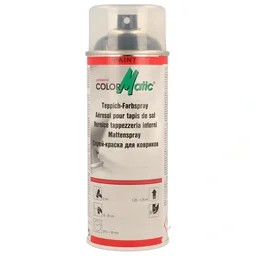
For a creative refresh or to cover worn areas, products such as the
or are ideal. They cover stains and give the carpet a fresh new look.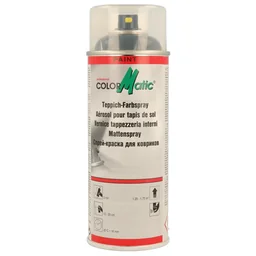
There are special outdoor rugs for the garden or balcony. Or add a splash of color with the
, an easy-care 'Kupferteppich' ground cover.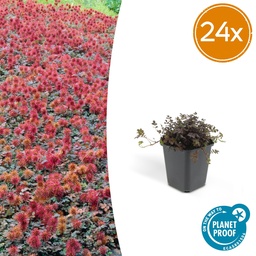
Additional tip
Rotate your rugs every one to two years, especially if they get a lot of direct sunlight. This helps prevent uneven fading and wear across the surface.
How can I protect my carpet?
Prevention is the best protection. In addition to the dirt-trapping mat mentioned above, a no-shoes rule in the house can help. Ask visitors to take off their shoes.
Direct sunlight fades colors. Use blinds or curtains to protect delicate rugs during the sunniest hours. This is especially important for rugs in vibrant colors.
Use felt pads or carpet protector mats under furniture with sharp feet. They distribute the weight and prevent dents and holes in the carpet.
Professional help: when is it necessary?
Call a professional if large, stubborn stains, such as ink spills, or burn holes appear. Expert help is also needed after flooding or when strong odors cannot be removed.
Professional cleaners have more powerful machines and specialized cleaning products. They can also apply a carpet protector after cleaning to help repel dirt for a certain period.
A well-maintained carpet is more than a decorative feature. It is an investment in your comfort and the longevity of your furnishings. With the right regular care, you can enjoy it for many years.
Remember: choosing the right carpet for each room is the first step toward easy care. Browse our selection of carpets available for immediate delivery or discover beautiful wall hangings for a complete room design.
Frequently Asked Questions
- How do I remove red wine stains from a carpet?
- Blot the stain immediately with paper towels. Then mix one teaspoon of dish soap with lukewarm water and apply it to the stain. Blot gently, rinse with clean water, and soak up the moisture with a clean cloth. Never use hot water, as it can set the stain.
- Can I clean my carpet with household products?
- Yes, household products are suitable for light dirt and stains. Baking soda absorbs odors and loosens dirt. A mixture of vinegar and water helps remove many stains. Always test any product on an inconspicuous area first to check for color changes.
- How often should I have my carpet professionally cleaned?
- Professional deep cleaning is recommended every 12 to 18 months. In high-traffic areas such as entryways, or in homes with pets and children, annual cleaning may be necessary. It removes deeply embedded dirt and protects the fibers.
- What is the best way to remove pet hair from a carpet?
- Use a vacuum cleaner with a special pet hair attachment or a brush roller. For heavy buildup, a rubber broom or a damp rubber glove can help collect the hair through friction. Regular vacuuming is the best way to prevent buildup.
- How can I dry a wet-cleaned carpet as quickly as possible?
- After cleaning, use a vacuum cleaner to remove as much moisture as possible. Ensure good air circulation by opening windows or using fans. Warm air from the heating system helps speed up drying. Do not walk on the carpet until it is completely dry to prevent new dirt and mold.
You may also be interested in
- Cleaning carpets: Effective methods for a sparkling clean result
- Cleaning a dishwasher: Household products and tips for a hygienic clean
- Cleaning a washing machine: How to keep it hygienic and odor-free
- Cleaning a grill: Tips for care and cleanliness
- How to use a washing machine correctly: Tips for cleanliness and longevity
- Cleaning upholstered furniture: Stain-free and fresh as the day you bought it