
In brief: Maintain replacement filters by tapping them out, vacuuming or washing them regularly, depending on the filter type. Dry washable filters completely before reinstalling them. This improves appliance performance, extends filter life, and saves the cost of premature replacement.
Filters are the unsung heroes of many household appliances. They work in vacuum cleaners, air purifiers, range hoods, and water systems to remove dirt, dust, and pollutants from air and water. But their performance declines over time. Regular maintenance is essential to keep your appliances efficient and save money. With the right care, you can get the most out of every filter.
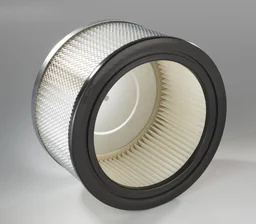
A versatile helper for many applications is the . Its sturdy construction makes it a solid choice for projects that require reliable filtration. Proper filter care directly affects service life and performance.
Why is regular filter maintenance so important?
A neglected filter affects not only its own function but the entire appliance. The benefits of regular maintenance are wide-ranging and quickly become noticeable.
Better performance and efficiency
A clogged filter forces an appliance to work harder. A vacuum cleaner with a full filter loses suction, an air purifier circulates less air, and a blocked water pump moves less water. Cleaning the filter reduces strain on the motor and restores full performance. The appliance works more efficiently and uses less energy, helping lower your electric bill.
Longer appliance life
The extra strain caused by a clogged filter can lead to overheating and premature wear on motors and other components. Regular filter maintenance is an investment in the longevity of your home and garden appliances. It helps you avoid costly repairs or premature replacement.
Healthier air and cleaner water
Filters in air purifiers and air conditioning systems trap pollen, dust, pet hair, and other allergens. Once saturated, they can no longer capture these particles and may even release them back into the air. The same applies to water filters, which trap heavy metals and chemicals. A clean filter helps create a healthier environment in your home.
A clean filter is the first line of defense for good indoor air quality. Regular maintenance is not optional; it is essential for the health of everyone in your home.
How can you tell if a filter is dirty or worn out?
Look for clear signs that it is time to clean or replace the filter. Act early to prevent reduced performance and damage.
Visible dirt: The clearest sign is a thick layer of dust, hair, or other debris. Gray or black discoloration indicates a high particle load. Remove the filter and inspect it in good light.
Reduced performance: If your vacuum cleaner no longer picks up dirt properly, your dehumidifier collects very little water, or your faucet has low water pressure, the filter is often the cause. This drop in performance is a sure sign of a blockage.
Unusual smells: A musty, dusty smell from a vacuum cleaner or air conditioner is often caused by bacteria and mold that have built up in a damp, clogged filter. At this point, thorough cleaning or replacement is urgently needed.
Appliance warning signals: Many modern appliances, such as the
Air Purifier Deluxe replacement filter, have a filter-change indicator. Never ignore this light or message. It is based on operating hours or sensor readings and is a reliable indicator.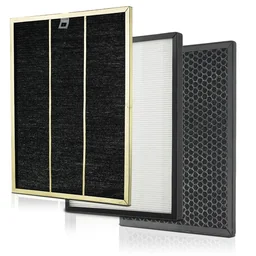
How do you clean different types of filters properly?
The right cleaning method depends on the filter’s material and type. Handling it incorrectly can cause permanent damage, so always check your appliance’s owner’s manual first.
Dry cleaning: tapping, brushing and vacuuming
This method works for most pre-filters, vacuum cleaner filters made of fleece or plastic, and some HEPA filters. It removes loose, surface-level dirt.
- Tapping: Take the filter outside and gently tap it against a hard surface or with your hand until no more dust falls out. Wear a dust mask if possible.
- Brushing: Use a soft brush to remove stubborn dirt from the pleats. Hard bristles can damage the fine filter material.
- Vacuuming: Set your vacuum cleaner to its lowest setting and use the brush attachment. Carefully vacuum both sides of the filter.
Pro tip
An old, clean paintbrush is ideal for removing dust from the narrow pleats of pleated filters without damaging the material. Always brush in the direction of the pleats.
Wet cleaning: how to care for washable filters
Filters made of foam or special synthetic fibers, often found in air conditioners or dehumidifiers such as the
replacement filter "ChillTower", can be washed.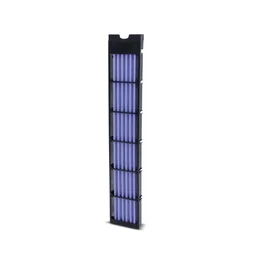
Hold the filter under lukewarm running water, directing the flow against the normal airflow to flush out dirt. For heavily soiled filters, a very mild soapy solution can help. Rinse thoroughly with clean water until no soap residue remains.
Important note
After wet cleaning, let the filter air-dry completely before reinstalling it. A damp filter is an ideal breeding ground for mold and bacteria, and moisture can damage your appliance’s electronics. Allow at least 24 hours for drying.
Specialized and disposable filters: when replacement is the only option
Some filters are designed for single use. These include activated carbon filters, which trap odors, and most HEPA filters. Water can destroy their microscopically fine structure, and their ability to capture odors or particles eventually runs out. The only solution is to replace them with suitable filter cartridges, such as the
air purifier replacement filter.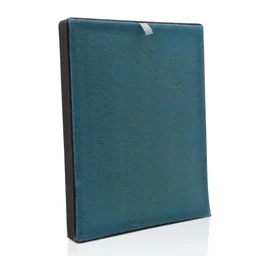
How can you extend your filter’s lifespan?
Along with cleaning the filter itself, using your appliances correctly can reduce the strain on your filters and help them last longer.
Reduce the source of dirt: Regular dusting and vacuuming at home reduce the number of particles your air purifier has to filter. During pollen season, keep windows and doors closed to reduce the strain on your air conditioner’s filter.
Use your appliance efficiently: Run appliances only when needed. An air purifier doesn’t need to run at its highest setting 24/7 when nobody is home. Use the timer to optimize its operating time.
Use and maintain the pre-filter: Many appliances have a coarse pre-filter that catches hair and large dust particles before they reach the main filter. Clean it frequently, usually once a week, to significantly reduce the strain on the more expensive main filter.
Appliance maintenance starts with caring for its most basic components. A filter is like the lung of a machine. When it’s clogged, the whole system suffers.
Additional advice
Write the date of each filter cleaning or replacement on the filter housing with a wipe-clean pen, or note it in a small notebook. This makes it easy to keep track and avoid missing an important maintenance date.
When should you replace your filter? Signs that cleaning isn’t enough
Even a well-maintained filter will eventually reach the end of its useful life. Cleaning removes dirt, but it can’t reverse material wear. Replace the filter if you notice any of these signs:
- Damage: Tears, holes or deformation in the filter material make the filter unusable. Particles can pass through freely.
- Persistent odors: If the filter still smells unpleasant after cleaning, microorganisms may be deeply embedded in the material.
- No improvement in performance: If suction power or airflow doesn’t improve after thorough cleaning, the filter pores may be permanently clogged or the material may have lost its electrostatic properties.
- Manufacturer’s recommendation: Follow the replacement intervals recommended by the manufacturer. They’re based on extensive testing and help ensure your appliance operates safely and efficiently.
Regular, proper maintenance of your replacement filters is a simple but effective way to keep your appliances working well, improve your quality of life and save money. Check the filters in your home today—a little effort can make a big difference. Find a wide range of replacement filters to suit your needs in the Westfalia Shop.
Frequently asked questions
- How often should I clean my filter?
- How often you need to clean a filter depends on the device and how frequently it is used. Check filters in heavily used devices, such as air purifiers and vacuum cleaners, once a month. For lighter use, checking them every three to six months is sufficient. Always follow the manufacturer's instructions.
- Can every filter be washed?
- No, not every filter is washable. Paper filters and fiberglass HEPA filters can be damaged by water. Check the product description or your device's manual. Washable filters are often labeled as such and are usually made from foam or special plastic mesh.
- Which cleaning products can I use for filters?
- For washable filters, use only lukewarm water, optionally with a very mild, fragrance-free soap solution. Harsh cleaners, solvents, or hot water can damage the delicate filter material and permanently impair filter performance.
- How can I tell when a filter needs to be replaced completely?
- A filter needs to be replaced if it remains discolored, deformed, or damaged even after cleaning. A musty smell or a noticeable drop in the device's performance are also clear signs that the filter has reached the end of its service life and cleaning is no longer enough.
- Does filter maintenance really save money?
- Yes, definitely. A clean filter allows the device to operate more efficiently, which reduces energy consumption. It also maximizes the filter's service life and delays the purchase of a new replacement filter. In the long term, this saves money on electricity and replacement filters.
You may also be interested in
- Buying replacement filters: What to look for in water and air filters
- Changing replacement filters: An easy 5-step guide
- Extend your car vacuum cleaner's service life: Here's how
- Buying replacement blades: The guide to sharp cuts
- Cleaning and maintaining the VP1 accessory pump: How to ensure a long service life
- Properly maintaining a rain barrel net: How to maximize its service life