
In brief: To cut hardwood effectively, you need a sharp, durable chain such as the Forstmeister Titan chainsaw chain. Keep the chain tension correct, use sufficient chain oil and let the saw work at full throttle with light pressure. The right technique and maintenance are essential.
Cutting hardwood: a challenge with the right solution
Anyone who has tried to cut through a thick oak or beech log knows the feeling: the saw struggles, the cut becomes uneven and wear on the equipment is considerable. Hardwood places the highest demands on people and machines. Its dense grain structure and high density put heavy demands on the chainsaw's performance, especially the chain's sharpness and stability.
With the right equipment and technique, however, this struggle becomes a controlled, efficient process. Success depends not on brute force but on precisely matching the tool, preparation and cutting technique. At the heart of this is a chainsaw chain specifically designed to handle these demands.
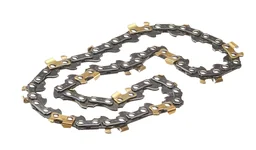
This is exactly where the : Forstmeister \"Titan\" chainsaw chain comes in. It answers the question of how to make clean, fast cuts in demanding wood without overloading your equipment. This chain is the foundation for successful hardwood cutting.
Why is hardwood so demanding for a chainsaw?
Hardwood comes from broadleaf trees such as oak, beech, ash, maple and black locust. Unlike softwoods such as spruce and pine, these woods have a significantly higher density. Their cell structure is more complex, and their fibers are shorter and more tightly connected. This makes the material resilient, durable and heavy.
For a chainsaw, this means intense stress. Every individual cutter on the chain has to overcome enormous resistance with every rotation. This creates several challenges:
- Increased heat generation: Friction between the chain, guide bar and dense wood creates significantly more heat. Without sufficient lubrication, this can damage the guide bar (blue discoloration) and accelerate chain wear.
- Faster wear: Hard wood fibers act like fine sandpaper on the cutters. A low-quality chain loses its sharpness extremely quickly, slowing cutting progress and increasing physical effort.
- Greater strain on the motor: The saw has to deliver more power to pull the chain through the wood. A blunt chain makes this effect worse and can overload the motor over time.
- Stronger vibrations: The high resistance creates more vibration, which is transferred to the user and makes the work tiring and less precise.
A sharp standard chain is good, but a chain designed specifically for heavy-duty use, such as the Titan, cuts through hardwood fibers instead of merely tearing them apart. The result is a faster, cleaner cut with less vibration.
The right chain makes all the difference: the Forstmeister \"Titan\" in detail
Choosing the right chainsaw chain is the most important decision you make when cutting hardwood. The : Forstmeister \"Titan\" chainsaw chain was designed specifically for tough jobs like these. Its features are engineered for maximum performance and long service life in resistant materials.
What sets the Titan chain apart?
The Titan chain's semi-chisel cutter design is a key advantage. Unlike full-chisel chains, which are extremely sharp but also more sensitive, a semi-chisel chain has a slightly rounded cutting edge. This design offers an excellent balance:
- Long service life: It stays sharp for significantly longer, especially when it comes into contact with slightly dirty or very hard wood.
- Smoother cutting: The chain cuts less aggressively, resulting in lower vibration and a reduced risk of kickback. This improves safety and comfort.
- Easier sharpening: The cutter shape is more forgiving of minor filing errors, making maintenance easier.
The Titan chain's special steel alloy and high-quality workmanship ensure that it retains its shape and sharpness even under the high thermal loads involved in cutting hardwood.
How do you prepare your chainsaw for hardwood cutting?
The best chain is of little use if the chainsaw is not adjusted correctly. Before tackling a solid beech log, take a few minutes to prepare thoroughly. This investment pays off with faster work, greater safety and a longer service life for your equipment.
Set the chain tension precisely
Chain tension is even more critical for hardwood than for softwood. A chain that is too loose can jump off the bar or become jammed in the cut. A chain that is too tight creates excessive friction, dramatically increasing wear on the guide bar, sprocket and chain. Check the tension correctly as follows:
- Switch off the saw and engage the chain brake. Wear protective gloves.
- Lift the tip of the guide bar slightly.
- Pull the chain upwards in the middle of the top of the guide bar. You should only be able to lift it far enough for the underside of the drive links to remain in the bar groove.
- You should still be able to pull the chain easily along the guide bar by hand.
Proper lubrication for demanding work
Hardwood does not forgive inadequate lubrication. The high friction heat must be dissipated effectively. Check the chain oil level before every use. Many chainsaws have an adjustable oil pump. For hardwood, set the delivery rate to the maximum level to ensure constant and sufficient lubrication. A simple test: run the saw at medium speed over a light-colored surface (e.g. a wooden stump). After a few seconds, a fine trail of oil should be visible.
Important note
Always wear suitable personal protective equipment when carrying out any work on a chainsaw, especially on the chain and guide bar. This includes chainsaw protective gloves and a stable work surface. Before maintenance work, always disconnect the spark plug boot to prevent the motor from starting accidentally.
Sharpness is everything: maintain the chain
Even the most durable chain will eventually become blunt. A clear sign is when the saw produces only fine sawdust instead of coarse, well-defined chips. You then have to apply more pressure to make progress. At the latest, this is when it is time to sharpen the chain. Regular sharpening with a few strokes of the file is more effective than waiting until the cutters are completely worn down.
The perfect cutting technique: How to saw hardwood effectively and safely
The right technique is crucial for clean results and your safety. Hardwood reacts differently to a chainsaw than softwood. It is less forgiving.
Basics: Safe footing and correct posture
A firm stance is the foundation. Place your feet shoulder-width apart and slightly staggered to maintain a stable position. Hold the chainsaw firmly with both hands, keeping your thumbs wrapped around the handles. Keep the saw close to your body to maximize control. The right protective clothing from our workwear and supplies range is essential, including chainsaw chaps, safety boots, a helmet with face and hearing protection, and gloves.
Pro tip
Let the saw do the work. Apply only light, even pressure and allow the chain's cutters to pull themselves into the wood. If you have to force the saw, the chain is very likely dull or the chain tension is incorrect.
Positioning and plunging: The right angle
Never start the cut by placing the tip of the guide bar against the wood. This can cause dangerous kickback. Instead, use the saw's bumper spike. Position it firmly against the wood and use it as a pivot point. Open the throttle fully before the chain touches the wood, then guide the bar into the wood at a shallow angle. Once the chain has engaged, you can move the saw into the desired cutting position. Always work with the chain running at high speed to prevent it from jamming.
Rip cuts vs. crosscuts in hardwood
Most garden tasks, such as cutting firewood into pieces, involve crosscuts, meaning cuts across the grain. The Forstmeister Titan chain is ideally designed for this. Rip cuts, which run parallel to the grain, such as those made when producing boards or planks, present a particular challenge. Special ripping chains are available for this purpose. For typical tasks in the Garden + Outdoor area, however, the Titan is the perfect all-around solution.
What to do after sawing? Caring for wood and tools
The work does not end with the final cut. Proper aftercare helps ensure the longevity of your wood and equipment.
Protecting and finishing the wood
Freshly sawn hardwood is valuable. Whether it is used as firewood, for a building project or as decoration, it deserves the right treatment. Firewood must be stored in a dry, well-ventilated place to dry out. If you use the wood outdoors, for example for patio furniture or fences, protection from the elements is essential. High-quality oils penetrate deep into the wood and protect it from within. For larger projects, we recommend : SC SCANDICCARE Patio Hardwood Oil 3 Litre or the practical : SC SCANDICCARE Patio Hardwood Oil 1 Litre version. Certain hardwoods, such as beech or oak, are also excellent smoking woods for an intense flavor in the BBQ + Smoking range.


Additional advice
After sawing dense hardwood, inspect the guide bar for signs of overheating, such as bluish discoloration, and check the sprocket for wear. Hardwood puts greater strain on all components, so a quick check after every use helps prevent more serious damage.
Cleaning and maintaining your chainsaw
Take five minutes to clean the saw after finishing your work. Remove sawdust and resin from the housing, cooling fins and chain cover. Clean the guide bar groove and oil holes. A clean air filter is essential for full engine performance. This regular care takes little effort but significantly extends the service life of all your equipment, which you can find in our Power Tools category.
The biggest mistake is forcing the saw into the wood. A good chain, such as the Forstmeister Titan, almost pulls itself through the wood when used at the correct angle of attack. Patience and technique beat brute force.
Sawing hardwood does not have to be an insurmountable challenge. With the robust Forstmeister "Titan" chainsaw chain, a well-prepared chainsaw and the right technique, you can cut through even the hardest wood efficiently, safely and with clean results. Equip yourself properly and see how easily the work can be done.
Frequently Asked Questions
- Which chainsaw chain is best for hardwood?
- A semi-chisel chain like the Forstmeister "Titan" is ideal for hardwood. It stays sharp longer than a full-chisel chain and provides smoother cutting, reducing vibration and the risk of kickback when cutting dense wood.
- How can I tell if my chainsaw chain is dull when cutting hardwood?
- A dull chain produces fine sawdust instead of coarse chips. You have to push the saw harder into the wood, the cut runs at an angle or smoke is produced. Replace or sharpen the chain immediately if you notice these signs.
- Do I need to use more chain oil when cutting hardwood?
- Yes, this is recommended. Hardwood creates more friction and heat due to its higher density. Adjust your chainsaw's oil pump to deliver more oil to ensure sufficient lubrication of the chain and guide bar.
- Can I cut hardwood with a standard chainsaw?
- Yes, most chainsaws can handle hardwood, provided they have sufficient power. The chainsaw chain is crucial. A high-quality, sharp chain like the Forstmeister Titan enables clean cuts in hard wood, even with a medium-powered saw.
- What is the ideal sharpening angle for hardwood?
- For cross-cutting hardwood, a sharpening angle of around 25 to 30 degrees is ideal. A slightly steeper angle (around 25 degrees) creates a more aggressive cutting edge, but it also becomes dull more quickly. 30 degrees is a good all-around setting.
You may also be interested in
- Titan Chainsaw Chain: The Ultimate Test for Your Wood
- Changing a Chainsaw Chain: How to Fit the Forstmeister Titan Correctly
- Chainsaw: 5 Common Cutting Mistakes and How to Avoid Them
- Cutting Wood Efficiently: Top 7 Tips for Your Chainsaw Chain
- Why Choose a Titanium Chainsaw Chain? The X-Saw Pro in Focus
- Full-Chisel vs. Semi-Chisel Chainsaw Chain: Making the Right Choice