
In brief: Dry freshly harvested walnuts for 4-6 weeks in a warm, well-ventilated and dark place. Wire racks or shallow crates are ideal. Once fully dried, store the nuts in a cool, dry and dark place in breathable containers such as nets or wooden crates. This keeps them tasty until the next harvest.
How to Dry and Store Walnuts for Long-Lasting Freshness
Having your own walnut tree is a real treasure. But you want to enjoy the rich harvest of homegrown produce not just in autumn, but all year round. The key is proper storage. We show you how to prepare your walnuts perfectly after harvesting.
Improperly dried nuts taste musty or develop mould. A few simple steps preserve their full, aromatic flavour. That way, you always have a healthy supply ready for cakes, salads or eating on their own.
When should I harvest walnuts for the best results?
Starting at the right time determines the quality later on. Do not wait until all the nuts are on the ground. Begin harvesting when the first ripe fruits start to fall.
The green outer husk should already be cracked on ripe nuts or come off easily. Collect them regularly, at least every two days. If the nuts lie damp on the ground for too long, they can start to develop mould or attract worms.
Pro tip
Wear gloves when collecting. The juice from the green walnut husk strongly stains the skin brown and is difficult to remove. A practical harvesting basket such as the
protects your back and gently collects the fruit.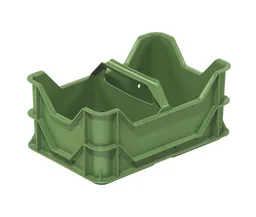
Remove any remaining green husk immediately after collecting. Brush the now-exposed, hard shell under running water. Then dry the nuts thoroughly with a cloth. They are now ready for the most important step.
Why is drying walnuts so important?
Fresh walnuts contain a lot of residual moisture in the kernel. During storage, this moisture inevitably leads to mould. The process of drying nuts removes the water from the kernel and preserves it naturally.
Without this treatment, the nuts become rancid. The valuable kernel loses its flavour and becomes inedible. Proper drying is not complicated, but it does require patience and the right location.
The ideal place to dry your nuts
Choose a warm, well-ventilated and dark place. A well-ventilated barn, loft or garden shed is ideal. The temperature should remain constant at between 20 and 25 degrees Celsius.
“Direct sunlight is the greatest enemy when drying nuts. UV light destroys the valuable fats in the kernel and makes the nuts taste bitter.”
Avoid damp cellars or garages. Air circulation is often inadequate there. Moisture cannot escape and the drying process comes to a standstill. Mould can take hold easily.
The best methods for spreading out and drying nuts
Spread the washed nuts out in a single layer. Use wire racks, produce crates or shallow wooden boxes. Air must be able to reach the shell from all sides.
Stackable solutions such as the
or the 4-piece set are ideal. They save space and ensure optimal ventilation from all sides thanks to their slatted design.

Important note
Turn the nuts thoroughly every two to three days. This helps them dry evenly and prevents damp spots from forming. Uneven drying is the most common cause of mould developing inside the nut later on.
Never cover the nuts with a cloth or plastic film. This would prevent air circulation and stop evaporation. Instead, leave windows or doors in the drying room slightly open.
How can I tell when walnuts are dry enough?
The drying process takes an average of four to six weeks. However, time is not a reliable indicator. Test the progress with a simple cracking test.
After about four weeks, open a sample nut. The kernel inside should feel dry. The two halves should break cleanly and become brittle when you bend them. If they are still rubbery or damp, the nuts need more time.
“A quiet rattling sound inside the shell is a sure sign. If you can clearly hear the kernel when shaking the nut, it has reduced in volume through water loss and is dry.”
Weight is another sign. Fresh nuts feel heavy for their size. Fully dried nuts feel noticeably lighter in your hand. Trust your senses.
How do I store dried walnuts properly?
Once the walnuts have been successfully dried, it is time to focus on long-term storage. The storage area must meet three conditions: cool, dark and dry. A pantry or basement with a consistent temperature is ideal.
The ideal storage temperature is between 5 and 15 degrees Celsius. Temperatures above 20 degrees accelerate fat spoilage, causing the nuts to turn rancid. Make sure humidity is low.
Additional tip
Breathable materials are ideal for storage. Store your dried walnuts in jute sacks, linen cloths, wooden crates or cardboard boxes. In our shop, you will find suitable storage solutions for your garden produce.
Choosing the right container
Avoid airtight plastic containers or bags. Residual moisture and condensation can build up inside them, causing mould to form within just a few weeks. Glass containers are also unsuitable unless they are kept in the dark.
Mesh bags, such as those also used for bird food, are a good choice. They allow air to circulate while keeping pests away. Do not store the containers directly on the cold floor; place them on pallets or shelves instead.
Checking your walnuts and extending their shelf life
Check your walnut stores every four to eight weeks. Immediately remove any nuts with dark spots on the shell, holes or a musty smell. One infested nut can put your entire supply at risk.
Under ideal conditions, your walnuts will last until the next harvest. For an even longer shelf life, crack the walnuts after drying and freeze the kernels. Divide the kernels into freezer bags.
What are the most common mistakes when harvesting and storing walnuts?
Many gardeners skip washing the walnuts after harvesting them. Dirt and mould spores clinging to the shells can then contaminate the stored nuts. Cleaning is an essential step.
A drying area that is too warm or too damp will ruin the quality. Stacking the walnuts too closely together on the racks also prevents them from drying evenly. Patience is the most important ingredient here.
Choosing the wrong storage container is the classic final mistake. Even perfectly dried walnuts will go mouldy in a plastic bag in the basement. Invest in suitable containers for long-term storage.
With this guide, nothing stands in the way of your own walnut harvest. From gathering the walnuts and drying them to storing them, you now have every step under control. Enjoy the taste of your own walnuts all year round.
Frequently asked questions
- How can I tell whether a walnut is ripe?
- Ripe walnuts fall from the tree on their own. The green, fleshy outer husk splits open or can be removed easily. Inside, the hard shell is dry, light-coloured and undamaged. Only harvest walnuts without cracks or holes.
- How long do walnuts need to dry?
- The drying process usually takes 4 to 6 weeks. The condition of the nuts matters more than the length of time: walnuts are fully dry when the kernel inside (the two halves) breaks crisply and is no longer flexible. Turning the walnuts regularly speeds up drying.
- Can walnuts also be dried in the oven?
- Yes, but only with great care. Set the oven to a maximum of 40 degrees Celsius and leave the door slightly open. Spread the walnuts out on a wire rack. Check them every 30 minutes. This method carries a risk of overheating, which will ruin the flavour.
- What is the best place to store dried walnuts?
- The ideal place is a dark, cool (5-15°C) and dry room with good air circulation, such as a basement or pantry. Use breathable containers such as linen sacks, wooden crates or mesh bags. Avoid airtight plastic containers, as mould may otherwise develop.
- How long do properly dried and stored walnuts last?
- When stored in ideal conditions, walnuts retain their full flavour for 9 to 12 months. Freeze shelled kernels in individual portions to keep them for more than a year. Check your supply regularly for mould or pests.
You might also be interested in
- Harvesting walnuts: Tips for your own walnut tree
- Pruning a walnut tree: Timing and techniques for a bountiful harvest
- Drying garlic: How to keep it fresh and flavourful for longer
- How to harvest and store apples for long-lasting freshness
- Harvesting and storing beetroot properly – here’s how
- Preserving your harvest: How to stock your pantry