
In brief: Extend the service life of your scaffold sheeting by cleaning it regularly and gently with water and mild soap. Allow the sheeting to dry completely before folding or rolling it. Store it in a cool, dry, dark place to prevent material fatigue caused by UV radiation and moisture.
Contents
- Why is proper care of your scaffold sheeting so important?
- How do you clean your scaffold sheeting correctly?
- How can you identify damage and repair it?
- How should you store your scaffold sheeting for maximum service life?
- What other factors affect the service life of sheeting?
Scaffold sheeting is more than just a piece of plastic. It protects facades, materials, and workers from wind and weather. It is an investment in safety and efficiency on the construction site. However, weather, dirt, and mechanical stress take their toll on every sheet. With the right care and storage, you can significantly extend the service life of your scaffold sheeting and save money in the long term.
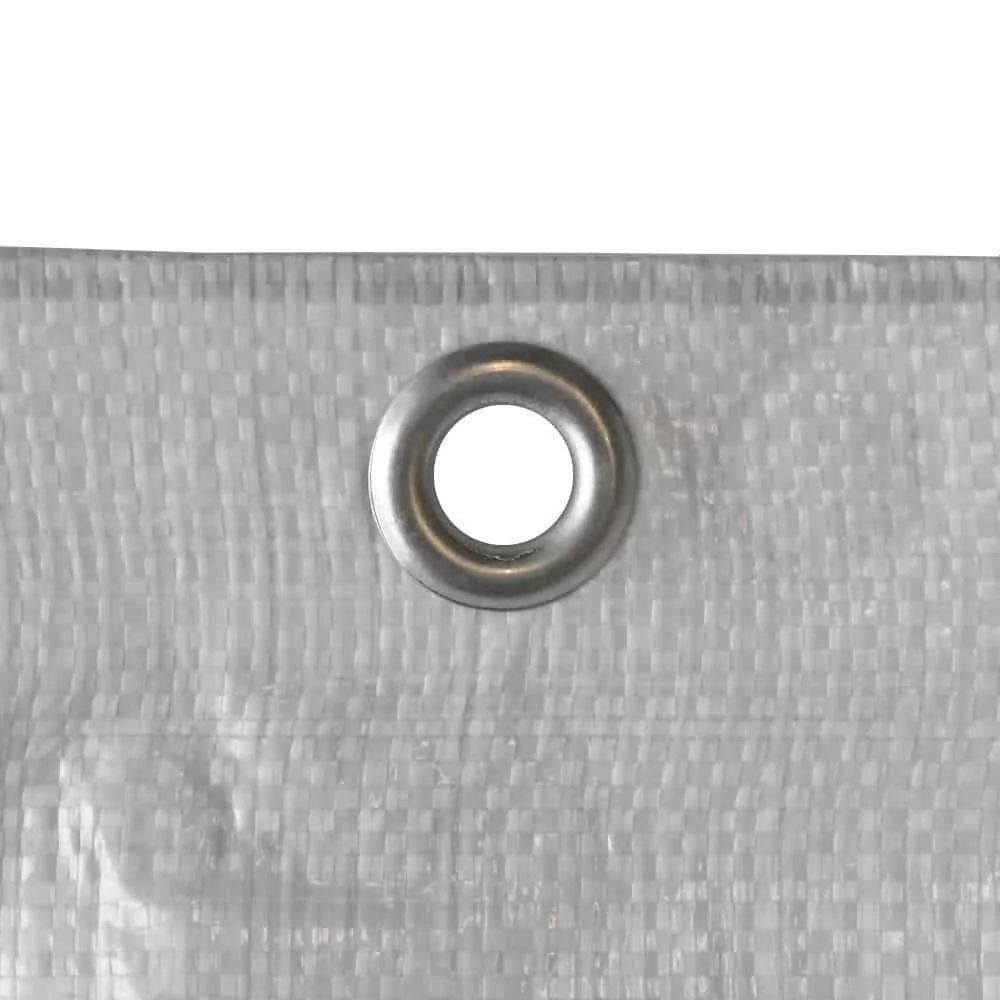
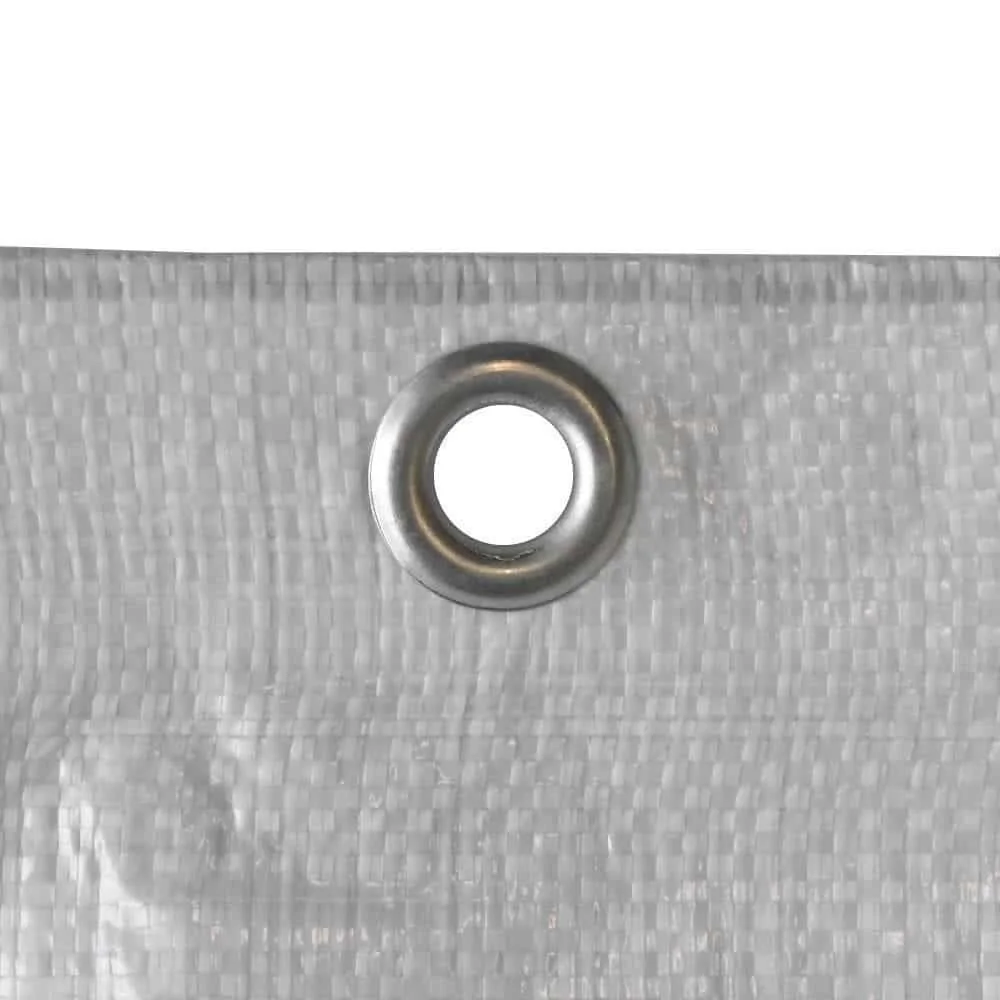
A strong and reliable foundation is essential. The scaffold sheeting 2,60 x 10 m with 150 g/m² () offers precisely this quality with its reinforced edge and sturdy aluminum grommets. It is tear-resistant and weatherproof, but even the best material benefits from careful handling. Think of maintenance as active protection for your investment.
Why is proper care of your scaffold sheeting so important?
Neglected scaffold sheeting quickly becomes brittle, tears, and loses its protective function. Proactive care prevents this and offers tangible benefits.
Save money through a longer service life
Every sheet of scaffold sheeting that you can use for one season longer thanks to proper care is one you do not have to buy again. The cost of water, mild soap, and a little time is negligible compared with the price of a replacement. Well-maintained sheeting can double or even triple its service life. Over the years, this adds up to considerable savings.
Safety on the construction site
Damaged sheeting is a safety risk. In strong winds, tears can widen and cause the sheeting to flap uncontrollably or even tear completely away from the scaffolding. Falling sections can endanger people and property. Intact, well-maintained sheeting provides reliable protection and contributes to overall safety on your construction site.
UV radiation is the invisible enemy of every plastic sheet. It breaks down the plasticizers in the material and makes it brittle. A clean surface reflects more light, while dirt increases heat absorption and accelerates this process.
A professional appearance
Clean, securely fastened scaffold sheeting on a facade signals professionalism and care. It represents your company throughout the construction phase. Dirty, torn sheeting, on the other hand, creates a neglected and disorganized impression among customers, passersby, and potential clients.
How do you clean your scaffold sheeting correctly?
Proper cleaning is the first and most important step in maintaining your sheeting. Work systematically to protect the material while removing dirt effectively.
Step 1: Preparation and initial cleaning
Find a large, clean, and level surface, such as a paved driveway or an empty garage. Spread the scaffold sheeting out there completely. First remove loose and coarse dirt, such as dried mud, leaves, or mortar residue, with a soft brush or broom. Carefully shake out the sheeting to loosen particles that are stuck to it.
Step 2: Wet cleaning
For wet cleaning, you only need lukewarm water, a bucket, and a mild soap solution or neutral cleaner. Do not use harsh, acidic, or solvent-based cleaning products. They can attack the plastic coating and cause lasting damage to the material. Apply the soap solution with a soft brush or sponge and gently scrub the surface in circular motions. Work your way across the entire sheet section by section.
Important note
Never use a pressure washer to clean your scaffold sheeting. The powerful water jet can roughen the fabric, strip away the coating, and cause microcracks. The seams and areas around the grommets are particularly susceptible to damage from excessive pressure.
Step 3: Dealing with stubborn stains
Oil, grease, paint, or tar stains require targeted treatment. Try carefully dabbing these stains with a cloth soaked in rubbing alcohol (isopropanol). Test this first on an inconspicuous area. Work from the outside in to avoid enlarging the stain. For paint splashes, acting quickly is often the only solution before the paint hardens.
Step 4: Rinse thoroughly and dry
After cleaning, rinse the sheeting thoroughly with clean water from a garden hose. Make sure no soap residue remains, as it can leave sticky deposits when exposed to sunlight. The most important step comes next: drying. The sheeting must be 100% dry before you store it. The best way to do this is to hang it over a clothesline, railing, or empty section of scaffolding. Ensure good air circulation on both sides. Avoid exposing it to direct, intense midday sun for hours at a time to protect the material.
How Can You Identify Damage and Repair It?
Always use the cleaning process as an opportunity to carry out a thorough inspection. A small repair today can prevent major damage tomorrow.
Regular inspection
Systematically inspect the dry, spread-out sheet. Pay particular attention to the following points:
- Small holes or tears: Hold the sheet up to the light to spot even the smallest perforations.
- Condition of the grommets: Are all the grommets firmly anchored in the material? Are any grommets torn out or bent?
- Edge reinforcement: Is the hem intact, or are there open seams and fraying?
- Condition of the material: Does the material feel brittle or thin in places? This may be a sign of advanced UV damage.
Additional advice
Always keep a small repair kit with your scaffold sheet. Special patches and adhesive tapes for PE tarps let you make quick repairs on site before a small tear becomes major damage under wind load.
Repairing minor damage yourself
You can easily repair small holes and tears up to approximately 10-15 cm long yourself. Use special repair tape for tarps. Thoroughly clean the area around the tear with alcohol and make sure it is completely dry. Then apply a patch to both sides of the sheet, ensuring it overlaps the tear by at least 3-5 cm on each side. Press the patches down firmly to create a watertight bond.
Replacing torn grommets
A missing or torn-out grommet is a major weak point because the entire tensile force is concentrated on a small area. You can replace individual grommets using a grommet kit and a hammer. Carefully cut away the frayed area, reinforce the spot with a piece of repair tape if necessary, and then fit the new grommet according to the kit instructions.
How Should You Store Scaffold Sheeting to Make It Last?
When sheeting isn’t in use, it can be especially vulnerable to damage. Improper storage can do more harm than a storm on a jobsite.
The Golden Rule: Store It Completely Dry
The most important storage requirement is that the sheeting is completely dry. Leftover moisture inevitably leads to mold, mildew stains, and musty odors. The fabric deteriorates, the sheeting becomes brittle, and in the worst case, it’s no longer usable. Take the time to dry it thoroughly. It’s worth it.
I’ve lost more sheets to damp, improper winter storage than to the toughest conditions on a jobsite. A sheet folded up while wet is a write-off by spring. Dry it, roll it up, put it away. It really is that simple.
Roll It Instead of Folding
Don’t fold your scaffold sheeting. Sharp edges and creases put lasting stress on the material. Over time, the fabric can tear at these points. Instead, roll the sheeting loosely. This prevents creases and distributes tension evenly. For especially large sheets and nets, such as the 2,60 x 20 m scaffold sheet (
), a sturdy cardboard tube can make rolling it up easier.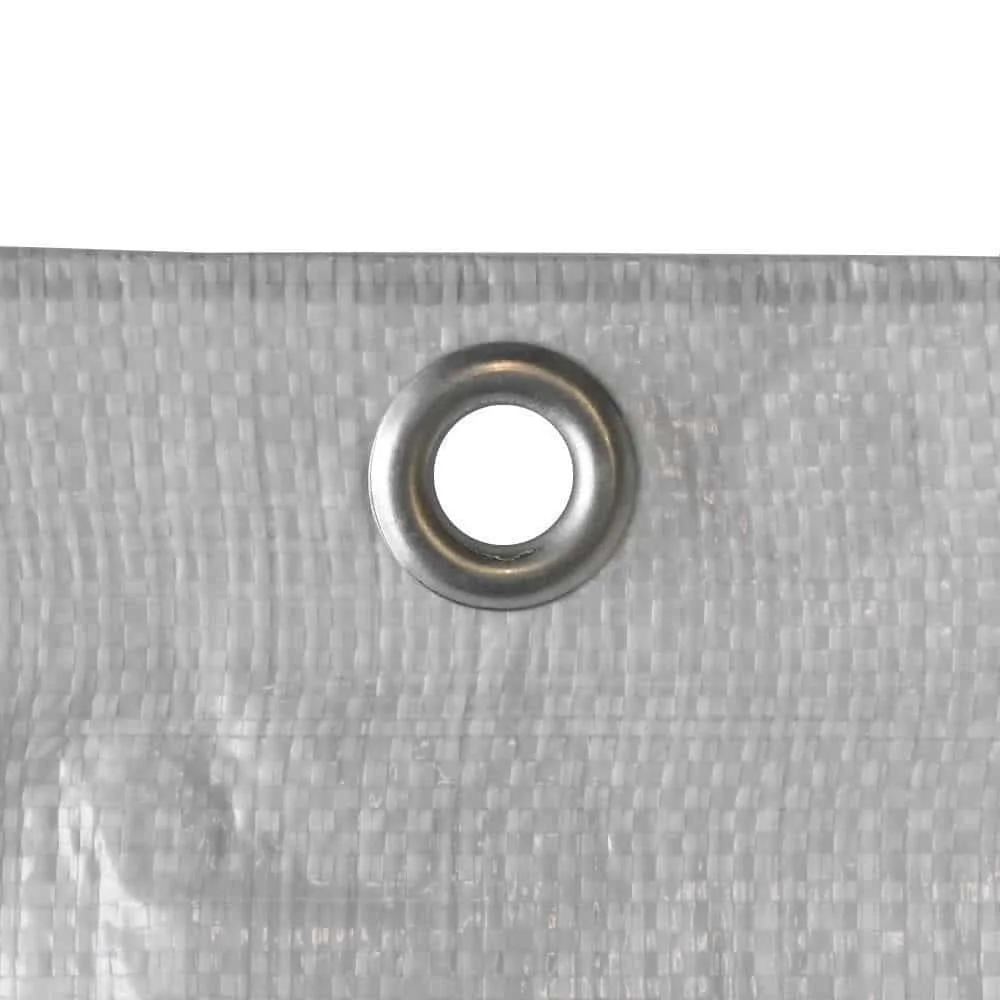
The Ideal Place to Store It
The ideal place to store rolled-up scaffold sheeting is cool, dry, and dark. A basement shelf, dry garage, or storage shed works well. Avoid direct sunlight, since UV light can damage the material even through windows. Store the roll horizontally on a shelf or upright in a corner where it won’t fall over or get bent.
Pro Tip
Protect stored sheeting from rodents. Mice love building nests in rolled-up sheets and can cause extensive damage in a short time. A tightly sealed box or hanging the roll from the ceiling can help prevent this.
What Else Affects the Lifespan of Scaffold Sheeting?
Along with care and storage, material quality and proper use also determine how long your sheeting will last.
Material Quality and Fabric Weight
A sheet’s strength is specified in grams per square meter (g/m²). Our standard sheets, such as the 2,10 m wide scaffold sheet (
) and the wider 3,10 m version () have a fabric weight of 150 g/m². This is an excellent balance of tear resistance and easy handling. For especially demanding or long-term applications, much heavier sheets are also available, such as 650 g/m² cover tarps. A higher fabric weight generally means greater resistance to damage and a longer lifespan.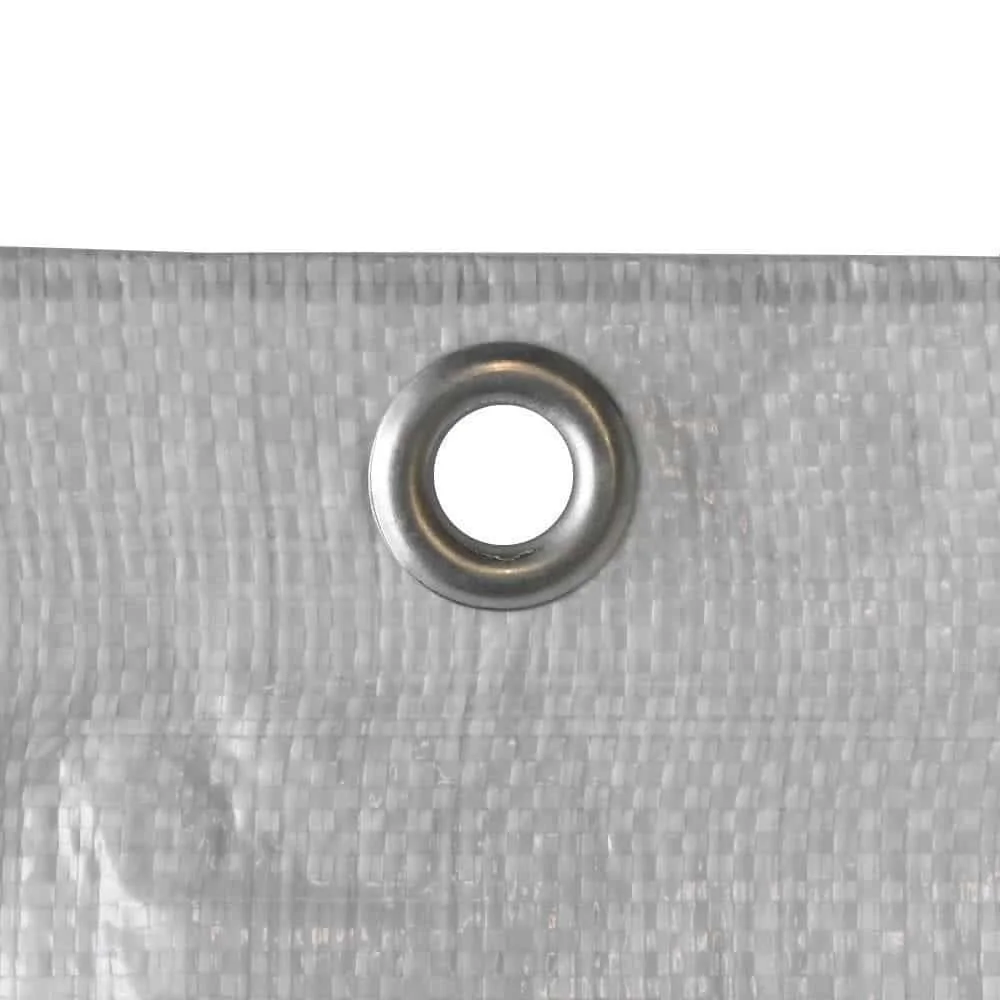
Secure It Properly
Improperly secured sheeting is highly exposed to the wind. Use all the available eyelets to distribute tension evenly. Secure it firmly, but don’t overtighten it. Sheeting that flaps in the wind is subject to considerable material fatigue, which can cause tears at the fastening points. Use tarp fasteners or bungee cords that allow some flexibility during wind gusts.
Conclusion: Proper Care Pays Off
The lifespan of your scaffold sheeting is in your hands. Regular cleaning, careful inspections, prompt repairs, and planned storage can turn a consumable into durable equipment. You’ll save money, improve safety, and maintain a professional appearance on every jobsite. Every bit of care pays off many times over.
Frequently Asked Questions
- How often should I clean my scaffold sheeting?
- Clean your scaffold sheeting after every major use or whenever it’s heavily soiled. A thorough cleaning at least once a year before storage is recommended to prevent harmful substances from building up and to maintain the material’s integrity.
- Can I use a pressure washer on scaffold sheeting?
- No, don’t use a pressure washer. High water pressure can damage the fabric and coating, weaken the eyelets, and reduce water repellency. This can significantly shorten the lifespan of your scaffold sheeting.
- What’s the best way to dry scaffold sheeting?
- Spread the sheeting out completely on a clean, dry surface or hang it loosely over a line or scaffold. Make sure air can circulate freely, and avoid prolonged exposure to intense, direct sunlight. The sheeting must be completely dry.
- How do I repair small tears in scaffold sheeting?
- The best way to repair small tears and holes is with repair tape or patch kits made for PE fabric. Thoroughly clean and dry the area around the damage before pressing the patch firmly onto both sides to create a durable, weather-resistant bond.
- Fold or roll: What’s the best way to store scaffold sheeting?
- Rolling is better than folding. Folding creates sharp creases that can weaken the material over time and make it brittle. A loosely rolled sheet avoids these stress points. Store the roll upright or horizontally in a dry, dark place.
You may also be interested in
- How to Install Scaffold Sheeting Correctly: A Step-by-Step Guide to Reliable Protection
- 150 g/m² Scaffold Sheeting: When Is It the Right Choice?
- Scaffold Sheeting vs. Construction Site Screening: Which Is Better for Your Project?
- How to Clean and Care for Privacy Screen Mesh: Extend Its Lifespan
- Cover Tarp Review and Comparison 2026
- How to Care for a Rain Barrel Net: Extend Its Lifespan