
In brief: Blackbirds are soft-billed feeders and need different food from seed-eating birds. Feed them oats, raisins, apples, oatmeal or special soft food. Place the food on the ground or on a low, open platform, as blackbirds prefer feeding on the ground. Avoid bread, salt and spices.
Introduction: The blackbird's special needs
The blackbird is one of the most common and popular garden birds. Its melodic song and familiar nature make it a welcome visitor. However, it is often overlooked when it comes to feeding garden birds.
Why? Conventional bird food is usually aimed at seed-eating birds such as tits or finches. Blackbirds, however, are soft-billed feeders. Their beaks are designed for picking up worms, berries and fruit, not for cracking hard sunflower seeds.
Feeding them the wrong food does not help. It can even harm them. This article explains how to support garden birds such as the blackbird in a species-appropriate and effective way.
What do blackbirds eat? The right food in detail
The diet of a soft-billed feeder
In the wild, blackbirds feed on earthworms, snails and insects. In autumn and winter, berries, windfall fruit and seeds are on the menu. Their supplementary food should reflect these natural preferences.
Ideal options include:
- Dried berries and raisins: Soak them in water before feeding.
- Oatmeal (unsalted and unsweetened).
- Apples, pears or grapes cut into small pieces.
- Special mixed food for soft-billed birds, available from specialist retailers.
- Chopped nuts (unsalted) in moderation.
Classic suet food is often unsuitable for blackbirds, as they can hardly access any food from fat balls.
Important note
Never feed bread or salty or spiced food scraps. Bread swells in a bird's stomach, draws out water and does not provide sufficient nutrients. Salt is poisonous to birds.
Preparing your own food: A simple recipe
You do not need to buy expensive specialist food. Mix two parts oatmeal with one part raisins. Add some chopped, unsalted peanuts from the peanuts for birds category. Moisten the mixture slightly with water or apple juice. This makes it easier for blackbirds to swallow the dry ingredients.
“Feeding suitable food all year round helps birds not only in winter, but also while raising their young in spring, when the natural supply of insects may temporarily be scarce.”
Where should you feed them? The best place for blackbirds
Ground feeding versus a bird feeder
Blackbirds are typical ground feeders. They search for food on lawns or beneath shrubs. A traditional, high bird feeder is a poor choice for them.
Offer the food directly on the ground. Choose a clear, open location. This allows the birds to spot approaching predators such as cats at an early stage. A flat stone or an upturned plant saucer makes a good stable base.
Protection from predators and the weather
Cats are the greatest danger at ground level. Ideally, place the feeding station three to five metres from the nearest hiding place, such as a dense bush. An open lawn is safer than a spot directly beside the garden hedge.
Protect the food from rain and snow. Wet soft food spoils quickly. A simple, lightweight roof made of wood or plastic can help. A sturdy can serve as rain protection over a raised platform.
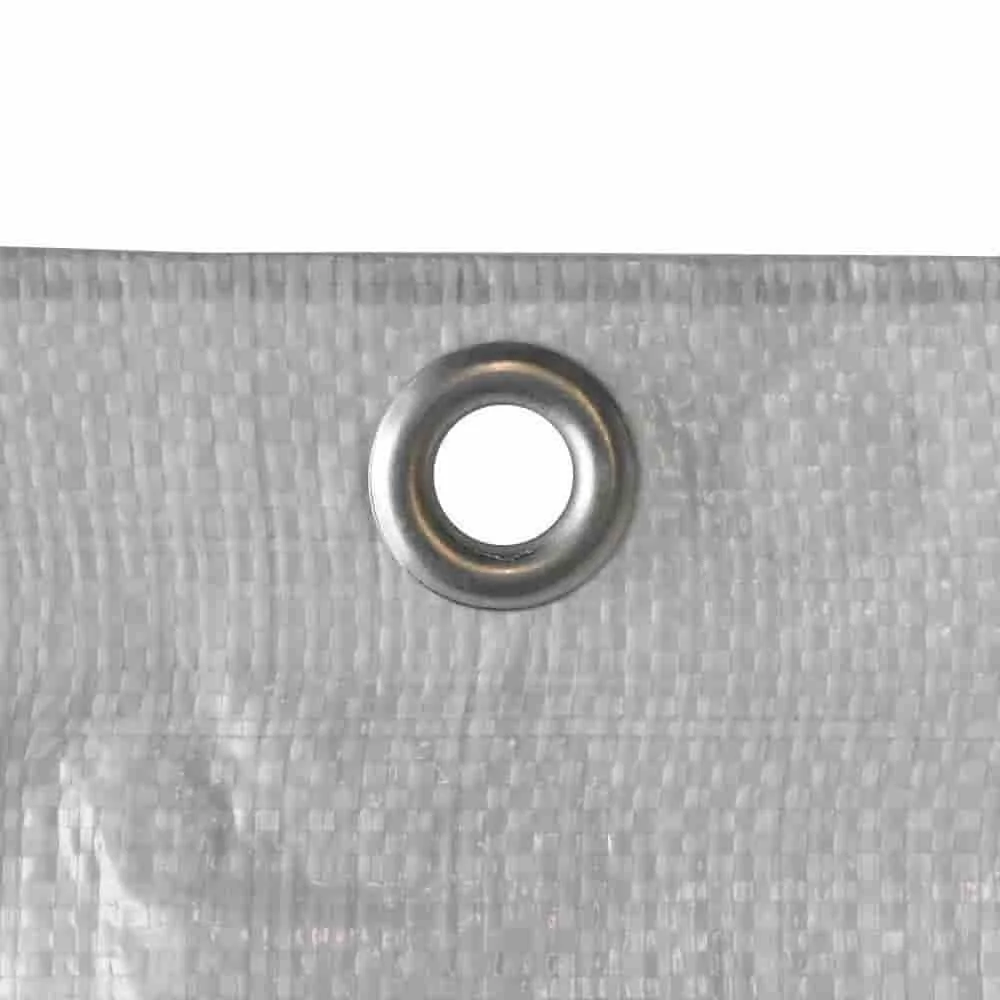
Expert tip
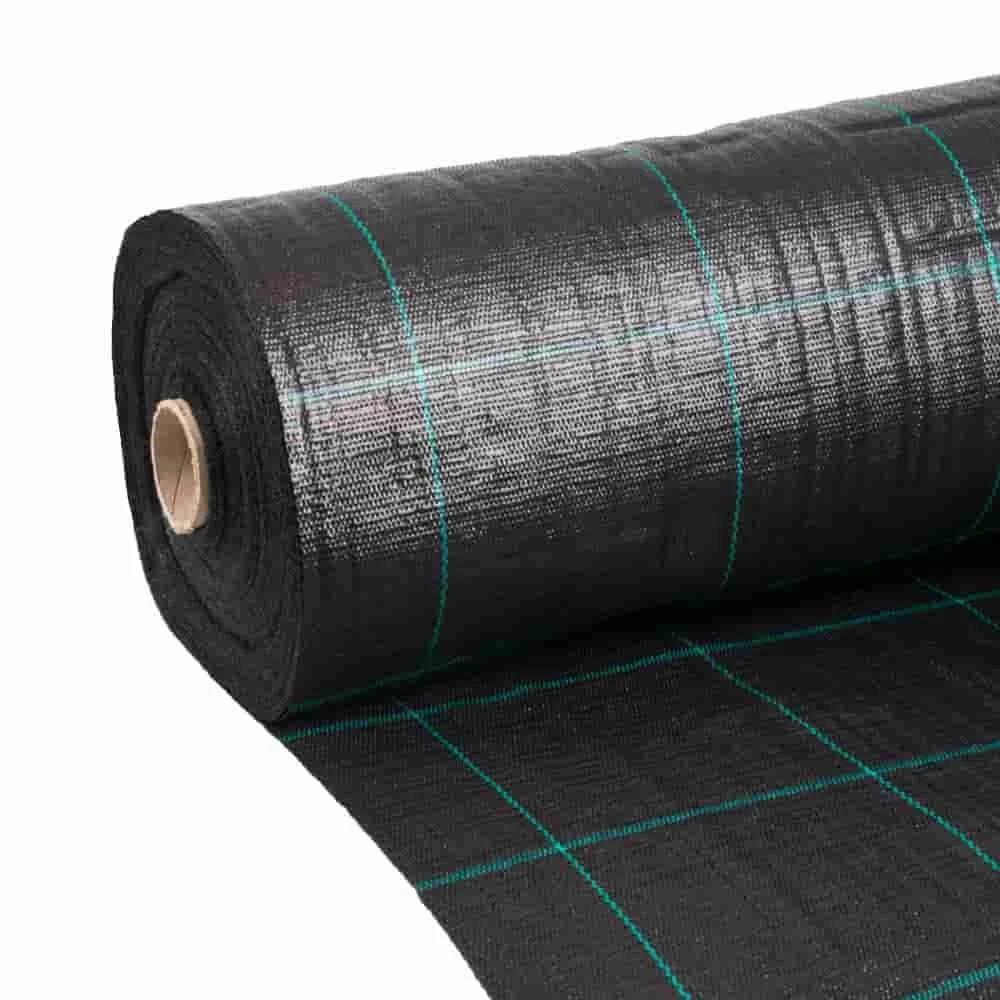
Place a piece of (weed control fabric) beneath your ground feeding station. This prevents grass or weeds from growing through fallen food and overgrowing the area. The fabric is permeable to water and does not rot.
When should you feed them? All year round or only in winter?
The debate about winter feeding
Traditional winter bird feeding has its purpose: In freezing temperatures and when the ground is covered in snow, birds can find very little natural food. Feed them particularly regularly at these times, ideally in the morning and late afternoon.
However, feeding only in winter is outdated. Many bird experts now recommend feeding all year round. The reason is that in tidy gardens and due to the decline in insects, protein-rich food for raising young is also scarce in summer.
“The modern, often sterile garden no longer provides many birds with an adequate food supply. Suitable supplementary feeding can therefore be an important support at any time of year.”
Adapting to the seasons
Adapt the food you offer throughout the year. In spring and summer, breeding blackbirds need more animal protein. At this time, also offer dried mealworms. Pay particular attention to hygiene in summer, as pathogens multiply quickly in warm conditions.
Remove old food scraps every day. Clean the feeding station regularly with hot water. Do not use chemical cleaners.
How can I create a bird-friendly garden?
More than just feeding
The best way to help blackbirds in the garden is to create a natural garden. It provides natural food and shelter. Plant native shrubs such as elder, hawthorn or blackthorn. Their berries are perfect bird food.
In autumn, leave piles of leaves and some windfall fruit on the ground. Blackbirds will find insects and worms there. A compost heap is a real treasure trove for them. Discover suitable plants and accessories in our Garden + Plant Accessories category.
Additional advice
Birds need clean drinking and bathing water all year round. Put out a shallow bowl. Clean it daily. In winter, it is sufficient to replace the water twice a day. Never use antifreeze.
Protection from natural predators
As well as cats, sparrowhawks and magpies are natural predators of blackbirds. A dense, thorny shrub such as barberry or firethorn provides birds with a safe refuge. Place feeding stations near such shelter, but not directly underneath it.
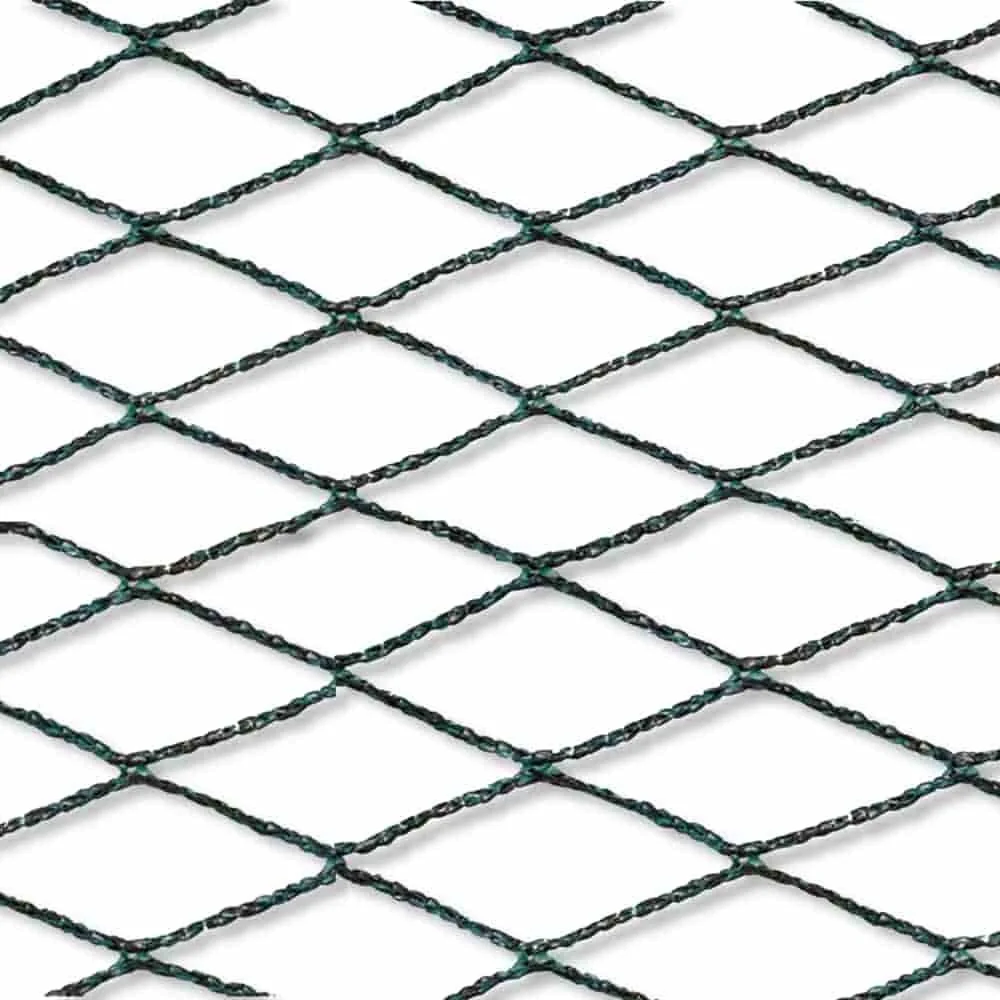
To protect fruit trees or berry bushes from birds when you want to harvest the fruit yourself, use special nets. A (pond protection net) can also be used as bird netting for smaller trees. Stretch it loosely so that no birds become trapped.
Common mistakes when feeding blackbirds
Wrong food, wrong location
The biggest mistake is assuming that all birds eat the same food. Seed mixes for finches are usually ignored by blackbirds. They rot on the ground and can attract rats.
Another mistake is feeding directly beside a window or glass pane. Blackbirds take flight quickly when disturbed. Collisions with glass are often fatal. Keep feeding stations at least two metres away from large windows.
Poor hygiene
Bird droppings and mouldy food quickly accumulate around feeding stations. This creates a breeding ground for salmonella and other bird diseases. Clean up regularly. For ground feeding areas, use surfaces that are easy to clean or replace.
A thick layer of coarse gravel beneath the feeding station can help. It dries faster than bare soil and is easier to keep clean. You can find suitable materials in the Garden + Outdoor section.
Conclusion: Simple help with a big impact
Feeding blackbirds properly does not take much effort. It simply requires an understanding of their particular needs as soft-billed, ground-feeding birds.
Avoid feeding them unsuitable foods such as bread. Instead, offer raisins, apples and oats in a safe, open area on the ground. Keep the area clean.
With these measures, you make a direct contribution to bird conservation in your garden. You will be rewarded with the presence and song of your feathered visitors. Even the smallest garden can become an important refuge for native bird species.
Frequently asked questions
- What do blackbirds like to eat most?
- Blackbirds prefer soft food such as dried berries, raisins, oats, chopped apples and special food for soft-billed birds. Unlike seed-eating birds, they can barely crack hard seeds.
- Should you feed blackbirds in summer?
- Many experts support feeding suitable food all year round, as natural food supplies are often limited in summer too. However, avoid fatty food in high temperatures.
- Where should I put food for blackbirds?
- Place food for blackbirds directly on the ground or on a low, open platform. Blackbirds feed on the ground and usually avoid tall, narrow bird feeders or fat balls.
- Is bread suitable for blackbirds?
- No. Bread swells in the stomach, provides very few nutrients and can even be harmful. Instead, use species-appropriate bird food from a specialist retailer or special soft food.
- How can I protect a feeding station from cats?
- Choose an open location with a clear view all around. Shrubs should be at least three metres away so that birds can spot approaching cats in good time.
You may also be interested in
- Feeding birds: When is the right time? Fat balls tested
- Feeding birds in winter: How to help them properly
- Wild birds in the garden: How to create nesting aids and feeding stations
- How to store bird food properly: Freshness & safety for birds
- Feeding garden birds: The right approach all year round
- Identifying garden birds: Which species visit your garden?