
In brief: You can feed wild birds in your garden year-round as long as you comply with animal welfare laws. The feeding method, suitable food, and good hygiene all matter. Improper or unhygienic feeding can make birds sick and is prohibited. Offer only species-appropriate food, such as sunflower seeds or special bird food mixes, in a clean, safe location.
Feeding birds in your garden: what the law says
Many garden owners wonder whether it’s legal to feed wild birds. The short answer is yes: there’s no general ban on feeding birds in private gardens.
However, you must comply with certain legal requirements. Germany’s Animal Welfare Act provides the basis. Section 2 prohibits causing an animal pain, suffering, or harm without reasonable cause.
Improper feeding can do exactly that. Don’t give birds spoiled or unsuitable food, and keep the feeding area clean. Irresponsible feeding is not permitted.
Important note
Feeding kitchen scraps or bread to waterfowl at public waterways is explicitly prohibited in many municipalities and can result in fines. These specific regulations usually don’t apply to your private garden, but animal welfare laws still do.
What does species-appropriate feeding mean?
Species-appropriate feeding means offering the right food for the right birds. Not every species eats the same things. Tits love high-fat foods such as peanuts, while finches prefer seeds.
Offer a variety of foods to encourage biodiversity in your garden. A limited selection benefits only a few bird species.
Which bird food is suitable?
Suitable bird food is made from high-quality, natural ingredients. These include sunflower seeds, hemp seed, oats, and dried berries. Unsalted peanuts and mealworms are also popular.
No-mess bird food has an advantage: it leaves no seed shells beneath the feeder, and birds waste less energy while eating. Our
is a premium option.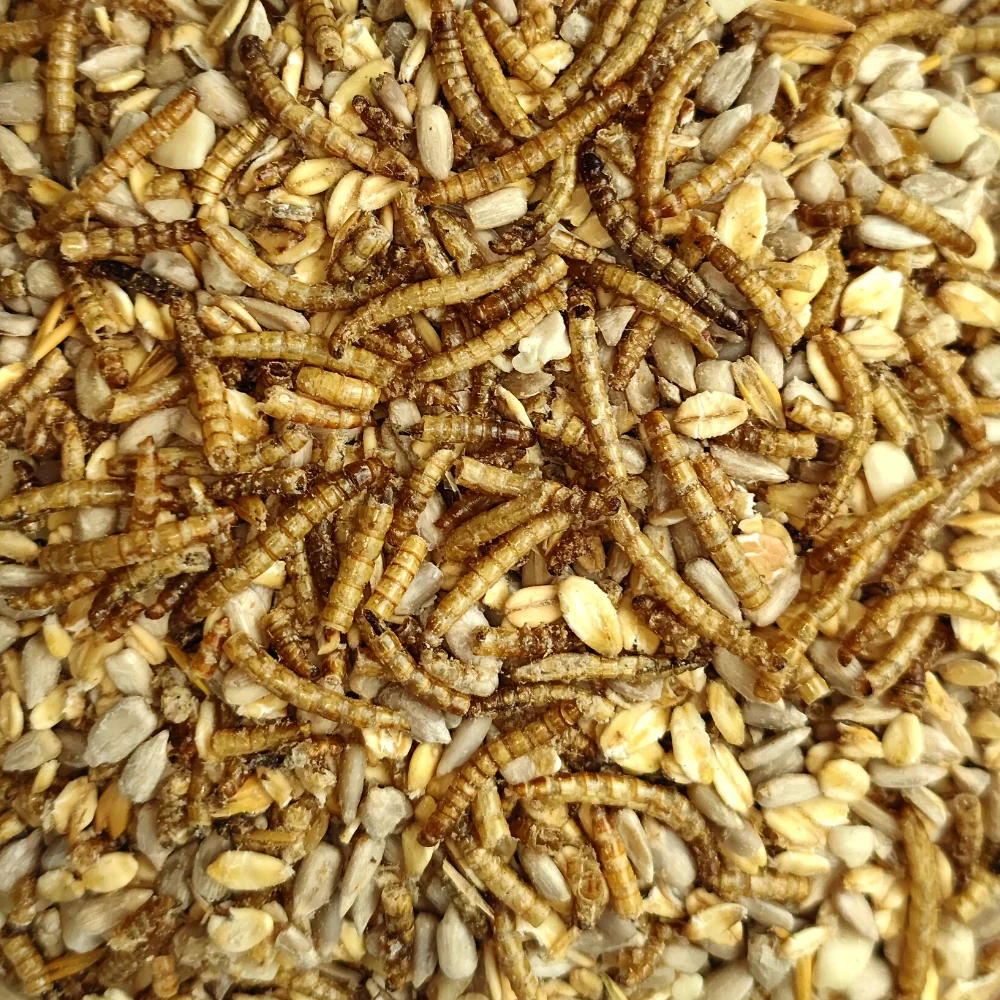
“The choice of food determines how successful feeding will be. Cheap mixes containing lots of fillers, such as wheat, are often ignored and cause more mess than benefit.”
Which foods should you avoid?
Salty, seasoned, or sweetened foods are strictly off-limits. These include bacon, chips, cookies, and salted nuts. Bread is also unsuitable: it swells in the stomach and provides hardly any nutrients.
You should also avoid dairy products, as birds can’t digest lactose. Cooked leftovers don’t belong in a bird feeder.
How should I feed birds? The best method
The feeding method is just as important as the food itself. You want to attract birds, not rats, and help them without spreading disease.
Choose the feeding site carefully. A quiet but open location is ideal. Cats shouldn’t be able to reach it easily. Placing it several meters from windows helps prevent collisions.
Expert tip
Use different types of feeders: tube feeders for small seeds, suet feeders for fat-based food, and special peanut feeders. This accommodates different feeding habits and minimizes waste from contamination. Our
are ideal for these feeders.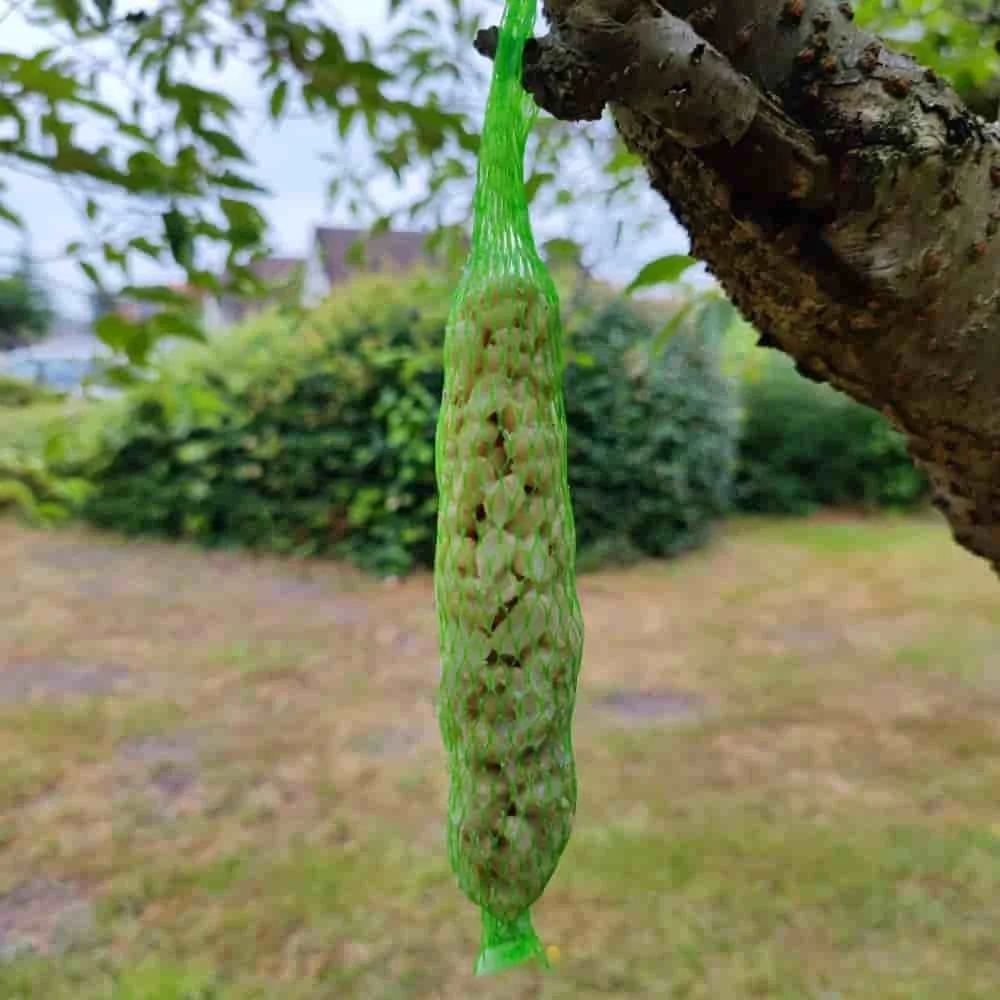
Should I feed birds at ground level or up high?
Some birds, such as robins and blackbirds, feed on the ground. You can scatter food over a small, open area for them. An elevated feeding table, however, protects food from moisture and other animals.
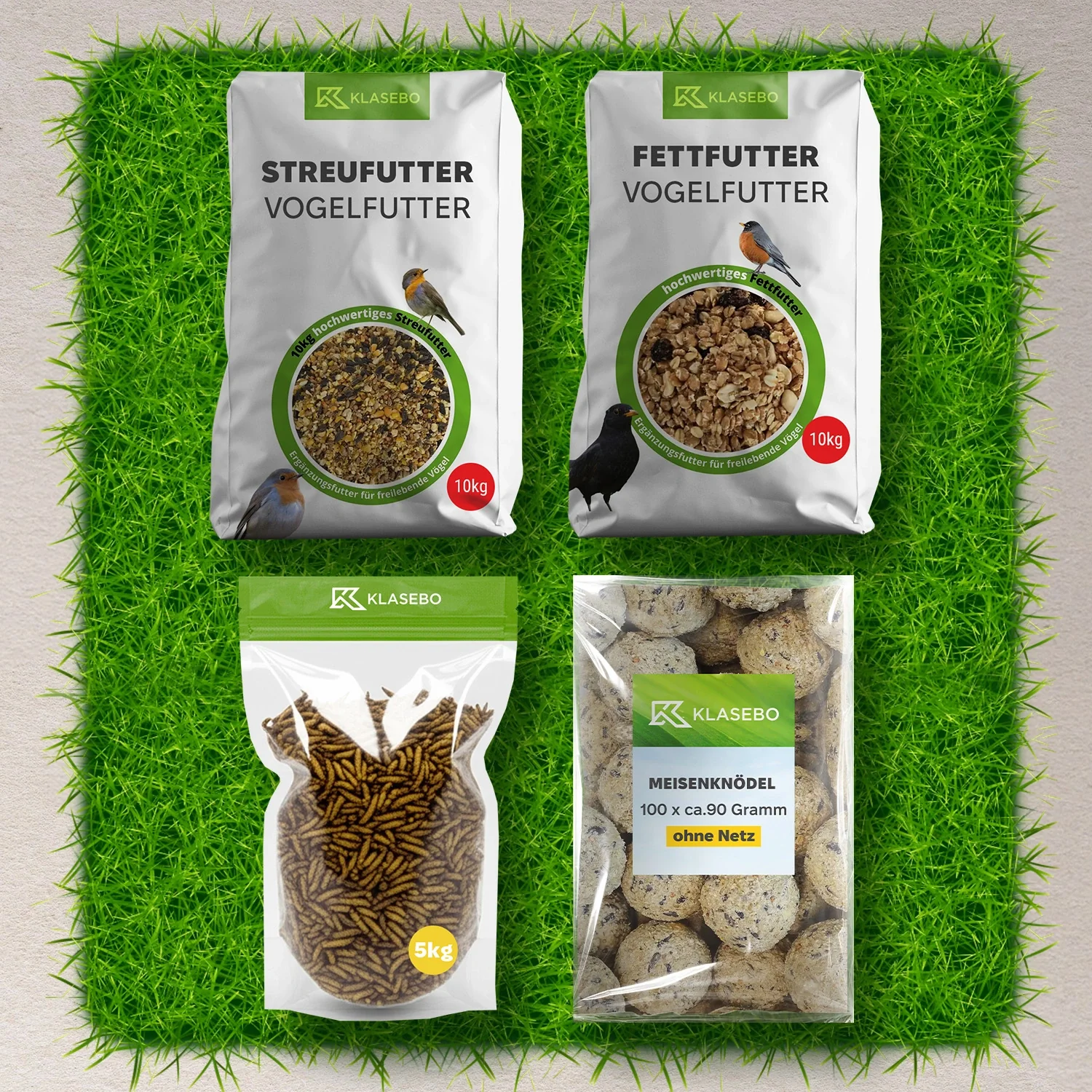
A covered bird table keeps out snow and rain. Clean it regularly. For a combination of both options, a versatile
Hygiene matters: how to clean the feeding area
Dirty feeding areas can harbor pathogens. Bird droppings mix with damp, old food, which can lead to salmonella or trichomoniasis and put entire bird populations at risk.
Clean all feeders thoroughly at least once a week. Remove old food and droppings, then scrub the feeders with hot water and a brush. Don’t use chemical cleaners or disinfectants.
Additional advice
Let the bird feeder dry completely after cleaning before adding fresh food. Moisture encourages mold growth. Replace the food more often during prolonged wet weather or when bird activity is high.
“The most common cause of death at winter feeding stations isn’t the cold, but diseases spread through poor hygiene. A thorough weekly cleaning should be the absolute minimum.”
When is the best time to feed garden birds?
Traditional winter feeding from November to February is well known. However, modern recommendations go further, and many experts advocate feeding birds year-round.
In spring and summer, breeding adults and their young need energy-rich food. Natural insect food becomes scarcer, so supplemental feeding can be beneficial during this time.
Feeding birds in winter
Start winter feeding during prolonged cold spells or when the ground is covered in snow. Birds can then find very little natural food. Feed them in the early morning and late afternoon.
Offer especially energy-rich food at this time. Suet bells, peanuts, and products with a high proportion of sunflower seeds are ideal. Keep the food dry and free of frost.
Feeding birds in summer
In summer, it’s best to feed only small amounts. Use protein-rich food such as dried insect larvae to support the rearing of young birds.
Avoid large quantities of fat-based food in hot weather, as it can quickly turn rancid. Pay especially close attention to hygiene in summer, since germs multiply more quickly in warm conditions.
Common mistakes and how to avoid them
Even with the best intentions, mistakes can happen. They can harm birds or make feeding less effective.
The biggest mistake is neglecting hygiene. A dirty bird feeder can harm more birds than it helps. Clean it regularly.
Another common mistake is choosing the wrong location. The feeding station should be neither too exposed nor too hidden. It should be safe from cats and easy for birds to access.
Do not put out too much food at once. It is better to offer small portions more often. This keeps the food fresh and attracts fewer unwanted visitors.
Conclusion: Responsible bird feeding is allowed and encouraged
Feeding birds in your own garden is a permitted and rewarding way to support local wildlife. The key is to do it responsibly.
Choose high-quality, species-appropriate food from our bird food range. Keep the feeding station clean, and position your feeders safely and thoughtfully.
This lets you make a valuable contribution to wildlife conservation in the garden while enjoying a lively, diverse garden. With the right products and a little care, feeding garden birds benefits both people and wildlife.
Frequently asked questions
- Can you feed garden birds all year round?
- Yes, feeding birds in your garden year round is allowed and recommended by many experts. It supports birds during the summer breeding season and helps them during molting. Feed them consistently so they can rely on a steady food supply. Only stop providing food during extreme weather, such as prolonged freezes or heat waves.
- What type of bread should you never give to birds?
- As a general rule, do not give birds bread, especially fresh or salted bread. Fresh bread can swell in the stomach and cause digestive problems. Salt is toxic to birds. Old, dry bread in small quantities is less harmful, but offers little nutritional value and dirties the feeding station. Specially formulated mixes from our wild bird food range are a much better choice.
- What happens if you use the wrong bird food?
- Unsuitable food, such as bread, salted nuts, or table scraps, can harm birds. It may cause malnutrition, poisoning, or feathers to stick together, which can make it harder for them to fly. Contaminated or moldy food can also cause fatal diseases. Use only high-quality, shell-free food, such as our bird food, specially formulated for the needs of native bird species.
- How can I stop rats from getting to bird food?
- Choose feeding stations that are hard for rats to reach. Hanging feeders and suet bells are ideal. Avoid ground-level bird tables, or place them on a tall, smooth metal pole. Clear away any leftover food in the evening. Offer high-energy foods and suet balls that birds eat quickly. Peanut food in specialist feeders can also help keep rodents away.
- Why is hygiene at the feeding station so important for wildlife conservation?
- Droppings and mold spores can build up at dirty feeding stations and spread diseases such as dangerous salmonellosis. Under animal welfare laws, feeding birds without regular cleaning is prohibited because it causes avoidable suffering. Clean bird tables and feeding trays weekly with hot water and a brush. Replace contaminated food immediately. This is the only way to protect the health of wild birds.
You may also be interested in
- Feeding garden birds: How to do it right all year round
- Feeding birds: When is the right time? Suet balls tested
- How to store bird food properly: Freshness and safety for birds
- Wild birds in the garden: How to create a natural habitat
- Feeding birds in winter: How to help them properly
- How to feed blackbirds: The best way to help garden birds