
In brief: The most effective way to deter hornets is to redirect them deliberately and make potential nesting sites unattractive. Use diversion feeding with overripe fruit at a safe distance. Cover potential nesting cavities such as roller shutter boxes or roof rafters with fine-mesh screening. Avoid sudden movements and lethal traps, as hornets are protected under German conservation law and may only be controlled in very exceptional circumstances.
How to Get Rid of Hornets: Effective and Safe Methods
A buzzing sound and a large, imposing appearance—the sight of a hornet makes many people uneasy. But there is no need to panic. With the right knowledge, you can deter hornets effectively without harming these protected animals. This guide shows you practical ways to do so.
Hornets are fascinating insects and important regulators of the ecosystem. They hunt pests and are more peaceful than their reputation suggests. However, their proximity to living areas can be problematic. We focus on legal, safe and humane solutions.
Why Deter Hornets Instead of Controlling Them?
The European hornet (Vespa crabro) is strictly protected in Germany. It is listed as a specially protected species. Catching, injuring or killing the insects, or destroying their nests, is a criminal offense without official authorization.
This protection exists for good reason. A hornet colony can consume up to half a kilo of insects per day, including many nuisance flies, mosquitoes and even wasps. They are therefore natural helpers with garden work.
Deterring hornets therefore means keeping them away from certain places or encouraging them to relocate. Control is permitted only in very exceptional circumstances, such as a proven allergy risk directly next to the nest.
Important note
Never use insecticides yourself or try to burn down or knock down a nest. This is illegal, dangerous and likely to provoke aggressive insects. If a nest is in a critical location, contact a certified hornet adviser through your local authority or a nature conservation organization.
How Can I Identify Hornets and Their Nest?
Do not confuse hornets with large wasps. Hornets are significantly larger, measuring up to 3.5 centimeters long. Their abdomen is reddish-brown at the front and marked with yellow and black bands toward the rear. Their head and thorax are also reddish in color. Their flight produces a deeper, louder buzzing sound.
Hornets build their nests in sheltered cavities. Typical locations include birdhouses, roller shutter boxes, attics, wooden cladding, garden sheds and hollow trees. The nest itself consists of a paper-like material that the insects make from chewed wood. Its surface is gray to beige.
Watching the entrance hole can help you identify them. Hornets also fly at night, whereas wasps do not. If you still see plenty of flight activity after dark, it is very likely that you are dealing with hornets.
The Difference Between Hornets and Wasps
Wasps are smaller, have a slimmer waist and more noticeable black-and-yellow warning markings. Sweet foods and meat attract them more aggressively, and they can be more bothersome around a garden table. Hornets generally avoid human food.
Hornets are the police officers of the garden. A colony can consume up to 500,000 insects in a season. Where hornets are present, other nuisance insects have little chance.
What Attracts Hornets to My Garden?
Hornets are looking for two things: food for their larvae and building materials. The larvae need protein-rich food, so worker hornets hunt other insects. Fallen fruit, flowering plants and light sources attract these prey insects—and therefore hornets indirectly.
Adult hornets feed on tree and plant sap as well as the nectar of ripe fruit. A compost heap containing fruit scraps or a neglected garden waste bag can act like a buffet.
During nesting season in spring, queens look for suitable cavities. Unprotected openings in roof cladding, open ventilation slots or loose boards on garden sheds invite them to settle.
Pro tip
Remove overripe fallen fruit regularly. Cover your compost with a thick layer of grass or garden fleece. This removes an important food source for hornets and other insects right next to your home.
How can I keep hornets away effectively and safely?
The best methods are preventative, cause minimal disturbance and redirect the insects elsewhere. The aim is to make your patio or home unattractive to them without endangering the colony.
1. Set up a diversion feeding station
This method is particularly effective if hornets are attracted to fallen fruit. Place a bowl of very ripe or cut fruit (grapes, plums, peaches) at least ten metres away from your patio.
The hornets will focus on this easily accessible food source and avoid the area around your seating area. Replace the fruit regularly to maintain its appeal.
2. Secure potential nesting sites in advance
This is the most important measure for next year. Seal potential nesting cavities before queens start looking for a place to live in April/May.
Fit fine-mesh fly screens over ventilation slots, loft hatches and openings in roller shutter boxes. Special insect screens are suitable for larger openings. A product such as the
helps protect windows and roof windows.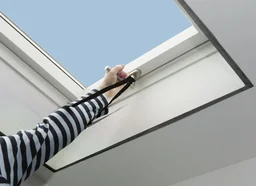
Fill cavities in masonry with expanding foam or wood. Check nest boxes in late winter and clean them if necessary.
3. Create scent barriers
Hornets rely heavily on their sense of smell. Certain essential oils can act as deterrents. Soak pieces of wood or cloth in clove oil, citronella or tea tree oil.
Hang these near doors, patio covers or seating areas. The effect lasts only a few days, after which the pieces need to be soaked again. This method works well for short-term events in the garden.
Calm, considered behavior is the best protection. Do not swat at the insects, blow on them or deliberately block their flight path. Hornets only attack when they feel threatened themselves or when their nest is under threat.
4. Manage light sources
Because hornets hunt at night, bright lamps on the house wall or patio attract nocturnal insects – and consequently hornets. Switch to yellow LED lighting, which is less attractive to many flying insects.
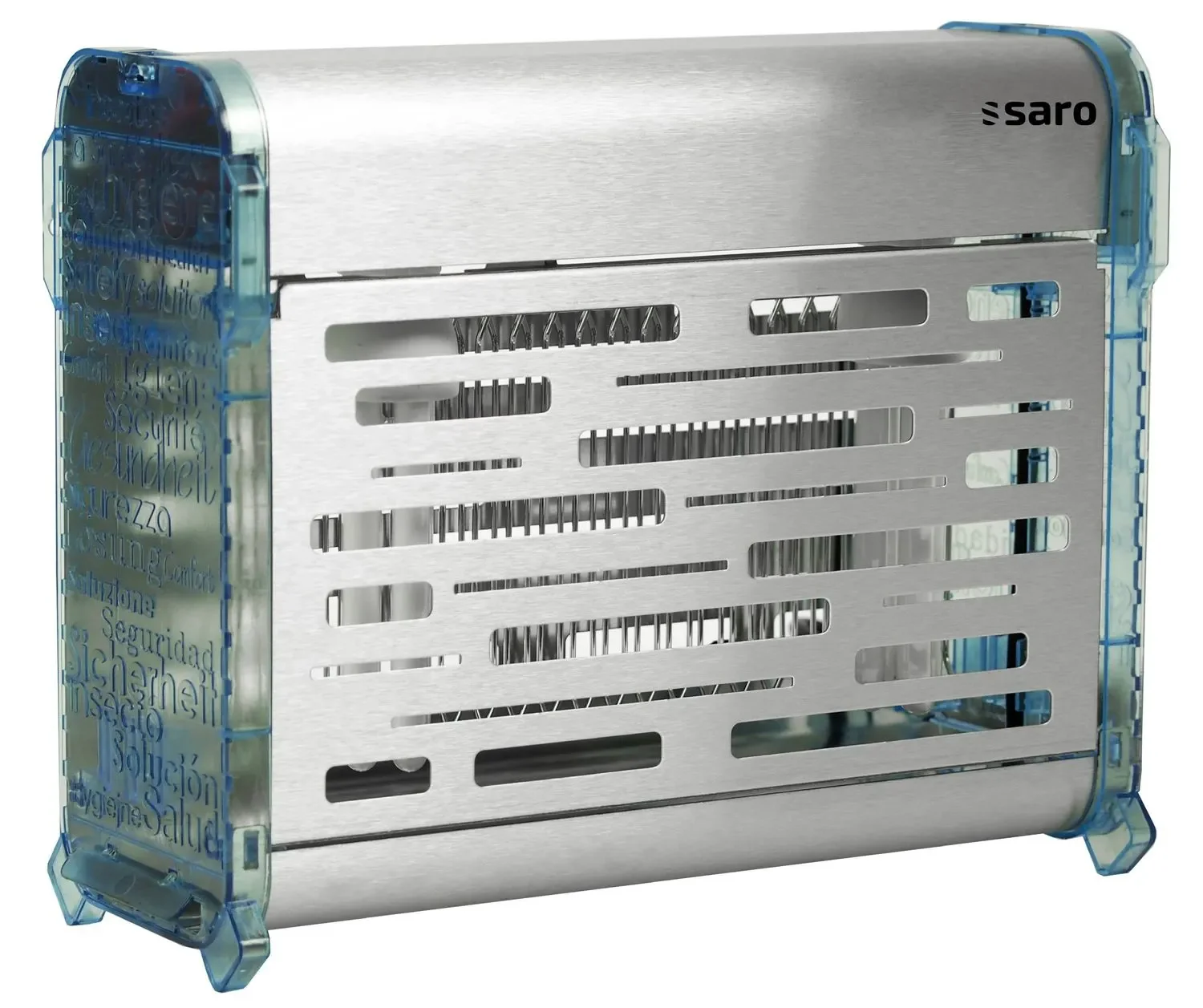
Do not leave outdoor lights on permanently; use motion sensors instead. For enclosed rooms, an electric insect killer such as the
Additional advice
Planning larger garden jobs such as trimming hedges or sawing wood? Look out for hornet activity beforehand. Vibrations and shaking near a nest are perceived as a threat. If in doubt, work from a safe distance or at a time of day when the insects are less active.
Which products can help?
There are several products available that can help keep hornets away or provide protection. Make sure you do not use lethal traps for protected hornets.
A special
can, when used correctly, help catch and keep away individual insects approaching the area. Important: Never place such traps directly near a nest, as they could make the entire colony aggressive.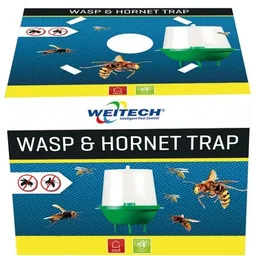
The best protection is prevention using physical barriers. High-quality fly screens for doors and windows stop hornets from entering living spaces in the first place. Suitable mosquito nets are available for your garden equipment such as gazebos or seating areas.
An electric UV insect killer reduces the population of mosquitoes and flies within a certain radius. Fewer prey insects ultimately means less incentive for hornets to hunt in this area. However, do not place the device immediately next to seating areas.
What should I do if a nest is in a critical location?
If you discover an established hornet nest less than two metres from your front door, a child's bedroom window or your patio, you need to take action. But do not deal with it yourself.
Step 1: Stay calm. Mark off the area at a safety distance of four to five metres, especially for children and pets. Avoid vibrations near the nest.
Step 2: Document the situation with photos. Show the exact position of the nest and the critical distance from your door or window.
Step 3: Contact the relevant authority. This may be your city's or county's lower nature conservation authority, a certified hornet adviser (see the NABU list) or a pest controller with the appropriate species protection permit.
A professional can often relocate the nest carefully. This usually takes place during the cool nighttime hours, when the entire colony is in the nest. Relocation is the most animal-friendly and legally compliant solution.
Long-term prevention in the garden
Design your garden so that it is attractive to hornets but not as a nesting site right next to your home. Plant nectar-rich, late-flowering perennials some distance from the house. This draws the insects into the garden rather than onto the patio.
Leave an old, decaying tree stump or a pile of deadwood in a quiet corner of the garden. This provides potential natural nesting sites and diverts the insects away from your buildings. A well-stocked garden store also offers nesting aids for other beneficial insects.
Store woodpiles, garden tools and empty pots in a dry, covered place. Hornet queens sometimes find shelter under upturned flowerpots or in watering cans.
These methods help protect you and your family while respecting the role hornets play in nature. Peaceful coexistence is possible.
Frequently Asked Questions
- Can I remove a hornet nest myself?
- No. Hornets are protected by law. Removing or destroying a colony without permission is strictly prohibited and can result in hefty fines. In an emergency, contact your local fire service, a pest control professional or a certified hornet adviser.
- What attracts hornets to my home?
- Hornets seek protein-rich food for their larvae and sweet juices for themselves. Fallen fruit, open bins containing food scraps, grilled meat and sweet drinks on the garden table are major attractions. Light sources in the evening also attract nocturnal insects that hornets prey on.
- Are hornet stings really more dangerous than wasp stings?
- European hornet venom is no more dangerous than wasp or bee venom. However, the larger amount of venom can make the sting more painful. The main danger is for allergy sufferers or in the case of stings in the mouth or throat. Hornets are much less aggressive than wasps and only sting when their nest is directly threatened.
- Which home remedies really help against hornets?
- Effective home remedies distract hornets or block their access. Set up a diversion feeding station with overripe fruit 5-10 metres away. Seal entry holes to cavities with fine fly screen mesh. Essential oils such as citronella or clove oil on soaked cloths can act as a deterrent, but they need to be renewed frequently.
- How close to the nest do I need to take action?
- Take action if the nest is less than two metres from a door, window or children's play area that is used regularly. A nest high up under the roof ridge or in an unused garden shed is usually not a threat and can be left alone.
You might also be interested in
- Get Rid of Wasps: Gentle Methods for Home and Garden
- How to Remove a Wasp Nest Safely
- Wasps and Hornets in the Garden: How Can You Live Peacefully Alongside Them?
- Fake Wasp Nest vs. Home Remedies: What Gets Rid of Wasps?
- Get Rid of Ants: Home Remedies and Sustainable Methods
- How to Identify an Asian Hornet: A Threat to Bees and Humans