
In brief: The best way to deter moles is to disturb their sensitive senses. Use sounds, vibrations, or strong smells. Mole repellents such as butyric acid and specialized devices can be effective. Dense turf and less watering make the soil less attractive. Killing moles is prohibited by law, so use deterrents only.
Moles in the Garden: Annoying but Protected
Fresh molehills can spoil the look of a perfect lawn. However, the European mole (Talpa europaea) is a protected wild animal. You must not kill it. The goal is to deter it and encourage it to move elsewhere. First, understand why it chose your garden.
Moles follow their food source. A mole eats around half its body weight in insects, larvae, and earthworms every day. Damp, loose soil with plenty of earthworms is ideal for them. Their presence often indicates healthy, living soil.
Important note
The mole is protected under the Federal Nature Conservation Act. Killing, capturing, or injuring these animals is a criminal offense. Only methods that drive them out of your garden without harming them are permitted. Check live traps every few hours.
How Do You Deter Moles with Home Remedies?
Home remedies target a mole's sensitive senses. Its sense of smell and hearing are highly developed. If you disturb them persistently, the animal will look for somewhere else to live. Results vary, and these methods often require patience.
Strong-Smelling Mole Repellents
Butyric acid is considered a powerful remedy. Soak cloths or old socks in the liquid and push them deep into fresh tunnels. The strong smell is unpleasant for people, too. Wear gloves when handling it.
Alternatives include fermented whey, sour milk, or garlic broth. Pour the liquid into the tunnels. Reapply after rain, which can wash away the smell.
Moles are highly sensitive to disturbances in their tunnel system. Consistent disruption over several days can encourage them to abandon part of their territory.
Noise and Vibrations
Place empty glass bottles at an angle in the molehills. The wind creates whistling sounds in the tunnels. Tin-can rattles and stake-mounted wind spinners work on a similar principle.
Electronic devices send vibration pulses through the soil. These disturb moles as they navigate and search for food. Use these devices early in the year, before the animals have firmly established their territory.
Professional Methods for Mole Control
If home remedies aren't enough, professional solutions may be more effective. These products are specially designed to deter moles. Browse the selection in our Pest and Plant Protection section.
The
is an example of a live trap. It catches the mole unharmed. You must then release the animal a suitable distance away, for example in a wooded area. Check the trap daily.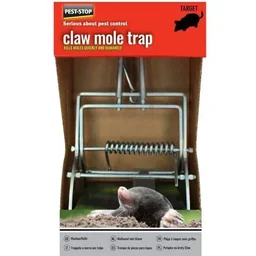
Pro tip
Always place mole repellents in fresh, active tunnels. Find the main tunnel by carefully opening a molehill. The vertical shaft leads to the horizontal tunnel. That's where smells or traps are most effective.
Special products such as the
can help with other garden pests, such as ants. Targeted bait tackles the problem at its source.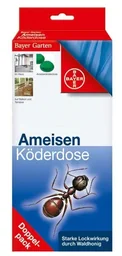
Mole Prevention: How to Keep New Visitors Away
The best way to manage moles is to prevent them from settling in. Make your garden as unattractive to them as possible. Start with lawn care and extend your efforts to flower bed design.
Make the Lawn Less Attractive
A dense, healthy lawn provides less food. Dethatch it regularly to remove thatch. Good lawn fertilizer strengthens the grass. Don't mow too short.
Water less often. Drier soil contains fewer earthworms, leaving moles with less of their main food source. Water deeply and selectively instead of frequently and superficially.
A mole can dig up to 20 meters of new tunnels in a single night. Early deterrence is therefore crucial to prevent it from settling permanently in one part of your garden.
Root Barriers and Physical Barriers
When installing a new lawn, you can place special mole mesh beneath the turf. These close-mesh plastic nets sit about 10 centimeters below the surface. Grass roots grow through them, while the mole encounters the barrier when digging.
For flower beds and vegetable gardens, buried edging made of stone, metal, or sturdy plastic can help. It should extend at least 50 to 60 centimeters into the soil. This also protects delicate plants and their accessories.
Additional advice
Combine different methods. Use smell-based repellents and vibration devices at the same time. Change products every few weeks so the mole doesn't get used to one type of disturbance. Patience and consistency are key to success.
What to Do When Nothing Else Helps?
If the infestation is extremely severe or all your efforts have failed, it's time to call a professional. Qualified pest control experts know the legal limits and have experience with persistent cases. They use professional mole deterrent methods.
Some local authorities offer advice on dealing with wild animals in residential areas. Contact your local council for information. Talking with your neighbors may help, too. Coordinated efforts across several gardens are more effective.
Consider learning to live with the mole as a helpful soil worker. Molehills are easy to level, and the soil is excellent as fine, crumbly potting soil. A healthy garden can include this resident, too.
For other flying insect problems outdoors, a device such as the
can help. It helps make your outdoor space more comfortable.
Frequently Asked Questions
- Which home remedy is most reliable for deterring moles?
- No home remedy guarantees 100% success. Strong smells such as butyric acid, fermented whey or garlic tea are the most commonly recommended options. These substances disrupt the mole's sensitive sense of smell. It is important to renew the sources of the odor regularly, especially after rain.
- Is it legal to kill a mole?
- No. The European mole is protected under the German Federal Nature Conservation Act. You may neither catch nor kill it. Only deterrent measures designed to drive it away are permitted. When using traps, make sure they are live-capture systems and check them several times a day.
- Why are moles useful in the garden?
- Moles eat harmful insect larvae such as chafer grubs and slugs. They loosen and aerate the soil deep down, improving soil quality. Their tunnels also help drain excess water during heavy rain. This makes them valuable helpers for a healthy soil ecosystem.
- How can I prevent new mole infestations?
- A dense, healthy lawn is the best form of prevention. Scarifying and regular fertilizing strengthen the turf. Reduce watering, as moist soil attracts earthworms and therefore moles. Effective plant protection against chafer grubs removes their food source.
- Do ultrasonic devices work against moles?
- Their effectiveness is disputed. Moles are very sensitive to vibrations, but they tend to hear lower frequencies. Devices that generate ground vibrations may be more effective than ultrasound alone. Combine electronic mole deterrents with other methods for the best results.
You might also be interested in
- How to deter moles: Animal-friendly methods for the garden
- Moles in the garden: Helpful allies or pests?
- How to get rid of mice in your home: Effective tips and remedies
- How to deter wasps: Gentle methods for your home and garden
- How to deter voles: Plants as a natural defense
- How to get rid of slugs in the garden: Effective methods and tips