
In brief: Hemp is a hardy, fast-growing crop that takes little effort to grow in the garden. It needs a sunny location, well-drained soil and regular watering during its early growth. Choose fiber hemp, oil hemp or ornamental hemp based on how you plan to use it. In Germany, approved low-THC varieties may be grown for fiber, seeds or bird food.
Table of contents
What is industrial hemp?
Industrial hemp, or Cannabis sativa, is one of the world’s oldest cultivated plants. Unlike varieties grown for their psychoactive effects, industrial hemp contains only very small amounts of THC. It grows vigorously, has a wide range of uses and can benefit your garden.
Depending on the variety, hemp can grow 3 to 4 meters tall in a single season. Its dense foliage helps suppress weeds. The deep root system loosens the soil and can bind pollutants, making hemp a good crop rotation plant.
You can use the fibers from its stems, its protein-rich seeds (hemp nuts) or the whole plant as animal feed. Home gardeners can also grow hemp to harvest bird food.
More advice
Buy seeds only from certified suppliers. They guarantee the legally required THC content below 0,2% and provide viable seeds that grow true to type. Keep your receipt as proof that the seeds are legal.
Which types of hemp are suitable for the garden?
Different hemp varieties produce different results. Choose one based on how you plan to use it. The three main types are fiber hemp, oil hemp and ornamental hemp.
Fiber hemp for durable materials
Fiber hemp varieties grow especially tall and develop long, strong bast fibers. Harvest them shortly before or during flowering to produce fiber. 'Futura', 'Fedora' and 'Felina' are well-known varieties approved in the EU.
Oil hemp for nutritious seeds
Oil hemp varieties produce plenty of large seeds. Let the plants mature fully before harvesting. The seeds contain valuable oils and protein. Varieties such as 'Finola' and 'Uso' are specially bred for this purpose.
Ornamental and dwarf hemp varieties
Compact varieties such as 'Bialobrzeskie' suit small gardens and containers. They grow only 1,5 to 2 meters tall, with the plant’s characteristic decorative foliage and seed production.
“Industrial hemp is one of the most efficient plants for biomass production. On the same area, it produces up to four times more cellulose than wood in a much shorter time.”
How to prepare the site, soil and seeds
Good preparation helps set your crop up for a successful harvest. Hemp is undemanding, but it still has a few requirements.
Choosing the right location
Choose a spot in full sun. The more light, the stronger the growth. A sheltered location helps keep tall plants from bending or breaking. Make sure the site will be available for the entire growing season.
Because hemp helps suppress weeds, it can also be grown as a cover crop or to improve soil on fallow land. Allow plenty of space, as the plants can grow bushy.
Preparing and fertilizing the soil
Loosen the soil thoroughly and deeply. Remove stones and perennial weeds. Hemp does not tolerate waterlogged soil, so good drainage is essential. Add sand to heavy soil to improve drainage.
Before sowing, mix in mature compost or an organic slow-release fertilizer to provide enough nutrients. Hemp can grow too tall and become unstable in over-fertilized soil. Find more helpful products in our gardening and plant supplies.
Important
Check the laws before sowing. Only approved varieties are permitted. If you are unsure, ask your local agricultural authority about your planned cultivation, especially if you plan to grow a large area. Growing ornamental hemp privately or cultivating psychoactive cannabis for personal use is illegal.
Choosing the right seeds
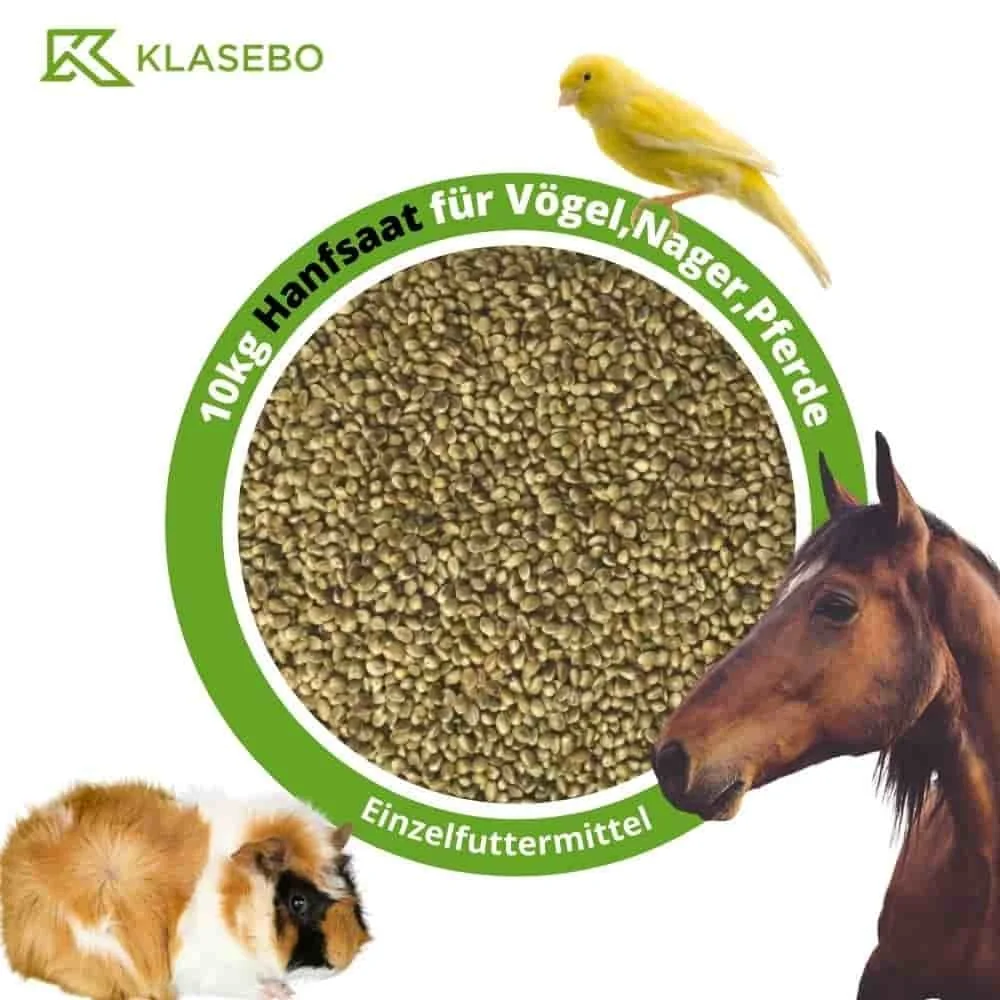
Decide whether you want to grow hemp for fiber, seeds or ornamental use, then buy the corresponding certified seeds. Hemp seeds usually retain a high germination rate for several years. To feed birds or small animals with seeds from your own crop, for example, our .
How to sow hemp, step by step
Direct sowing outdoors is the easiest and most reliable method. Hemp does not transplant well.
When to sow: From mid-May
Wait until the risk of frost has passed and the soil has warmed up. A steady soil temperature above 10°C is ideal, which usually happens from mid-May. You can sow through the end of June, but later sowing shortens the growing season.
How to sow hemp
Use a hoe to make a shallow furrow about 2-3 cm deep. Space rows 20 to 30 centimeters apart, then place the seeds 10-15 cm apart in the furrow. Closer spacing helps the plants support one another as they grow taller, which can be useful for fiber hemp.
Cover the seeds loosely with soil and press it down lightly. Keep the soil evenly moist, but not wet, for the first two weeks. The seeds will germinate in 5 to 10 days.
Pro tip
Mix small hemp seeds with sand before sowing. This makes them easier to spread evenly along the row and helps prevent too many seeds from landing in one spot. Thin out crowded seedlings later to give the plants the spacing you want.
Care During the Growing Season
Hemp is easy to care for, but a few simple steps can improve yield and quality.
Water and Nutrients
During the first four to six weeks after germination, hemp needs plenty of water. Water thoroughly during dry spells. Later, its deep roots can reach up to one metre into the soil, allowing the plant to supply itself.
Applying extra nitrogen fertilizer during the main growing period (around June) can encourage growth. An organic liquid fertilizer is best. Too much nitrogen, however, makes plants more susceptible to wind damage.
Weed Only at the Beginning
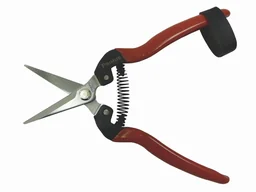
While the hemp plants are small, keep the rows free of competing plants. Once the dense canopy closes—which happens quickly—hemp suppresses weeds on its own. Find sharp, suitable tools for this job in the garden tools category.
Pests and Diseases
Hemp is highly resistant to pests and diseases. Powdery mildew can appear on the lower leaves during damp weather. Remove affected leaves. A well-ventilated location helps prevent it. Pests such as aphids are rarely a problem because many insects are deterred by the leaves.
A reliable pair of pruning shears can come in handy for harvesting and further pruning, such as our
.
“The hemp plant sustainably improves soil structure. Its roots penetrate compacted layers and, after harvesting, leave behind a fine, well-aerated soil profile for the next crop.”
Harvesting and Processing Hemp
Harvest time determines what you can get from your crop. There is no single harvest time that works for every purpose.
Harvesting for Fiber (Bast)
For fiber production, cut the plants shortly before or during flowering. Depending on the variety and sowing date, this is between the end of July and the end of August. At this stage, the stems are still green and the fibers are at their most pliable.
Cut the stems just above ground level and remove the leaves. To release the fibers, the stems must then be water-retted—a process in which microorganisms separate the woody parts from the bast fibers.
Harvesting for Seeds (Hemp Seeds)
Wait until the seed heads turn brown and the seeds are hard. This can take until September or October. Carefully knock the seeds into a bucket, or cut off the entire panicles.
Dry the seeds thoroughly in a well-ventilated, shaded place. You can then thresh them out of their husks. The harvested seeds are suitable for your kitchen or as high-quality bird feed. Our range offers a practical alternative or addition.
Harvesting the Whole Plant for Animals or Mulch
You can also use the entire plant as green fodder or mulch. In this case, harvest time is more flexible. Chop up the dried plants and use them as protective ground cover in your beds. Find suitable garden waste bags here: garden waste bags.
Other Household Uses
The strong fibers can also be made into simple ropes or yarn. For sealing jobs around the home and garden, such as threaded connections, our dense, renewable
is an excellent choice.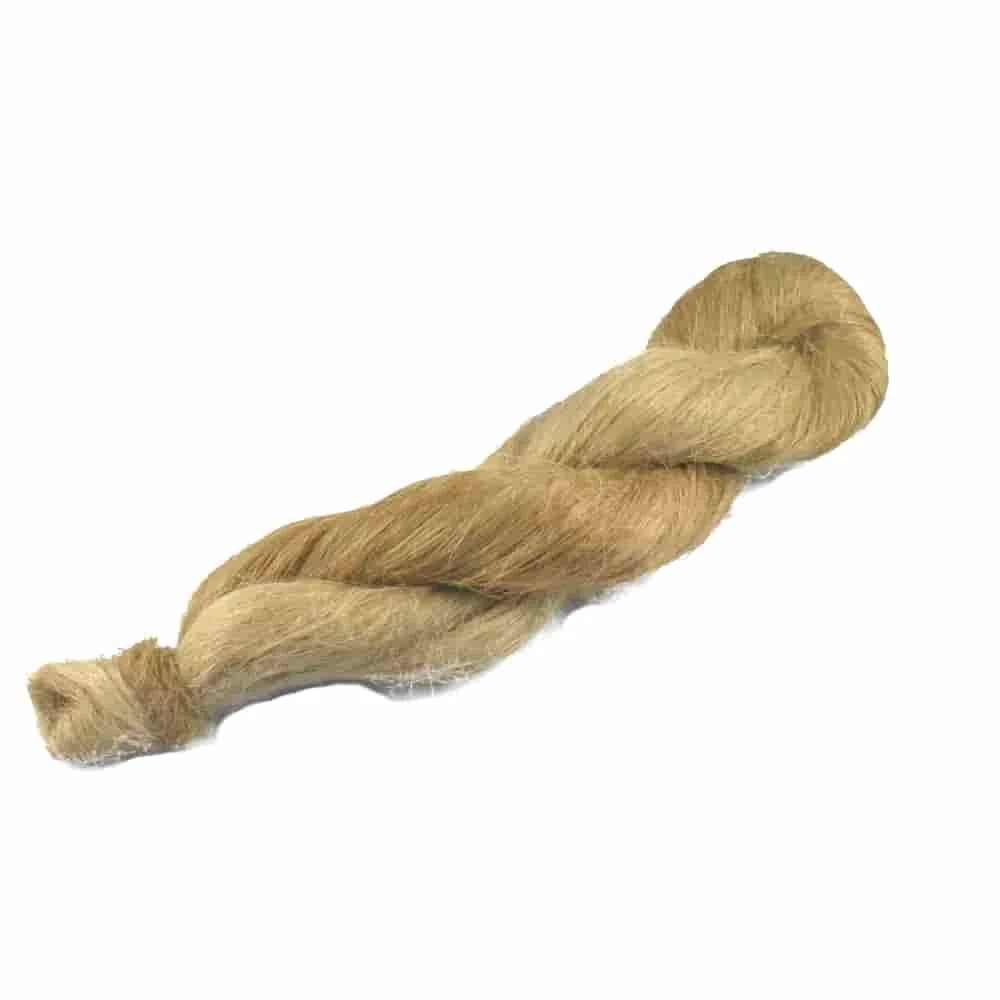
With these steps, you can turn your garden into a productive space for one of the oldest and most useful crops. Hemp combines practical benefits with eco-friendly gardening.
Frequently Asked Questions
- Is it legal to grow hemp in Germany?
- Yes, but only under strict conditions. You can grow approved, low-THC industrial hemp varieties (Cannabis sativa) with a THC content below 0,2%. You must buy the seeds from certified suppliers and can use the plants for fiber, seeds, or bird feed. Growing hemp as an ornamental plant or growing psychoactive cannabis (marijuana) at home is still prohibited.
- When should I sow hemp?
- Sow hemp directly outdoors once the risk of late frost has passed—around mid-May. The soil temperature should stay consistently above 10°C. For an earlier harvest or in cooler regions, you can start plants indoors in April. Make sure they get enough light to keep the seedlings from becoming leggy.
- What kind of soil does hemp grow best in?
- Hemp is adaptable, but grows best in deep, well-drained, nutrient-rich soil with a neutral to slightly alkaline pH. Heavy, waterlogged soils are unsuitable. Adding compost or an organic slow-release fertilizer before sowing encourages growth. You can improve light soils with humus.
- Can I grow hemp in a pot on my balcony?
- Pots aren't ideal for high fiber or seed yields because hemp develops a deep root system. Compact ornamental varieties (such as 'Bialobrzeskie') can, however, grow in large containers holding at least 30 liters. Good drainage and regular watering are important because pots dry out faster. Choose a sunny location.
- What can I do with a harvested hemp plant?
- How you use it depends on the variety you've grown. Dry the plants after harvesting. You can eat the seeds (hemp seeds) raw, press them for oil, or use them as bird feed (PRODUCT_23308). After special retting, the long fibers from the stems can be used to make ropes, textiles, or sealing material (PRODUCT_20716). The leaves and flower heads can be used as mulch.
You might also be interested in
- Hemp Seed Oil: A Green All-Purpose Oil for Skin and Home
- How to Propagate Snake Plants: Easy Ways to Grow New Plants
- Growing Cannabis for Beginners: A Guide to Getting Started
- How to Grow Beans for a Bigger Harvest
- Growing Vegetables with Crop Rotation: A Guide to Sustainable Gardening
- Growing Cucurbits: From Zucchini to Melons