
In brief: Start tomato seeds indoors from March, then plant the seedlings outside after the last frost. Choose a sunny, sheltered spot with nutrient-rich soil. Regular watering, pruning side shoots and feeding are key to healthy tomato plants. There are varieties for every space, from compact patio tomatoes to flavorful beefsteak tomatoes.
Growing tomatoes: From seed to harvest
Tomatoes are a favorite in the vegetable garden. They are rewarding to grow if you follow a few basic guidelines. Start your seeds indoors in spring, then enjoy a harvest of delicious tomatoes well into fall.
You do not need special equipment. Quality seeds, seed-starting mix and plenty of light are all you need to get started. Growing your own plants is worth the effort: you get strong seedlings and a wider choice of varieties than you will usually find at a garden center.
The right planting accessories make the work easier. From watering to plant protection, you will find everything you need.
Getting started: Starting tomato seeds indoors
Fill seed trays or small pots with low-nutrient seed-starting mix. Sow the tomato seeds about half a centimetre deep and cover them lightly. Keep the mix consistently moist with a spray bottle, but do not let it get soggy.
Place the containers in a warm, bright spot out of direct midday sun. A temperature above 20 degrees is ideal for germination. Covering the containers creates a humid microclimate.
Expert tip
Label your seed trays as soon as you sow them, adding the variety name and date. Use waterproof labels. If you grow several tomato varieties, it is easy to mix them up otherwise.
After the seeds germinate, the seedlings need as much light as possible. A spot right next to a south-facing window is ideal. Turn the pots regularly so the plants do not lean toward the light.
Transplanting seedlings: Make room for strong roots
When the first set of true leaves appears after the seed leaves, it is time to transplant the seedlings. Move each one into its own larger pot. Handle them gently by the leaves rather than the stem.
Use richer, well-draining soil. Plant each seedling a little deeper than before. Tomatoes grow extra roots along the buried part of the stem, helping the plants become stronger and more stable.
and are ideal starter pots for this stage. They give young tomato plants plenty of room to develop strong roots.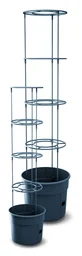
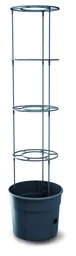
How do you care for tomato plants outdoors?
After the last frost, usually in mid-May, you can move tomato plants outdoors. Gradually acclimate them to sun and wind over the course of a week. Start with just a few hours outside each day.
Choose a sunny, warm, sheltered location. A spot against a south-facing wall is ideal. The soil should be deep, rich in nutrients and well drained. Improve heavy soil with sand or fine gravel.
Important note
Do not plant tomatoes in the same spot two years in a row. Avoid planting them near potatoes, peppers or eggplants, too. These nightshade family plants can spread diseases such as late blight.
Water tomato plants regularly and thoroughly. The root ball should never dry out completely. Try to keep the leaves dry by watering at the base of the plant, preferably in the morning.
A layer of straw or grass clippings helps the soil retain moisture and keeps rain from splashing soil onto the leaves. This significantly reduces the risk of fungal diseases.
Tomato plant care: Feeding and pruning side shoots
Tomatoes are heavy feeders and need plenty of nutrients to grow and produce fruit. Before planting, mix mature compost or an organic slow-release fertilizer into the planting hole.
Once the fruit begins to form, feed your plants every one to two weeks with a liquid tomato fertilizer. It provides plenty of potassium to support fruit production and little nitrogen, which can otherwise encourage leafy growth at the expense of fruit. Find specialty products in our plant fertilizer range.
“When pruning side shoots, do not snap them off. Carefully pinch them out with your fingernails. A clean cut heals better and gives pathogens fewer chances to enter the plant.”
Pruning side shoots is essential for indeterminate tomatoes. Remove the shoots that grow in the leaf axils between the main stem and leaf stalk. This helps the plant direct its energy into the main stems and fruit.
Tie plants to sturdy stakes or spiral supports early on. This keeps stems from breaking and fruit off the ground. Use soft ties, such as coconut twine.
Which tomato varieties should you grow in your garden?
There are countless varieties to choose from. They differ in growth habit, fruit size, color, flavor and ripening time. The best choice depends on your space and preferences.
Indeterminate tomatoes grow tall and need support. They produce fruit over a long season and yield a lot in a small space. Beefsteak tomatoes are large, juicy varieties that are great for salads and sauces.
Cherry and grape tomatoes are small, sweet and flavorful. They are perfect for snacking straight off the vine or adding to a garnish. Determinate bush tomatoes stay compact and do not need side shoots pruned. They are ideal for containers and small gardens.
Additional advice
Along with red varieties, try yellow, orange or dark purple tomatoes. They often have different nutrient profiles and add color to your plate. Heirloom varieties are often hardier and more flavorful than modern hybrids.
Wild tomatoes are the original forms. They are extremely hardy, grow vigorously and produce plenty of small, flavorful fruit. They are well suited to growing without support or in a hanging basket.
Tomato varieties resistant to disease: Less work, better results
For wet summers or rainy regions, disease-resistant varieties are a smart choice. They are less susceptible to late blight. Seed packets may use labels such as “F1” for hybrids or “resistant to…”
Resistance does not mean a plant is immune. It may become diseased later or be affected less severely. Even with resistant varieties, use good care practices such as protecting plants from rain.
Explore a wide selection of seeds in our tomato seeds category. You will find classic varieties as well as rarities.
How do you protect tomatoes from diseases and pests?
Prevention is the best protection. Healthy, well-nourished plants in an ideal location are more resilient. Make sure there is enough space between plants for good air circulation.
Blight is the most common disease. You can identify it by gray-brown spots on the leaves and stems, followed later by brown, sunken patches on the fruit. Remove affected plant parts immediately and dispose of them with household waste.
A tomato shelter or planting under a covered area protects against rain, which spreads the spores. Garden fleece can provide temporary protection from rain.
“Whitewash the lower 30 centimeters of the tomato stems with lime paint. This reflects light, strengthens the tissue and makes it harder for pests such as tomato leaf miners to reach the plant. A simple trick with a big impact.”
For pests such as aphids, spraying them with a strong jet of water is often enough. Beneficial insects such as ladybug larvae control them effectively. Yellow sticky traps help against whiteflies.
, the “Wonder Shears,” is a practical all-purpose tool for the garden. Use it to precisely cut off diseased shoots without damaging healthy parts of the plant. You can find more useful helpers in the garden tools section.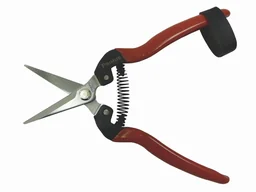
Calcium deficiency and other physiological disorders
Not all problems are diseases. Blossom end rot is caused by calcium deficiency, often as a result of inconsistent watering. The fruit develops brown, leathery patches at the blossom end.
Water regularly and mulch the soil. In the event of an acute deficiency, a special calcium fertilizer sprayed directly onto the leaves can help. Incorporating garden lime into the soil the previous year can also help prevent it.
Fruit splitting is usually caused by major fluctuations in soil moisture. After a dry period, tomatoes absorb too much water during a downpour and the skin splits. Consistent watering helps prevent this.
Harvesting and using your tomatoes: the reward for your hard work
Harvest tomatoes when they are fully colored and slightly soft to the touch. They should then come away easily from the plant with the stem attached. Cut or gently twist off the fruit.
Tomatoes continue to ripen after harvesting. Pick green fruit before the first frost and let it ripen indoors at room temperature. Place an apple alongside it to speed up the process.
Never store fresh tomatoes in the refrigerator. The cold destroys their flavor and makes the flesh mealy. Keep them at 12 to 16 degrees in a dark place.
Turn a large harvest into sauce, ketchup or chutney. Freezing is also possible: briefly blanch the tomatoes, remove the skins and freeze the flesh. Oven-dried tomatoes add an intense flavor.
With the right care and choice of variety, you can harvest fresh homegrown tomatoes from July to October. Their flavor far surpasses that of store-bought produce. Start your project in the new gardening year.
Frequently Asked Questions
- When is the best time to start tomato seeds indoors?
- Start growing tomatoes indoors between mid-March and early April. The seeds germinate at a consistent 20 to 24 degrees Celsius within 10 to 14 days. This gives the young plants enough time to grow strong before they are moved outdoors after the Ice Saints in mid-May.
- Why do tomatoes develop brown spots at the blossom end?
- Brown, sunken spots at the blossom end are a sign of blossom end rot. This is caused by calcium deficiency, often resulting from inconsistent watering. The plant is then unable to absorb the nutrient. Consistent watering and good soil nutrition help prevent it.
- Do tomato plants always need to be pruned?
- Not all tomato varieties need pruning. Indeterminate tomatoes that grow upwards produce side shoots in the leaf axils. Remove these regularly so the plant can direct its energy into the fruit. Bush tomatoes and wild tomatoes generally do not need pruning.
- Can you grow tomatoes on a balcony?
- Yes, many compact varieties are ideal for growing on a balcony. Choose sufficiently large containers with a capacity of at least 10 liters and drainage holes. Balcony tomatoes and cherry tomatoes are particularly robust. Make sure they have a sunny, sheltered location and apply fertilizer regularly.
- What is the best way to store tomatoes after harvesting?
- Store fully ripe tomatoes at room temperature, never in the refrigerator. The cold destroys their flavor and makes them mealy. Green tomatoes will continue to ripen if you place them in a paper bag with an apple. The ethylene released by the apple speeds up the process.
You may also be interested in
- Planting tomatoes: your path to a bountiful harvest
- Tomato plants through the seasons: growing & care
- Nightshades: the guide to tomatoes, peppers & more
- Discover plant diversity in the garden
- Creating and caring for vegetable beds: the ultimate guide
- Hardening off tomato plants: how to safely acclimate seedlings to the outdoors