
In brief: To install landscape lighting, start with a plan that includes paths, trees and architectural features. Choose between wired, solar or battery-powered lights. Position spotlights strategically for safety, visibility and visual impact. Check IP ratings, use proper wiring and avoid light pollution. This guide will help you complete your DIY project.
Install Landscape Lighting: Create Outdoor Accents
Outdoor lighting transforms your yard. It lets you enjoy your outdoor space for longer, improves safety and highlights plants and architecture. With the right planning and equipment, you can install the lights yourself.
We’ll show you how to go from your initial idea to a finished installation.
Why is well-planned landscape lighting worth it?
Well-planned lighting gives your yard structure. It guides visitors safely along paths and highlights standout trees or an attractive home exterior. On the patio, it creates a welcoming atmosphere.
It can also improve security. Motion sensors can deter intruders, and illuminated steps help prevent accidents.
How do I plan my landscape lighting?
Start with a site plan. Mark paths, steps, seating areas and important plants. Note the locations of outlets and potential transformer locations.
Define your lighting zones. Where do you need functional light? Where should ambiance take center stage? Plan separate zones for security, pathways and accent lighting.
The secret to good outdoor lighting is playing with contrast. You don’t need to light everything brightly. Create focused highlights and let other areas fade into darkness. This adds depth and intrigue.
Choose your light color. Warm white light between 2700 and 3000 Kelvin feels inviting and natural. Cool white light has a modern look but can feel less cozy.
Choosing a system: wired, solar or battery-powered?
Each option has advantages and disadvantages. Wired lights deliver consistent output. They work in all weather and are a good choice for permanent lighting.
Solar lights are flexible and easy to install. However, they need direct sunlight to deliver their full output. In winter or shady locations, they provide less light.
Pro tip
Combine systems. Use wired spotlights for main paths and the patio. Add solar lights as decorative accents in flower beds or along garden walls. This gives you reliable lighting with added flexibility.
Battery-powered lights offer a portable alternative. They work well for temporary lighting or in places where you can’t run cables.
What types of landscape lights are available?
There are many types of outdoor lights to choose from. Recessed ground lights can be installed in paths or patios. They provide even, glare-free illumination.
Spotlights with stakes are easy to push into the ground. They work well in flower beds and for highlighting plants. Adjustable-height models offer extra flexibility.
Wall lights and floodlights can be mounted on the exterior walls of your home, garage or pergola. They provide security lighting or highlight building exteriors.
Post lights and bollard lights illuminate paths and open areas. They stand higher and spread light over a wider area.
How to install landscape lighting: step by step
Gather all the components. You’ll need the lights, cables, a distribution box or transformer, connectors and possibly conduit.
Mark the spotlight locations around your yard. Temporarily push the stakes into the ground or position the lights.
Run the cables along your planned route. For low-voltage systems, a shallow trench of about 20 cm is sufficient. Use a trenching hoe or spade.
Important note
Only a qualified electrician may work on a 230-volt household electrical installation. This includes connecting to an outdoor outlet circuit or installing a separate circuit for landscape lighting. If you’re unsure, hire a professional.
Place the cables in the trench and connect them. Use waterproof connectors. For stake lights, push each spotlight into the ground and connect the cable.
Secure wall lights with wall anchors and screws. Take care not to damage any existing cables.
Connect everything to the transformer or distribution box. Test the lights during the day and adjust their aim if needed.
How can I create effective outdoor lighting accents?
Think of light as a brushstroke and use it with intention. Shine a light up an old tree trunk to create dramatic shadows.
Aim a spotlight at a pond or fountain. The light reflects off the water and creates a lively effect.
Try uplighting. Spotlights at the base of a wall or plant shine upward and highlight its shape.
Avoid lighting objects straight on. It can look flat and cause glare. Light from the side or below adds shape and depth.
The best landscape lighting barely feels like lighting. You simply notice how beautiful the yard looks. The equipment fades into the background. That’s the goal.
Product recommendations for your project
Sets are a great way to get started. The
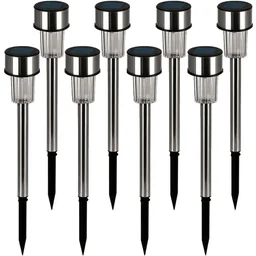
The
is a 4-piece set of solar path lights with a dusk-to-dawn sensor. They switch on and off automatically, making them ideal for beginners or for expanding an existing system.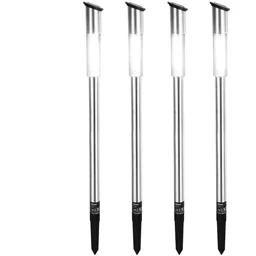
For your home’s entrance or permanent pathways, the

Find more lights and matching garden accessories in our shop.
What should I consider when it comes to power and safety?
The IP rating is crucial. Outdoor lights should have at least an IP44 rating. IP54 or IP65 is better for areas exposed to heavy rain or splashing water.
Use cable designed for underground or outdoor use. It is protected against moisture, UV exposure and mechanical damage.
Protect all circuits with a ground-fault circuit interrupter (GFCI). It shuts off power immediately if it detects a ground fault, helping prevent potentially fatal electric shocks.
Additional advice
Plan how you want to control your lights. A central switch in the house for all your outdoor lighting is convenient. Timers and smart app controls can turn lights on and off automatically. Motion sensors save energy and improve security.
Put your patio, path and accent lighting on separate circuits. That way, you can switch each area on and off independently.
How to care for and maintain your outdoor lighting
Clean the lights regularly. Dust, leaves and cobwebs can reduce light output. Use a soft cloth and a mild cleaning solution.
For solar lights, check that the panels are clean. Snow and leaves can significantly reduce charging performance.
Before winter, check cables and plug connections for damage. If severe frost is expected, bring battery-powered lights indoors as needed.
Store solar lights that are not frost-resistant in a dry place over the winter. This helps extend their service life.
Conclusion: Give your garden a fresh look with lighting
Installing garden spotlights is a rewarding DIY project. With careful planning, the right equipment and these tips, you can create beautiful accents.
Start small. Light your main path or patio first, then expand the system over time.
Keep safety in mind, and have a qualified electrician handle professional electrical work at 230 Volt. Take advantage of solar and battery-powered lights for hard-to-reach corners.
Browse our Garden + Outdoor category for more inspiration and products. From irrigation to grill equipment, you’ll find everything you need for your outdoor space.
Your garden will thank you, well into the night.
Frequently asked questions
- Are mains-powered or solar garden spotlights better?
- Mains-powered spotlights provide consistent brightness, run for longer and don’t depend on sunlight. Solar lights are flexible and easy to install without cables, but they need direct sunlight for the best performance. We recommend mains power for main paths and accent lighting, and solar lights for decorative areas.
- How deep should I bury garden lighting cables?
- Bury low-voltage cables (12V/24V) at least 20 cm deep. For 230V mains electricity, cables must be laid at least 60 cm deep in an empty conduit or as suitable underground cable. Mark the route and use a trenching tool to make the job easier.
- How many lumens do I need for a garden spotlight?
- For path lighting, 50-200 lumens per spotlight is usually enough. Accent lighting for trees or façades requires 200-500 lumens. Security floodlights or patio lights should start at 700 lumens. Choose warm white light (2700-3000 Kelvin) for a cozy atmosphere.
- Can I install garden spotlights myself?
- You can generally install low-voltage systems (12V/24V) yourself using a plug-in power supply. Work on your 230V household electrical system, such as tapping into an outdoor outlet circuit or installing a dedicated circuit, must be carried out by a qualified electrician.
- How can I reduce light pollution from garden lighting?
- Point spotlights downwards and use shields and motion sensors. Avoid cool white light above 4000 Kelvin. Turn off the lights at night or dim them significantly. This helps protect insects and prevents your lights from disturbing your neighbors.
You may also be interested in
- Solar power in the garden: The ultimate guide to solar lights
- Garden lighting: How to create the perfect ambiance
- LED spotlights with motion sensors: How to install them and why they’re useful
- Planning garden lighting: Solar or mains power—which is better?
- Outdoor lighting for home security: Tips to help deter burglars
- Planning your lighting: Tips for the perfect effect