
In brief: You can loosen stuck screws with controlled force, heat or chemical penetrants. First, tap the screw head lightly with a hammer to break the rust. Warm the screw with a hot-air gun so the metal expands. Use a punch or a screwdriver with an extension for extra leverage. For corroded screws, a rust remover such as FENOPLAST Fenosol can help.
How to Loosen Stuck Screws: Expert Tips for DIYers
A rusted-in screw can bring any DIY project to a halt. The causes are varied: corrosion, bonded threads, excessive tightening torque or a damaged screw head. With a systematic approach and the right tools from our workshop supplies, you can solve the problem.
First, identify the cause. Rust requires different measures than bonded threads. Then choose the right method, starting with the gentlest and progressing to the most drastic. The right wrenches and screwdrivers are crucial.
Why Do Screws Get Stuck?
Corrosion is the main enemy. Iron reacts with oxygen and moisture to form rust, which makes the thread swell. Contact corrosion between different metals is particularly aggressive, such as steel screws in aluminium. The metals form a galvanic cell.
Bonding occurs when threads weld together due to incorrect installation or heat. Paint residue or dried adhesive can also block screws. Excessive tightening torque during installation presses the thread turns into each other.
Pro tip
Before loosening a screw, always tap the screw head lightly with a hammer. This breaks microscopic rust bridges. Use a punch on delicate heads. The blows should be applied lengthwise along the screw.
How Do You Loosen Slightly Rusted Screws?
Start with mechanical methods. Fit the correct screwdriver or wrench. Apply short, firm pressure and turn the screw sharply anticlockwise. A longer lever helps, but beware of overloading the screw and rounding off the head.
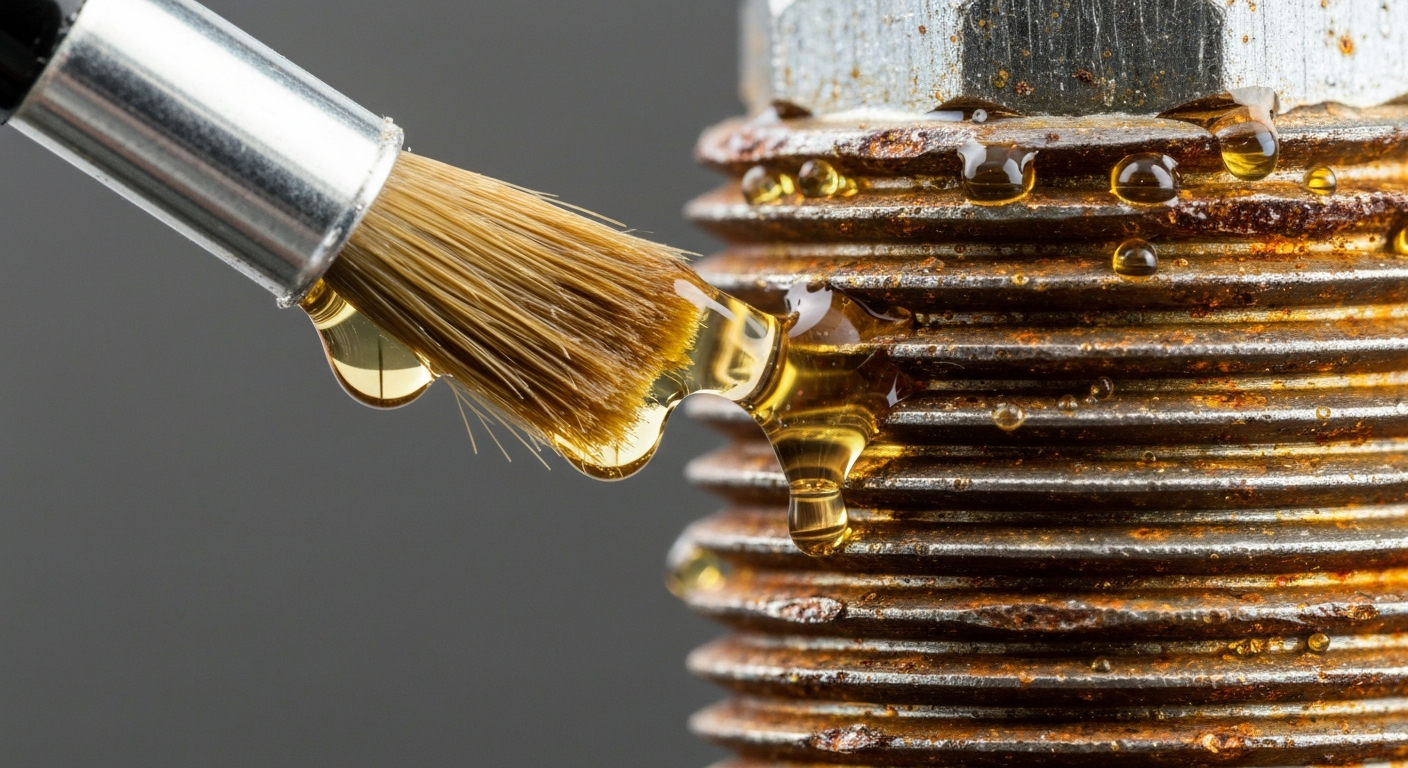
If that does not work, use chemical aids. Penetrating oils such as
or penetrate fine gaps. Spray or drip the product generously onto the screw and leave it to work for at least 30 minutes. Several applications improve the effect.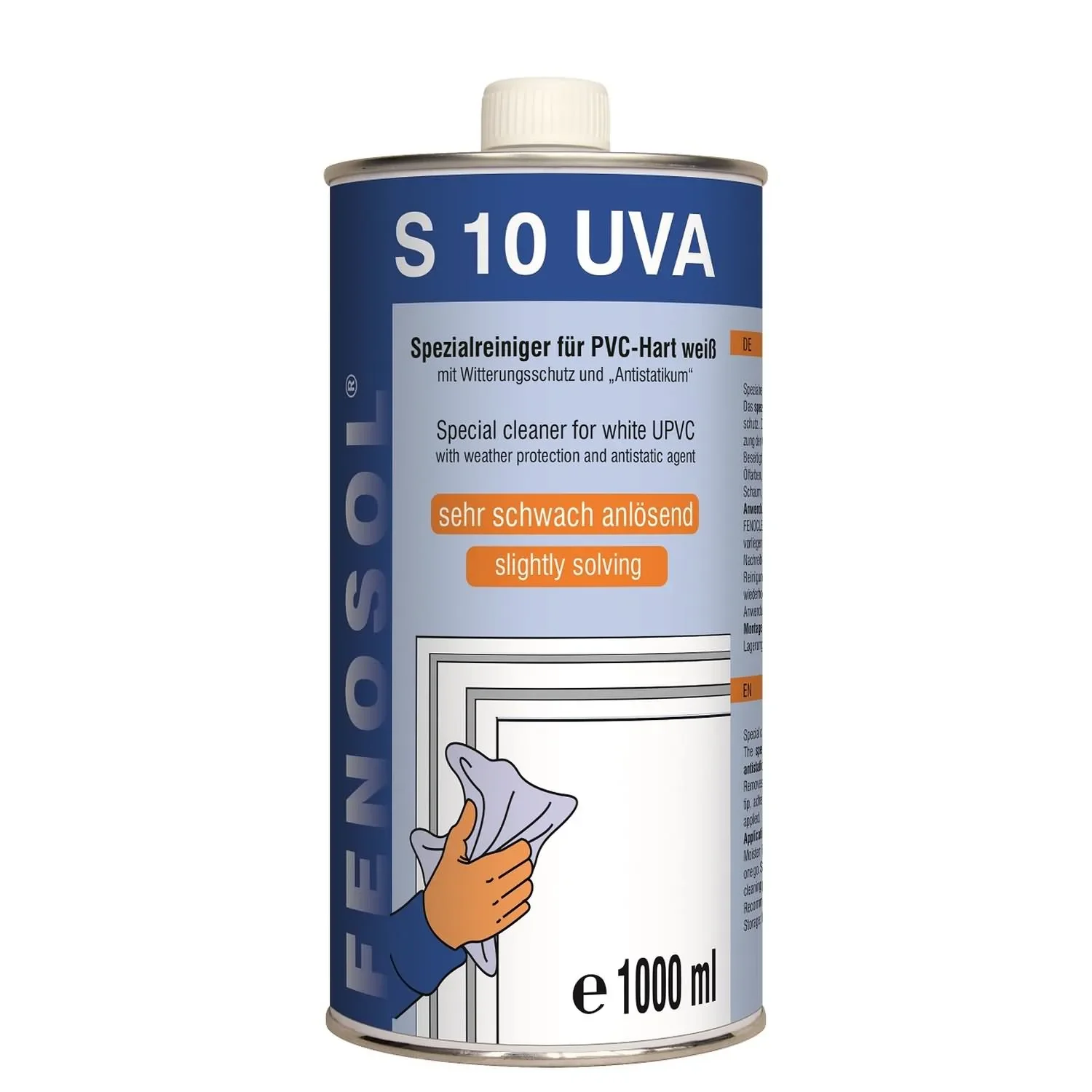

Choosing the Right Tools
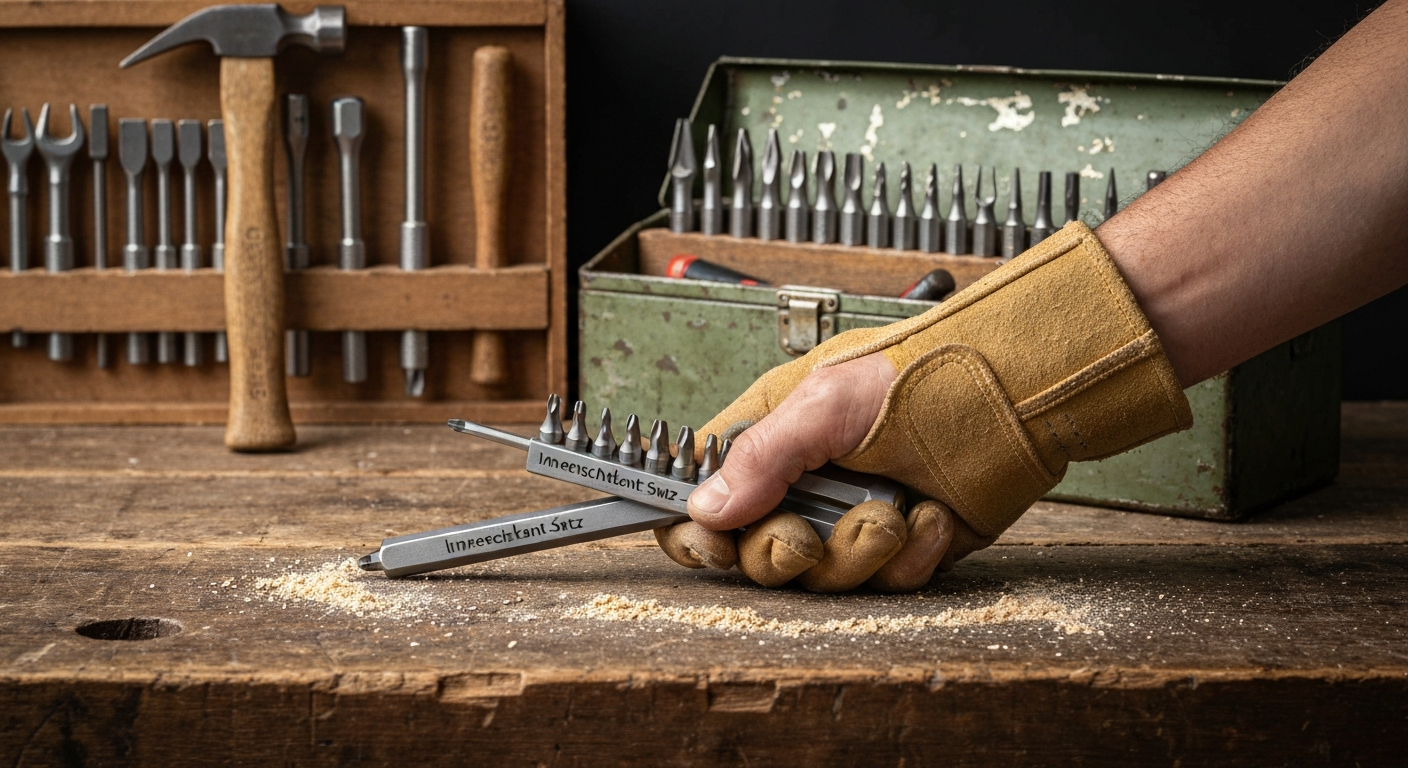
Always use the tool that fits exactly. A slipping bit can destroy the screw head. For hex socket screws, a set such as
is ideal. Specialist bits for stripped Phillips heads are available in sets such as .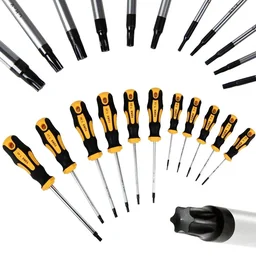
For extra leverage, use an extension or a ratchet with a long handle. Only slide a pipe over the screwdriver handle in an emergency, as the risk of breakage is high.
When screws are stuck, patience is your best tool. A combination of tapping, penetrating oil, waiting and trying again often works better than brute force.
What Should You Do With Heavily Corroded or Bonded Screws?
This is when more intensive methods are needed. Heat loosens many bonded connections. Warm the screw directly with a hot-air gun. The metal expands and breaks the bond. With nuts, apply heat specifically to the nut while keeping the screw cool.
Important note
Be careful with open flames. They can damage components or cause fires. Check the surrounding area for flammable materials. Wear protective gloves, as heated metals can cause serious burns.
If heat does not help, you can drill through the screw. Use a screw extractor. It bites into the screw as it turns anticlockwise and removes it at the same time. This method requires precision and suitable tools.
Extreme Cases: The Screw Breaks Off
If the head breaks off, the threaded section remains in the material. You will need to drill it out. Drill precisely into the centre of the screw using a metal drill bit. Start with a small diameter and increase it gradually. Then cut a new thread with a thread extractor.
Another method is to weld a nut or pin onto the broken-off section. The weld transfers the force needed to turn it out. This job is best left to a professional.
Additional advice
Keep your tools well organised. A workshop trolley keeps all the necessary tools within easy reach. This helps you avoid wasting time and getting frustrated while searching for the right bit or wrench.
How do you loosen screws with a damaged head?
Rounded-off screw heads are a common problem. For hex socket screws (Allen screws), special bits with gripping studs bite deeper into the head. For Phillips screws, try a larger bit or a specialist bit designed for stripped screw heads.
You can also file two opposite sides of a hex head flat, then fit an open-end wrench. With countersunk screws, driving a punch into the head with a hammer can sometimes create a new drive profile.
The rubber band trick
A simple trick for slightly worn screw heads: place a wide rubber band between the bit and the head. The rubber fills the gaps and increases friction. Press the screwdriver firmly into the head as you turn. This works for many Phillips and slotted screws.
The quality of your tools can make all the difference. Cheap bits made from soft steel wear out and damage the screw. Invest in high-quality tools; they quickly pay for themselves.
How can you prevent screws from seizing?
Prevention is the best approach. From the outset, use suitable screws for the material. V2A or V4A stainless steel screws resist rust and are suitable for outdoor use. Galvanized screws provide basic protection.
Apply lubricant to the threads before driving in the screw. Copper grease helps prevent contact corrosion and also lubricates. Grease or specialty assembly paste works too. This makes it easier to loosen the screws even years later.
Avoid applying too much torque. An overtightened screw compresses the threads. Use a torque wrench for critical connections. This protects both the material and your tools.
Proper storage helps prevent rust
Store screws and tools in a dry place. Moisture encourages rust. A well-organized workshop trolley with cabinet helps protect them. For long-term storage, use silica gel packets to absorb moisture.
Regularly check important screw connections, such as those on patio furniture or carports. Loosen and regrease the screws when needed. This maintenance can save a lot of trouble and effort down the road.
What tools should be in your basic toolkit?
To loosen seized screws, you need a basic toolkit. It should include a set of high-quality screwdriver bits, a hammer, a set of punches, and a rust remover such as FENOPLAST Fenosol. A heat gun is useful for many jobs.
For special cases, keep a screw extractor and a set of thread extractors on hand. These tools can save a project when standard methods fail. You can find them in the Wrenches + Screwdrivers category.
Invest in quality. Good tools last longer, feel better in your hand, and protect your screws. They are a worthwhile investment for any DIYer. Plan your tool purchases and build your collection systematically.
With these tips and methods, you can handle most seized screws. Work systematically, start with the gentlest method, and move on to stronger methods as needed. Patience and the right tools are your best allies.
Frequently Asked Questions
- What should I do if a screw head is rounded off?
- If a screw head is rounded off, you may need to extract the screw. Try a screw extractor, which cuts into the metal as you turn it counterclockwise. Alternatively, file two opposite edges flat and fit an open-end wrench. For Phillips screws, specialty bits can grip worn heads.
- What is the best oil for loosening seized screws?
- Do not use ordinary household oil. Specialty rust removers such as FENOPLAST Fenosol S 10 UVA or penetrating oils are more effective. They seep into tiny rust gaps through capillary action and break the bond. Let the product work for several hours, ideally overnight, and tap the screw lightly from time to time.
- Can heat loosen a seized screw?
- Yes. Heat is effective, especially for screws that are bonded or oxidized. Heat the screw precisely with a heat gun or blowtorch. The metal expands and breaks the bond. Be careful around heat-sensitive components, paint, or plastic. Never use this method near flammable materials.
- Why should I tap the screw head before turning it?
- Lightly tapping the screw head with a hammer breaks microscopic layers of rust and oxide between the screw threads and the nut. This helps break the bond. Always strike along the screw's axis to avoid bending it. For delicate heads, use a punch or screwdriver as an intermediary.
- How can I prevent screws from seizing?
- From the outset, use suitable screws for the application, such as wood screws for wood. Apply lubricating grease or a corrosion inhibitor such as copper grease to the threads before driving in the screw. This helps prevent galvanic corrosion between different metals and makes future disassembly easier.
You may also be interested in
- Screw extractors: How to remove rounded-off screws
- Choosing the right cordless screwdriver: Buying guide and tips
- Screwdriver review and comparison 2026: The best models tested
- Clogged drain? Effective home remedies and pro tips
- Electric screwdriver: Your helper for DIY projects
- Smart DIY tips for your home improvement project