
In brief: A homemade sundial is a functional work of art for your garden. You need a shadow-casting rod (gnomon), an easy-to-read scale and a sunny, level location. Choose the material to suit your style: stone looks classic, wood rustic and metal modern. Alignment with true north is essential for accuracy.
How to Make a Sundial: Unique Garden Decor
A sundial combines function and art. It is more than a clock. It is a statement for your garden. Build this historic timekeeping device yourself and create a personal focal point.
Your homemade garden clock will become a talking point. It showcases your practical skills and lets you personalise your outdoor space. The choice of material is up to you.
How does a sundial work in the garden?
The principle is simple and ingenious. An angled rod, known as the gnomon, casts a shadow. As the sun moves across the sky, the shadow moves with it.
The shadow falls on a scale marked with hour lines. These lines are not evenly spaced. They are calculated for your exact location and the angle of the gnomon.
“The sundial is the oldest instrument for measuring time. Its accuracy depends on precise alignment with the celestial pole, not magnetic north.”
The time shown is called true solar time. It differs from the time on our clocks. This difference is part of its charm and is a reminder of the sun’s natural journey across the sky.
What materials do I need for my garden clock?
Choose materials that suit your garden style. Weather resistance is crucial. You can find suitable tools and accessories in our garden tools category.
Stone: Natural stone slabs are ideal. They look solid and timeless. Garden limestone or sandstone are easy to work with. You will need a chisel and hammer.
Wood: Choose a hardwood such as oak or robinia. It is resistant to moisture. You can saw and carve the dial. Remember to apply wood preservative.
Metal: A copper or brass plate looks elegant. You can etch or engrave the dial. Metal darkens over time, creating a patina.
Pro tip
Calculate your sundial’s scale online first. Use a sundial generator, print out the calculated scale and transfer it precisely onto your material with tracing paper. This helps you avoid calculation errors.
The base: A stable foundation
Your sundial needs a firm footing. Dig a small foundation. Fill it with gravel or pour a thin concrete slab.
This prevents sinking and protects against frost. The structure will remain level and stable. A tilted sundial shows the wrong time.
How do I install the gnomon correctly?
The gnomon is the centrepiece. Its angle must correspond to your geographical latitude. In Germany, this is approximately 47 to 55 degrees.
Cut the end at an angle. The angled edge should point north. It casts the sharp shadow used as the pointer. The gnomon must sit absolutely securely in the dial.
Important note
Align your sundial with true north, not magnetic north. Magnetic north deviates from true north (magnetic declination). Use a compass and adjust the reading according to the current declination for your location. Alternatively, use the North Star on a clear night.
Anchor the rod securely. For wood, drill a suitable hole and glue it in place. For stone, chisel a groove. For metal, solder or screw a bracket firmly into place.
Where should I position my sundial in the garden?
Location is critical to success. Full sun from morning to evening is essential. Observe the sun’s path throughout the seasons.
A spot on the patio or in an open lawn is ideal. Avoid placing it near walls or trees. It should not be shaded even in winter.
The ground must be level. Use a spirit level during installation. Even a slight slope will distort the hour lines. For more garden design ideas, visit Garden + Outdoor.
“The best time to align a sundial is at sunny midday on the spring or autumn equinox. The shadow then points exactly north.”
Creative design ideas for the dial
The scale must be easy to read, but it can also be artistic. Engrave Roman or Arabic numerals, or use simple markers.
Decorate the surface with a mosaic. Use colourful pieces of glass or pebbles. A painted design completes the look. Use weatherproof paints or enamel.
How do I care for my homemade sundial?
Care depends on the material. Regularly remove leaves and moss from the surface. A soft brush is sufficient.
For wood, check the protective coating every year. For stone, remove algae with a brush. Polish metal lightly when needed or allow the patina to develop.
In winter, a cover may be useful. Protect sensitive materials from severe frost and road salt. A garden furniture cover is ideal for this.
Additional advice
Combine your sundial with other decorative features. A circle of white pebbles highlights the dial. Small, sun-loving perennials such as houseleeks or sedum at the base create an attractive frame. This integrates the feature naturally into your garden design.
Fire and time: Combine different styles
A rustic garden can handle bold accents. Combine your sundial with a fire basket to create a cosy focal point for relaxed evenings.
A
made from natural steel is the perfect addition. It provides warming light, while the sundial captures the daylight. Together, both features combine nature and craftsmanship.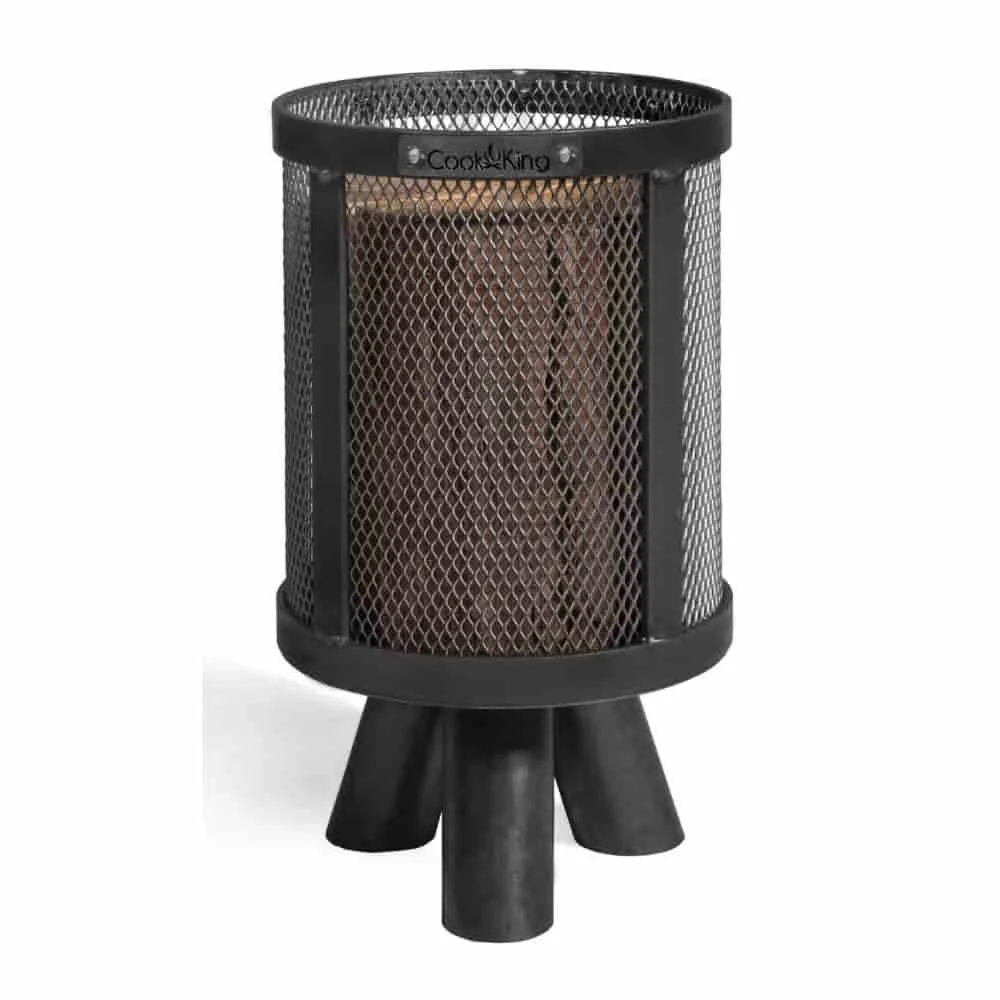
Conclusion: A project with lasting value
A homemade sundial is a project with soul. You invest time and creativity, and the result will be with you for years.
It is unique garden decor with a practical purpose. It tells a story and reflects your connection with the garden and the natural passage of time. Start planning today.
For more projects around the home and garden, find inspiration and equipment in our extensive range.
Frequently Asked Questions
- How does a sundial actually work?
- A sundial tells the time using the shadow cast by a rod (gnomon). The sun appears to move across the sky, and the shadow moves accordingly across a scale. The scale is calculated for the exact location. Aligning it with true north is essential.
- What material is best for a DIY sundial?
- Durable, weather-resistant materials are ideal. Garden limestone or sandstone are easy to work with. Hardwood such as oak or black locust requires good weather protection. Sheet metal or a concrete slab are also long-lasting options for your garden decor.
- Can I place my sundial in the shade?
- No. A sundial needs direct, unobstructed sunlight throughout the day. Choose a spot that gets sunlight from morning until evening. Trees, buildings or tall hedges must not cast a shadow on the dial.
- Why doesn't my homemade sundial show the exact time?
- Sundials show apparent solar time, which differs from our standard time. This is due to the equation of time and the longitude of your location. Precise alignment with true north and a correctly calculated scale minimize the difference.
- How do I protect my wooden sundial from the weather?
- Stains or special garden wood oils protect the wood from within. Regular reapplication is necessary. For winter or long periods of rain, a cover for garden furniture is recommended to extend its lifespan.
You may also be interested in
- Make creative garden decor: After-work projects for your outdoor space
- Build your own lighthouse: Impressive garden decor for your home
- Build your own birdbath: DIY guide for your garden
- Build your own privacy screen: Creative ideas for your garden
- DIY: Make natural Christmas decorations from garden materials
- Build your own lanterns: Creative ideas for your home and garden