
In brief: Turn your garden into a personal nature retreat by making it a welcoming space for wildlife. Watch birds at a homemade birdbath, plant nectar-rich perennials for butterflies or create a corner for wild herbs. Small changes like these bring nature closer. The right garden tools and a little patience can make your garden a relaxing part of everyday life.
How to Make Your Garden a Nature Retreat
Your garden is more than a lawn and flower bed. It is a little world that you can turn into a vibrant nature retreat. You do not need an expensive makeover—just a fresh perspective. Observing, supporting and getting involved are the keys.
Discover how your garden can offer relaxation, new things to explore and a genuine connection with nature. Here are some ideas to get you started.
Why make your garden a personal nature retreat?
When we need to unwind, we often think about going somewhere far from home. But an adventure can begin right outside your patio door. A wildlife-friendly garden offers easy, everyday ways to enjoy nature.
You save time and money on long trips while creating lasting experiences right on your doorstep. Your garden becomes an extension of your home under the open sky.
Children can learn about how nature works through play. They can follow a plant's life cycle or watch a bumblebee at work. These activities create lasting memories and help children understand the environment from an early age.
Top tip
Start a nature journal. For one week, note which animals you see in the garden and when. Your list will show you which habitats are already there and what might be missing. You can then make targeted changes that have a real impact.
How can I make my garden insect-friendly?
Insects are the unsung stars of a thriving garden. They pollinate plants, eat pests and are fascinating to watch. Attract them with the right plants.
Choose native wildflowers and herbs. Their open flowers offer nectar and pollen that are easy to reach. Lavender, catmint, meadow sage and wild marjoram are magnets for bees and butterflies.
Avoid chemical insecticides and herbicides. They can harm the entire food web in your garden. If you want to keep mosquitoes away from seating areas, there are alternative options.
An electronic UV insect trap like the
works quietly without chemicals. It attracts flying insects with UV light and catches them safely, so you can enjoy undisturbed summer evenings on the patio.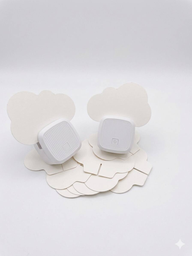
A garden full of insects is a healthy garden. Every buzzing flower is a sign of a thriving ecosystem right outside your door.
Creating habitats: More than just flowers
Plants are the foundation of a wildlife-friendly garden. Other features offer places to shelter over winter and nest. Leave leaves and cut stems in a corner of the garden through winter.
A simple pile of dead wood and stones becomes a home for beetles, spiders and lizards. A small patch of sand in a sunny spot attracts solitary wild bees, which dig their nesting tunnels there.
Do not forget water. A shallow bowl or old plant saucer filled with water and a few stones for landing gives insects an essential place to drink.
Which outdoor activities bring you closer to nature?
Spending time in nature helps you feel more connected to it. Build simple activities into your garden routine to sharpen your senses and deepen your connection with your outdoor space.
Start with a garden safari. Head out on an expedition with a magnifying glass. Look at the undersides of leaves, the textures of bark or the soil. You may be amazed by the world you discover.
Important note
Respect the animals in your garden. Watch them without disturbing them, and do not capture or move them. A wildlife-friendly garden is a sanctuary, so act with care.
Get creative with natural materials
Collect colourful autumn leaves and press them. Make mobiles with children using seed heads and feathers. Build a simple bird feeder from a coconut shell.
These activities combine hands-on skills with an eye for nature's treasures. The right tool makes the work easier. A versatile pair of scissors like the
cuts branches cleanly, secures climbing supports and even opens packaging.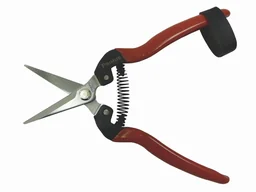
Browse our range of garden tools to find sturdy helpers for all your projects.
How can you turn your garden into a private retreat?
A private retreat needs a sense of privacy and seclusion. You can create one without relying only on tall fences. Natural screening looks more harmonious and adds to the feeling of being close to nature.
Plant native hedges such as hornbeam, field maple or hawthorn. They provide nesting sites and berries for birds. For a quick evergreen option, high-quality artificial hedges are also suitable.
An

True relaxation in the garden begins when doing gives way to simply being. Sit, listen to the birds and feel the wind in the leaves—that is one of the best ways to experience nature.
Create dedicated quiet zones
Set aside a permanent seating area with comfortable furniture. Position it to overlook a particularly beautiful planting area or water feature. A small table for a cup of tea or a book completes the space.
Remember to protect your furniture from the weather. A suitable garden furniture cover helps it last longer and saves you work. Your private retreat will always be ready to enjoy.
Additional tip
Add a water feature. It does not have to be a large pond. A sunken tub, bubbling fountain stone or even a simple birdbath will do. The sound of running water masks unwanted noise and creates a relaxing atmosphere.
How do I care for a wildlife-friendly garden?
Caring for a wildlife-friendly garden isn’t about making everything look perfectly neat. The goal is to protect habitats and keep plants healthy, which means doing less but being more purposeful.
Mow your lawn less often and avoid cutting it too short. Leave patches of wildflowers uncut. Scarify only if there’s a thick layer of thatch. To improve the soil, you can occasionally apply natural lawn lime.
Cut back perennials and shrubs in late winter. Dead plant material gives insects a place to overwinter and provides birds with food during the colder months.
The right tools for wildlife-friendly garden care
Invest in durable, high-quality tools. A sharp, ergonomic pair of pruning shears, a sturdy rake and a well-balanced digging fork are essential.
With the right tools, gardening becomes a rewarding activity rather than a chore. Browse our garden tools and equipment for inspiration.
Water wisely. Collect rainwater in a barrel. Water less often, but deeply, in the morning. A drip irrigation system saves water and delivers it straight to the roots. Find practical solutions in our garden irrigation section.
Explore nature in your local area
Your garden is just the starting point. From here, you can connect with nature beyond your backyard. Explore the local landscape with your family.
Plan regular walks at different times of day and in different seasons. What’s blooming along the country lane in April? Which birds are stopping in the harvested field in September? These observations help you become more aware of nature’s rhythms.
Take a small backpack on longer outings. Pack a sitting mat, binoculars, a plant identification app on your phone and a water bottle. You’ll become an explorer in your own backyard.
Spending time in nature, in and around your garden, enriches everyday life. It creates peaceful spaces, supports your well-being and connects you with the changing seasons. Start creating your own private retreat today.
Frequently Asked Questions
- How can I make my garden friendly to insects?
- Plant native, single-flowered plants such as lavender, yarrow or common mallow. They provide nectar and pollen. Leave piles of leaves and deadwood in place to give insects somewhere to overwinter. Avoid chemical pesticides. A shallow dish with stones and water gives insects a place to drink.
- What are some easy outdoor activities for kids in the garden?
- Set up a mud kitchen with sand and water. Build an insect hotel from wood, reeds and clay. Create a small raised bed and plant radishes and herbs together. A nighttime flashlight walk through your own garden can become an adventure.
- Do I need a lot of space for a wildlife-friendly garden?
- No. A window box of wildflowers, a pot of herbs on a windowsill or a climbing plant against your house can all provide valuable habitat. Your choice of plants and avoiding pesticides matter more than the size of your space.
- How can I make my garden a relaxing place?
- Create a seating area with a view of flowering perennials or a water basin. Plants such as bamboo or tall grasses provide natural privacy. Regular, light trimming with reliable shears, such as PRODUCT_121467, keeps things tidy while preserving your garden’s natural character.
- How can I keep mosquitoes away without harming wildlife?
- Get rid of standing water, such as water in full watering cans. Plant natural mosquito-repellent plants such as tomatoes, lavender or lemon balm. For targeted protection in seating areas, physical traps such as PRODUCT_145265 can reduce insect numbers without chemicals.
You may also be interested in
- Discover plant diversity in the garden
- Gardening with kids: fun and learning in the family garden
- Garden tour: inspiration and ideas for your dream garden
- Outdoor living: use your garden as an extended living room
- Garden projects for beginners: from plan to green oasis
- Creating cozy spots in the garden: make a peaceful retreat