
In brief: Mulching on a balcony means covering the surface of the potting mix with organic or mineral material. This layer suppresses weeds, helps the mix retain moisture and protects roots from extreme temperatures. It reduces watering, improves soil structure and provides a habitat for beneficial insects and organisms. Bark mulch, gravel, expanded clay pebbles or shredded garden waste are suitable for balconies.
Mulching a Balcony: Benefits for Plants and Soil
A layer of mulch can transform your balcony garden. It protects the potting mix in containers and helps your plants stay healthy and vigorous. The effort is minimal, but the benefits are significant.
You’ll water less, suppress weeds and create a more stable microclimate. Mulching works on any balcony, regardless of its size or orientation.
Why is mulching on a balcony worthwhile?
Balcony plants have limited room for their roots. Potting mix in containers and window boxes is exposed to the elements more quickly than garden soil. Sun and wind dry it out, while rain can compact it.
Mulch acts as a protective shield. Its benefits are practical and easy to notice.
Water less and save time
A mulch layer slows water evaporation from the soil. Moisture stays available to your plants’ roots for longer.
On hot summer days, that can mean watering once instead of twice a day. You save time and water.
Keep weeds at bay
Weed seeds germinate when they have light and room on the soil surface. A dense mulch layer takes away those conditions.
Any seedlings that do appear are also much easier to pull from loose mulch than from compacted potting mix.
Expert tip
Apply mulch to moist soil to help lock in moisture. Dry soil under mulch often stays dry because water may not penetrate it as effectively.
Protect soil life and roots
Organic mulch provides food and shelter for earthworms and beneficial microorganisms. These organisms enrich your potting mix.
The layer buffers temperature extremes. In summer, the root zone stays cooler; in winter, it freezes less quickly. This means less stress for your plants.
How do I mulch my balcony correctly? A 4-step guide
The process is simple. Proper preparation and the right material make all the difference.
1. Prepare and water the soil
Gently loosen the surface of the existing potting mix. Thoroughly remove old weeds and leftover roots.
Water your plants thoroughly before applying mulch. Moist soil is the best starting point.
2. Apply the right mulch layer
Spread your chosen mulch evenly between the plants. Make sure the layer is the right depth.
For fine materials such as grass clippings or cocoa shells, 2-3 cm is enough. Coarse bark mulch or wood chips can be 5-7 cm deep.
Important note
Keep mulch away from your plants’ trunks and stems. Leave a small, clear ring around each base. Direct contact encourages rot and gives slugs a place to hide.
3. Maintain and refresh the mulch layer
Organic mulch breaks down over time. It settles and adds nutrients to the soil.
After one or two years, lightly work the old layer into the soil or remove it and add fresh mulch. This keeps its protective effect intact.
4. Mulch in winter too
A layer of mulch applied in fall protects the roots of perennial balcony plants from frost. Use insulating materials such as leaves, straw or fir branches.
Remove the winter protection in spring before new growth begins.
Which mulch materials are suitable for a balcony?
You have plenty of options. Choose based on appearance, availability and your plants’ needs.
Organic materials: They nourish the soil
These materials break down and enrich the potting mix with humus. They’re suitable for most flowers, perennials and vegetables.
- Bark mulch or bark humus: A classic, long-lasting option that suppresses weeds effectively. Ideal for ornamental plantings.
- Shredded garden waste: Free material from the garden. Let it dry slightly before applying.
- Cocoa shells: Pleasant-smelling, dark-colored and loose in texture. Lightweight and suitable for window boxes.
- Grass clippings: Use only a very thin, partly dried layer; otherwise, it may rot.
For additional nutrients, you can also use a special plant fertilizer, mixing it into the mulch.
“Organic mulch is like slow-release fertilizer. The microorganisms that break it down make nutrients available to plants while also steadily improving the soil structure.”
Mineral materials: Long-lasting and decorative
These types of mulch don’t break down. They’re ideal for rock garden plants, Mediterranean herbs or succulents that prefer dry roots.
- Gravel or grit: Very long-lasting, with good drainage and heat retention. Available in different colors and sizes.
- Expanded clay pebbles: Lightweight, able to hold some water and allow air to circulate. Often used in hydroponics, they also work well as a top layer.
- Decorative stone chippings: Colorful stones used for decoration. They offer limited insulation.
Special materials for specific purposes
Straw is suitable for vegetables and strawberries. It keeps the fruit clean and dry. Sheep’s wool holds water well and releases nitrogen.
Coconut mats or discs work as a base for potted plants, but retain very little moisture.
Additional advice
Mix different mulch materials. For example, combine fine compost with coarse bark. This pairs a quick nutrient boost with lasting structure and weed protection.
Which mistakes should you avoid when mulching a balcony?
Small oversights can undo the benefits.
Layers that are too thick or too thin
A layer of wet material that’s too thick can suffocate the soil. Air and water may no longer pass through. A layer that’s too thin won’t protect against evaporation or weeds.
Follow the recommended depth for your material.
Mulching dry soil
This is the most common mistake. Always water thoroughly before mulching. Mulch on dry soil can act like a roof and keep later watering from reaching the soil.
Choosing the wrong material for the plant
Fresh bark temporarily ties up nitrogen in the soil as it breaks down. This can cause nutrient deficiencies in heavy feeders such as tomatoes. Use well-aged bark humus or composted materials instead.
For plants that prefer alkaline soil, such as lavender, mineral mulch is a better choice than acidic bark mulch.
“The most common disappointment is finding weeds despite a layer of mulch. This is almost always caused by weed seeds in the soil or a layer that’s too thin to block the light. High-quality materials and the right layer depth are key.”
Essential tools for mulching balcony plants
The right products can make mulching easier and help your mulch layer work more effectively.
The
(weed barrier fabric) makes an ideal base. Lay it over the potting soil, then cover it with decorative mulch. It helps suppress weeds while allowing water and air to pass through, giving your plants an extra layer of protection.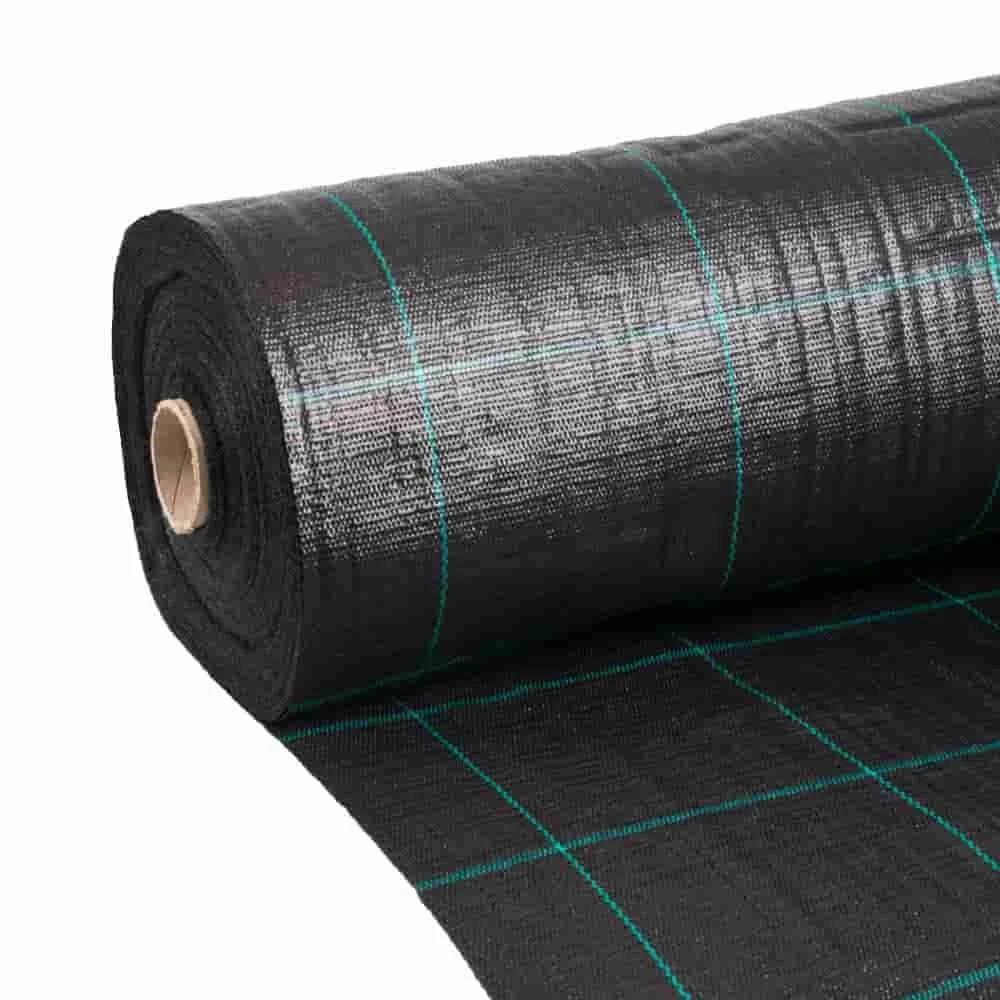
On exposed balconies, or when using a thick mulch layer in planters,
(ground anchors) can help hold lightweight fabric or sheeting in place around the edges before you add mulch.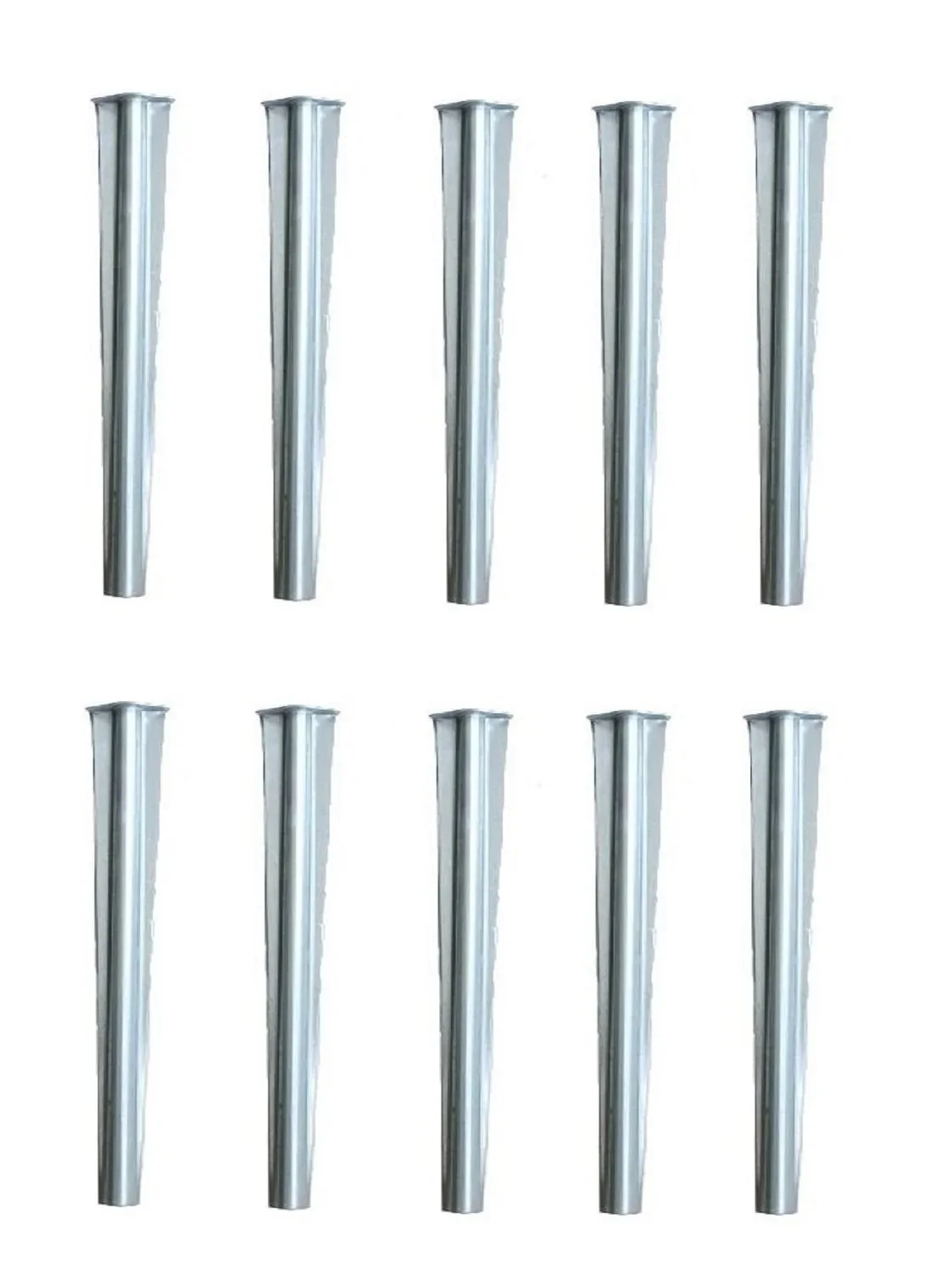
The right planters provide a solid foundation. Deep
(balcony planters) give roots more room and provide enough soil to benefit from mulch. In shallow containers, the soil can dry out faster even with a mulch layer.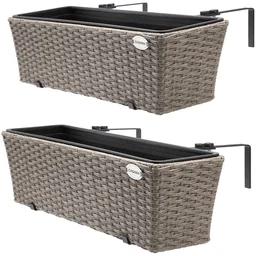
Mulching specific balcony plants
Different plants have different needs, so adjust your mulching approach accordingly.
Balcony vegetables and herbs
Tomatoes, cucumbers, and peppers are heavy feeders. Mulch them with partially decomposed compost or grass clippings, and add a nitrogen-rich fertilizer such as horn shavings. Straw under strawberries and zucchini helps keep the fruit clean.
Mediterranean herbs such as rosemary and thyme prefer mineral mulch, such as gravel. It reflects heat and can help bring out their flavor.
Flowering plants and perennials
Here, appearance is often a priority. Choose bark mulch or decorative gravel in colors that complement your plants. Make sure the mulch does not change the soil pH in a way that harms them.
Conifer bark mulch is ideal for rhododendrons and hydrangeas, which prefer acidic soil.
Container trees and shrubs
Winter protection is essential for perennial woody plants in pots. Cover the soil with a thick layer of leaves, straw, or fir branches. Wrap the container in bubble wrap or burlap, too.
In summer, a mulch layer protects shallow feeder roots from overheating.
With these tips, you can turn your balcony into a healthy, easy-care garden. Spring or the period just after repotting is a good time to start. Your plants and potting soil will benefit.
Frequently asked questions
- What are the benefits of mulching plants on a balcony?
- On a balcony, mulch protects the limited potting soil in containers. It reduces evaporation, so you do not need to water as often. Mulch also suppresses emerging weeds and insulates roots from summer heat and winter cold. As organic mulch breaks down, it adds nutrients to the potting mix.
- Can I use grass clippings as mulch on my balcony?
- Yes, but use them carefully. Spread fresh grass clippings in a very thin layer and let them partially dry first; a thick layer can rot and develop mold. Ideally, mix the clippings with a coarser material such as shredded branches. This helps keep the layer loose and allows air to reach the potting soil.
- How thick should mulch be around balcony plants?
- The ideal depth depends on the material. A 2-3 centimetre layer is enough for fine materials such as cocoa shells or grass clippings. Coarse bark mulch or wood chips can be spread 5-7 centimetres deep. Leave a small ring of bare soil around plant stems to help prevent waterlogging and rot.
- Should I fertilize balcony planters differently when they are mulched?
- Organic mulch materials such as bark compost or horn shavings break down slowly and release nutrients. Keep this mild fertilizing effect in mind when planning your feeding schedule. Mineral mulch, such as gravel, does not provide this benefit. Check your plants regularly for signs of nutrient needs by monitoring their growth and leaf color.
- Can I use weed barrier fabric under mulch on a balcony?
- Weed barrier fabric is an underlay, not a replacement for mulch. Lay it beneath the mulch layer. It helps suppress weeds while allowing water and air to pass through. Top it with decorative mulch such as bark or gravel for an effective, low-maintenance solution for your balcony garden.