
In brief: Organize your toolbox by frequency of use, size and application. Keep frequently used tools such as screwdrivers and pliers in the top layer. Use inserts, dividers and foam cut-outs to give every tool a secure place. Store power tools, hand tools and consumables separately. A well-planned system saves time and protects your tools.
How to Organize Your Toolbox: Top Tips for a Tidy Workspace
A messy toolbox costs you time and patience. You search, rummage around and still cannot find what you need. It does not have to be that way. With a clear system for your tool storage, you can find every tool quickly and get on with the job. You will work faster, more safely and with greater enjoyment.
Getting organized starts with choosing the right toolbox and ends with a smart sorting system. Here is how to pack your toolbox systematically and keep it tidy over the long term.
How do I choose the right toolbox?
Not every toolbox suits every set of tools. Your choice depends on how many tools you have, what they are and where you use them. An electrician needs different compartments from a hobby woodworker.
Sturdy system cases with fixed inserts are ideal for neatly organized tool sets. They give every item its own protected place. Cases with removable dividers are better for flexible work with changing contents.
Robust aluminium tool cases such as the
provide plenty of room for large tool collections. They are particularly durable and protect their contents reliably. Look for sturdy hinges and a secure locking system.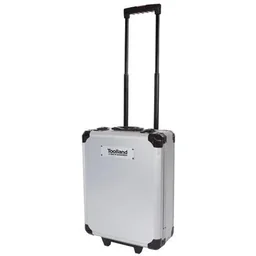
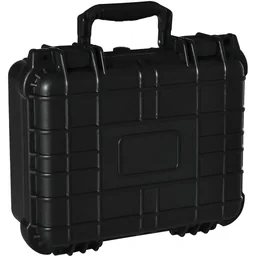
For carrying delicate electronic tools or working in wet areas, waterproof models are the best choice. The 2-piece set
Pro tip
Do not buy a toolbox that is too small. Allow around 20 percent more capacity than your current tool collection needs. That leaves room for new accessories and saves you from having to reorganize everything again soon.
Comparing toolbox materials: plastic, aluminium or steel?
ABS plastic cases are lightweight, corrosion-resistant and often inexpensive. They are a good choice for occasional DIY use. High-quality models such as the
are impact-resistant and offer good protection.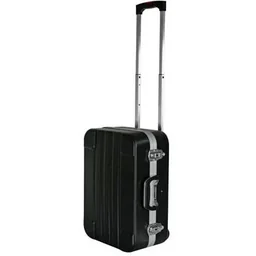
Aluminium cases are much more robust and protect expensive tools to a professional standard. However, they are heavier and often more expensive. Steel cases offer maximum security but are very heavy and less practical if you need to carry them around.
How do I pack my toolbox systematically?
A well-thought-out packing plan is the key to lasting order. First, lay out all your tools and sort them. Get rid of broken or duplicate items.
Group tools by type and how often you use them. Keep frequently used, versatile tools such as combination pliers, water pump pliers and screwdrivers in the top layer or somewhere easy to reach.
Pack heavy tools such as hammers or pipe wrenches at the bottom of the case. This gives it a stable centre of gravity and helps prevent it from tipping over. Store power tools and their batteries separately from the rest of the contents.
Order in your toolbox is not an end in itself; it is a matter of efficiency. Every minute you save by not searching can go towards the work itself.
The zone method for a clear layout
Divide your toolbox into dedicated zones. Set aside one for screwdriving tools, one for pliers, one for measuring tools and one for consumables such as screws and wall plugs.
Use small, transparent boxes or resealable bags for small parts. Label them clearly. In the tool accessories category, you will find suitable storage solutions.
Use magnetic holders or organized retention plates for screwdriver bits and socket sets. This makes it easy to see at a glance which size is missing. Transparent lids or folding compartments in the toolbox lid are ideal for these small parts.
Important note
Always store sharp or pointed tools such as utility knives, saws or chisels securely. Use sheaths or sturdy holders. Loose sharp edges can damage other tools and cause injuries when you open the case.
Which accessories improve tool storage?
The right accessories transform a simple case into a highly functional organization system. Foam inserts with custom cutouts give every tool a fixed, protected place. They prevent tools from shifting and knocking against each other during transport.
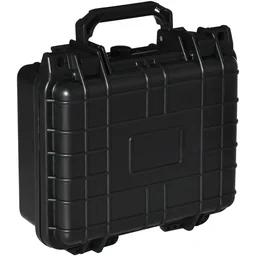
Suitable foam inserts are available for many standard cases. For a custom fit, cut the foam yourself with a utility knife. The 2-piece set
Dividers and removable organizers create flexible sections for different tool combinations. They’re ideal if you regularly adjust the contents of your case for different projects.
Magnetic strips and tool holders
Small magnetic strips attached to the case lid securely hold bits, small wrenches or nails. This keeps small parts within easy reach without letting them get lost in the main compartment.
Plastic tool holders with clips let you store tools such as pliers and screwdrivers upright while saving space. Simply pull a tool out of its holder and put it back after use.
Additional advice
Take a photo of your perfectly packed case and save it on your smartphone. This makes it easy to restore the setup after each use. It’s especially helpful when several people use the same case.
How do I organize specialty tools and power tools?
For specialized jobs, it’s worth investing in dedicated cases. A separate case for power tools can hold cordless drills, jigsaws and accessories such as saw blades and bits. Store the batteries separately from the tools.
For plumbing or electrical work, put together a small, compact case with specialty tools such as pipe wrenches, wire strippers and voltage testers. This gives you everything you need for repairs in one compact package.
Large or unwieldy garden tools such as loppers or scythes are better stored in a tool shed or on the wall. For jobs on the go, sturdy tool bags or workshop carts are good options.
Separating general-purpose and specialty tools is a game changer. My basic case weighs only half as much, and I’m no longer constantly carrying tools I don’t need for the job at hand.
How do I keep my toolbox organized long term?
The organization you create needs to be maintained. Follow this simple rule: put every tool back in its designated place immediately after use. Stick to the routine, even if it’s “just for today.”
Check your case regularly, for example every three months. Make sure all tools are clean, working properly and in their proper places. Remove items you no longer need and replace any missing standard sizes.
Regularly clean dust, shavings and dirt from the inside of the case. Clean tools are more comfortable to use and less likely to corrode. If your case has a seal, check its condition regularly.
Labels and inventory lists
Label the compartments or foam cutouts in larger systems. Use a waterproof marker or small adhesive labels. This makes it easier to put tools away and shows other users how the system works.
For valuable or extensive tool collections, keep a simple inventory list. Record the most important tools and their purchase dates. This can help with theft or insurance claims and shows which tools need replacing.
Workshop organization: From toolbox to complete setup
An organized toolbox is just one part of an efficient workshop organization system. Make your cases part of a larger setup that includes shelving, workbenches and wall mounts.
Stackable system cases save space. Clearly label the front edges so you can quickly find the case you need. For moving cases around the workshop or jobsite, workshop carts with pull-out case shelves are ideal.
Give each case a designated place in your workshop. This keeps cases from being left wherever there’s room and helps you always know where your tools are. An empty spot makes it clear when a case is in use.
With these methods, you can turn chaos into a functional system. You’ll start every project confident that the right tool is close at hand. This saves time, reduces frustration and makes DIY what it should be: a satisfying and successful activity.
Frequently Asked Questions
- How should I pack a toolbox?
- Start by placing the heavy, larger tools at the bottom of the case. Frequently used standard tools, such as combination pliers and screwdrivers, should be within easy reach. Use dividers or fitted inserts to sort small items such as bits and wall anchors. Giving every tool a designated place prevents clutter.
- Which accessories help organize a toolbox?
- Foam inserts with cutouts give every tool its own place. Clear pouches or small plastic boxes keep screws and wall anchors organized. Dividers split up large compartments. Magnetic strips in the lid hold metal parts. Find suitable products in our tool accessories category.
- Should I use separate tool cases for different jobs?
- Yes, this improves efficiency. Put together a basic toolbox with all-purpose tools. Specialty cases for electrical work, woodworking or gardening save you from searching for the right tools. This way, you only take the case you need and keep everything organized.
- How do I organize sockets and attachments in a system case?
- Use a dedicated storage system for sockets. Ratchet rails or rotating holders make it easy to access every socket. Label the compartments with the sizes. Keep frequently used socket combinations together. Discover practical solutions in the sockets and tool attachments category.
- What are the advantages of system tool cases over simple boxes?
- System tool cases keep tools organized with fitted inserts and dividers. They better protect delicate tools from damage caused by knocking against one another. The clear layout speeds up your work and makes it easy to see when parts are missing. They’re also often more durable and stackable.
You may also be interested in
- Smart Tool Storage: Practical Tips for a More Organized Workshop
- Toolboxes for the Home: How to Choose the Right One
- Toolbox Review & Comparison 2026: The Best Models Put to the Test
- How to Use a Paint Roller: Top Tips for DIYers
- How to Choose a Tool Belt: The Ultimate Guide for Professionals
- Make an Upcycled Lamp from a Toolbox