
In brief: Start a new lawn by preparing the soil thoroughly. First, remove all perennial weeds and stones. Then level the area with a lawn roller or a long board. Loosen the soil and improve it with sand or compost if needed. Spread the right grass seed evenly, lightly roll it in and keep the area consistently moist for the next few weeks.
How do I start a new lawn?
A thick, healthy lawn starts long before you plant grass seed. Careful soil preparation can make all the difference, so take your time with this step.
Start by assessing the site and testing the soil. Is it sandy, loamy or clay-based? A simple finger test can help. Sandy soil slips through your fingers, while loamy soil holds its shape.
Mark out the future lawn with stakes and string. This gives you a clear outline and makes leveling easier later. Plan for a slight slope of about two percent so rainwater can drain away.
The effort you put into preparing the soil will reward you for years with a healthy, resilient lawn.
Remove old grass and perennial weeds
Remove the entire layer of old grass. Use a sod cutter or a sharp spade. It is strenuous work, but necessary.
Remove perennial weeds such as ground elder, couch grass and field bindweed completely, including their roots. Every root fragment left behind can sprout again. Otherwise, you may be dealing with these weeds in your new lawn for years.
Work thoroughly now to save yourself a lot of effort later when controlling weeds in your lawn.
Important note
Avoid using nonselective herbicides to clear the soil. They can damage soil life for months. For a home garden, mechanical removal is the cleanest and quickest method.
How do I level and grade the ground?
A level surface is the foundation for an even-looking lawn and safe mowing. Uneven ground makes it difficult to maintain a consistent cutting height.
After digging and loosening the soil, start with rough grading. Break up large clods with a wide rake. As you work, remove stones and root fragments.
Next, fine-grade the soil. Professionals use a long, straight piece of lumber or a leveling board. Pull it across the area in a zigzag pattern. Fill low spots with soil and remove excess soil from high spots.
This takes patience. Repeat the process several times, checking the area from different angles and in low-angle light.
Pro tip
Lightly moisten the soil before the final grading. Moist soil is easier to shape and is less likely to settle afterward. Avoid working on wet, muddy soil.
Compact the soil with a roller
After fine grading, lightly compact the top layer. Use a lawn roller filled halfway with water. Roll over the area once lengthwise and once crosswise.
The goal is not to create a hard surface, but a firm, stable base for the seed. The soil should give way by no more than one centimetre when you walk on it.
After rolling, lightly rake the surface once more with a spring-tine rake. This creates a fine, crumbly seedbed that gives grass seed good contact with the soil.
How do I prepare the soil for grass seed?
The ground is level. Now check and improve the soil chemistry. A soil test from a garden center can give you reliable information about pH and nutrient levels.
Most lawn grasses prefer slightly acidic to neutral soil with a pH of 5.5 to 7.0. If the pH is lower, spread lawn lime. If it is too high, organic matter such as compost can help.
Improve heavy clay soil by working in sharp sand. This helps with aeration and drainage. You can find suitable lawn sand here.
Adding sand to loamy soil is not a one-time fix. Make it part of your long-term lawn care routine, for example by regularly top-dressing with sand after scarifying.
Work in starter fertilizer
Before planting grass seed, add nutrients to the soil. A starter lawn fertilizer is a good choice. Its special nutrient blend provides plenty of phosphorus to support root growth.
Spread the fertilizer evenly according to the package directions. Then lightly rake it into the surface, to a depth of about two centimetres. Do not work it in too deeply: the nutrients need to be in the seed's germination zone.
Lightly water the fertilized soil before you start planting. This activates the fertilizer and helps protect the seeds from an excessively high salt concentration later on.
Additional advice
For heavily used areas such as play lawns, choose a special sports and play lawn seed mix from the start. These varieties are more durable and recover faster.
How do I plant grass seed like a pro?
Choose high-quality grass seed. Cheap mixes often contain forage grasses or fast-growing varieties that do not form a thick lawn. Your choice of seed can affect your lawn for the next ten years.
Measure the area accurately. The recommended seeding rate is 20 to 25 grams per square metre. Using less can result in patchy growth, while using more can encourage fungal diseases caused by overcrowding.
Divide the seed into two equal portions. Spread the first portion lengthwise and the second crosswise to distribute the seed evenly. Use a spreader for large, uniform areas.
Rake in and roll the seed
After spreading, do not bury the seeds deep in the soil. Lightly rake them in to a maximum depth of half a centimetre. Alternatively, pull a wide rake flat across the area.
Finally, roll the area once more. The lawn roller presses the seed into contact with the soil, helping it absorb water from the soil and germinate more reliably.
Water the area immediately after planting and rolling. Use a spray nozzle to avoid washing the seeds away. Keep the soil moist all the way down to the seeds.
How do I care for a new lawn during the first few weeks?
The first four weeks are critical. Keep the soil consistently moist, but not waterlogged. On dry days, water lightly in the morning and, if needed, again in the evening.
Avoid heavy watering, which can wash away the fine seeds. A watering timer or drip irrigation system such as the
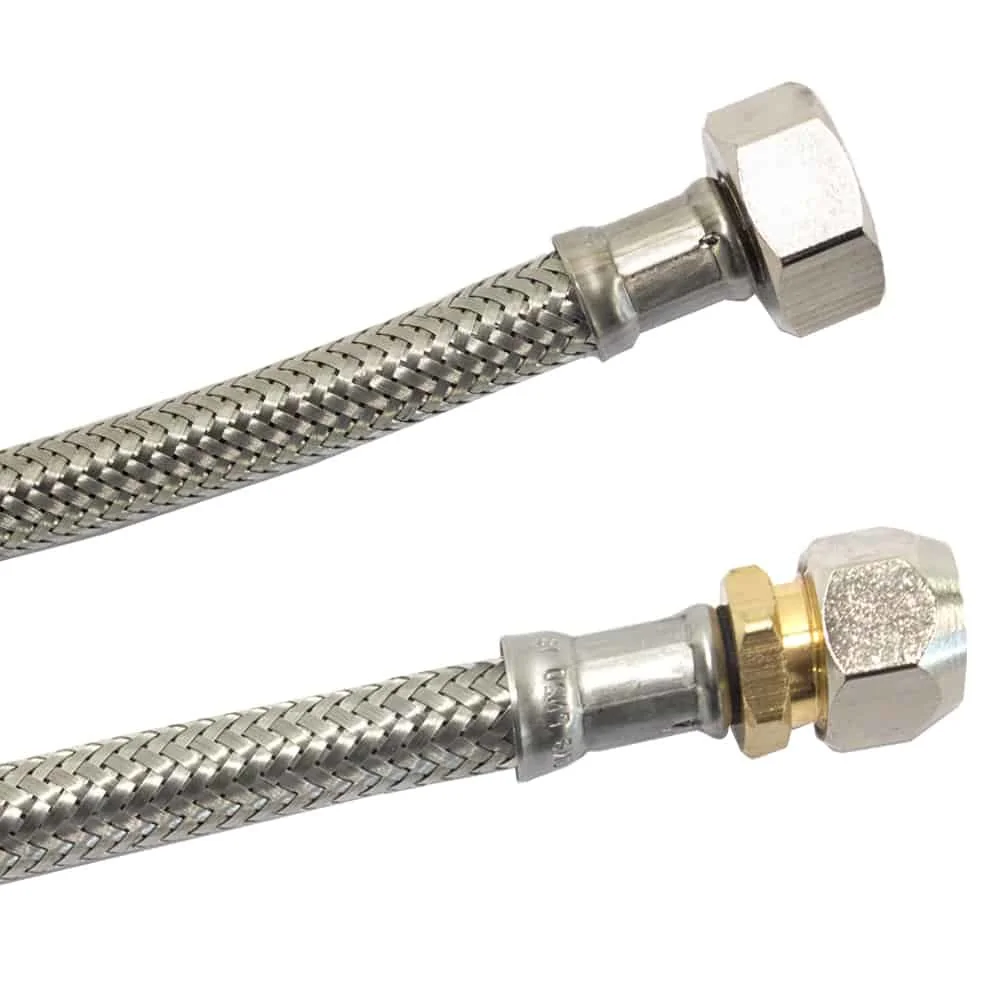
Protect the area from birds. A lightweight cover sheet or bird netting can help during the first few days. The
works well as a temporary cover.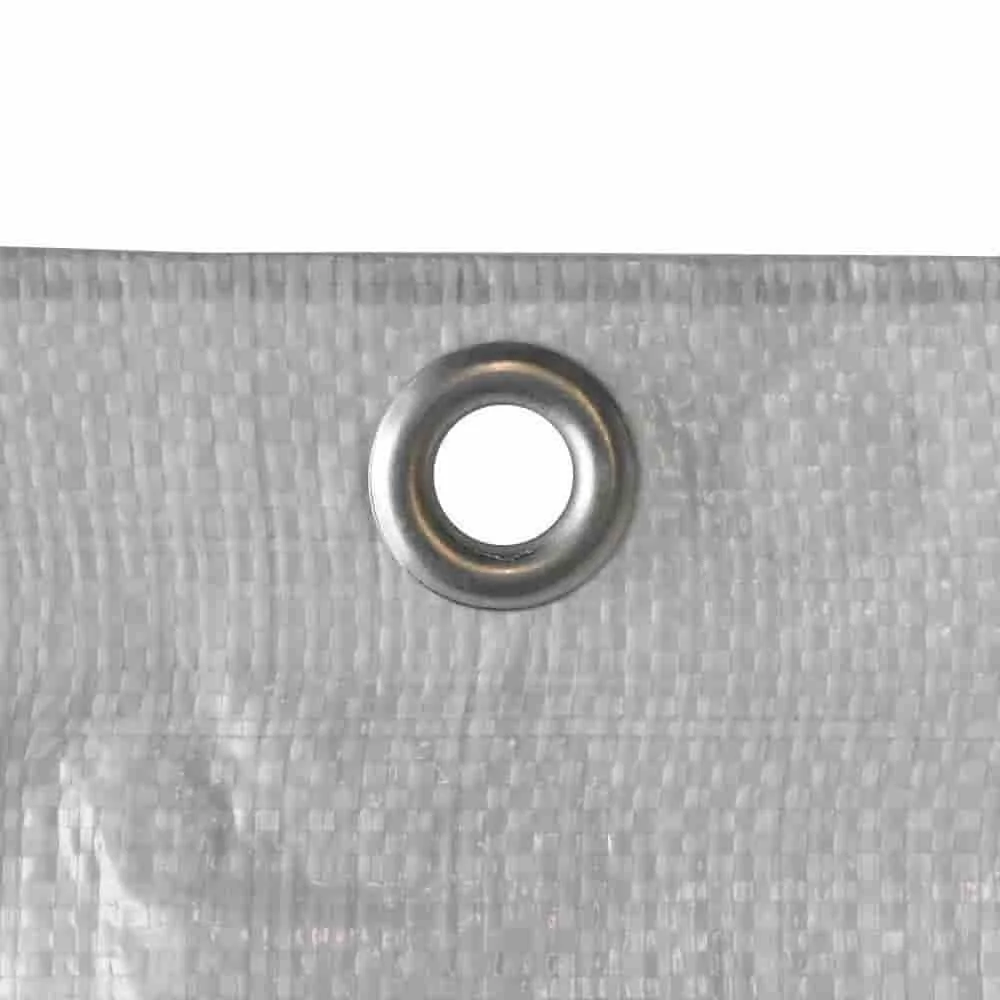
The first mow
Mow for the first time when the grass is about eight centimetres tall. Set the mower to its highest setting and cut the grass to around six centimetres.
The mower blade must be sharp. A dull blade can pull young grass out of the soil. Mow only in dry weather.
After the first mow, start a regular lawn fertilization routine. Use a slow-release lawn fertilizer that feeds the grass evenly over several weeks.
Products such as the
are useful for making quick, secure repairs to your irrigation system without damaging the delicate new lawn.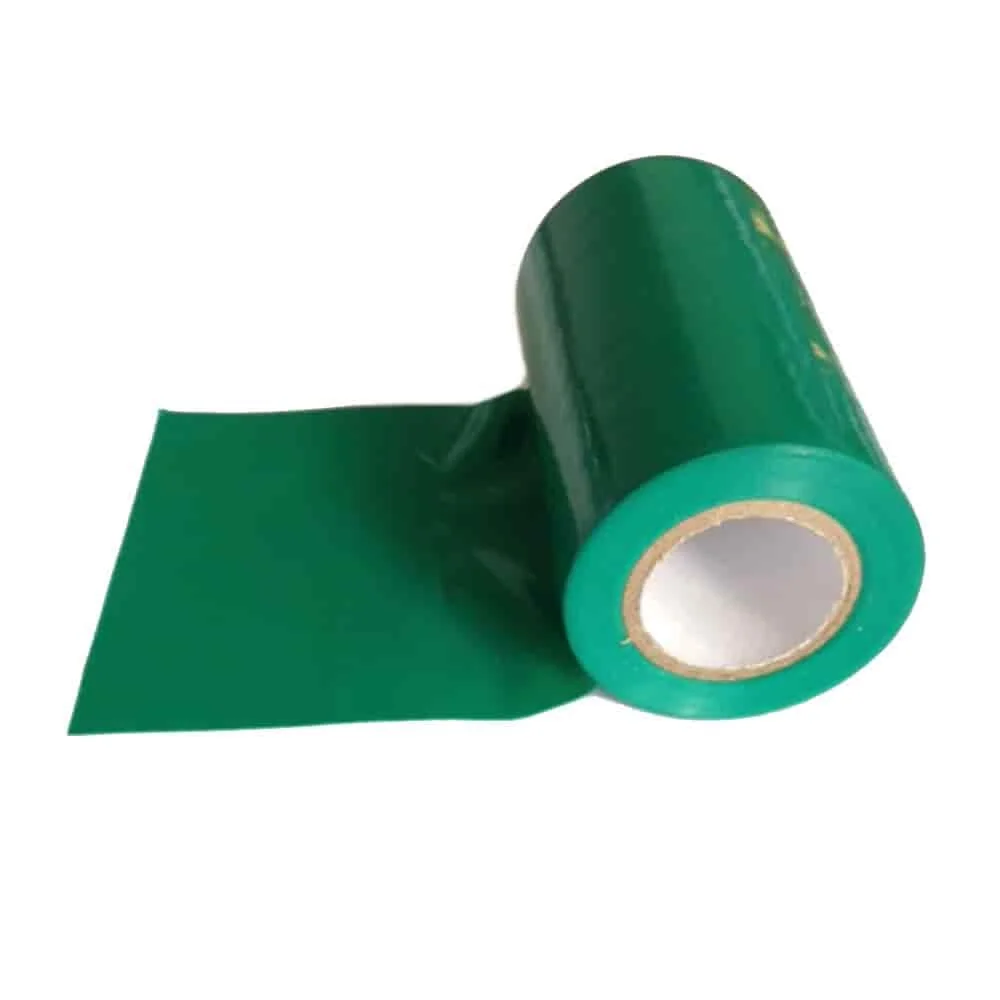
Long-term care for a lush, green lawn
A well-established lawn needs regular care. Fertilize regularly, using a spring lawn fertilizer in spring and a special fall lawn fertilizer in fall.
Scarify once a year to remove thatch and improve airflow. Then apply lawn sand, especially on heavy soils.
For shady or high-traffic areas, choose the right grass seed for overseeding. This helps fill in bare spots quickly.
On paths or paved areas in the lawn, grass pavers prevent sinking and support the grass.
With careful lawn installation and consistent maintenance, you can enjoy a dense, green, healthy lawn for years to come.
Frequently asked questions
- When is the best time to plant a new lawn?
- The best time is spring, between April and May, or early fall, from late August to September. The soil is warm enough for quick germination, and there is usually enough rainfall. Avoid late frosts, summer heat, and drought.
- How deep should I dig when preparing soil for a new lawn?
- Dig the soil to about the depth of a spade, or 20 to 25 centimetres. This loosens the ground, removes deep-rooted weeds, and makes the soil easier to level. Loosen very compacted soil deeply with a digging fork to prevent waterlogging.
- Can I sow grass seed over old, dead grass?
- No. Remove the old lawn completely and sow grass seed only on bare, prepared soil. Old turf or mulch can stop seedlings from emerging, leading to uneven growth and increasing the risk of fungal diseases in the new lawn.
- How long should I stay off newly seeded grass?
- Stay off the area for at least four to six weeks after sowing. Young grass needs time to develop a strong root system. You can use the lawn normally after the third or fourth mow, once it is dense and resilient.
- Do I need a special fertilizer when planting a lawn?
- Yes. Use a starter lawn fertilizer. It contains extra phosphorus to promote strong root growth in young grass. All-purpose garden fertilizer is often unsuitable for this purpose. After around six weeks, you can switch to a regular lawn fertilizer.
You might also be interested in
- How to sow a lawn: Step-by-step guide to a thick, healthy lawn
- Lawn care: How to get a green, thick, healthy lawn
- Lawn sanding: When and how to improve your lawn
- How to lay sod: Costs, preparation, and practical tips
- Too much grass seed? Tips for a perfect lawn
- How to plant a new lawn: Create a green garden