
In brief: You can extend the shelf life of homemade food through proper processing and storage. Cleanliness, choosing the right method such as canning or drying, and using suitable containers are crucial. This keeps produce from your own garden or cooking projects edible for months.
How to Preserve Homemade Food for Longer
You can make jam, dry herbs or pickle vegetables. To ensure your hard work does not go to waste, you need the right method and suitable equipment. We show you how to preserve food and enjoy your supplies for longer.
What methods are available for preserving food?
The right method depends on the food and your preferences. Each technique has its strengths.
Canning and bottling
When canning, you heat filled jars in a water bath or oven. The heat kills microorganisms. As the jars cool, a vacuum forms and seals the lid firmly. This method is suitable for fruit, vegetables, soups and sauces.
Expert tip
Only fill jars up to the marked line. Too much content prevents the vacuum from forming correctly. Leave about two centimetres of air between the contents and the lid.
Drying and dehydrating
You remove water from the food, leaving microbes without a breeding ground. Dry herbs, mushrooms, fruit or meat in the air, in the oven or in a dehydrator. The texture remains largely intact while the flavour becomes more concentrated.
Preserving in oil or vinegar
Acid or oil creates an unfavourable environment for bacteria. Preserve vegetables, herbs or cheese in high-quality oil or vinegar brine. Make sure the food is completely covered.
The shelf life of self-preserved food depends entirely on hygiene during preparation. Every step must be carried out cleanly, from your hands and the vegetables to the knives and containers.
What do you need for proper storage?
Not every container is suitable. The material must be food-safe and appropriate for the method used.
Jars and preserving equipment
Only use special preserving jars with new rubber seals. The jars must be free from cracks. Seal the jars immediately after filling them.
Vacuum sealing for extra freshness
Remove the air from the packaging. This protects against freezer burn and oxidised fats. Use a vacuum sealer with suitable bags. This method is ideal for dry supplies such as nuts or grains. Our
provides the right bags for your vacuum sealer.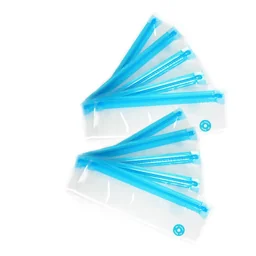
Important note
Do not vacuum-seal fresh fermenting foods such as raw sauerkraut. The pressure created during fermentation can burst the bags. Store these products in fermentation crocks or open containers.
Food-safe hoses and containers
You need special materials for liquid or acidic foods. A standard garden hose is unsuitable. Our
is a food-safe compressed-air hose made from PVC. It is suitable for transferring must or other drinks.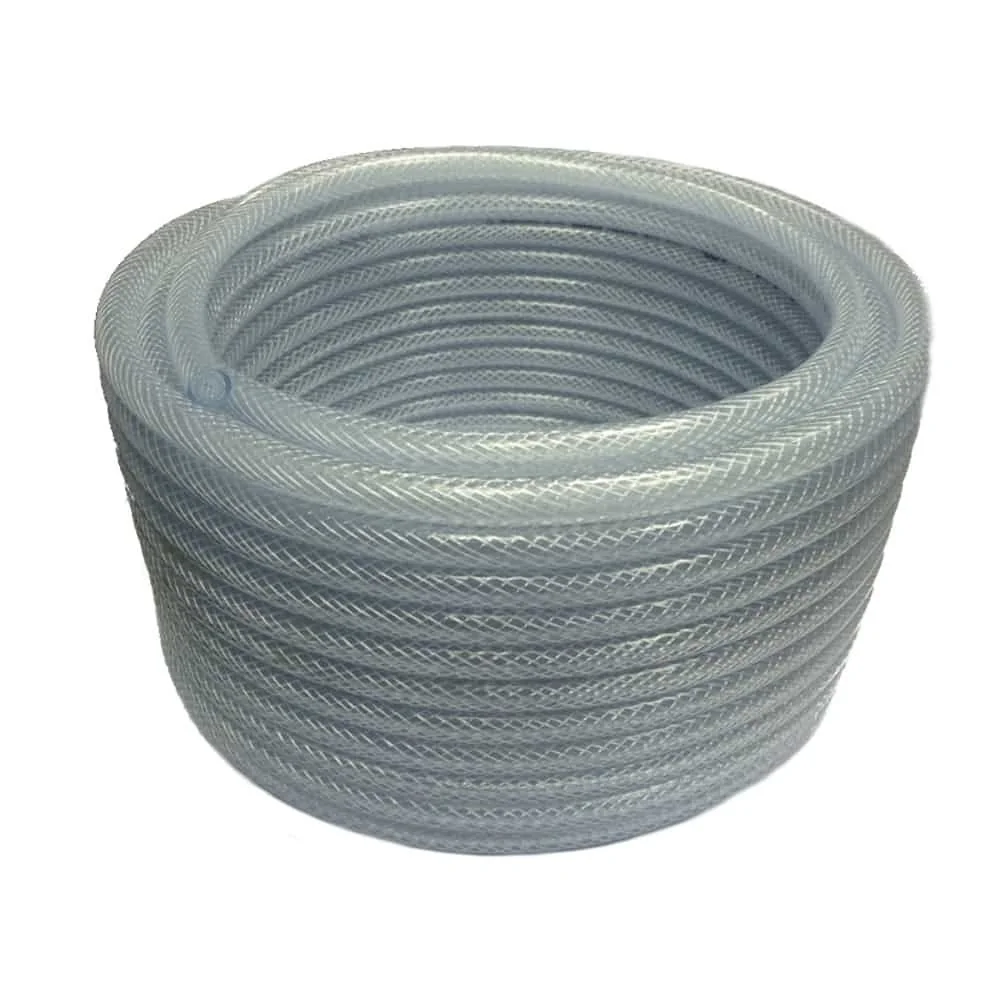
For greasy applications, such as in dispensing systems, use flavour-neutral food-grade grease such as our
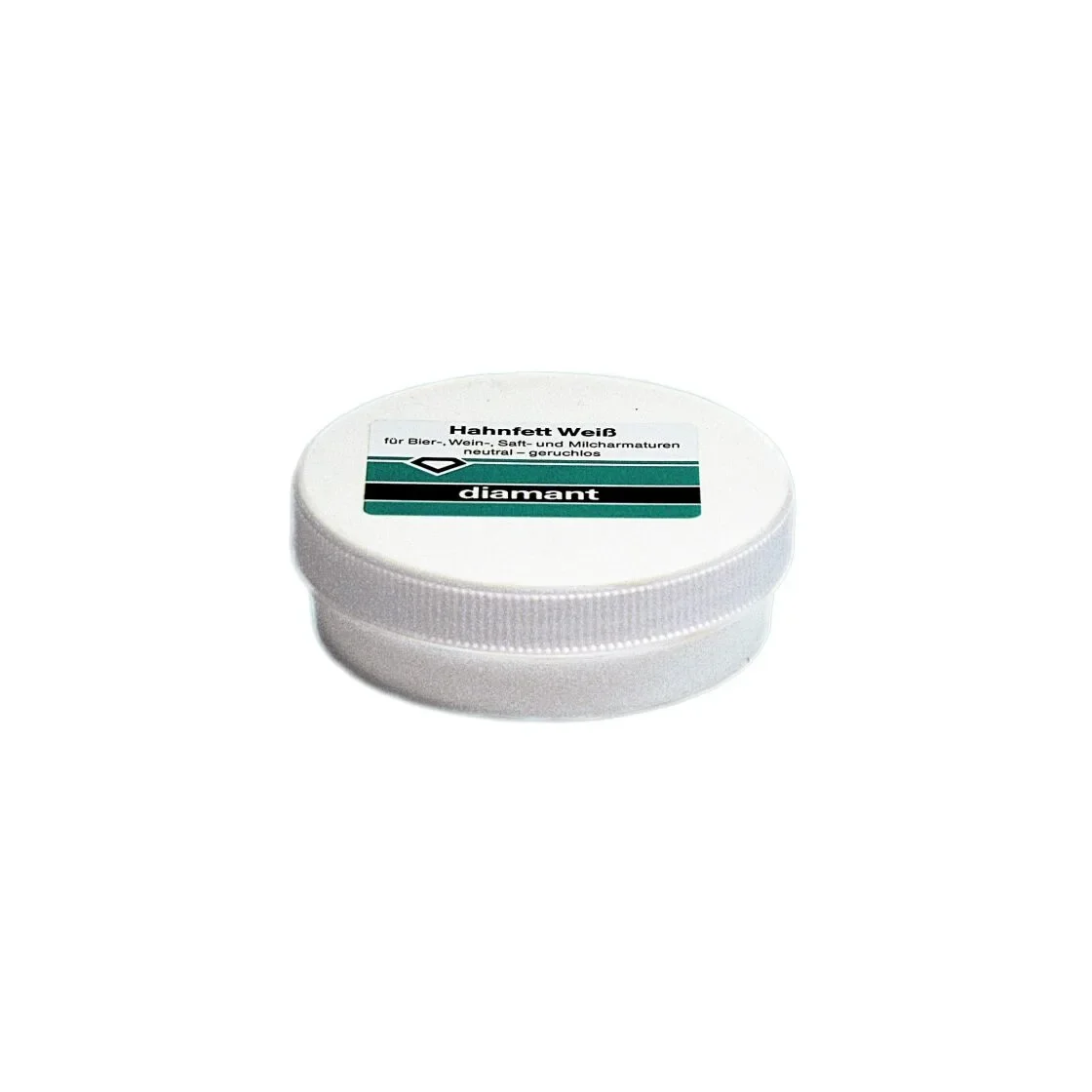
How should you store preserved food?
Proper storage completes your work. It protects the flavour and quality.
The right place: cool, dark and dry
Most supplies do not like heat or light. A cellar or dark pantry is perfect. The temperature should remain constant and below 20 degrees Celsius. Browse our Garden + Outdoor category for practical storage solutions.
Organising systems for a clear overview
Label every jar or bag with its contents and date. This helps you keep track of your supplies and use the oldest ones first. For loose supplies such as potatoes or onions, use ventilated Baskets & Storage.
Additional advice
Check your supplies regularly. Inspect jars for a raised centre on the lid, which is a sign of spoilage. Discard anything that smells strange, shows mould or has become cloudy.
Special considerations for frozen food
Freeze food in portions. Briefly blanch vegetables before freezing them. This stops enzymes that destroy flavour and colour. Use flat, airtight containers or special freezer bags.
The art of preserving food is a return to natural processes. We use heat, dryness or acidity – all principles that also preserve food in nature. This is sustainable and significantly reduces food waste.
How do you process vegetables and fruit from your own garden?
Harvests from the garden or trees need to be processed quickly to preserve their freshness.
Making use of tomatoes, courgettes and more
Cook a bumper tomato harvest into sugo. Slice courgettes and dry or freeze them. Ferment cabbage into sauerkraut. In our BBQ + Smoking category, you will also find smoking accessories, another traditional method of preservation.
Fruit for sweet preserves
Purée berries and freeze them as fruit purée. Cook apples into apple sauce or dry apple rings. Canning is ideal for acidic fruit such as redcurrants.
Saving herbs for winter
Air-dry robust herbs such as rosemary or thyme. Freeze delicate herbs such as basil or parsley, finely chopped with water in ice cube trays. This way, you always have fresh flavour to hand.
What common mistakes should you avoid?
Small oversights can ruin the shelf life of your food.
Poor hygiene
Work on clean surfaces. Sterilize jars and lids by boiling them. Use only flawless, fresh ingredients.
Choosing the wrong materials
Metal containers can react with acids. For pickled vegetables or sauerkraut, use only stoneware, glass or food-grade plastic. For hoses used in beverage production, our is a safe choice.
Insufficient labeling
Without a date, you will no longer know how old the jar on the shelf is after a year. Write directly on the jar with a waterproof marker or use labels.
With these methods and tips, you can preserve your food reliably. You save money, reduce waste and enjoy your garden and kitchen all year round. Browse our shop for more useful accessories for your pantry.
Frequently asked questions
- How long do homemade jams keep?
- Homemade jams and preserves can keep for up to two years when prepared and stored correctly in a cool, dark cellar. The key is ensuring that the sterilized jars are completely sealed. After opening, use the contents within a few weeks.
- Can I freeze any type of vegetable?
- No, not all vegetables are suitable for freezing. Water-rich vegetables such as cucumbers or radishes become mushy. Leafy vegetables such as spinach or cabbage, as well as beans, peas and broccoli, freeze very well after briefly blanching. This helps retain their color and nutrients.
- What does 'food-grade material' mean?
- Food-grade materials do not release harmful substances into food. They are chemically inert and often specifically approved for contact with food, such as certain plastics (e.g. PP, PE), glass or stainless steel. For hoses or containers, use only products labeled as 'food-grade', such as our industrial supplies.
- Why do my dried herbs go moldy so quickly?
- Mold develops because of residual moisture. Always dry herbs and mushrooms completely until they are brittle. Then store them in completely airtight containers, such as screw-top jars with small desiccant packets. Check your supplies regularly for condensation during the first few weeks.
- Do I need special jars for canning?
- Yes, use only preserving or twist-off jars with new rubber seals and undamaged lids. These are designed to withstand heating and the resulting vacuum. Ordinary jam jars without a special seal can burst during canning or may not seal securely.
You might also be interested in
- Canning and preserving: How to make food last longer
- Preserving your harvest: How to stock your pantry
- Canning for beginners: A step-by-step guide
- Making jam: How to easily preserve sweet fruit at home
- Freezing food: How to keep your supplies fresh for longer
- Preventing botulism: Safe canning and preserving