
In brief: To remove acrylic paint, treat fresh stains right away with water and soap. For dried paint, the best method depends on the surface. Rubbing alcohol, oil or specialty cleaners can loosen the paint. Always test the product first in an inconspicuous spot, especially on delicate materials such as fabric or wood.
Acrylic paint is a favorite for crafts and DIY projects. It dries quickly and sticks to almost anything. But those same qualities can become a problem when paint ends up where it does not belong: a splash on the hardwood floor or a blob on your favorite jeans. Don’t worry. With the right approach and tools, you can remove acrylic paint from most surfaces.
This guide covers effective ways to tackle fresh and dried acrylic paint stains. You’ll learn which products work on different materials and how to protect your surfaces.
Table of contents
First things first: Is the acrylic paint fresh or dried?
The first thing to check when tackling a stain is whether the paint is wet or dry. That distinction is crucial and determines how to clean it. While acrylic paint is wet, the plastic particles in it remain suspended in water. This makes the paint water-soluble and relatively easy to remove.
Once the water evaporates, the acrylic polymers bond together to form a solid, water-resistant, durable plastic film. This process cannot be reversed. Water alone will no longer loosen dried acrylic paint. You’ll need a stronger product to break down and lift the film.
Acrylic paint dries as the water evaporates. The polymer particles move closer together and fuse into an insoluble film. That’s why acting quickly is key when dealing with fresh paint stains.
How do you remove fresh acrylic paint?
If you spot a fresh paint stain, act quickly. The sooner you respond, the easier it is to remove the paint completely without leaving a residue. For most surfaces, all you need is water, mild dish soap and a clean cloth.
On smooth, nonporous surfaces such as glass, tile, metal or sealed wood, simply wipe the paint away with a damp cloth. If needed, add a drop of dish soap to the water to boost its cleaning power. Then wipe the area with clean water and dry it.
On absorbent materials such as fabric, carpet or unfinished wood, gently blot the fresh paint with a clean, damp cloth. Don’t rub, as this can push the paint deeper into the fibers. Rinse the stain under cold running water or blot it repeatedly with a wet sponge until the paint is gone.
Pro tip
When removing stains from fabric, always work from the outside toward the center. This helps keep the stain from spreading. Place an absorbent cloth under the fabric to soak up the loosened paint and prevent it from staining the other side.
What should you do about dried acrylic paint on different surfaces?
Dried acrylic paint is more challenging to remove. You’ll need a solvent to break down the plastic film. The right product depends largely on the surface.
Removing acrylic paint from wood
Be careful with sealed or painted wood so you don’t damage the protective finish. First, soften the stain with a little vegetable oil or mild cleaner. Let it sit briefly, then carefully lift the paint with a plastic scraper or old credit card. You can often remove stubborn residue with a cotton swab dipped in rubbing alcohol. Test the alcohol on an inconspicuous spot first.
On unfinished, raw wood, paint can soak deep into the grain, making it especially difficult to remove. Try using rubbing alcohol. If that doesn’t work, you may need to sand the affected area with fine-grit sandpaper. You can then re-oil, wax or varnish the area.
Removing acrylic paint from clothes and fabric
Acrylic paint on clothing is frustrating, but it can often be removed. First, carefully scrape off the thick top layer of paint with a dull knife. Place the fabric on an old towel and blot the stain from the back with a cloth dipped in rubbing alcohol, denatured alcohol or ammonia-based window cleaner. The paint should dissolve and transfer to the towel underneath. Repeat with a clean section of the cloth until no more paint comes off. Then treat the stain with a laundry stain remover and wash the garment at the hottest temperature allowed on its care label.
The most common mistake is scrubbing too hard in a panic. That only pushes the paint pigments deeper into the fabric. Patient blotting with the right solvent works much better.
Removing acrylic paint from plastic and metal
Acrylic paint is easy to remove from most plastics and metals. Often, all you need to do is apply a little vegetable or baby oil to the stain and let it sit. The oil works underneath the paint and helps loosen it. You can then scrape the paint off with a plastic spatula. Wipe away any residue with a cloth dipped in rubbing alcohol. When decorating with children's room paint, spills are easy to make, but this method works well for removing paint from most plastic toys.
Important note
Don’t use harsh solvents such as acetone-based nail polish remover or paint thinner on plastic. They can dissolve the plastic and permanently damage the surface. Always test the product on a hidden area first.
Removing acrylic paint from glass and tile
Glass and glazed tile are easy surfaces to clean. Dried acrylic paint sits on the surface. Use a ceramic cooktop scraper or sharp razor blade to carefully scrape the paint away. Keep the blade as flat as possible to avoid scratches. Wipe away any residue with window cleaner or rubbing alcohol.
Which home remedies really work to remove acrylic paint?
Before reaching for specialty paint removers, check your kitchen cupboard. Many everyday products can help remove acrylic paint.
- Isopropyl alcohol (rubbing alcohol): A versatile option for removing dried acrylic paint. It dissolves the plastic compounds on many surfaces without immediately damaging them. Ideal for hard, non-sensitive materials and also suitable for many fabrics.
- Denatured alcohol: Works much like isopropyl alcohol and is a good alternative if you don't have rubbing alcohol on hand.
- Oil (vegetable oil, baby oil): Especially useful on smooth surfaces such as plastic or painted wood. The oil makes the paint brittle, making it easier to remove by scraping.
- Vinegar and baking soda: A paste made with vinegar and baking soda can help with some stains. The mild acidity and abrasive texture of the baking soda may loosen the paint. Best for sturdy surfaces.
- Hairspray: Often contains alcohol and polymers that can loosen acrylic paint. Spray it on the stain on fabric, let it sit briefly, then blot it away.
These home remedies are a good first option for most spills. They're inexpensive and generally less harsh than industrial paint removers. Still, always test on a hidden spot first before treating the visible stain.
Additional tips
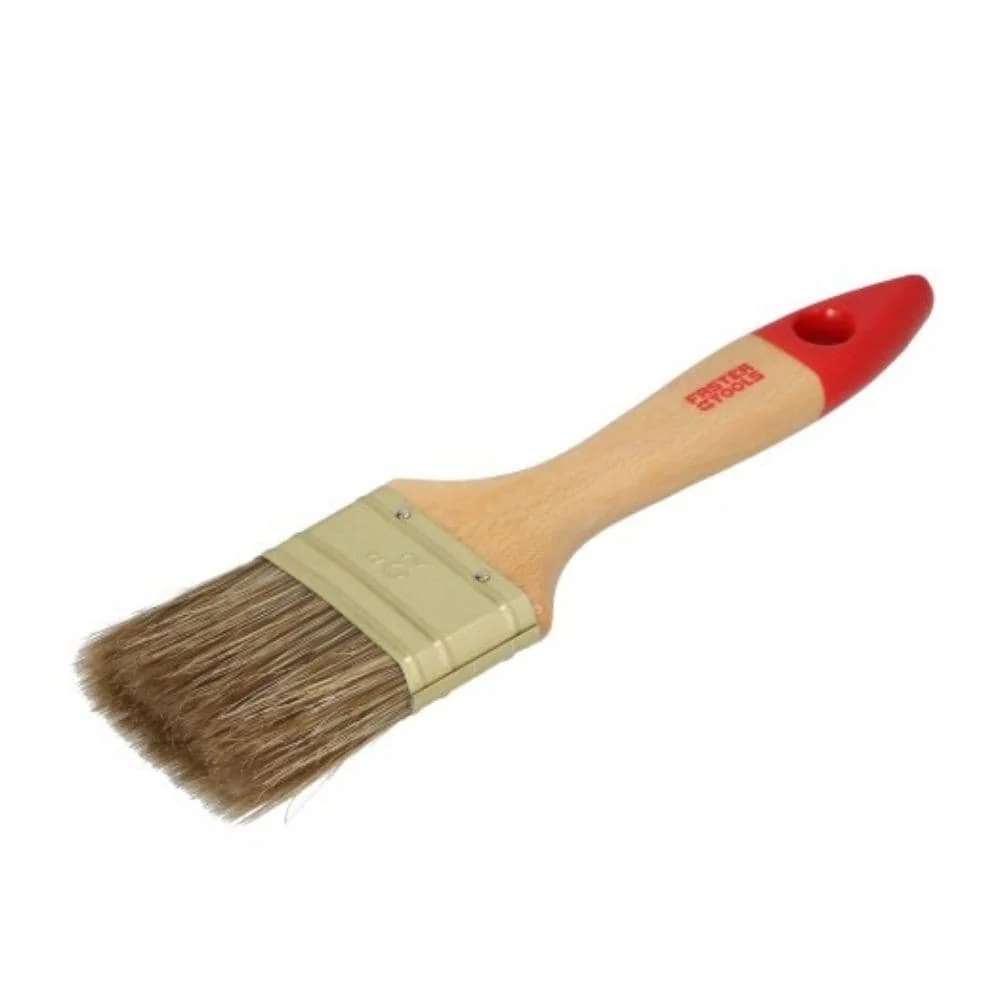
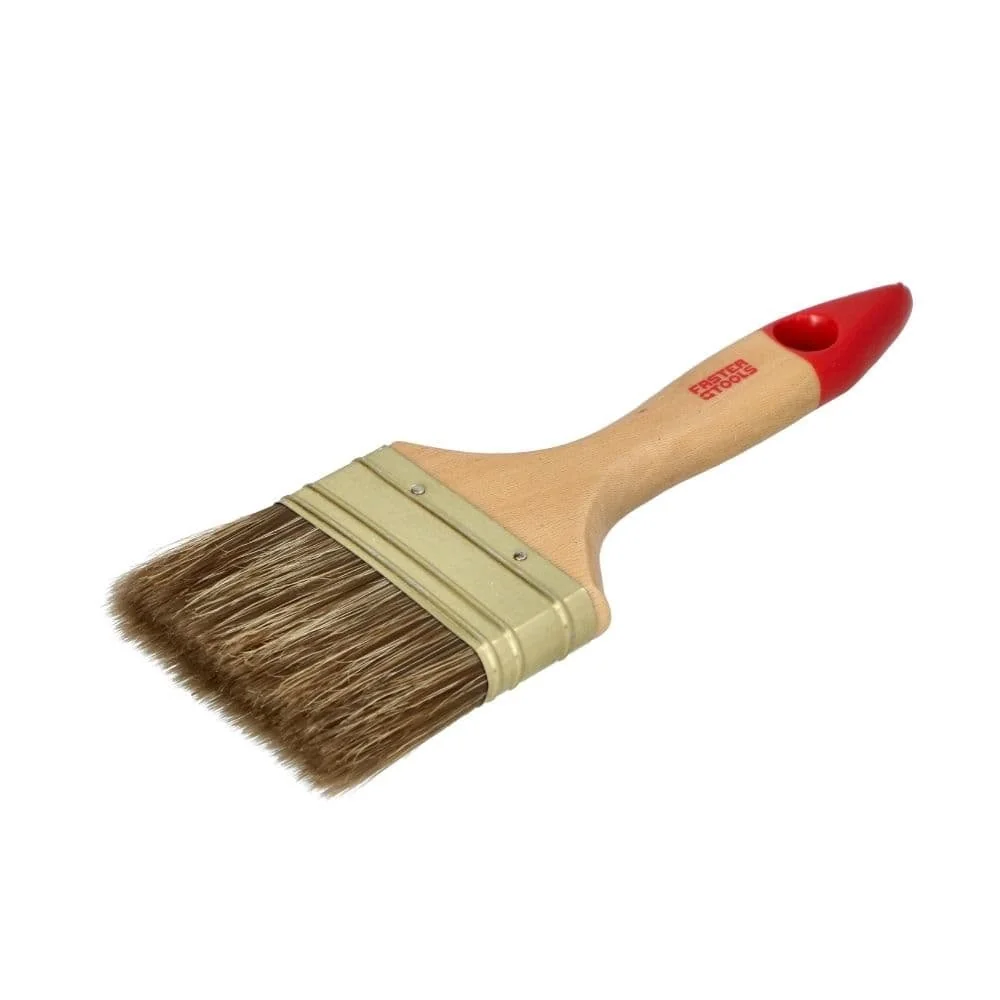
The best way to prevent stains is to prepare properly and take care of your tools. Clean brushes right after use with water and soap. A well-maintained brush, such as the
25mm flat brush or the wider 50mm flat brush not only helps you get better results but also prevents dried paint from flaking off and causing stains. For larger areas, the 75mm flat brush is a great choice.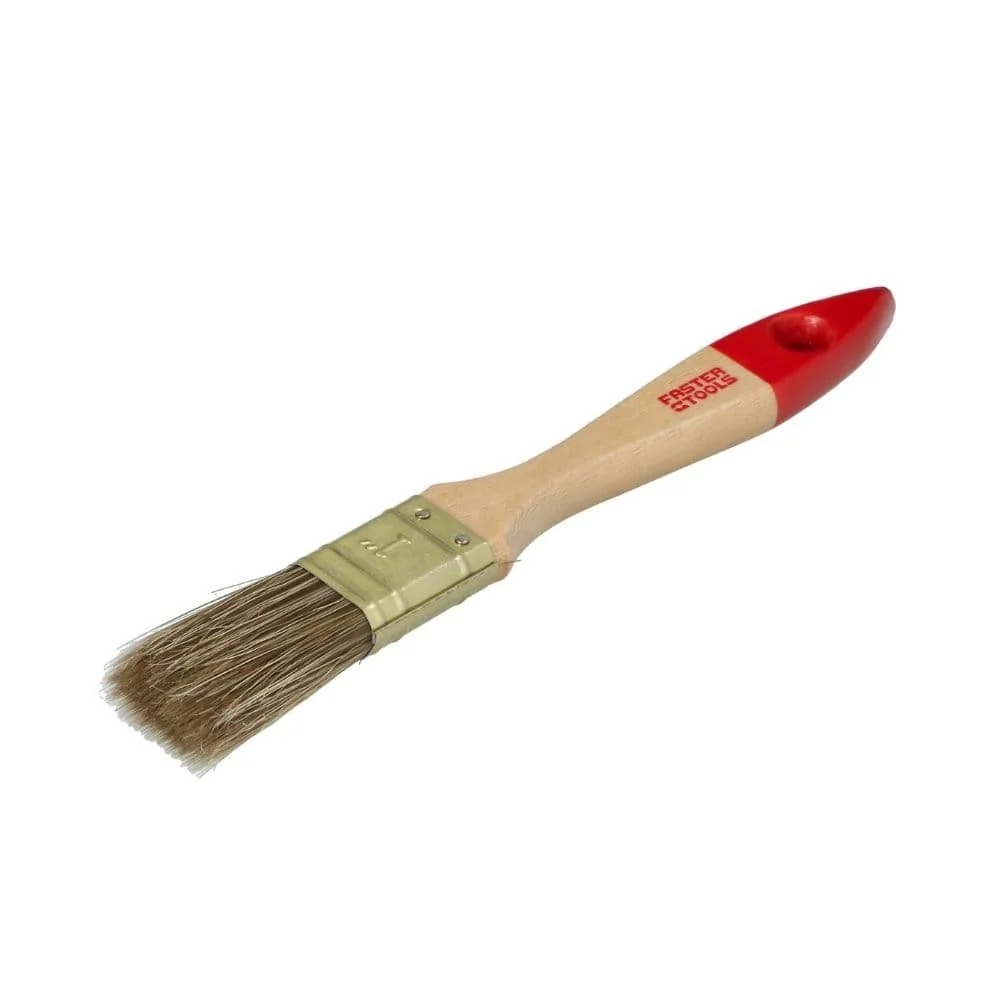
Professional paint removers: When should you use them?
Sometimes home remedies aren't enough. For very old, thick layers of paint or large areas, such as when refinishing patio furniture from the Garden + Outdoor section, professional paint removers may be the answer. These products are specially formulated to break down acrylic and other paint layers.
These paint strippers are highly effective, but they can also be harsh. Read and follow the manufacturer's instructions carefully. Work only in a well-ventilated area or outdoors. Always wear appropriate gloves and safety glasses to protect your skin and eyes. You can often find this type of safety gear in the Workplace supplies section.
Application is usually simple: apply the remover to the paint and leave it on for the specified time. The paint will swell or blister and can then be scraped off with a putty knife. After removing the paint, you may need to neutralize or rinse the surface with water. Whether you want to give an old wardrobe a fresh look or remove stubborn splatters, a professional remover is a last resort for tough jobs.
Frequently asked questions
- Can you remove acrylic paint with water?
- Yes, but only while the paint is still wet. Acrylic paint is water-based, so you can easily wipe it away with a damp cloth and a little dish soap. Once it dries, it forms a waterproof plastic layer and requires stronger solvents.
- What's the best solvent for dried acrylic paint?
- Isopropyl alcohol (rubbing alcohol) is often the most effective and safest first choice for many nonporous surfaces. For tougher stains on non-sensitive materials, mineral spirits or a specialty acrylic paint remover may also be needed. Always test the product on a hidden spot first.
- How do you get acrylic paint out of jeans?
- First, carefully scrape off as much dried paint as possible. Then dab the stain with a cloth soaked in isopropyl alcohol until the paint loosens. Work from the outside of the stain toward the center. Then machine-wash the jeans as usual.
- Can alcohol damage surfaces?
- Yes, alcohol can damage some surfaces. Painted or sealed wood may become dull, and some plastics may discolor or dissolve. Always test on a small, hidden spot before treating a larger area.
- Can you paint over old acrylic paint?
- Yes, this is often the easiest option, especially on walls or furniture. Lightly sand the old paint to roughen the surface. Remove all the dust and apply a primer if needed before adding the new coat. This helps the new paint adhere properly.
You may also be interested in
- Removing stains with home remedies: The best tips
- Removing permanent marker stains: Effective home remedies and expert tips
- Removing grease stains: How to save paper, cardboard and more
- Removing red wine stains: Tips for carpets and sofas
- Removing adhesive residue: The best home remedies and expert tips
- Removing blood stains: How to get clothes clean again