
In brief: Remove fresh coffee stains immediately with clear water and gall soap. For dried-in stains on textiles, a mixture of dish soap, vinegar and hot water works well. Baking soda or specialist stain removers are suitable for carpets. Always test each product on an inconspicuous area first.
How to Remove Coffee Stains: Best Home Remedies & Tips
Spilling coffee rarely means the end of your favorite jeans or sofa. With the right approach and simple home remedies, you can reliably remove most stains. This guide explains the specific steps for textiles, carpets and special materials.
Expert tip
Act immediately. The faster you respond, the greater the chance of removing the stain completely. Always blot up excess liquid—never rub it.
How should you respond to fresh coffee stains?
The first moment is crucial. Start by removing solids such as coffee grounds or sugar residue. Use the edge of a spoon or a blunt edge for this.
In the shop, you will find practical helpers for everyday needs. Absorb liquid coffee with highly absorbent kitchen paper. Dab carefully to avoid rubbing the stain deeper into the fibers.
Basic cleaning for all textiles
Rinse the affected area from the back with clear, cold water. The pressure flushes the stain out of the fabric rather than further into it. Place an absorbent cloth under the area being treated.
Then apply gall soap or a mild liquid detergent undiluted. Work it in gently with your fingers or a soft brush. Leave it to work for five to ten minutes.
Rinse thoroughly with cold water. Repeat the process for stubborn stains. For delicate textiles or baby textiles, test compatibility on a seam.
Adding salt to the first rinse water can help bind the coffee pigment and prevent further color bleeding. It is a simple but often overlooked step.
Which home remedies remove dried-in coffee stains?
Dried-in stains require pretreatment. First, lightly dampen the stain with cold water. This makes the fibers receptive to cleaning products again.
Mix one tablespoon of dish soap with one tablespoon of white household vinegar and two cups of warm water. The mixture dissolves grease and color. Soak a clean cloth in the solution and place it on the stain.
Important note
Never use hot water on coffee stains. The heat can cause the coffee's proteins to coagulate and permanently set the stain in the fabric. Always work with cold or lukewarm water.
Leave the compress to work for 15 to 30 minutes. Then dab the area with a fresh, damp cloth. Repeat the process until the stain disappears. For final cleaning, a product such as .
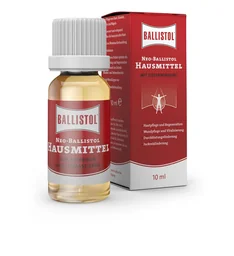
Baking soda and lemon for white fabrics
For white cotton textiles, a paste made from baking soda and water has proven effective. Apply it thickly to the stain and let it dry completely. This can take several hours.
Brush off the dry powder and wash the garment as usual. For extra-bright results, place the still-damp, treated item in the sun. UV light has a bleaching effect.
An alternative is lemon juice. Drizzle it directly onto the stain, sprinkle on a little salt and place the item in the sun. Then rinse it thoroughly. This method is particularly suitable for Garden + Outdoor textiles such as awnings or cushions.
How do you clean coffee stains from carpets and upholstery?
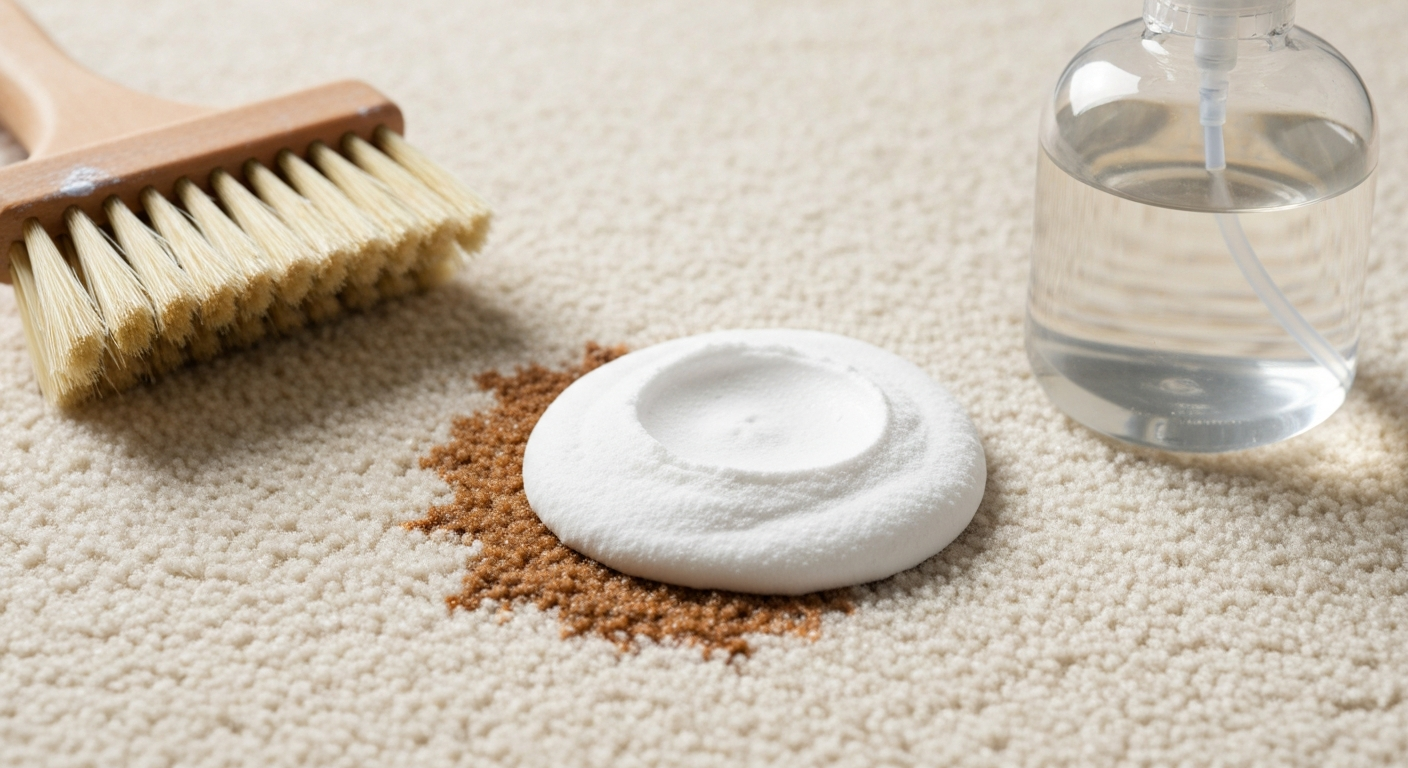
Carpets need a gentle but thorough method. First, vacuum up all dry particles. Then mix a spray solution of one part vinegar and two parts cold water.
Lightly spray this solution onto the stain without soaking the carpet. Work it in with a soft brush using circular motions from the edge toward the center. This prevents the stain from spreading.
Additional advice
After dampening the area, cover it with a clean, white cotton cloth and weigh it down. The cloth absorbs the loosened stain from the fibers. Change the cloth until it stays clean.
Dab the area with a second dry cloth to absorb moisture. For stubborn discoloration, sprinkle on baking soda or cornstarch. These powders bind residual moisture and odors.
Leave the powder to work overnight. Vacuum it up thoroughly the next day. For very delicate carpets, specialist products such as can be a gentle alternative.
The challenge: upholstered furniture
First identify the material of upholstered furniture. For water-resistant fabrics, you can use the methods for textiles. For delicate fabrics, test every product on a hidden area.
For microfiber, use isopropyl alcohol. Spray it onto a clean microfiber cloth and gently rub the stain. The alcohol evaporates without leaving residue.
For velour or velvet, work only in the direction of the pile with a soft clothes brush. Too much moisture damages the structure. Always air and dry upholstery thoroughly to prevent mold.
The biggest mistakes when cleaning carpets are using too much moisture and scrubbing too hard. Both can permanently damage the carpet structure. Patience and repeated, gentle treatment produce better results.
How do you treat special materials such as leather or wood?
Leather requires immediate action. Blot the liquid with a soft cloth. Clean the area with a specialist leather cleaner or a mild soapy solution.
Apply the cleaning solution to a cloth, not directly to the leather. Wipe gently over the stain. Then dry the leather with a second cloth and treat it with a suitable leather conditioner.
For wooden surfaces such as tables, remove all liquid immediately. Mix a paste of non-bleaching toothpaste and baking soda. Apply it to a soft cloth and carefully polish away the stain.
Wipe with a slightly damp cloth and dry thoroughly immediately afterwards. Finally, treat the area with furniture polish. For stubborn discolouration on other outdoor surfaces, a product such as can help.
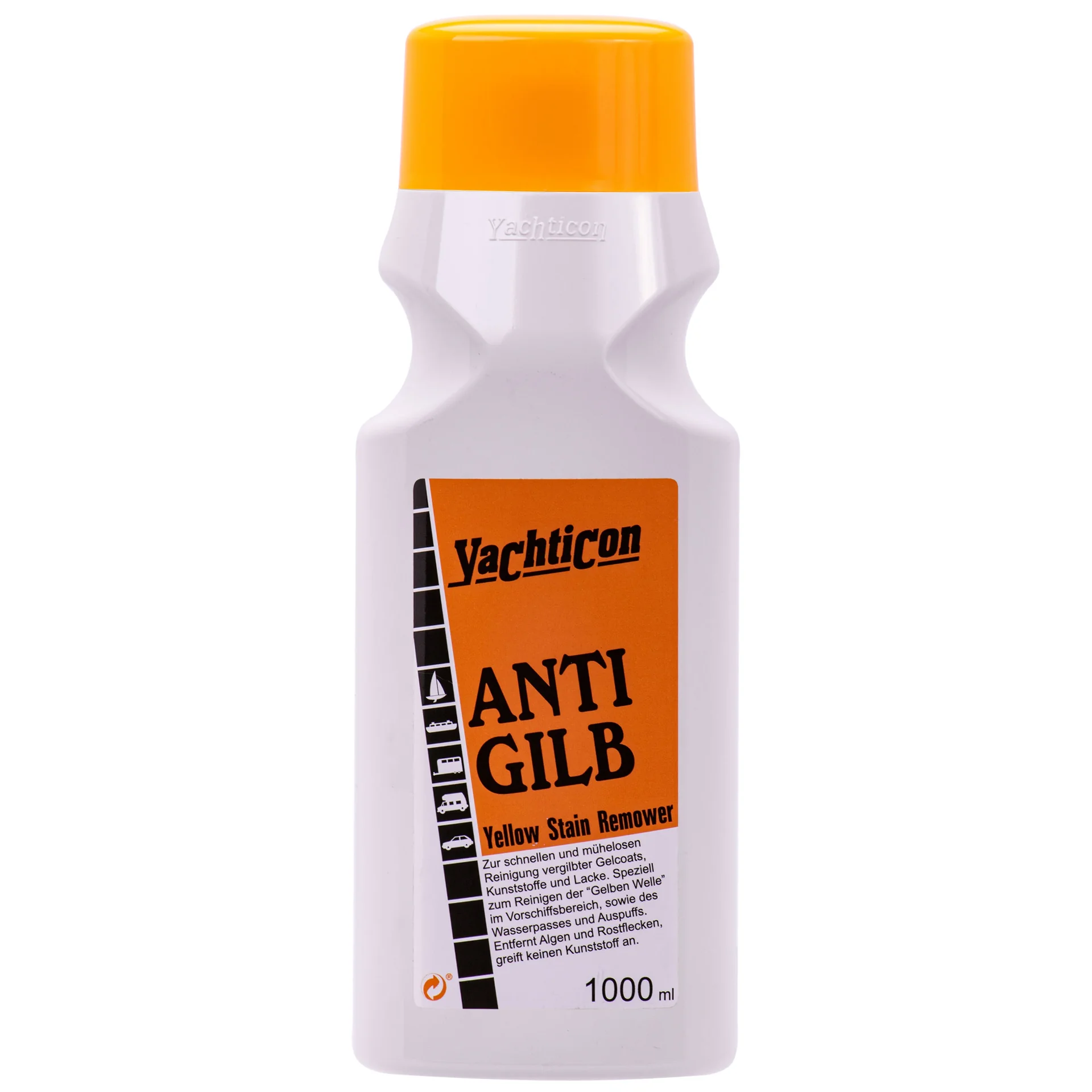
Cleaning plastic and melamine
Coffee stains on plastic or melamine countertops are often superficial. A paste made from baking soda and water usually removes them reliably. Rub gently with a soft sponge.
Undiluted household vinegar helps with coloured deposits. Leave it to work briefly, then rinse thoroughly. For white plastics, a thin paste of hydrogen peroxide and baking soda has proven effective.
Apply the paste, leave it to work for 30 minutes and rinse it off. Make sure no residue remains in joints or along edges. Over time, this can damage the material.
How can you prevent stains permanently and care for textiles?
The best way to remove stains is to prevent them. Impregnate new garden equipment fabrics, such as cushions or awnings, before using them for the first time. This creates a dirt-repellent layer.
Do not wash clothes with coffee stains on a delicate cycle. The short, cool wash often fails to remove the stain completely. Choose a long programme at the highest temperature the fabric can safely withstand.
Use stain-removal powder or stain-removal pens when you are out and about. They bind the stain immediately and make the subsequent wash easier. Keep them handy in the kitchen or car.
Clean your coffee machine and cups regularly with vinegar or citric acid. Deposits lead to more intense stains that are harder to remove. This care is part of your general operating supplies routine.
With these methods, you can keep coffee disasters under control. Each material requires the right treatment. The key is to act quickly and correctly, and to be patient during the process.
Frequently asked questions
- How do I remove old coffee stains from white clothes?
- Treat white cotton with a paste made from washing powder and a little water. Rub it in, leave it to work and then wash at the highest temperature the fabric can tolerate. Alternatively, lemon juice and sunlight can help: drip the juice onto the stain, place the garment in the sun and rinse it out.
- Can you remove coffee stains from carpet using household remedies?
- Yes. First, vacuum up any dry residue. Then spray on a solution of one part white household vinegar and two parts water, work it in gently and blot dry with a clean cloth. Finally, sprinkle on baking soda, leave it to work overnight and vacuum thoroughly.
- Does vinegar damage the colours of textiles?
- Vinegar can cause delicate colours to fade, especially on silk or wool. Always test the vinegar solution first on a hidden seam or hem. For brightly coloured or new garments, mild washing-up liquid solutions are often the safer choice.
- What should I do about a coffee stain on a leather sofa?
- Blot the stain immediately with an absorbent, lint-free cloth. Clean it carefully with a specialist leather cleaner or mild soapy water. Then apply leather conditioner to protect the material and prevent it from drying out. Avoid harsh household remedies.
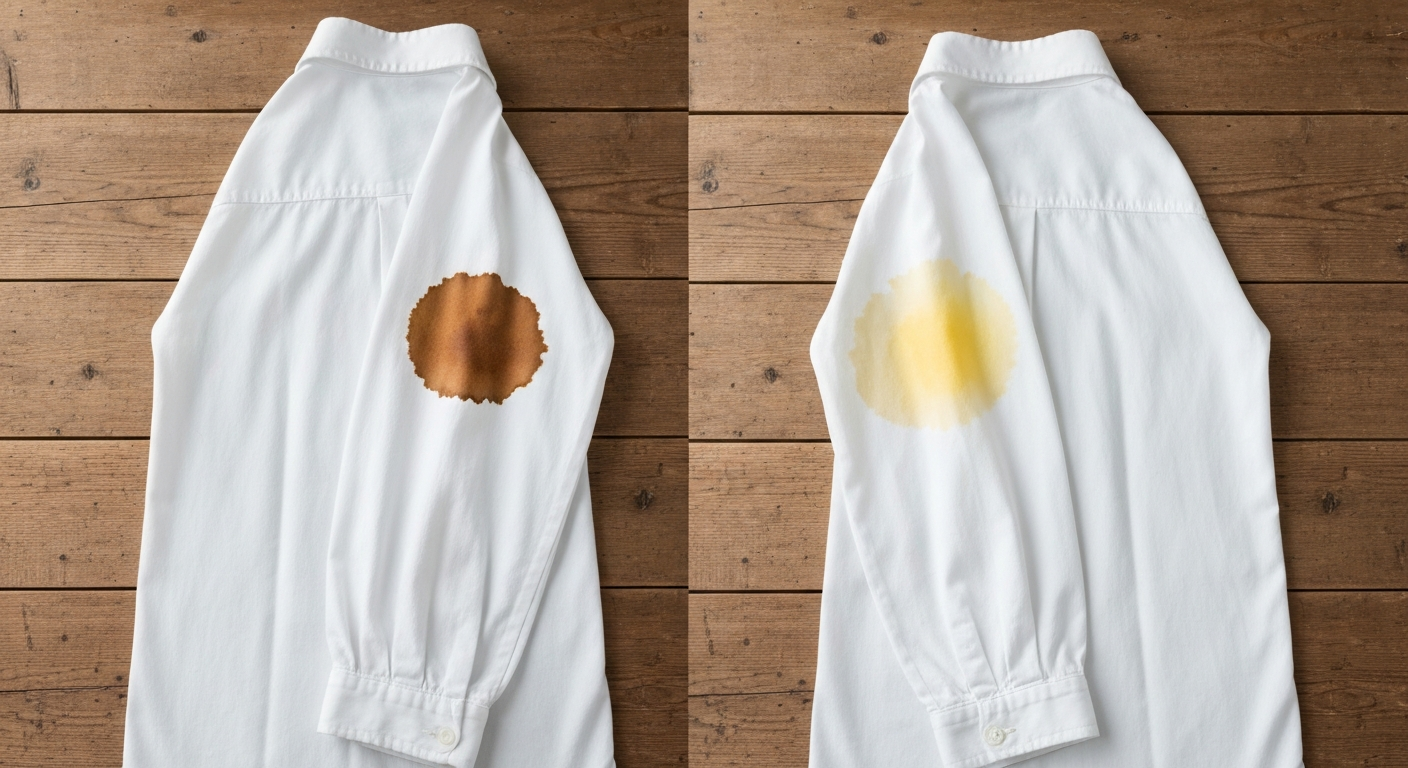
- How can I prevent yellowish edges after treating a stain?
- Yellowish edges often form when the cleaning product is not rinsed out thoroughly. When treating textiles, always work from the outside towards the centre of the stain to prevent it from spreading. Rinse with clean water after treatment and allow the area to air-dry completely.
You may also be interested in
- How to Remove Tomato Stains: Effective Home Remedies & Tips
- How to Remove Old Stains: Effective Household Tips
- Removing Stains with Home Remedies: The Best Tips
- How to Remove Sunscreen Stains: The Best Tips & Tricks
- How to Remove Grease Stains: Effective Home Remedies for Clothes & Workshop
- How to Remove Strawberry Stains: Home Remedies and Tips