
In brief: Treat fresh grass stains immediately with cold water, liquid laundry detergent or a stain-removal soap. Rinse the stain from the back, test every home remedy on a hidden area and wash the garment according to the care label. Only dry it once the stain has disappeared, otherwise heat can set it permanently.
Treat fresh grass stains immediately with cold water, liquid laundry detergent or a stain-removal soap. Rinse the stain from the back, test every home remedy on a hidden area and wash the garment according to the care label. Only dry it once the stain has disappeared, otherwise heat can set it permanently.
Grass stains are one of the typical stains of summer. Sitting on the lawn, playing football or gardening can transfer plant sap, soil and moisture onto trousers, T-shirts and outdoor jackets. The sooner you act, the less time the pigments have to settle into the fibres.
You do not need a long list of specialist products for successful stain removal. Cold water, a suitable detergent and a gentle home remedy are often enough. The order of the steps, the fibre and the care label are crucial.
How do grass stains form and why are they so stubborn?
Grass mainly colours textiles green through chlorophyll. Plant sap, proteins, sugar and fine particles of soil are also involved. Rubbing pushes these substances deeper between the fibres. Moisture can spread the stain over a larger area.
A fresh stain often looks light green and damp. An older grass stain appears yellowish, brownish or dark green. Detergent alone may not remove it during the first wash. Heat makes the problem worse: a tumble dryer or hot iron can permanently set the residue.
How can you tell the condition of the stain?
- Fresh grass stain: The fabric still feels damp, and the green colour is mostly on the surface.
- Rubbed-in stain: The area looks larger because plant sap and dirt have been pushed into the fibres.
- Dried stain: The colour is dull or yellowish. It needs a longer pre-treatment, and you should not start by rubbing vigorously.
First remove dry soil and loose blades of grass. Shake out the garment or brush off the residue with a soft clothes brush. Do not rub the dry area with a damp cloth, as this will spread the dirt further.
Which fibre is it?
Cotton and durable blended fabrics usually tolerate thorough pre-treatment. Synthetic fibres such as polyester absorb stains less deeply, but they are sensitive to aggressive solvents. Wool, silk, coated fabrics and membrane materials require special care. Always check the care label and test the treatment on a hidden area first.
Expert tip
Photograph or mark the stain before treating it. This makes it easier to see after washing whether the discolouration has really disappeared. With coloured clothing, test the detergent on the inside of the hem.
How do you remove fresh grass stains from clothes?
With fresh grass stains, every minute counts. Take off the garment if it is heavily soiled and place an absorbent cloth under the area. This prevents the dissolved plant sap from reaching the back or a second layer of fabric.
How to pre-treat cotton and durable blended fabrics
- Remove loose residue: Carefully brush off soil and blades of grass. If the mud is wet, wait briefly until the surface has dried slightly.
- Rinse from the back: Hold the back of the fabric under cold to lukewarm water. The water stream should push the stain out of the fibres, not drive it deeper into the fabric.
- Apply detergent: Put a small amount of liquid laundry detergent directly onto the damp area. Spread it with your fingers or a soft brush.
- Leave it to work: Let the detergent work for around ten to fifteen minutes. Keep the fabric damp during this time so the area does not dry out again.
- Rinse thoroughly: Rinse out the detergent from the back. Check the colour and repeat the pre-treatment if the green edge is still visible.
- Wash: Wash the garment according to the care label. Separate light and dark laundry and follow the recommended temperature.
Stain-removal soap is an additional option for cotton and many durable blended fabrics. Dampen the stain, apply a thin layer of soap and work it in without vigorous scrubbing. Rinse thoroughly after leaving it to work. On delicate or coated fabrics, use stain-removal soap only after a compatibility test.
What applies to white and coloured clothing?
White cotton gives you more options, but you should not automatically use chlorine bleach. It can weaken fibres and cause yellowish shadows. Oxygen-based stain removers are suitable only if the care label permits them.
With coloured clothing, avoid untested bleaching agents and concentrated acids. Treat the stain locally and check after every step that the colour remains even. This keeps your clothes clean without creating a lighter ring around the treated area.
Important note
Do not use hot water, a tumble dryer or an iron while the grass stain is still visible. Heat can set the plant pigments. Test every product on a hidden area and never apply several cleaners directly on top of one another.
“Fresh stains are easier to remove than old ones because the pigments have not yet penetrated deep into the fibres.”
Which home remedies help with dried-in grass stains?
Dried-in grass stains need moisture first. Do not put the garment straight into a hot wash. Dampen the area with cold water and dab it with a white cloth. Colored cloths can bleed and make stain removal more difficult.
Use gall soap, liquid laundry detergent and dish soap
Gall soap is the most effective traditional home remedy for many durable, washable fabrics. It contains cleaning agents that dissolve organic residue. Do not rub the soap over the fabric while it is dry. Moisture reduces friction and protects the surface.
- Dampen the grass stain with cold water.
- Apply a thin layer of gall soap and leave it to work according to the manufacturer's instructions.
- Work the soap in with your fingertips, moving from the outside toward the center.
- Rinse the area thoroughly and check the result in daylight.
Liquid laundry detergent is suitable for colored cotton, blended fabrics and many synthetic materials. A small amount is enough for minor stains. Dish soap can help with very durable fabrics because it dissolves grease and dirt that has adhered to the material. Use it sparingly and rinse thoroughly so no residue remains in the fabric.
Which home remedies should you avoid?
Lemon juice, vinegar, baking soda and toothpaste are popular home remedies, but they do not automatically provide an advantage for grass stains. Acids can alter colors, powders can roughen delicate surfaces, and toothpaste often leaves light-colored residue. Avoid such experiments on wool, silk, coated fabrics and technical clothing.
Oil-based care products should not be used on a grass stain either. Although they may spread the green discoloration, they leave behind an additional grease stain. Alcohol and solvents should also only be used if the textile manufacturer explicitly permits this treatment.
Additional advice
Do not mix home remedies. If one product is not enough, rinse it out completely before starting another treatment. This helps prevent unwanted reactions and allows you to assess the effect of each individual step.
For white, durable cotton, you can consider using a suitable oxygen bleach after pretreatment. Follow the dosage instructions and care label. Let the laundry air-dry after treatment and only make a final check once it is dry.
How do you treat grass stains on outdoor clothing?
Outdoor clothing is often made from polyester, polyamide, softshell or several coated layers. These materials dry quickly and protect against wind or moisture, but they are sensitive to fabric softener, oil and harsh bleach. When caring for outdoor clothing, it is therefore important to use minimal friction, the right temperature and a suitable detergent.
Softshell, fleece and technical fabrics
First remove dried dirt with a soft brush. Then rinse the grass stain from the back with cold water. Apply a little liquid laundry detergent and leave it to work briefly. Treat only the affected area and avoid stiff brushes that can roughen the surface.
For colored, washable textiles, is a suitable detergent. Dose according to the level of soiling and water hardness, and follow the care label. An additional wash with too much detergent will not improve cleaning; it can instead encourage residue and skin irritation.
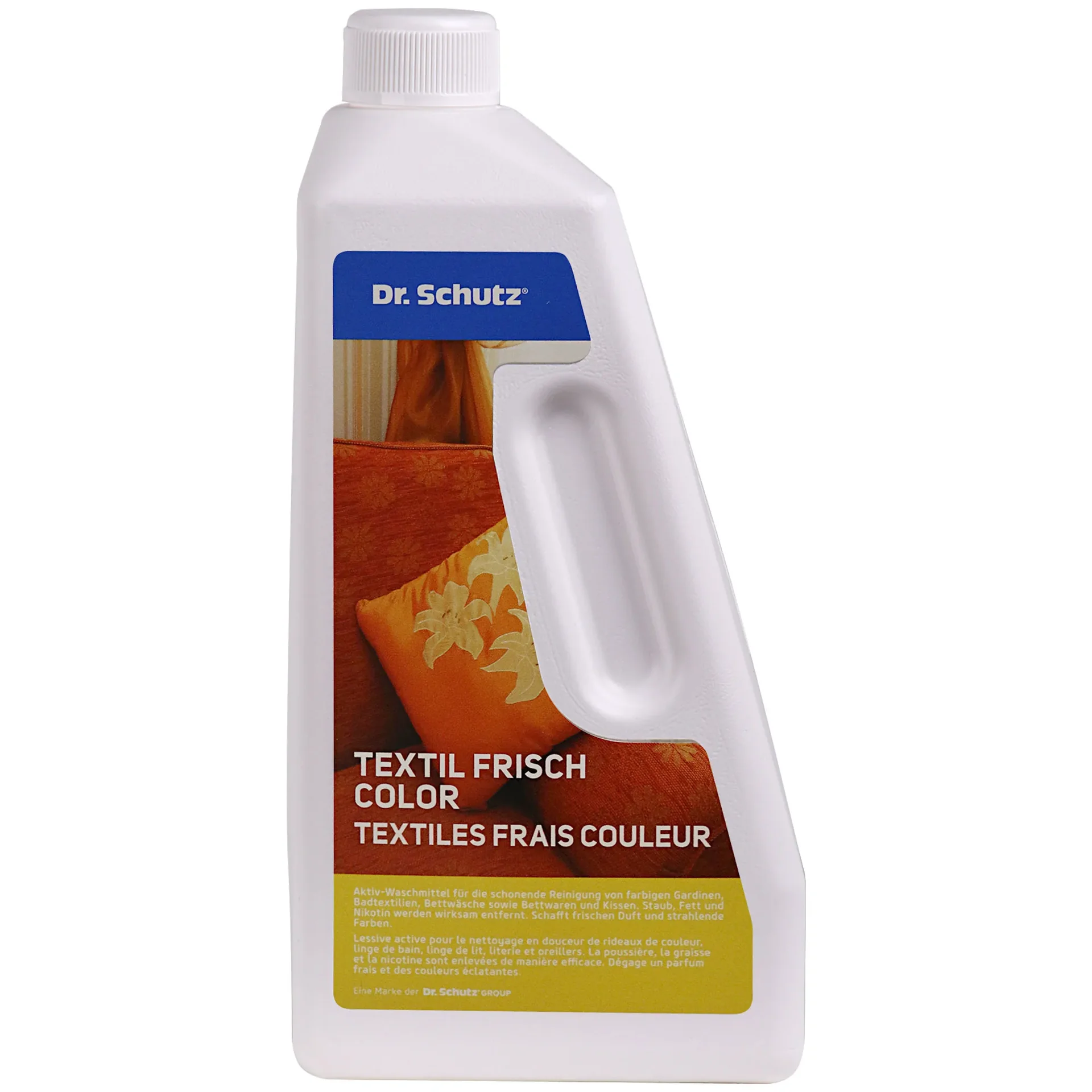
Wash softshell and technical clothing inside out if the label recommends it. Close zippers and hook-and-loop fasteners. Avoid fabric softener because it can coat the fiber surface and impair breathability.
Protect membranes and waterproofing
On a waterproof jacket, treat the grass stain locally whenever possible. Depending on the material, prolonged soaking can put strain on the finish. After washing, check whether water still beads on the surface. If it does not, restore the waterproofing with a suitable textile product according to the care instructions.
You can find other suitable fabrics and care products in the Textiles category. For clothing for little outdoor enthusiasts, the selection of baby textiles provides additional guidance on washable materials.
“The care label shows what treatment a textile can withstand.”
How do you wash grass stains out completely?
After pretreatment, put the garment in the washing machine. Choose the temperature according to the care label and sort the laundry appropriately by color and material. A longer cycle is not automatically better. What matters is that the detergent is suitable for the fiber and that the stain has disappeared before heat is applied.
Check before drying
Take the garment out after the wash cycle and check the former stain area in good light. If the fabric still feels smooth and clean, you can dry it. If you see a green, yellow or brownish shadow, treat the area again.
- Stain visible: Do not dry, iron or apply any further heat.
- Stain significantly lighter: Repeat the pretreatment with liquid laundry detergent or gall soap.
- Stain removed: Dry according to the care label and check the area again later.
It is better to repeat the treatment once in a targeted way than to use several products at the same time. For delicate textiles or expensive outdoor jackets, professional textile cleaning is worthwhile. Tell the cleaner what caused the stain and which products have already been used on the fabric.
How can you prevent new summer stains?
Summer stains cannot be prevented completely, but you can make them easier to treat. Put a blanket down when having a picnic, wear durable clothing when gardening and change out of wet clothes after playing. Remove dirt and blades of grass immediately, before movement rubs them into the fabric.
Do not wait several days to wash children's clothes after they have been on the lawn. Leave soiled items dry and spread out in the laundry basket, and sort them before washing. This prevents musty odors and keeps the stains visible enough for targeted pretreatment.
For everyday life in the garden and on the go, you can find suitable equipment in the Garden + Outdoor section. With cold water, a suitable detergent and a little patience, you can remove most grass stains from washable textiles. Check the fabric before every treatment and only use heat once the clothing is clean.
Frequently Asked Questions
- How do I remove fresh grass stains from white cotton trousers?
- Rinse fresh grass stains from the reverse side with cold water. Then apply liquid laundry detergent or bile soap to the damp area and leave it to work briefly. Check the care label, wash the trousers according to the fibre type and check the stain before drying.
- Which home remedy helps with dried-in grass stains?
- For dried-in grass stains, bile soap is often more effective than harsh mixtures. Dampen the fabric, gently rub in the soap and leave it to work according to the manufacturer's instructions. Rinse thoroughly and repeat the treatment before washing. Test the home remedy on a concealed area first.
- Can I remove grass stains with hot water?
- Hot water is not a good first choice for fresh grass stains. The heat can set plant pigments in the fabric, especially if you then dry the garment with heat. First rinse the stain from the reverse side with cold or lukewarm water. Only wash the garment according to the care label after successful pre-treatment.
- How do I treat grass stains on softshell?
- For softshell, brush off loose grass residue when dry, rinse the stain with cold water and treat it sparingly with liquid laundry detergent. Avoid fabric softener, bleach and oil-based home remedies. Wash the garment according to the care label and only reproof it with a suitable product if the surface becomes less water-repellent.
- What should I do if the grass stain is still visible after washing?
- If the grass stain is still visible after washing, do not put the garment in the tumble dryer or iron the area. Treat the stain again with a suitable detergent or bile soap, check the colour on a concealed area and wash it again according to the care label.
You may also be interested in
- How to Remove Strawberry Stains: Home Remedies and Tips
- How to Remove Grease Stains: Effective Home Remedies for Clothes & Workshop
- How to Remove Mildew Stains: Effective Home Remedies & Tips
- How to Remove Stains with Home Remedies: The Best Tips
- How to Remove Tomato Stains: Effective Home Remedies & Tips
- How to Remove Sunscreen Stains: The Best Tips & Tricks