
In brief: The best way to remove old stains is to identify the stain first, then choose the right cleaner. For organic stains such as grass or coffee, try gall soap or a specialized stain spray. For set-in stains on washable fabrics, pre-treat with an all-purpose stain remover before washing. Always test any product on a hidden area first.
Contents
An old stain can feel like a permanent reminder. It has dried, set deep into the material and seems impossible to remove. But that is rarely the case. With the right approach and products, you can tackle even stubborn stains. The key is to identify the stain and treat it carefully.
What type of stain are you dealing with?
Not all stains are alike. The first step is to identify what you are dealing with. Most stains fall into three main groups.
Organic stains come from food, grass, blood or coffee. They often contain proteins or dyes. Inorganic stains come from ink, rust or paint. Grease and oil stains, by contrast, soak into the material and leave a film.
An old red wine stain on cotton calls for a different approach than a set-in grease stain on stone. Ask yourself: What caused the stain? How long has it been there? What material is stained? Your answers will help you choose the right treatment.
Impatience is one of the most common causes of stain-removal mishaps. Each stain needs the right product and enough time to work. Give the treatment time to do its job.
What do you need to remove stains?
Gather your supplies before you start. You do not need a large collection of products, just the right tools. A clean, white cotton cloth is essential. It will not transfer color, and you can see how much dirt it has absorbed.
Soft natural-bristle brushes are gentle on delicate fabrics. Lint brushes work well on carpets. Keep several clean microfiber cloths on hand to absorb liquids. A basic spray bottle makes it easy to apply homemade cleaning solutions precisely.
Practical hose holders or wall-mounted accessory holders can help store cleaning liquids and spray bottles. They also help keep your cleaning supplies organized.
Important note
Always test any cleaning product, store-bought or homemade, on a hidden area first. This helps you check whether it is safe for the material and could cause discoloration. Testing first can prevent further damage.
When to use a professional stain remover
Homemade solutions are often a good first step. For old, stubborn stains, a specialized stain remover may work better. These products contain enzymes, surfactants or solvents designed to target specific types of dirt.
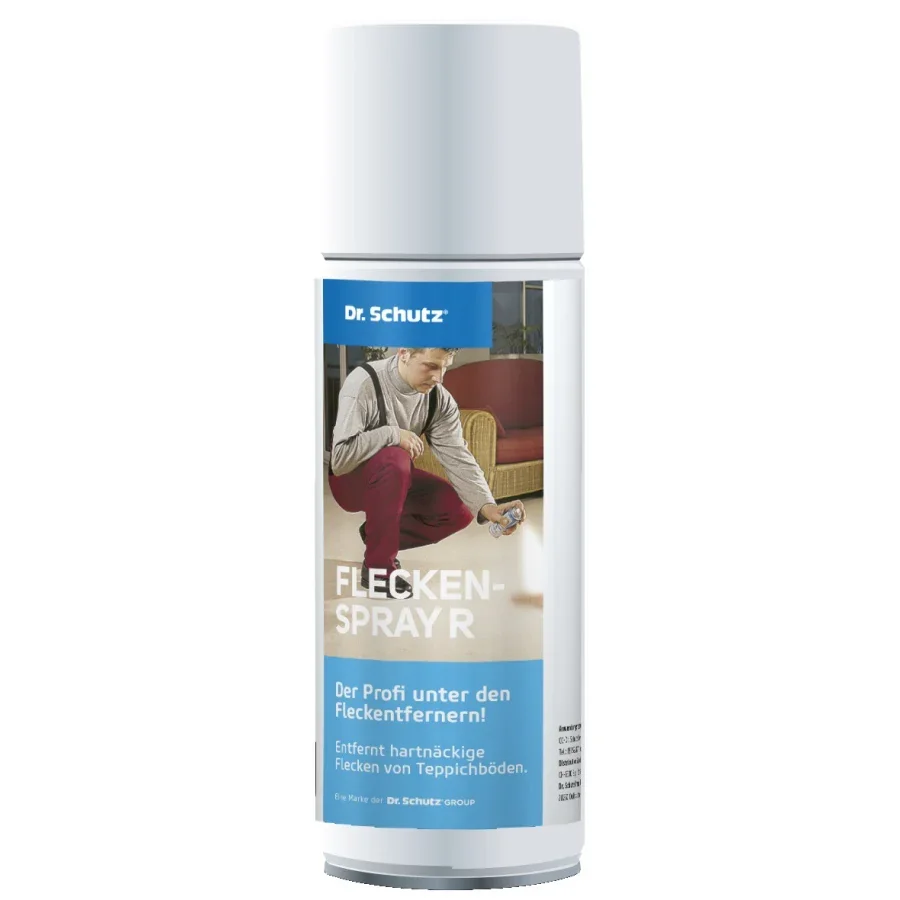
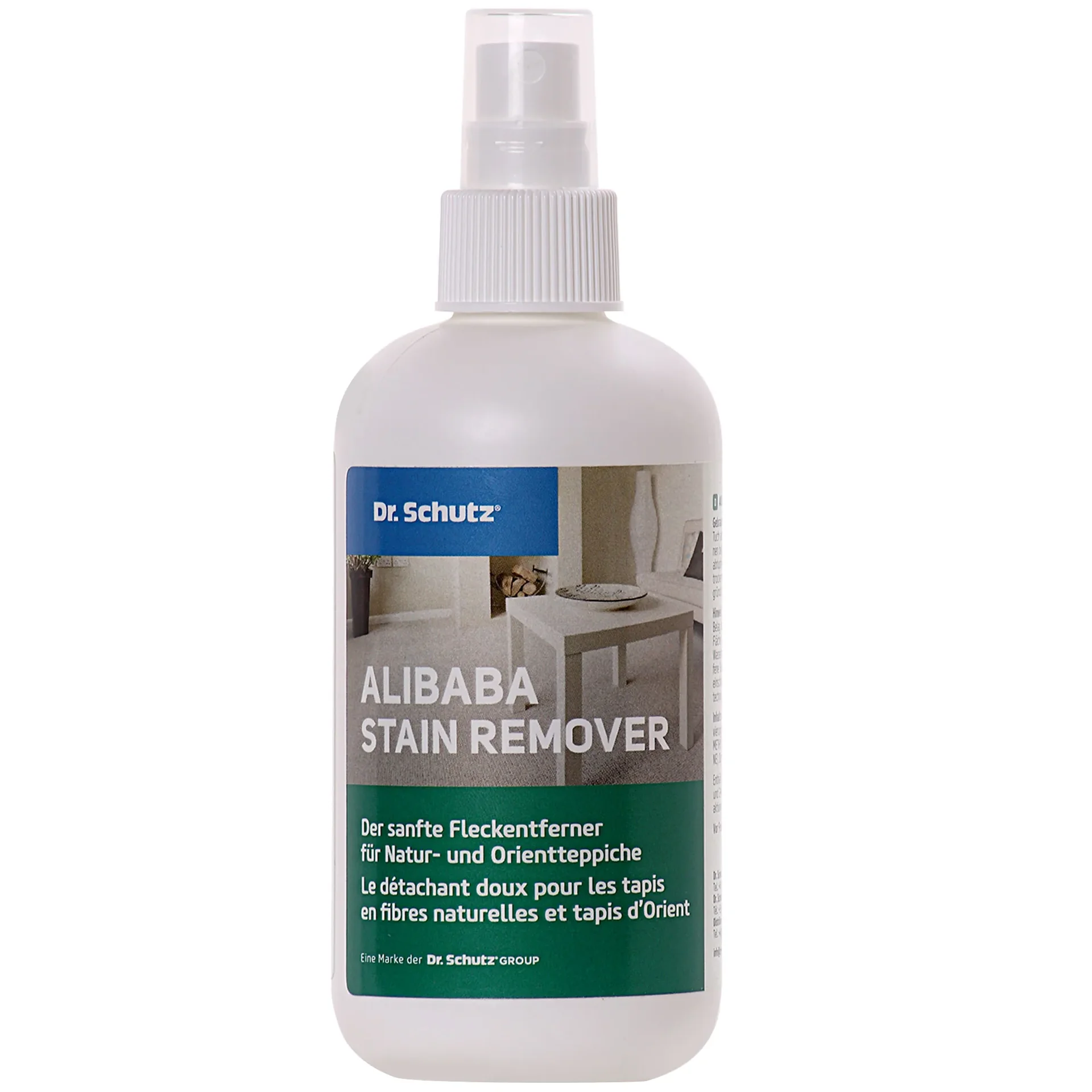
An all-purpose stain remover such as the
works on a wide range of stains and fabrics, making it a handy all-around option. The is designed for targeted treatment of stubborn marks. For valuable natural-fiber fabrics, use a specialized remover such as .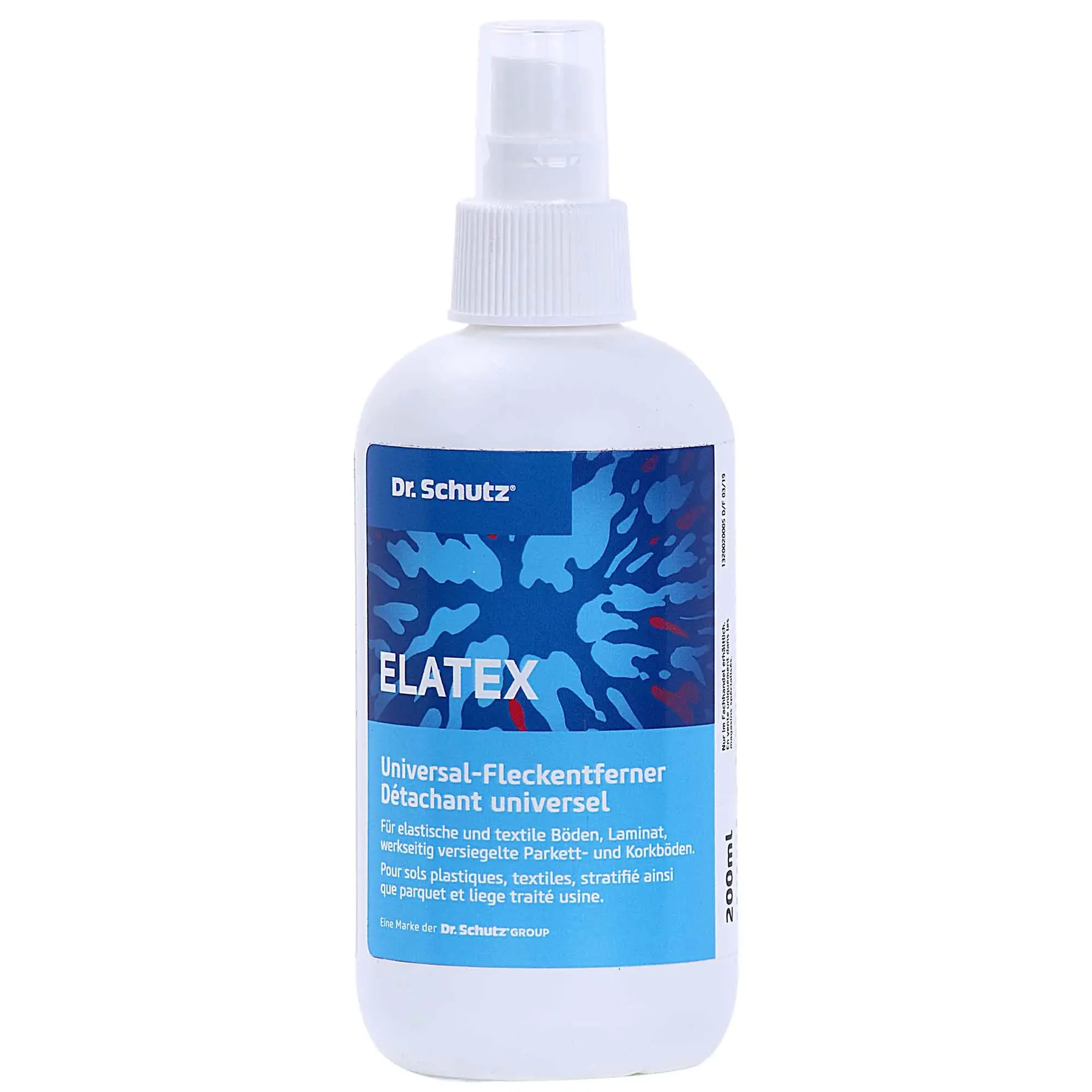
How do you remove old stains from fabric?
Take care when treating clothes and other fabrics. Start by checking the care label, then work methodically. Gently brush off any dry residue. Treat the stain from the back of the fabric so you do not push it deeper into the fibers.
For washable fabrics, pre-treating is essential. Apply your chosen stain remover directly to the stain and let it work. Do not pour the product into the washing machine. Giving the cleaner time to work on the stain matters more than the length of the wash cycle.
Expert tip
Place absorbent paper towels or a white cloth under the stain before treating it. The backing will draw dissolved dirt out of the fabric and absorb it, rather than letting it spread through the material.
Then wash the item at the highest temperature recommended on the care label, using your regular laundry detergent. Check the stain after washing and drying. If needed, pre-treat it again before washing the item a second time. Do not put the fabric in the dryer while the stain is still visible. Heat can set the stain.
Special cases: grass, blood and red wine
Old grass stains can be treated with a mixture of vinegar and liquid laundry detergent. Rub it in, then wash the fabric in warm water. For dried blood stains, soak the fabric in cold salt water, then use gall soap.
Old red wine stains can be tricky. Start by treating the stain with sparkling water or a paste made from baking soda and water. Let it dry, then brush it off. Afterward, a targeted stain spray such as . may help.
How to remove old stains from carpets and upholstery
Carpets and upholstered furniture need a gentler approach because you cannot put them in the washing machine. Blot the stain—never rub it. Rubbing can damage the fibers and spread the stain.
Mix a solution of mild dish soap and warm water. Test it on a hidden area first. Apply it to the stain with a clean sponge, then blot it dry with a clean cloth. Work from the outside of the stain toward the center to keep it from spreading.
Your vacuum cleaner is your best friend when treating carpet stains. After each liquid treatment, vacuum the area dry. This removes loosened dirt and helps the carpet dry much faster.
For stubborn stains, use a carpet cleaner or specialized upholstery spray. Products such as the may be suitable. Check the directions to make sure the product is safe for your carpet or upholstery. After treatment, place an absorbent towel over the area and weigh it down with a heavy book. This will soak up any remaining moisture.
Removing Stains from Hard Surfaces
Countertops, tiles and wooden tables are less delicate, so you can use a more intensive approach. To remove old limescale stains from a shower or sink, use citric acid or cleaning vinegar. Apply it, let it sit, then rinse thoroughly.
Remove burnt-on grease stains from a ceramic cooktop or oven with a paste made from baking soda and water. You can also use a specialized oven cleaner. For water stains on wood, carefully sand off the top layer, then treat the wood with oil or wax.
Additional advice
For heavily soiled outdoor furniture or garden tools, pressure washing can be a good option. Choose suitable reducers and wall brackets for your garden hose to direct the pressure and water jet effectively.
Special Challenges: Silicone Sealant and Stone
To whiten dirty silicone sealant in the bathroom, use a mixture of baking soda and chlorine cleaner. Apply it, let it sit briefly, then rinse thoroughly. Acidic cleaners can damage natural stone such as marble or granite. Use a specialized stone cleaner instead.
All hard surfaces have one thing in common: always rinse thoroughly with clean water after intensive cleaning. This removes cleaner residue that could cause new stains.
Expert Tips for the Best Results
Patience is a necessity when cleaning. Give products time to work. The contact time listed on the packaging is a minimum, not a maximum. Cleaning professionals often say, “Time works in your favor when you choose the right product.”
Store stain removers properly. Direct sunlight or excessive heat can alter their chemical composition. A distributor with wall mount in the cleaning cupboard helps keep things organized and protects your products.
Make a note of which product worked on each stain and material. This will help you build your own stain-removal know-how and save time and frustration next time.
Finally, not every old stain has to disappear completely. Sometimes it is enough to lighten it until it is barely visible. That is already a success. Perfection is rarely necessary. A clean, well-kept home is judged by the overall impression, not by the absence of every single blemish.
Frequently Asked Questions
- How do I remove old, set-in stains from clothes?
- Treat the stain with a universal stain remover such as PRODUCT_57204. Let the product work before washing the garment at the highest temperature recommended for the fabric. Repeat if necessary.
- What household remedy removes old red wine stains?
- Sprinkle salt over a fresh stain to absorb the liquid. Then rinse with cold water and treat any residue with bile soap or a specialized stain spray such as PRODUCT_57576. For old stains, a mixture of baking soda and water may help.
- Can I remove old stains from a sofa?
- Yes, but test the cleaning product on an inconspicuous area first. A gentle universal stain remover works on many fabrics. Spray it on, blot the area and let it dry. Avoid vigorous rubbing.
- How do I remove old grease stains from a countertop?
- Mix baking soda and water to make a paste, or use dish soap. Apply it, let it sit, then wipe with a damp cloth. For stubborn stains, use a degreasing cleaner.
- Are homemade stain removers safe for all fabrics?
- No. Always test vinegar, lemon juice or baking soda first. For delicate natural fibers such as silk or wool, specialized products such as PRODUCT_57785 are safer because they work gently.
You might also be interested in
- Removing Stains with Household Remedies: Top Tips
- Removing Sunscreen Stains: Top Tips & Tricks
- Removing Grease Stains: Effective Household Remedies for Clothes & the Workshop
- Clean Smart: Efficient Household Tips for a Clean Home
- Removing Mold Stains: Effective Household Remedies & Tips
- Effective Household Remedies: Clean Naturally