
In brief: The most common mistakes when installing scaffold sheeting are using the wrong fasteners, applying uneven tension, ignoring the weather forecast, choosing the wrong sheet size and storing or handling it incorrectly. Avoid these mistakes by using elastic tensioners, the correct tensioning technique and a high-quality, well-fitting sheet.
Table of contents
- Mistake 1: Using the wrong fasteners
- Mistake 2: Tensioning the sheeting too loosely or too tightly
- Mistake 3: Ignoring the weather forecast
- Mistake 4: Choosing the wrong sheeting size or quality
- Mistake 5: Improper storage and handling
Scaffold sheeting protects the façade, materials and workers from rain, wind and sunlight. However, sheeting that is fitted incorrectly can quickly become a hazard. It can tear, cause noise or, in the worst case, destabilise the entire scaffold. Many types of damage can be prevented from the outset by using the right technique and suitable materials.
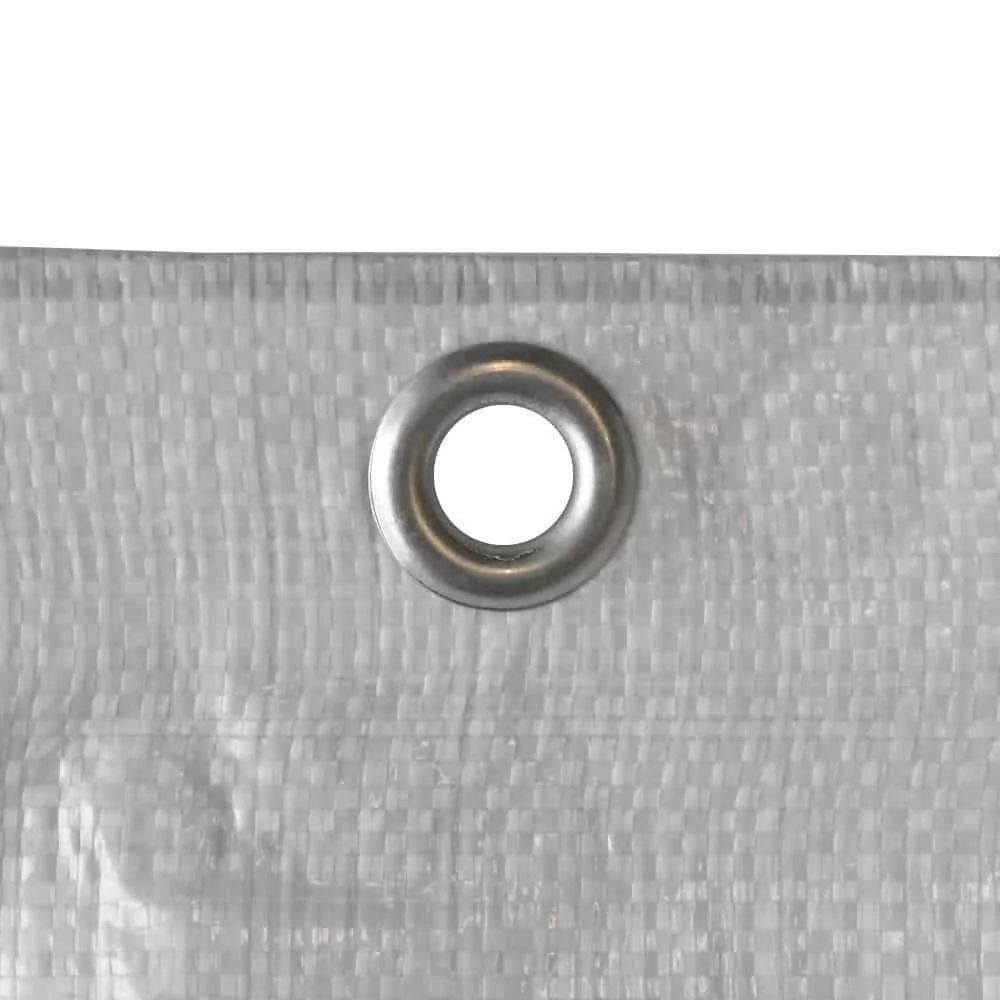
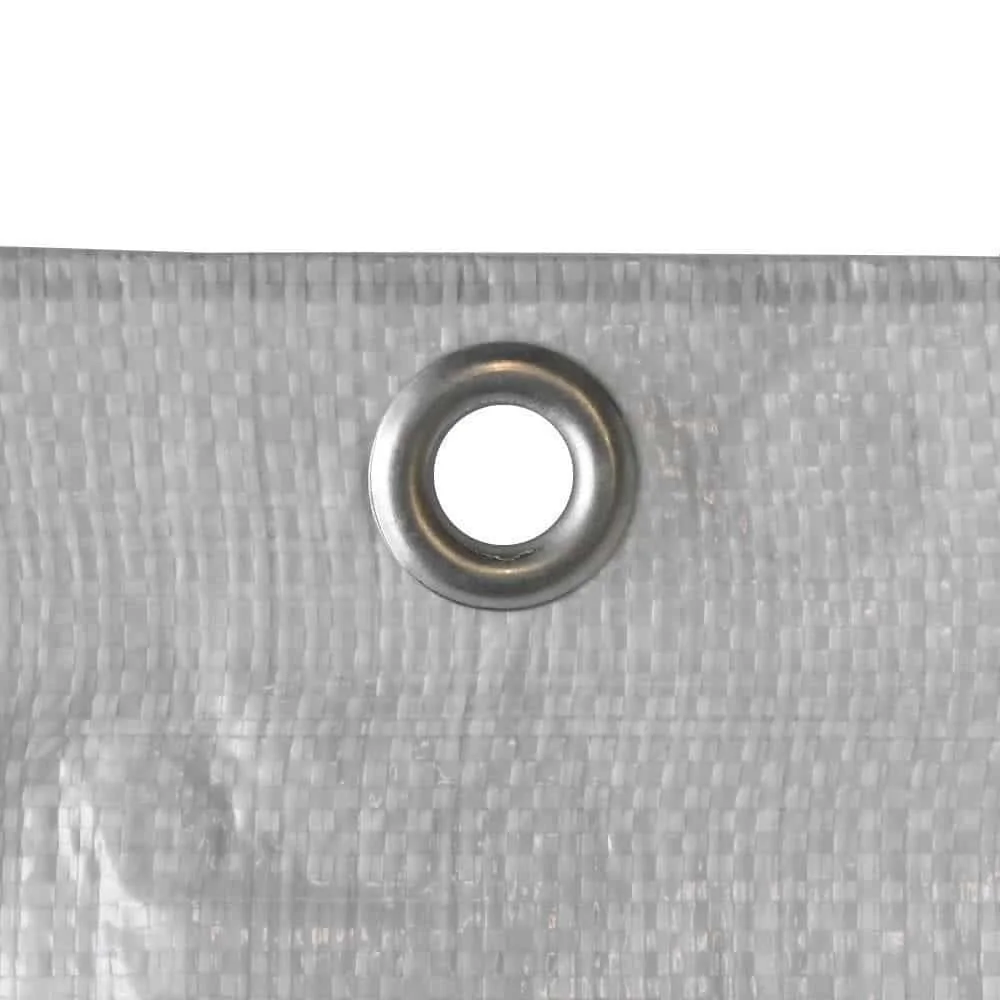
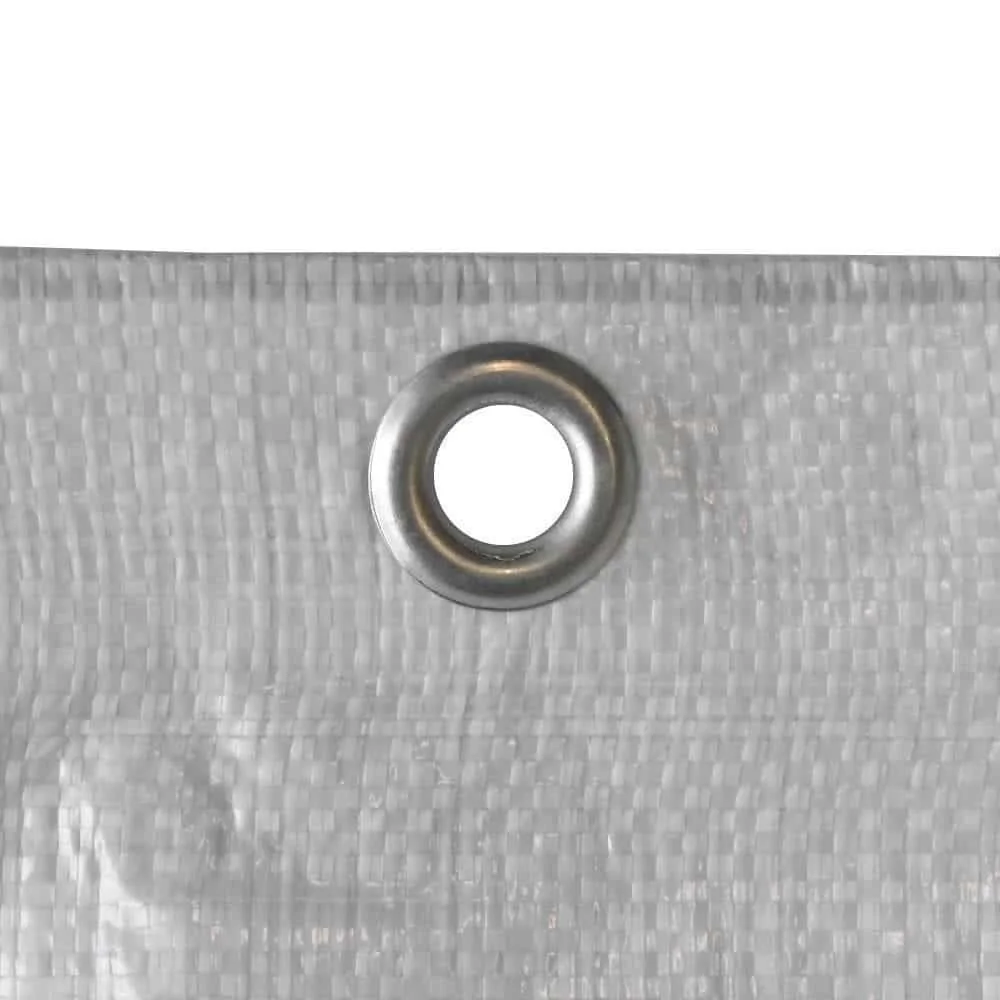
A high-quality sheet provides a solid foundation for any project. The Scaffold sheeting 2,60 x 10 m with 150 g/m² () offers the ideal combination of tear resistance and ease of handling for most standard scaffolds. Its reinforced edges and robust metal eyelets spaced 50 cm apart ensure secure attachment and a long service life.
Mistake 1: Using the wrong fasteners
The most common reason for scaffold sheeting to tear is choosing unsuitable fasteners. Thin cable ties, simple cords or weathered rope give way at the first strong gust of wind. The problem lies in the rigid connection. The wind pulls on the sheeting, and if the fastener cannot give, the entire force is concentrated on the eyelets. The result: the eyelets tear out, and the sheeting flaps and rips.
How can I identify unsuitable fasteners?
Poor-quality fasteners are often not UV-stabilised and become brittle in sunlight. They then break without warning. Rigid materials such as wire, or ropes that are too thin and non-elastic, are also unsuitable. They provide no buffer against wind loads and transfer the force directly to the sheet’s eyelets. Check the material for flexibility and visible signs of ageing such as cracks or discolouration.
A scaffold is only as strong as its weakest connection. With scaffold sheeting, that is often the fasteners. Cut corners here and you may end up paying twice over – for a new sheet and possible damage to the building.
Which alternatives are better?
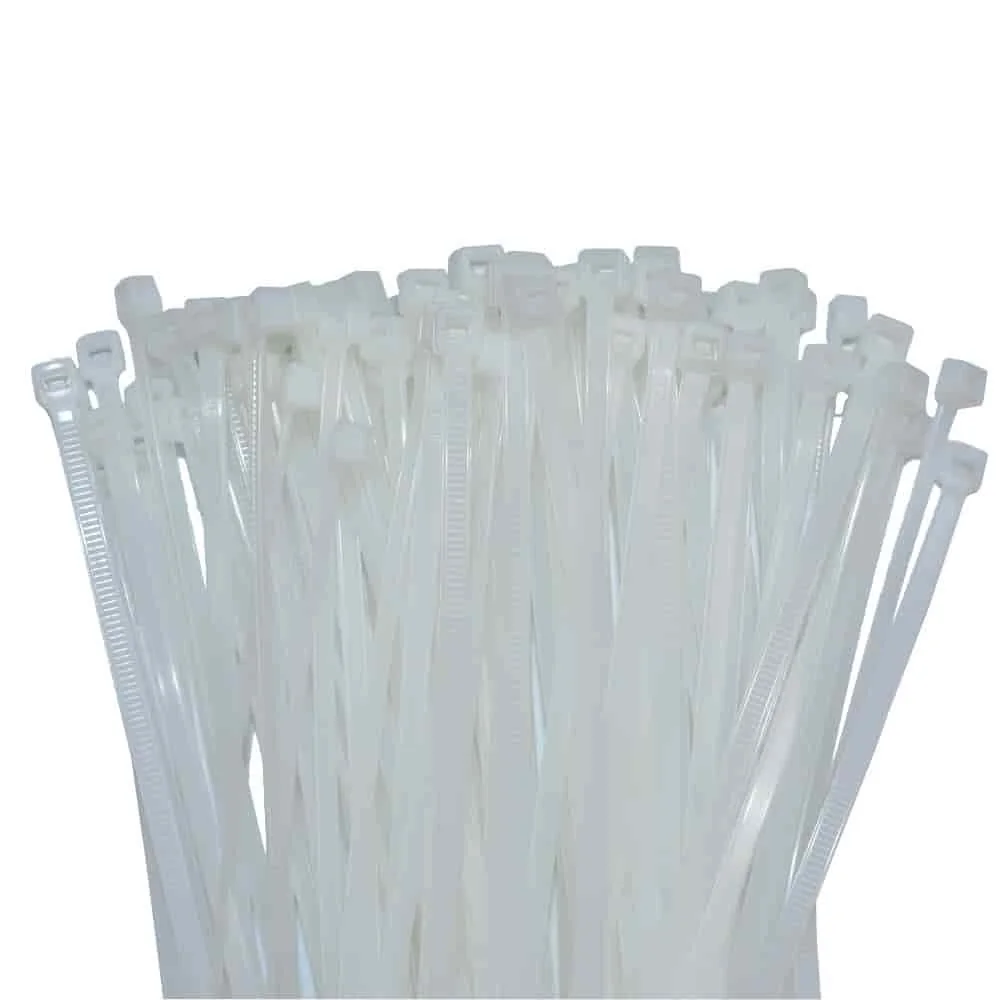
Invest in dedicated sheeting tensioners with hooks or ball ends. These elastic bungee cords absorb wind loads, stretch briefly and then pull the sheeting tight again. They act like shock absorbers and protect the eyelets from being torn out. For semi-permanent attachment, robust, wide and UV-resistant cable ties () are a good option, but they should not be tightened too much, so the sheeting has a little room to move.
Mistake 2: Tensioning the sheeting too loosely or too tightly
Getting the tension right is an art in itself. Both excessive and insufficient tension inevitably lead to problems. Correct tension is the key to maximising the service life of your sheeting and preventing damage.
Pro tip
After tensioning, tap the centre of the sheeting lightly. It should produce a dull, drum-like sound and spring back only slightly. If it forms waves or feels hard as a board, you need to adjust the tension.
What happens if the tension is too loose?
Scaffold sheeting that hangs too loosely is inflated by the wind like a sail. This constant beating and flapping, also known as whipping, causes noise and puts extreme strain on the material. Friction against the scaffold tubes gradually wears the sheeting through. Rainwater or snow can also collect in the resulting pockets, dramatically increasing the weight and potentially damaging the sheeting or even the scaffold. This mistake is one of the main causes of wind damage to scaffold sheeting.
What are the consequences of excessive tension?
The opposite, over-tensioned sheeting, is just as damaging. If you pull the sheeting tight with all your strength, it remains under constant high tension. The eyelets and the surrounding edges are subjected to maximum stress. If a gust of wind then strikes, there is no buffer left. The force directly causes the eyelets or the fabric itself to tear. Over-tensioned sheeting cannot absorb sudden load peaks. The rule is: tight, but not stretched to the limit.
Mistake 3: Ignoring the weather forecast
Scaffold sheeting provides weather protection, but it is not an invincible shield against the forces of nature. Installing it shortly before a forecast storm is grossly negligent. The large surface area of the sheeting acts like a sail and can transfer immense forces to the scaffold during gale-force gusts.
Important note
If a wind warning is issued (from wind force 8 Bft, approx. 62-74 km/h), you should always take down the scaffold sheeting or at least roll it up partially and secure it. Personal safety and the stability of the scaffold must take absolute priority.
How do I prepare scaffold sheeting for a storm?
When a storm is approaching, you have several options. The safest is to remove the sheeting completely. If that is not possible, release the lower and side fasteners and roll the sheeting up from bottom to top. Secure the roll firmly with ropes to the upper part of the scaffold. This drastically reduces the surface area exposed to the wind. After the storm, check all remaining attachment points before tensioning the sheeting again.
At what wind speed does it become critical?
From wind force 6 (strong wind, 39-49 km/h), you should already check the tension and fasteners on your sheeting. From wind force 7 (near gale), the load on the materials and scaffold becomes high. As mentioned above, conditions become critical from wind force 8. Take preventive action. It is better to roll up the sheeting once too often than risk complete loss or serious damage. The decision also depends on the quality of your sheeting and the stability of the scaffold. You can find a wide selection of robust tarpaulins + nets for different requirements in our shop.
Mistake 4: Choosing the wrong size or quality of scaffold sheeting
Not every sheet fits every scaffold. Incorrect sizing leads to compromises when securing it, which can cause problems later. The material quality must also suit the intended use.
How do I choose the right sheet size?
Measure the scaffold bay you want to cover precisely. Ideally, the sheet should be a few centimetres smaller than the distance between the scaffold poles so that it can be tensioned neatly. An oversized sheet will crease and cannot be secured tightly. Excess material flaps in the wind and quickly wears through. If the sheet is too small, gaps remain and compromise weather protection. For non-standard dimensions, alternatives include the narrower scaffold sheeting 2,10 x 10 m () or the wider scaffold sheeting 3,10 x 10 m 150 g/m² White ().
Additional advice
Planning to hang several sheets next to each other? Make sure they overlap by at least 20-30 cm and secure the overlapping edges together to prevent wind and rain from getting between the sheets.
What does the weight in g/m² mean for scaffold sheeting?
The basis weight, given in grams per square metre (g/m²), is a key quality feature. It indicates the thickness and tear resistance of the material. Lightweight sheets under 100 g/m² are only suitable for short-term use in good weather. For professional use on scaffolding, which often lasts several weeks or months, sheets weighing 150 g/m² to 250 g/m² are the right choice. They are more resistant to mechanical stress and UV radiation, helping to prevent the sheet from tearing. This type of material is part of the general site supplies needed on every building site.
Mistake 5: Improper storage and handling
The work is done, the sheet comes down – and is stuffed wet and dirty into a corner. This mistake drastically shortens the service life of an otherwise high-quality sheet. Mould, material fatigue and tears are the result.
How do I clean and dry scaffold sheeting properly?
Clean the sheet before storing it. Brush off coarse dirt while it is dry. Remove more stubborn dirt with water and a soft brush. Do not use harsh cleaning agents, as they can damage the protective coating and fabric. Then hang the sheet up fully to dry. It must be completely dry before storage; otherwise, mildew stains and mould can form and break down the material. A dry place in the Garden + Outdoor area, such as under a carport, is ideal.
Sunlight's UV rays are the greatest enemy of plastics. A sheet that is stored clean, dry and, above all, in the dark after use will retain its flexibility and tear resistance for years longer.
Roll or fold: Which is better for storage?
Rolling is always preferable to folding. Every sharp crease created by folding is a potential break point. The material is stressed at this point and can become brittle over time. Rolling the sheet loosely prevents these weak spots. Store the roll horizontally in a dry, dark and cool place. This means it is ready for use again immediately and helps prevent the scaffold sheeting from tearing before it is even back on the scaffolding.
Frequently asked questions
- How many fixing points does scaffold sheeting need?
- As a general rule, use every available eyelet for securing the sheet. This distributes the load evenly and minimises the risk of individual eyelets tearing out in the wind. In strong winds or with large sheets, additional fixings in the middle are often advisable.
- Can I repair torn scaffold sheeting?
- Yes, small tears can often be patched with special UV-resistant repair tape for tarpaulins. For larger areas of damage, especially around the eyelets, replacing the sheet is safer to ensure adequate protection and stability.
- Why does my scaffold sheeting have eyelets?
- The eyelets provide a secure and stable way to attach the sheet to the scaffolding. They are reinforced to absorb and distribute tensile forces. Without them, the sheet material would tear immediately at the fixing points under tension.
- Is more expensive scaffold sheeting always better?
- Not necessarily, but a higher price often correlates with a higher basis weight (g/m²) and better UV resistance. For long-term projects or harsh weather conditions, a more robust, heavier sheet is the better and safer investment.
- What is the best way to tension scaffold sheeting on my own?
- Attaching a large sheet on your own is difficult and not recommended for safety reasons. Always work in pairs. This allows you to hold the sheet securely and control and adjust the tension evenly from both sides.
You may also be interested in
- How to attach scaffold sheeting properly: Protect your building site
- Scaffold sheeting vs. construction fence sheeting: Which is better for your project?
- Scaffold sheeting 150 g/m²: When it is the perfect choice
- How to attach privacy screening: The 5 most common mistakes
- How to clean and care for scaffold sheeting: Keep it white and durable
- Ground anchors coming loose? The 5 most common mistakes and how to avoid them