
In brief: The right way to store fruit and vegetables depends on their specific needs. Pome fruit such as apples and pears prefers cool, dark and slightly humid conditions, such as in a cellar. Root vegetables such as carrots and beets are best stored in sand-filled crates. Tomatoes and zucchini do not belong in the refrigerator. Keep ethylene producers such as apples separate from ethylene-sensitive vegetables such as cabbage.
How Should I Store Fruit and Vegetables?
Harvesting from your own garden or buying seasonal produce at the market is a real treat. To enjoy these flavors for as long as possible, proper storage is essential. Incorrect storage destroys flavor, vitamins and texture. We show you how to keep apples, pears, root vegetables and more fresh for as long as possible with a few simple steps.
Understanding the Basics of Food Storage
Every fruit and vegetable has its own needs. Successful food storage depends on meeting them. Three factors are key: temperature, humidity and ventilation.
Most storage apples and classic winter vegetables such as cabbage and root vegetables need temperatures just above freezing. Humidity should be high for these varieties to prevent them from drying out. Too little air circulation, however, can lead to mold.
A cool, dark and well-ventilated cellar with a humidity level of 80-90 percent remains the ideal place for traditional winter storage of vegetables and pome fruit.
The Ideal Storage Location: From Cellar to Pantry
Not everyone has a perfect root cellar. But a cool, dark storage room, a frost-free garage or an insulated room in the house can also work. The temperature should stay as constant as possible. Check it regularly with a thermometer and hygrometer.
For some types of fruit and vegetables, the refrigerator is the best choice. Store delicate berries, lettuce and most leafy vegetables there. Keep in mind that the crisper drawer has the highest humidity.
Important note
Never store potatoes, onions or garlic in the refrigerator. Cold temperatures convert starch into sugar and negatively affect flavor and texture. Potatoes also develop the toxic compound solanine when exposed to light.
How Should I Store Fruit?
Not all fruit is the same. Stone fruit such as cherries has different storage needs from pome fruit or tropical fruit. Managing ethylene, the gas that helps fruit ripen, is key to successful storage.
Pome Fruit: Enjoy Apples and Pears for Months
When storing apples and pears, choose only flawless, undamaged fruit with stems. Remove any bruised fruit right away. Place each piece separately, with space between them, on clean wooden shelves or in shallow crates. A regular check prevents one rotten piece of fruit from spoiling the others.
Apples release a lot of ethylene during storage. Store them separately or use this effect deliberately to ripen firm fruit. For long-term storage, apples and pears belong in the coolest, most humid part of your cellar.
Pro tip
Place apples in perforated plastic bags. This keeps the humidity around the fruit high, while the perforations allow enough air exchange to help prevent mold. The apples stay crisp for weeks.
Stone Fruit and Berries: How to Handle Perishable Produce
Store peaches, nectarines and plums at room temperature until they are ripe. After that, refrigerate them for a few days. Berries such as raspberries and strawberries bruise easily. Spread them out unwashed in a single layer on a plate and refrigerate them right away.
For long-term storage, these fruits are best frozen or canned. Consider preserving some of your fruit harvest this way.
The shelf life of fruit is primarily determined by its respiration rate. The higher the rate, the faster it loses moisture and vitamins. Cool storage significantly reduces the respiration rate.
The Art of Storing Vegetables
Vegetables often keep longer than fruit when you understand their needs. Root vegetables are remarkably resilient, while fruiting vegetables such as tomatoes need special care.
Root Vegetables: Store Carrots, Celery and Beets in Sand
The traditional method still works well: Fill a crate with slightly damp sand. Place the vegetables inside individually, without letting them touch. The sand does not draw out moisture; instead, it keeps humidity steady and protects the vegetables from light. Place the crate in a cool cellar.
Alternatively, you can pack the vegetables in perforated plastic bags. Here too, use only flawless, undamaged produce. Twist off leafy tops such as those on carrots rather than cutting them off, to avoid injuring the root.
Additional advice
Always store beets separately from other vegetables. They release their color and stain everything nearby. This separation is essential for successful vegetable storage.
Cabbage Varieties and Onions: Hanging and Dry Conditions
Green cabbage, red cabbage and savoy cabbage can be stored for a long time as whole heads. Wrap them individually in newspaper and place them on wooden shelves. Alternatively, hang them by their stems in an airy location.
Onions and garlic need to be thoroughly air-dried before storage. Then braid them into strings or place them in mesh bags. The storage location must be dry, airy and dark. High humidity will cause them to sprout again.
Important Don'ts: What to Avoid When Storing Produce
Common mistakes can dramatically shorten the shelf life of food you have carefully grown or purchased. Be sure to follow these points.
Never leave sweaty or wet fruit in its packaging. Wipe it dry and store it uncovered or in breathable containers. Avoid direct contact with a cold concrete cellar floor, for example by placing produce on wooden pallets.
The most important rule: Never wash fruit and vegetables before storage. This destroys their natural protective coating and leaves them vulnerable to mold spores and bacteria. Always wash produce immediately before eating.
Products to support proper storage
Proper storage starts with growing your produce. You can harvest healthy, robust plants when you supply them with the right nutrients. An nourishes your fruit trees naturally and helps produce fruit suitable for storage.

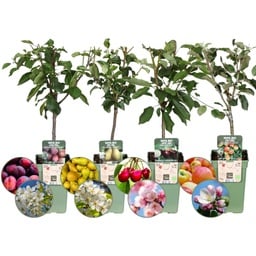
Planning a new orchard? An gives you four different organic fruit trees to start an orchard and enjoy abundant harvests you can store using our tips.
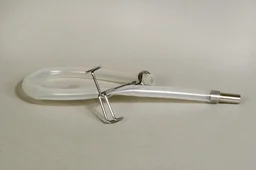
If you would rather process surplus fruit right away than store it, a juicer is a good choice. A is the right accessory for a steady flow of juice and helps prevent waste.
Regular checks: The key to long-term success
Stock up for winter, but remember to check your supplies. Plan to inspect them weekly. Remove anything that is getting soft, moldy or rotten right away. One rotten potato or a shriveled apple can make an entire crate inedible.
Use these checks to review your storage conditions, too. Is the air too dry? Is condensation forming? Adjust conditions with damp cloths or better ventilation. Good storage takes regular attention.
With this knowledge and a little practice, you can store your harvest successfully. You’ll be able to enjoy it for longer, become more self-sufficient and reduce food waste. Browse our Garden + Outdoor range for everything you need to grow and harvest your own produce.
Frequently asked questions
- Why do apples go soft in the root cellar?
- Apples usually go soft in the root cellar because the air is too dry. The ideal humidity for storage is 80-90%. You can increase humidity by lightly dampening the floor or placing bowls of water in the room. Apples should also be stored undamaged, with their stems attached and without being packed too tightly.
- Can I store potatoes and onions together?
- No, potatoes and onions should be stored separately. Onions release moisture, which can cause potatoes to sprout or rot prematurely. Store onions in a dry, well-ventilated, dark place. Potatoes need a cool, completely dark place to prevent poisonous solanine from forming.
- Which vegetables should not be stored in the refrigerator?
- Tomatoes, zucchini, eggplant and peppers lose flavor in the refrigerator and develop a mealy texture. Basil and potatoes should not be refrigerated either. Instead, store these foods at a cool room temperature, in the dark and away from ethylene-producing fruit.
- How long will stored root vegetables keep?
- When stored correctly, carrots, beets, parsnips and celeriac will keep for several months. Constant temperatures just above 0°C, high humidity and protection from light are essential. Wrapped in slightly damp sand or stored in perforated plastic bags in the root cellar's vegetable compartment, they stay crisp for a long time.
- What is ethylene ripening gas, and why is it important?
- Ethylene is a natural plant hormone that speeds up ripening. Apples, pears and bananas produce a lot of it. If they are stored next to ethylene-sensitive foods such as cabbage, lettuce or carrots, those foods will wilt or turn yellow more quickly. Always store these groups separately.
You may also be interested in
- How to organize your fridge: Keep fresh food fresher for longer
- How to harvest and store apples for long-lasting freshness
- Preserving and canning: How to make food last longer
- Freezing food: How to keep your supplies fresh for longer
- Preserving your harvest: How to stock your pantry
- How to preserve homemade food for lasting freshness