
In brief: Tomato plants usually break because of heavy fruit, strong winds or weak stems. Support them early with stakes, spirals or special plant supports such as tomato anchors. Tie stems loosely and check the supports regularly to prevent damage.
You’ve cared for your tomato plants for weeks. The first fruits turn red and grow heavy. Then it happens: A strong gust of wind or the weight of the harvest makes a main stem bend and break. It’s disappointing, but it doesn’t have to happen. With the right approach and suitable supports, you can keep your plants stable and protect your harvest.
The key to healthy, high-yielding tomatoes is a sturdy support that keeps pace with the plant from the start. Don’t wait until it begins to lean. Support it early.
A gardener plans ahead. Support the plant before it falls to the ground. That can make the difference between a good harvest and a great one.
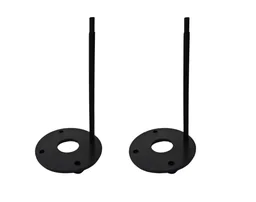
A particularly clever solution for heavy fruit clusters is the tomato anchor. This small but effective tool hooks onto the main stem or a plant stake. Its curved shape supports the fruit stem from below, helping prevent it from bending and breaking. It distributes the weight and eases the strain where the plant needs it most. The stem stays intact, and the fruit can keep growing undisturbed until it’s ripe.
Why do tomato plants break?
Tomato stems can break for several reasons. Once you know the causes, you can take steps to prevent it. The plant puts its energy into producing juicy fruit, but the weight of that crop can quickly become a problem.
The weight of the fruit
The most common cause is the weight of the fruit. A single cluster with five to ten large beefsteak tomatoes can quickly weigh more than one kilogram. This puts strain on the point where the cluster joins the main stem. The joints where side shoots branch off are especially vulnerable. Without support, the plant tissue can give way, causing a stem to bend or break off completely.
Wind and weather
Even a moderate breeze can make a tall, heavily laden tomato plant sway. A sudden gust or heavy rain adds weight to the leaves and fruit, creating a lever effect. This puts much more strain on the stems and shoots and can cause a break at the weakest point.
Weak plant structure
Some tomato plants are naturally less sturdy than others. A lack of nutrients, especially calcium, can weaken cell walls. The plant becomes less stable and more prone to breaking. Rapid growth from too much nitrogen fertilizer can also produce soft, flexible stems that struggle to support the fruit later on.
How can I tell if a tomato plant needs support?
A tomato plant shows clear signs when it needs support. Watch for these signs and step in before it’s too late.
Bending stems are a clear warning. If the main stem or strong side shoots develop a pronounced curve instead of growing straight up, the plant may already be carrying too much weight. Fruit clusters hanging sharply downward and pulling on the stem also need support right away.
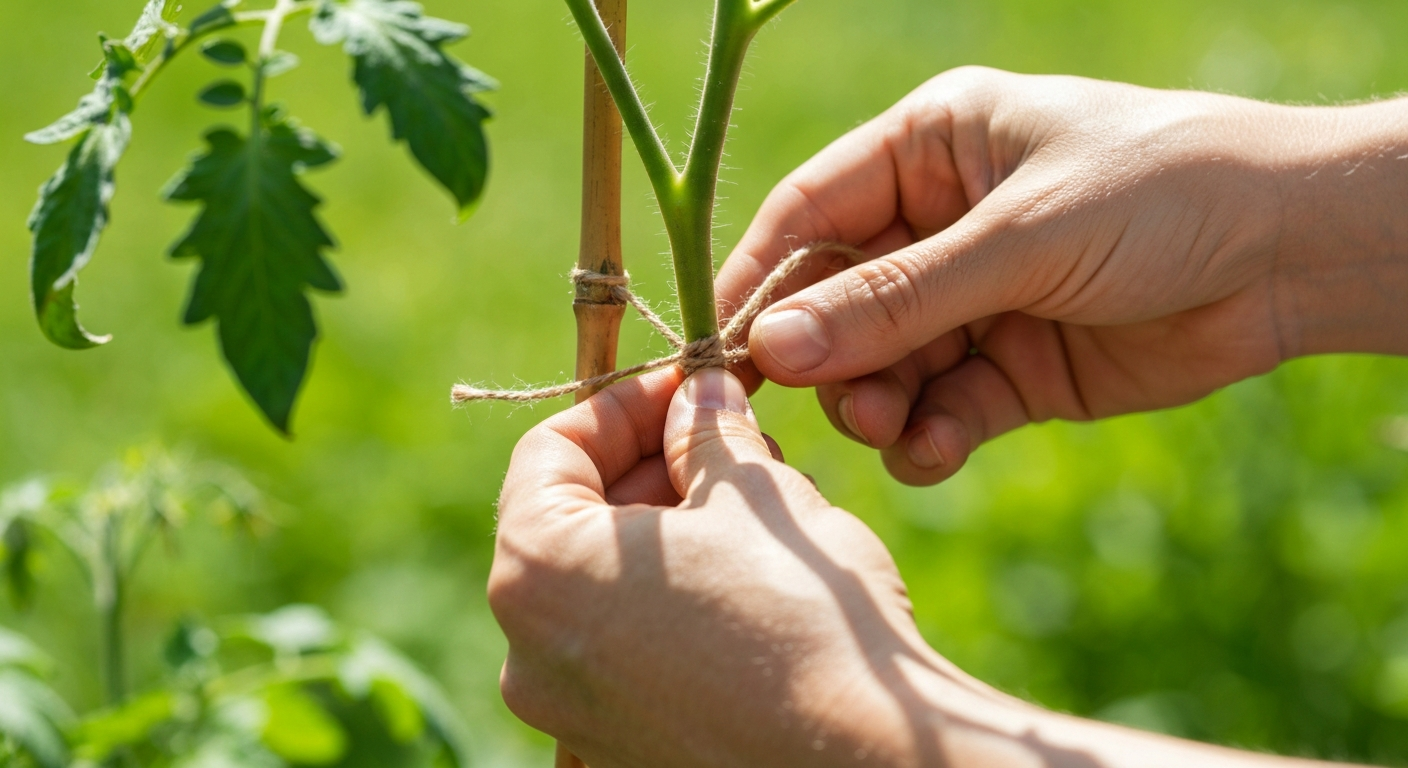
Check the stems regularly, especially where branches fork. Fine, pale cracks in the tissue can indicate severe strain and an imminent break. Add support straight away. The sooner you act, the easier it is to stabilize the plant and prevent damage.
Important note
Never tie stems too tightly. Tight wire or hard string can cut into a growing stem. This can interrupt the flow of sap and create openings for disease. Always use a loose loop that leaves room for the plant to grow.
What are the best ways to support tomato plants?
There are many tried-and-true ways to support tomato plants. The right option depends on the variety, growing location and your preferences. From classic stakes to newer systems, there’s a suitable solution for every garden.
Classic tomato stakes
A stake made of wood, bamboo, metal or plastic is a classic choice. Push it into the soil right beside the young tomato plant when you plant it. As the plant grows, tie the main stem to the stake at regular intervals, leaving a loose loop.
Pros and cons of tomato stakes
Stakes are inexpensive, easy to install and space-saving. They’re ideal for indeterminate tomatoes grown as single-stem plants. The downside is that you have to tie the plant to the stake yourself. If you forget, the stem can still bend and break. Stakes also don’t directly support side shoots carrying heavy fruit.
Tomato spirals
Metal tomato spirals are a simple upgrade from classic stakes. They give the plant continuous support as it grows. Just guide the main stem around the spiral. You usually won’t need to tie it in place.
When are tomato spirals the best choice?
Spirals are a good choice if you want to avoid tying the plant up regularly. They work best with indeterminate tomatoes that produce moderately sized fruit. With very heavy beefsteak tomatoes or bushy varieties, a spiral alone may not provide enough support.
Trellises and espaliers
A trellis or espalier provides a wide support structure. Weave the main stem and side shoots through the mesh, or tie them to it. This method allows good airflow around the plant and helps distribute sunlight evenly.
This option works well on balconies or against walls where several plants grow in a row. It makes good use of vertical space. Setting it up takes a little extra work at first, but a trellis can provide sturdy, long-lasting support throughout the season.
Regularly removing side shoots helps strengthen the main stem. The plant can focus its energy and develop stronger cell structures, lowering the risk of breakage from the start.
Targeted support with a tomato anchor
Sometimes the problem isn’t the main stem but a single, especially heavy fruit cluster. That’s where specialist supports such as the tomato anchor can help. You don’t need to secure the whole plant again; just add support where it’s needed. Hook the anchor onto the stake or main stem, then position its open loop gently under the fruit stem. The weight transfers directly to the support, helping keep the stem secure.
How do I stabilise tomato plants in pots or containers?
Growing tomatoes on balconies and patios is becoming increasingly popular. However, keeping plants stable in containers can be a particular challenge. Limited root space provides less support, and pots can easily tip over in the wind.
Choose a heavy, stable pot from the outset. Special planters such as the Tomato growing pot \"Grow 1\" or the larger Tomato growing pot \"Grow 2\" are ideal for this purpose. They often feature integrated supports or fittings for securely anchoring stakes and trellises. This allows the pot and support to form a stable unit.
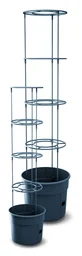
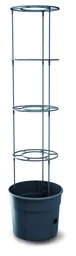
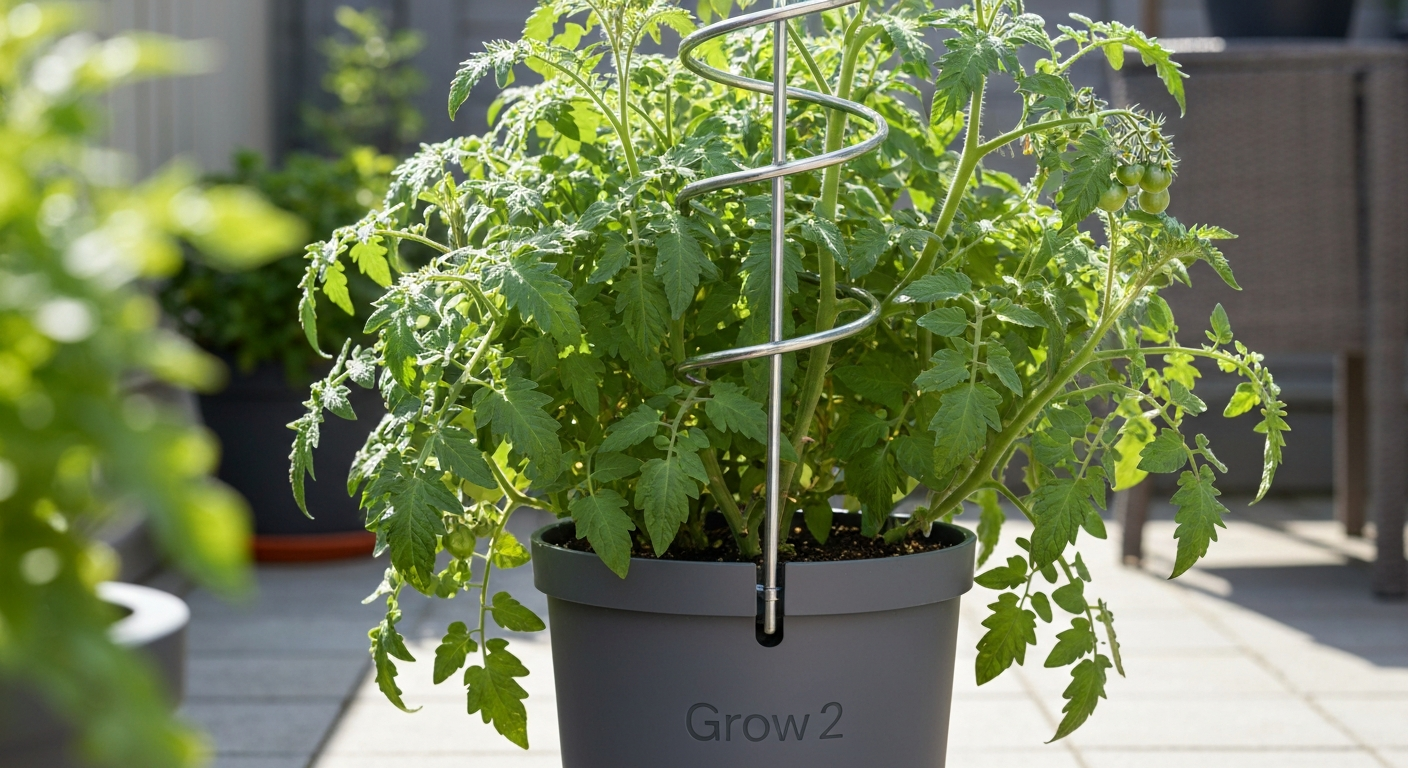
Shorter stakes, small trellises or spiral supports work especially well for container-grown tomatoes. Make sure to anchor the support as deeply and firmly as possible in the pot. For tall plants in exposed, windy locations, it may also be a good idea to secure the pot or place it in a sheltered corner.
Additional advice
After strong winds, always check that the support structure for container-grown plants is stable. Sometimes a stake comes loose in the soil. Simply press it firmly back into place to keep the plant supported.
Additional care tips for strong and stable tomato plants
A good support structure is only half the solution. With the right care, you can build a strong and resilient plant from the inside out. A comprehensive approach helps secure your harvest throughout the Garden + Outdoor range.
Remove suckers for greater stability
Removing suckers—the small shoots that grow in the leaf axils—is essential for indeterminate tomatoes grown on a single stem. This allows the plant to focus its energy on the main stem and fruit production. The main stem becomes thicker and stronger, helping it support the weight of the fruit. Less foliage also improves air circulation and helps prevent fungal diseases.
Nutrients for strong cell walls
A balanced supply of nutrients is the foundation of a stable plant. Choose a fertilizer with plenty of potassium and calcium. Potassium regulates the plant's water balance and strengthens its tissue, while calcium is an essential building block for strong cell walls. A good supply helps prevent blossom-end rot and makes stems less brittle.
Expert tip
Old nylon stockings or strips cut from worn-out T-shirts are perfect for tying up plants. They are soft and stretchy, and they expand with the plant without cutting into it. Always tie the string in a figure-eight loop: once around the stake and once around the stem. This prevents rubbing and slipping.
Consistent watering
Irregular watering stresses the plant. Extreme swings between dry and wet conditions can cause fruit to split and weaken plant tissue. Keep the soil evenly moist. A well-planned Plumbing + Irrigation solution, such as drip irrigation, keeps the soil consistently moist without wetting the leaves.
By providing the right support early on and strengthening your plants with targeted care, broken stems can become a thing of the past. This protects your valuable harvest and promotes the health and vitality of your tomato plants throughout the season.
Frequently asked questions
- When should I start supporting my tomato plants?
- Start supporting your plants when they are around 20-30 cm tall and begin to develop their first suckers. Early support helps prevent the plant from growing crooked and avoids damage later, when the fruit gets heavier. Don't wait until the plant is already drooping.
- Can you save a broken tomato stem?
- Yes, it's often possible to save it. If the stem is only cracked, splint the damaged area with two small sticks and wrap it firmly with tape. If suckers break off completely, place them in water. They often develop new roots and can be replanted as cuttings.
- What is the best material for tying up tomatoes?
- Use soft, elastic materials that won't cut into the stem. Plant ties, jute tape, strips of old T-shirts or nylon stockings are ideal. Avoid thin wire or hard plastic, as these can damage the plant as it grows or moves in the wind.
- How often should I check tied tomato plants?
- Check the ties at least once a week. Tomatoes grow quickly, and their stems get thicker. Ties that are too tight can restrict growth and strangle the plant. Loosen or reposition the ties as needed to give the plant enough room.
- Are tomato spirals better than stakes?
- Tomato spirals are a good alternative because you can simply wind the stems around them, usually without needing additional ties. They work well for indeterminate tomatoes. However, for very heavy varieties or exposed, windy locations, a traditional stake with secure ties may provide more support.
You may also be interested in
- Thinking of buying tomato anchors? Your guide to stable tomato plants
- Growing tomatoes upside down: The space-saving growing method
- How to prune tomato plants for a bountiful harvest
- Build your own tomato greenhouse: How to protect your harvest
- Growing tomatoes: The complete guide to a bountiful harvest
- Hardening off tomato plants: Strong plants for a bountiful harvest