
In brief: Hold the brush of the long-handled dustpan and brush loosely with both hands and keep the handle at a slight angle. Use short, controlled sweeping movements to guide dust and dirt into a pile. Position the dustpan's rubber lip firmly on the floor to pick everything up completely.
Quick sweeping is part of everyday life at home, in the workshop and in the garden. However, constantly bending over to use a small hand brush and dustpan can put strain on your back and is often inefficient. A long-handled dustpan and brush solves this problem elegantly. It allows you to maintain an upright posture and makes cleaning faster and more comfortable. With the right technique, you can turn a tiresome chore into a quick and effective task.
Success depends not only on the tool itself but also on how you use it. The right posture, the correct sweeping movement and a well-planned approach determine whether dust and dirt end up in the pan or simply get stirred into the air. This guide shows you how to use your dustpan and brush correctly and get the most out of this practical helper.
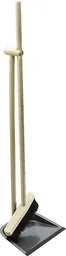
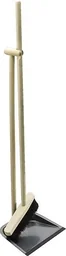
A great example of thoughtful design is the long-handled dustpan and brush "Faule Grete" (). With an overall height of 97 cm, it is ideal for most users and avoids strenuous bending. The brush can be attached to the dustpan handle, allowing the set to be stored compactly and upright. The rubber lip on the dustpan ensures that even the finest dust is picked up reliably.
Why a Long-Handled Dustpan and Brush Is the Better Choice
The most obvious advantage of a long-handled dustpan and brush is its ergonomic design. Instead of crouching down or hunching your back, you can stay upright. This protects your spine, knees and hip joints. The difference is especially noticeable if you sweep frequently or already have back problems. You work more comfortably and actively prevent tension and pain.
Efficiency is another key benefit. With a long handle, you have greater reach and can clean areas faster. The workflow is smoother: sweep, collect the dirt and keep going. Without the interruption of bending down and standing up, you save time and energy. This is particularly useful in larger areas such as workshops, garages or patios, where durable commercial supplies are also used.
Hygiene also benefits. You stay farther away from stirred-up dust and dirt. A long-handled dustpan lets you empty the pan directly over the trash can without having to bend deeply over it. Many models also have an integrated cleaning edge on the dustpan, which you can use to remove hair and lint from the brush bristles.
An ergonomic workplace starts with the simplest tools. A long-handled dustpan and brush is a small investment that can have a major impact on your health and daily motivation at work.
How Should You Hold the Brush of a Long-Handled Dustpan and Brush?
Using the brush correctly is essential for a clean result and a healthy posture. It is not about applying force but about using the right technique. A tense grip or incorrect posture quickly causes fatigue and leads to a less effective cleaning result.
The Right Posture When Sweeping
Stand upright but relaxed. Your feet should be about shoulder-width apart to provide a stable stance. Keep your back straight and your knees slightly bent. The sweeping movement should come primarily from your arms and a slight rotation of your upper body, not from bending your entire torso back and forth.
Hold the brush handle with both hands. One hand grips the top of the handle while the other guides the brush lower down. This two-handed grip gives you maximum control and allows you to apply force evenly. Change your hand positions from time to time to avoid putting strain on one side of your body.
Additional advice
Make sure the handle is the right length. When standing upright, the handle should reach approximately to your chest. Taller users may therefore benefit from a higher model such as the 107 cm long-handled dustpan and brush "Faule Grete" (
).
The Best Angle for the Brush on the Floor
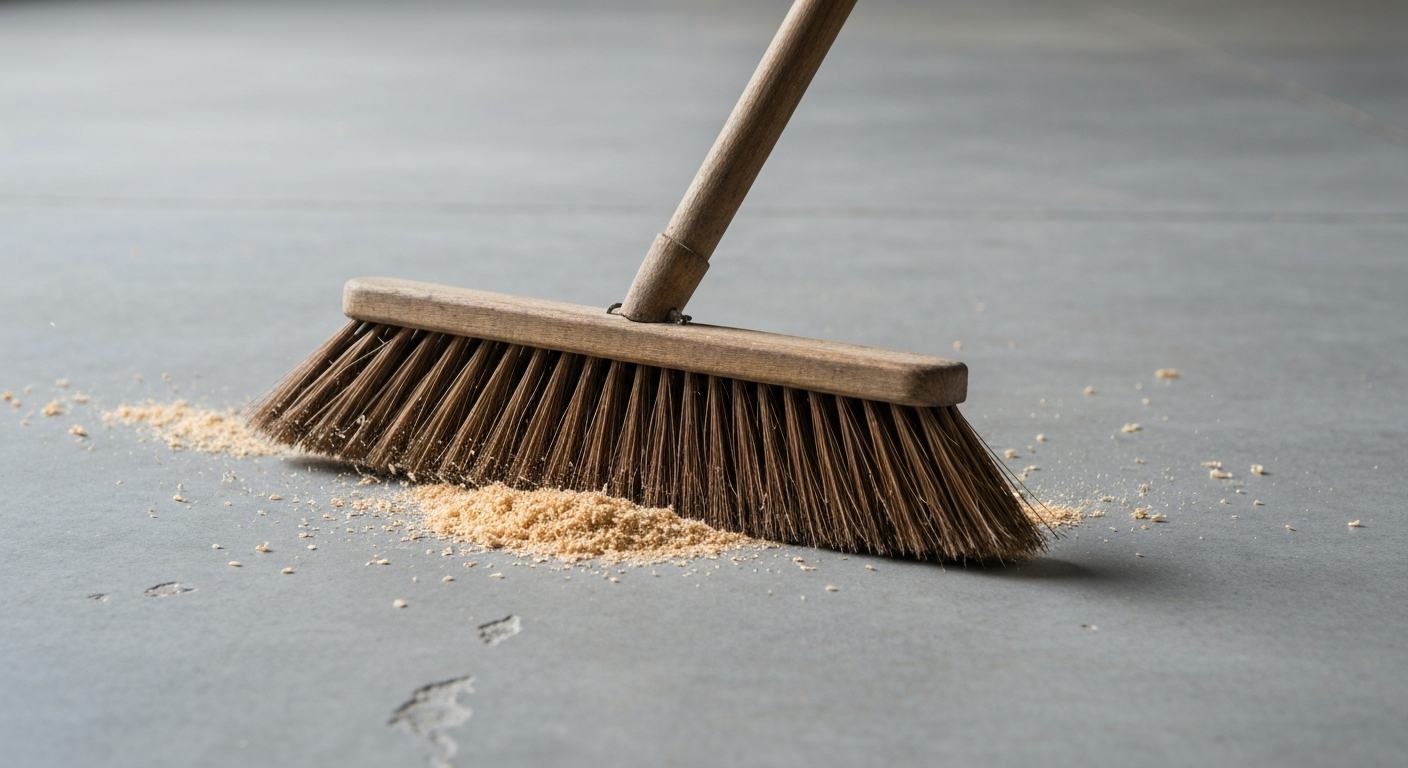
The angle at which the bristles meet the floor has a significant effect on the cleaning result. Do not hold the brush handle too steeply or too flat. An angle of around 45 to 60 degrees is ideal. In this position, the bristles have the best contact with the floor and can push dirt effectively ahead of them instead of passing over it or stirring it up.
Do not press down too hard. Light, even pressure is enough. Too much pressure bends the bristles excessively, shortening their lifespan and causing fine dust to remain on the floor. Let the bristle tips do the work.
What is the most effective way to sweep dust and dirt together?
Effective sweeping is about more than simply sweeping back and forth. With a systematic approach, you can quickly and thoroughly collect dirt in one place, ready to be picked up. This saves time and prevents you from having to clean areas you have already swept.
The "outside-in" technique
Always start at the edges of the room, along the walls and under furniture. Sweep the dirt from there towards the centre of the room. Work systematically from one corner to the next. This ensures that no area is missed.
Use short, controlled sweeping strokes. Long, sweeping movements may look dynamic, but they mainly stir up dust. Short, overlapping strokes push the dirt along in a controlled way. Create one or more small piles in the centre of the room, which you can then easily pick up.
Top tip
For very fine dust on smooth floors, a simple trick can help: briefly rub the broom's plastic bristles against a clean plastic bag. The static charge this creates attracts even the finest dust particles and hairs like a magnet and holds them on the bristles.
Dealing with different floor types
Not every floor is the same. Adjust your technique to suit the surface.
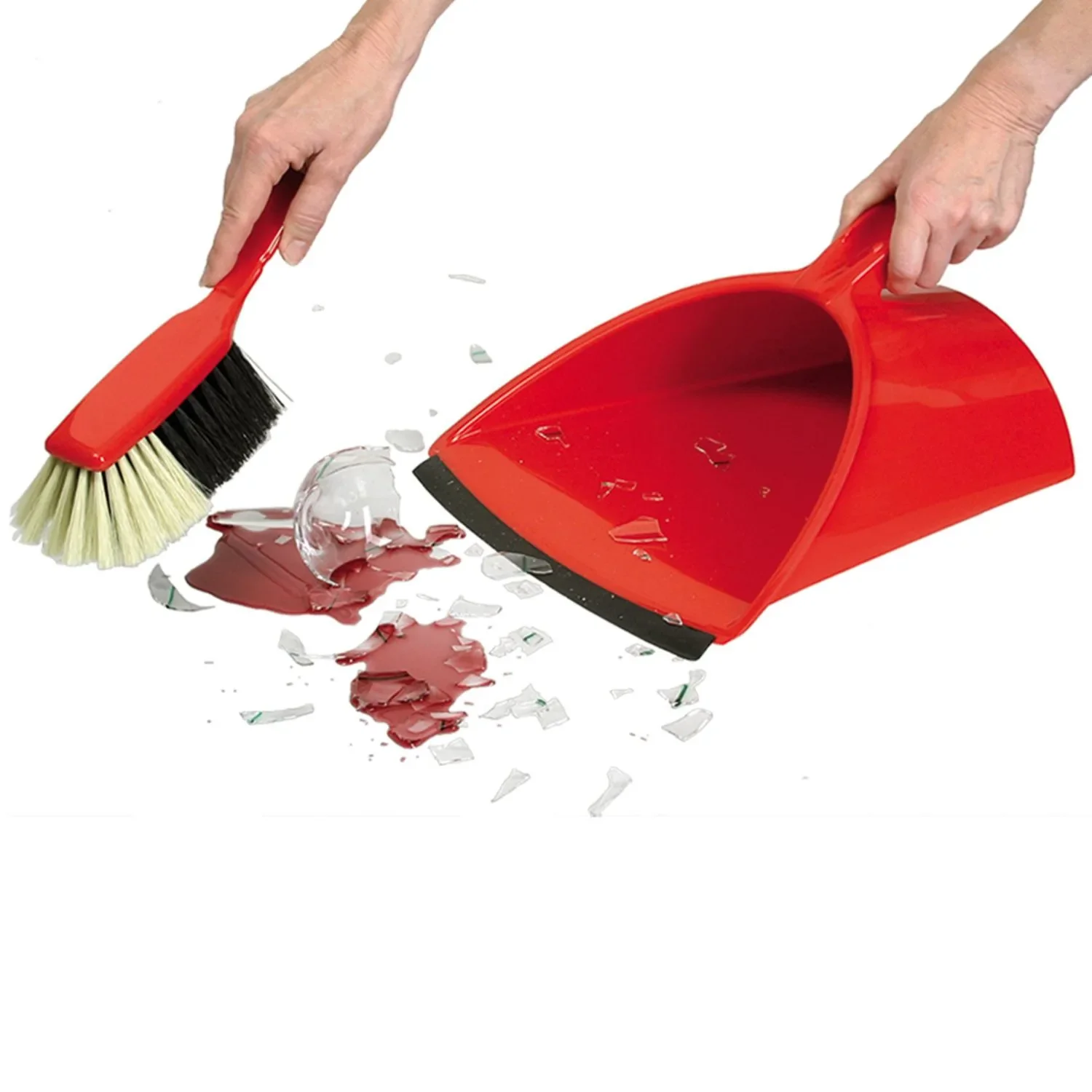
- Smooth floors (tiles, laminate, vinyl): Soft bristles work best here. Short strokes prevent dirt from skittering across the smooth surface. The rubber lip of the dustpan is particularly important here for creating a clean edge.
- Wooden floors: Always sweep in the direction of the wood grain. This helps you remove dust and crumbs effectively from the fine grooves and joints.
- Rough floors (concrete, screed, stone slabs): In the workshop or in the Garden + Outdoor area, you need sturdier bristles. A little more pressure is fine here to loosen stuck-on dirt. A Dustpan and Brush Set - Jumbo, Profi Gastro () is often the better choice for this type of heavy-duty work.
When the dirt is wet or fine shavings are mixed with oil residue, every broom reaches its limits. In such cases, an 18 V Wet and Dry Vacuum WNTS, without battery and charger (
) is the ideal addition for a deep clean.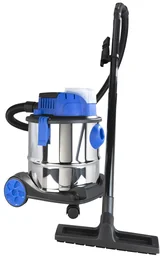
How can you recognise a good long-handled dustpan and brush set?
The quality of a dustpan and brush set is evident in the details. A good model is more than just a broom with a long handle; it is a well-designed system that makes the job easier.
Pay attention to the bristles. Split-ended bristles are softer and pick up fine dust more effectively, while firm, unsplit bristles are more durable and better suited to coarse dirt. The handle material is also important. Lightweight materials such as aluminium are comfortable to use, while steel or sturdy plastic provide durability.
The dustpan is the centrepiece. A soft, flexible rubber lip along the front edge is essential. It adapts to the floor and prevents a fine line of dust from being left behind. A generous dustpan capacity means fewer trips to the bin. Models where the dustpan closes automatically when set down prevent the collected dirt from falling out again.
In our workshop, time is money. A reliable and fast cleaning tool such as a professional dustpan and brush set helps keep the workplace safe and clean without interrupting operations for long.
How should you clean and maintain your dustpan and brush set?
To ensure your long-handled dustpan and brush set remains a reliable helper for a long time, it needs a little basic care. A dirty broom does not clean; it simply spreads the dirt around again. Regular maintenance preserves its performance and hygiene.
Remove hair, fluff and coarse dirt from the bristles after every use. Many dustpans have a serrated edge for this purpose, allowing you to pull the broom across it. Alternatively, you can comb out the bristles with a coarse comb or by hand.
Wash the broom head and dustpan regularly with warm water and a little mild soapy water. This is particularly important if you have swept up sticky or damp substances. Rinse everything thoroughly and allow it to air-dry completely before putting it away. Hang the broom up to dry so that the bristles retain their shape.
Important note
Avoid aggressive cleaning products or high temperatures, as these can damage the plastic bristles or the rubber lip of the dustpan. Do not store the set in direct sunlight, to protect the material from becoming brittle.
Common sweeping mistakes and how to avoid them
Even sweeping has its pitfalls, which can worsen the result or make the work unnecessarily tiring. Here are the most common mistakes and their solutions:
- Using too much momentum: Fast, wide movements stir up more dust than they collect. Solution: Use short, deliberate strokes towards you.
- Using the wrong broom for the floor: A coarse broom on delicate parquet flooring can cause scratches. Solution: Choose bristles that suit the surface. Soft for indoors, hard for outdoors.
- Ignoring corners and edges: Dirt tends to collect in corners and along skirting boards. Solution: Use the narrow side of the broom to sweep deliberately into corners before tackling the larger area.
- Using dirty tools: A dirty broom can spread dirt and grease marks, for example in the Plumbing + Irrigation area after a repair. Solution: Clean your dustpan and brush set regularly.
By following these simple principles, sweeping with a long-handled dustpan and brush set becomes a quick, ergonomic and satisfying task. You can keep your home and workshop clean with ease while protecting your back.
Frequently Asked Questions
- How can I avoid the line of dust often left behind when sweeping?
- Press the rubber lip of the dustpan firmly against the floor. Sweep the last bits of dirt directly onto the dustpan with a short, quick movement instead of slowly sweeping over them. Applying a little pressure to the dustpan with your foot can also help.
- Can I use a long-handled dustpan and brush set outdoors?
- Yes, most models are sturdy enough for use on a balcony, patio or in the garage. Look for firm bristles when dealing with coarse dirt. After using the set outdoors, clean it before using it inside the house again.
- What is the best way to store a long-handled dustpan and brush set?
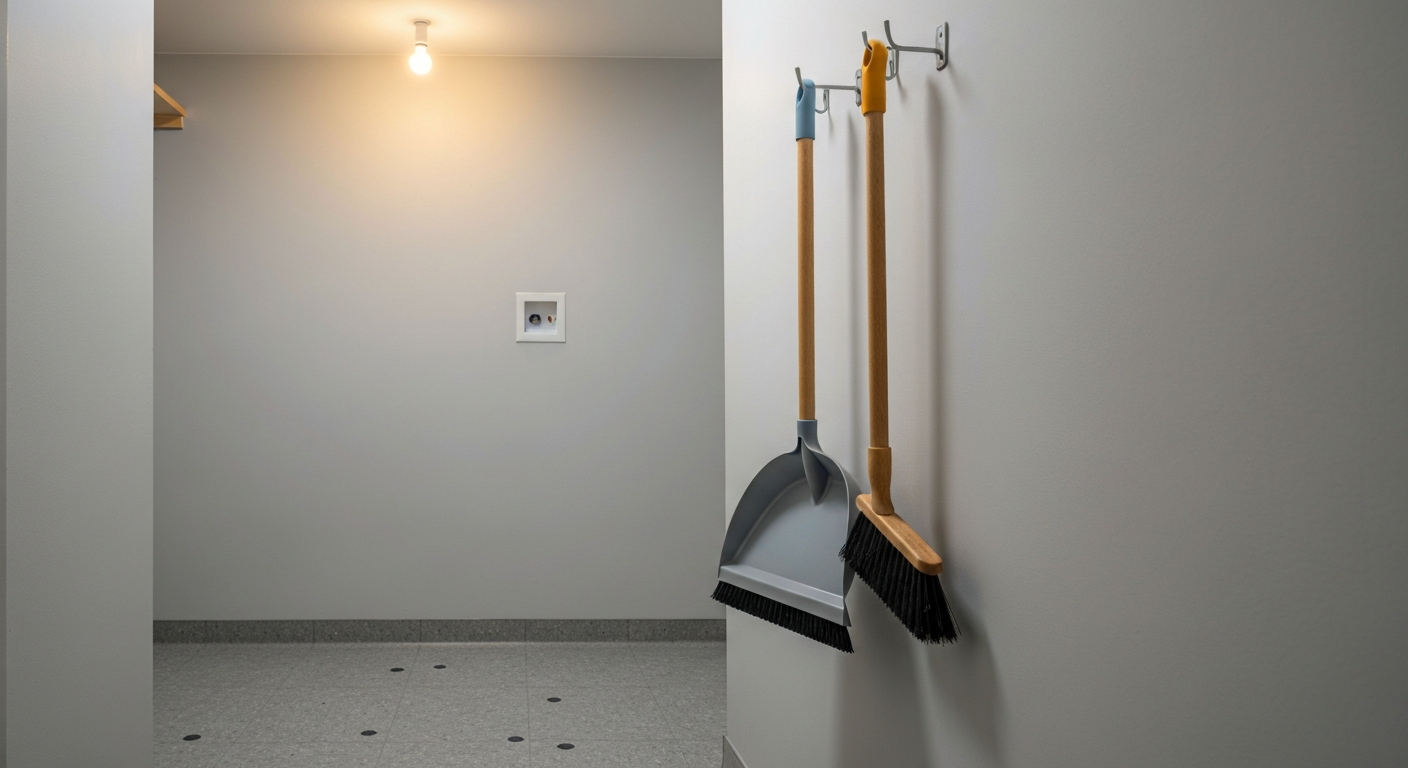
- Hang the set on a hook or store it so that the bristles do not rest on the floor and bend. Many models, such as the "Faule Grete", can be slotted together and stored in a space-saving way in a corner or alcove.
- What is the best broom angle for sweeping?
- Hold the broom handle at an angle of around 45 to 60 degrees to the floor. This allows the bristles to push dirt effectively instead of simply stirring it up. Adjust the angle slightly depending on your height and the type of dirt.
- What material should the bristles be made from?
- For smooth indoor floors, soft, flagged synthetic bristles are ideal because they pick up fine dust effectively. For rougher surfaces or coarse dirt in the workshop and garden, firmer, unflagged bristles or Elaston bristles are the better choice.