
In brief: You can make plants more cold-resistant by hardening them off, supplying them with the right nutrients and protecting them strategically. Strengthen your plants in autumn with potassium fertiliser. Protect sensitive roots with mulch or fleece. Container plants need insulating covers and a sheltered location. This preparation significantly increases their natural winter hardiness.
How do I make my plants more cold-resistant? Winter tips
Winter hardiness is not magic. It is the result of targeted preparation. Many plants have a natural tolerance to frost. You can significantly increase this with the right measures. The key lies in combining strengthening and protection.
Autumn is the best time to prepare. This is when plants enter their dormant phase. Now you can lay the foundations for healthy growth in spring. We show you practical steps for effective plant protection in cold weather.
Understanding the difference between frost resistance and winter hardiness
Winter hardiness describes a plant’s overall ability to survive the cold season. This includes low temperatures, moisture, wind and winter sun. Frost resistance specifically refers to tolerance of temperatures below freezing.
A plant may be frost-resistant without being fully winter-hardy. Bamboo may survive temperatures as low as minus ten degrees. However, constant moisture and strong winds can still damage it. Plan your protection holistically.
Successful overwintering begins in summer with a healthy plant that has not been over-fertilised. A stressed specimen enters winter already weakened.
How can I strengthen my plants from the inside?
Robust plant tissue is the best foundation. Apply potassium fertiliser in late summer and early autumn. This nutrient strengthens cell walls. It lowers the freezing point of the cell sap.
Avoid nitrogen-rich fertilisers from August onwards. Nitrogen encourages soft, lush growth. This is extremely sensitive to frost. A special autumn fertiliser with plenty of potassium and little nitrogen is ideal. Find suitable products in our Plant Fertilisers & Flower Fertilisers category.
Expert tip
Water evergreen shrubs such as rhododendrons and cherry laurel thoroughly on frost-free days in winter. They continue to lose water through their leaves. When the ground is frozen, they cannot replenish it. This causes winter burn, a common cause of plant death.
Another form of internal protection is hardening off. In autumn, allow container plants to experience the first light frosts outdoors. This cold stimulus signals the plant to adjust its metabolism. It reduces sap flow and concentrates nutrients.
Choosing the right location as preventive protection
Plant sensitive species in sheltered spots. A south- or west-facing wall stores heat. It releases it slowly at night. Hedges or windbreak mats block cold easterly winds.
Avoid hollows and frost pockets. Cold air collects there. These so-called cold-air pools can be several degrees colder than higher ground. A difference of just a few centimetres in height can make a big difference here.
Which materials effectively protect roots and shoots?
The root zone is often more sensitive than the parts above ground. A thick layer of mulch made from leaves, bark compost or straw insulates the soil. It prevents the ground from freezing too quickly. This keeps the fine fibrous roots active.
For flower beds and areas beneath shrubs, weed control fabric is a versatile aid. It does more than suppress weeds. Used as the bottom layer beneath bark mulch, it protects the soil.
is a durable garden fleece of this type. It can be found in our garden fleece category.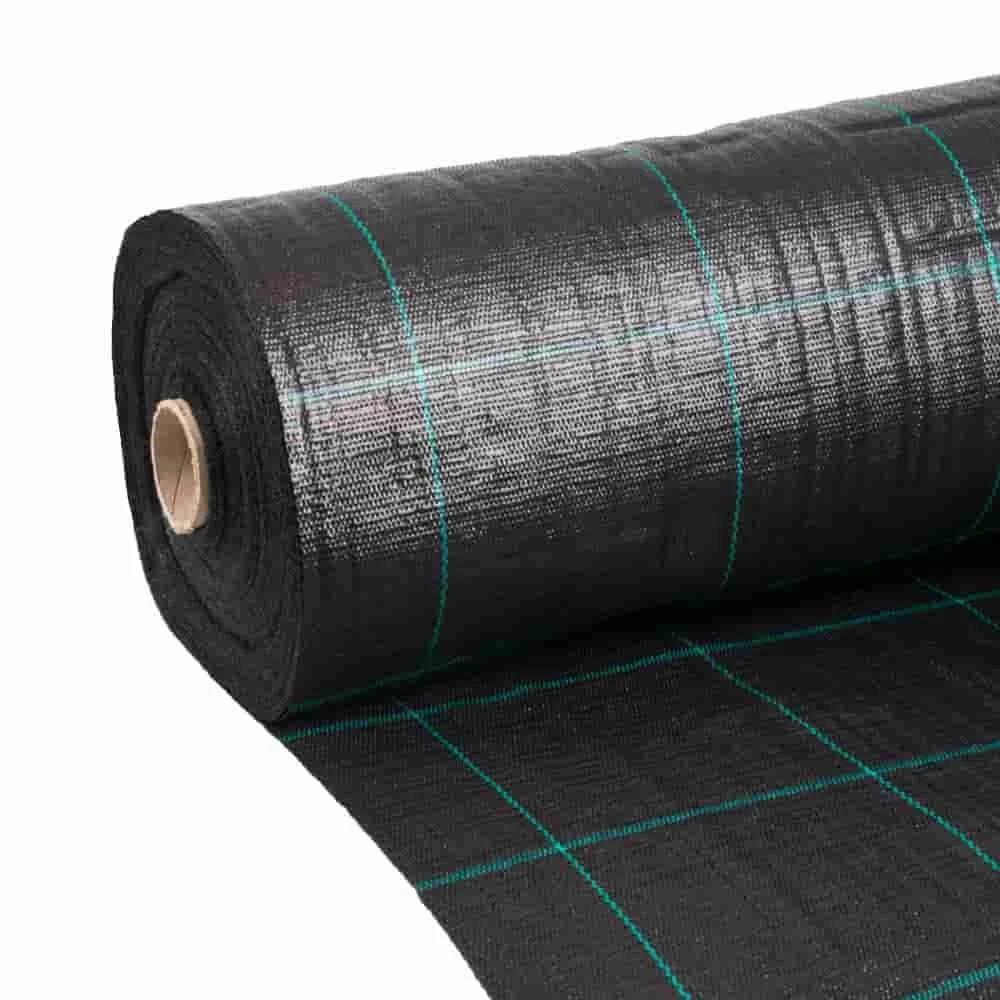
Jute or special reed matting helps protect sensitive rose stems and young tree bark. It protects against cracks caused by major temperature fluctuations between day and night. These frost cracks provide entry points for diseases.
Air is the best insulator. That is why loosely arranged conifer branches protect better than a tightly fitted plastic sheet. The plants underneath can breathe while still being shielded from direct cold.
Important note
Never cover plants directly with impermeable plastic sheeting. Moisture will build up underneath. This creates a warm, humid microclimate that encourages fungal diseases and rot. Always use breathable materials such as fleece, jute or conifer branches.
Special case: protecting evergreens
Evergreens such as boxwood, cherry laurel and conifers are thirsty in winter. Their leaves continue to lose water. If the soil is frozen, they cannot draw up more. The result is dehydration.
A shade net or fleece protects against winter sun and wind. It significantly reduces water loss. This protection is particularly vital on sunny, windy days. Protect your evergreen hedges with our products from Tarps and Nets.
How can I overwinter container plants safely?
Container plants are particularly vulnerable. Their root balls are exposed to the cold on all sides. Even a few degrees of frost can cause damage. Therefore, insulate the pot thoroughly.
Wrap the container with bubble wrap, jute mats or special coconut-fibre mesh. Then place the pot on a thick polystyrene or wooden board. This insulates it from the cold ground.
A pond protection net is not only useful for ponds. Stretched over a frame, it creates a perfect, airy cover for groups of larger container plants.
is tear-resistant and UV-stable. This also protects against intense winter sun.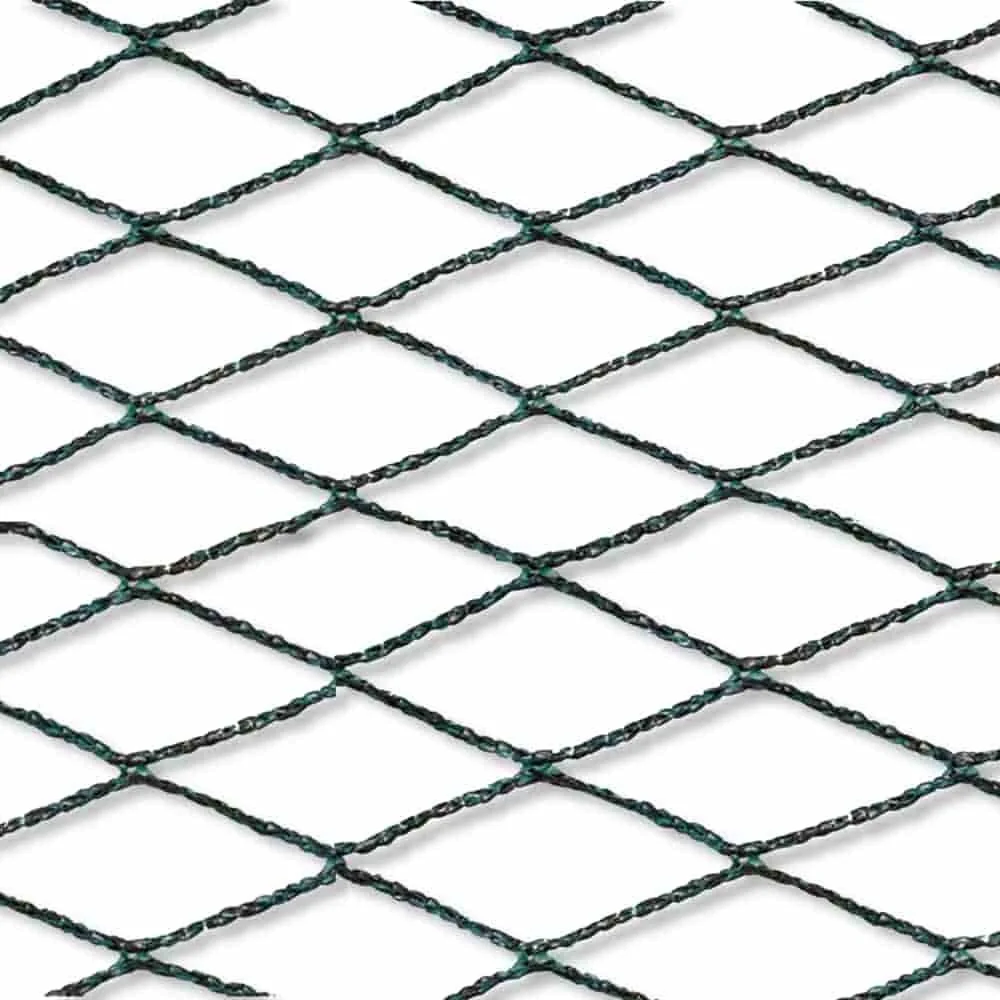
Additional advice
Move container plants close to a wall in winter. The stored heat provides noticeable protection. Make sure the pot’s drainage hole remains clear. Waterlogging in frozen growing medium is fatal to roots.
Very sensitive container plants such as olive trees and citrus plants should overwinter in a bright, frost-free place. A cool conservatory, bright basement or garage with a window is ideal. Temperatures should be between two and ten degrees.
The right time for all protective measures
Do not start wrapping plants too early. Let them harden off through the first light frosts. Apply the final cover when prolonged, severe sub-zero temperatures arrive.
Remove the protection gradually in spring as well. In sunny weather, you can take fleece off during the day. Cover the plants again at night if frost is still expected. This allows them to slowly adapt to the new conditions.
Which practical tools from the shop can help me?
The right materials make the work easier and more effective. A sturdy horticultural fleece is a versatile all-rounder. You can lay it down as root protection under mulch, cover sensitive perennials directly or wrap it around containers as an insulating layer. offers 100 meters for large projects.
For larger areas, covering hedge sections or creating a temporary roof over a bed, a sturdy scaffolding tarpaulin is suitable.
is white, which is beneficial in winter. White surfaces reflect sunlight and prevent excessive heat building up underneath. This helps prevent temperature shocks.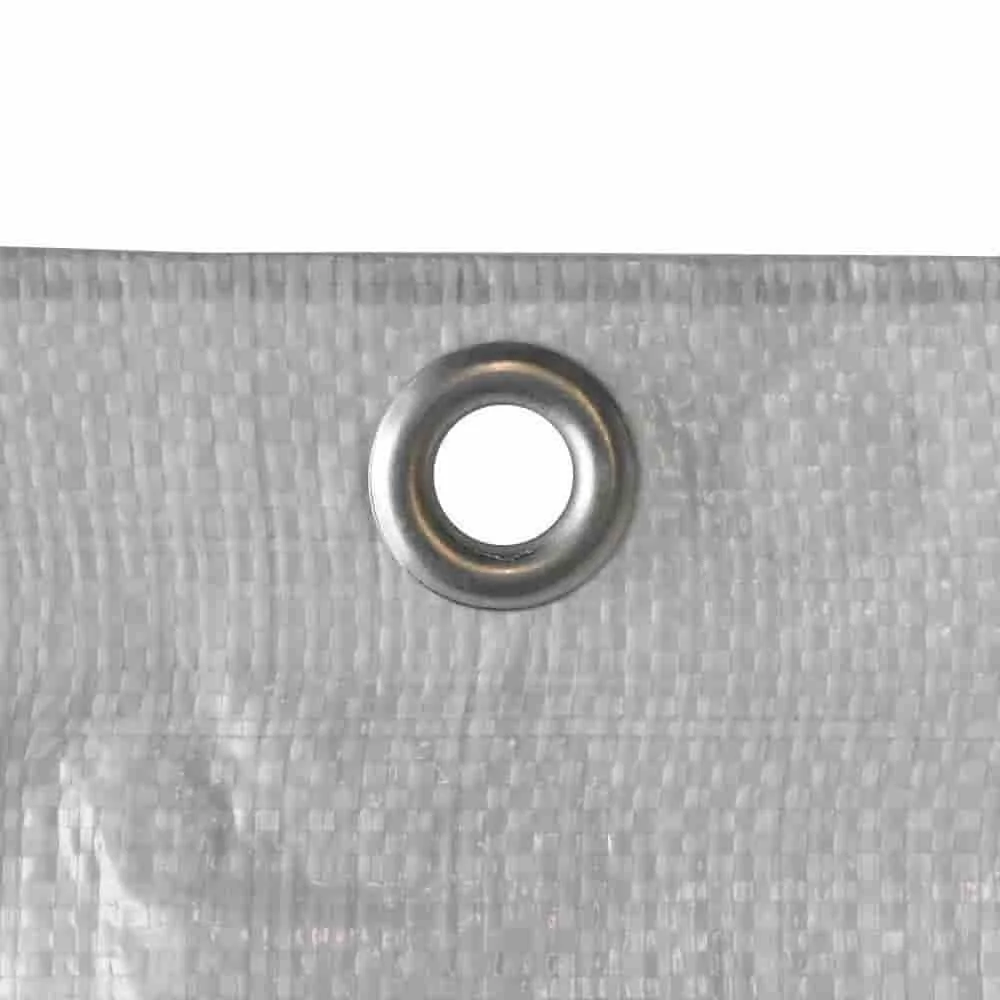
Cable ties are indispensable for securing things. Whether fastening fleece around a plant stake or bundling brushwood together, they hold securely. Products such as our practical cable ties can be found in our large shop.
Also remember sensitive water pipes in the garden. Pipe insulation prevents them from bursting in frost. You can find suitable products in the Pipe Insulation Cold & Climate category.
With these measures and materials, your plants will enter winter stronger. You can significantly reduce losses and promote a healthy start to the next gardening season. Every plant has different needs. Observe your garden and adapt the protection to each plant.
Frequently asked questions
- Which plants definitely need frost protection?
- Evergreen plants, young woody plants, Mediterranean herbs such as rosemary, newly planted perennials and all container plants always need particular protection. Their roots or leaves often cannot withstand prolonged frost and winter sun. Rhododendrons and boxwood are also included.
- When should I start protecting my plants for winter?
- Start preparing in late autumn, before the first severe frost arrives. The ideal time is after leaf fall, when plants enter their dormant phase. Do not wait for persistent frost. Cover the plants properly once temperatures remain below freezing.
- Can I cover my plants too heavily?
- Yes, a cover that is too dense or not breathable can cause damage. It encourages fungal diseases through waterlogging and rot. Plants also respire in winter. Use breathable materials such as fleece or brushwood and avoid placing solid sheeting directly on the plants.
- Why do plants often die in spring rather than winter?
- Damage often only becomes apparent in spring. Causes include frost desiccation in evergreen plants due to water evaporating while the ground is frozen, late frosts affecting young shoots, or root rot caused by covering plants too early or too tightly in autumn.
- How should I fertilize plants to improve their winter hardiness?
- Switch to a potassium-rich fertilizer from August. Potassium strengthens cell walls and lowers the freezing point of the cell sap. Avoid nitrogen-rich fertilizer from late summer, as it promotes soft, frost-sensitive growth. A special autumn fertilizer is ideal.
You may also be interested in
- Effective plant protection in winter: tips for the garden
- Overwintering container plants: How to get them through frost
- Hardy plants: resilient beauties for your garden
- Prepare your garden for winter: autumn tips
- Understanding ground frost: How to protect your plants effectively
- Overwintering roses: How to protect your roses from frost