
Quick explanation: Hydroponics means growing plants in water and an inorganic growing medium instead of soil. It is particularly easy to care for because it simplifies watering, reduces pest infestations and usually only requires topping up every few weeks. Robust houseplants such as pothos, snake plant or spider plant are ideal for beginners and thrive with special nutrient solutions.
Hydroponics: Easy-Care Plants for Your Home
Imagine only watering your houseplants every three to four weeks. Imagine never having fungus gnats circling your plant pot again. Hydroponics makes exactly that possible. This soil-free growing method replaces potting soil with an inorganic growing medium and a water-level indicator.
The plants grow in special pots with expanded clay pebbles. A water reservoir at the bottom supplies the roots. An indicator shows you exactly when you need to top it up. The system is clean, easy to monitor and reduces maintenance to a minimum.
For anyone with little time or who simply wants more confidence when caring for plants, hydroponics is the ideal solution. You can find everything you need to get started in our shop.
What exactly is hydroponics?
The term hydroponics comes from the Greek word "hydro" for water. Unlike traditional container growing, the plant's roots do not sit in soil but in a structurally stable, inorganic growing medium. This usually consists of fired clay balls, known as expanded clay pebbles.
This medium serves solely to anchor the plant. Water and nutrients are supplied through a nutrient solution in the lower part of the container. A water-level indicator, often a simple tube with a float, shows the fill level.
The plant develops special water roots that are ideally adapted to this moist environment. They take up exactly what the plant needs. The system works as a closed and highly efficient unit.
Expert tip
Always use special containers with a built-in water reservoir and matching inserts for hydroponics. Ordinary cachepots without this function cause waterlogging and root rot. When shopping, look for the label "hydroponic container".
The clear benefits of hydroponics
Why switch to hydroponics? The benefits are compelling. Maintenance is reduced dramatically. You no longer have to guess whether the soil is still moist. The water-level indicator gives you a clear signal.
Pests hardly stand a chance. Fungus gnat larvae do not develop on the dry, inorganic surface of expanded clay. Other soil-dwelling pests are also eliminated. For additional protection against flying insects in other areas of your home, our products include the .
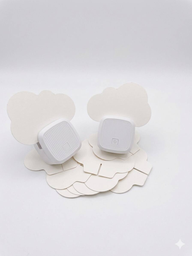
The plants stay hygienically clean. There is no soil to spill. Simply sweep up the expanded clay pebbles. This makes hydroponics perfect for offices, medical practices, hospital rooms and households with allergy sufferers.
How do you care for hydroponic plants?
Caring for a hydroponic plant follows simple, clear rules. It revolves around three factors: water, fertilizer and occasional cleaning. You no longer need to constantly judge when to water.
Here, watering means topping up. Wait until the water-level indicator reads "Minimum". Only then add fresh water up to the "Optimum" mark. The range between Minimum and Optimum supplies the plant for several weeks. Never fill to "Maximum"; the roots also need air.
When topping up, add fertilizer as well. Use only special hydroponic fertilizer. It releases nutrients into the solution slowly and in a controlled manner. Our range in the fertilizer section offers the right products.
Important note
Never use conventional houseplant fertilizer for hydroponic plants! Its salt concentration is too high and damages the special water roots. The dosage is also wrong. Invest in a high-quality ion-exchange fertilizer for hydroponics.
The right location and repotting
Hydroponic plants have the same light requirements as their counterparts grown in soil. A pothos remains a shade-tolerant plant, while a snake plant loves bright light. The major advantage is that you can easily turn the pot to encourage even growth without soil spilling out.
Repotting is needed less often. It is only time to repot when the roots have completely filled the inner pot or the expanded clay is heavily coated with limescale. Rinse the old expanded clay thoroughly or use new material. Place the plant in an inner pot that is only slightly larger.
Hydroponics is not rocket science but a logical system. The plant shows you directly what it needs. Anyone who follows the basic rules for water levels and fertilization will enjoy their green companions for a long time.
Which Plants Are Perfect for Beginners?
Not every houseplant is equally well suited to hydroponics. The ideal choices are species that are naturally tolerant of changing moisture levels and develop strong roots. These plants adapt most easily when transferred from soil to hydroponics.
Some of the absolute classics and easiest plants to care for include the snake plant (Sansevieria) and the spider plant (Chlorophytum). Both are almost indestructible, cope with low light and even forgive you if the water level remains at minimum for too long.
The pothos (Epipremnum) is another excellent choice. It grows quickly, develops long trailing stems and clearly shows through its leaf colour whether it is getting enough light. A true beginner-friendly plant. For an elegant, modern option, take a look at our .
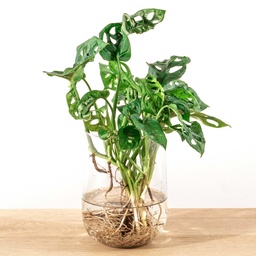
Additional advice
For your first hydroponics project, choose a plant that has already been grown hydroponically by a specialist retailer. It will already have developed the important water roots and can get started without the stress of adapting. Later, you can try transferring plants from soil to hydroponics yourself.
More Recommended Plants for Hydroponics
You have plenty of options. The dragon tree (Dracaena), available in many varieties, thrives in hydroponics. It likes warm, bright conditions without direct midday sunlight.
The peace lily (Spathiphyllum) appreciates consistent moisture and rewards you with white flowers. The Kentia palm (Howea) and cast-iron plant (Aspidistra) are also good, long-lasting choices.
The Swiss cheese plant (Monstera deliciosa) is particularly decorative. Its large, perforated leaves are a real eye-catcher. In hydroponics, it grows in a controlled and healthy way. For inspiration, browse our Garden + Plant Accessories category.
How Do I Transfer a Soil-Grown Plant to Hydroponics?
Do you have a much-loved plant growing in soil that you would like to transfer? It is possible, but it requires patience and a gentle approach. The most critical step is completely removing the old soil from the roots.
Carefully take the plant out of its pot. Loosen the root ball and place it in a bucket of lukewarm water. Rinse off the soil under a gentle stream of water or by carefully moving the root ball around in the water. Be extremely gentle to avoid damaging the fine roots.
Cut away any dead or rotten roots with clean scissors. Then place the cleaned plant in the prepared hydroponic inner pot. Fill the gaps with fresh, moistened expanded clay pebbles. Initially, add only a small amount of water without fertiliser to the outer pot.
Transferring a plant from soil to hydroponics is stressful for the plant. Create a warm, humid microclimate during the first few weeks, for example by placing a transparent plastic cover over the plant. This reduces evaporation and gives the new water roots time to grow.
Proper Care After Transferring
Place the transferred plant in a bright spot away from draughts, but out of direct sunlight, for a few weeks. Keep the humidity high. Occasionally mist the leaves with low-lime water.
Do not fertilise during the first four to six weeks. The plant needs time to recover and develop new roots. Check the water level indicator regularly, but keep the level towards the lower end. This encourages the roots to grow towards the water source.
Patience is essential at this stage. If the plant produces new leaves after a while, the transfer has been successful. For growing new plants from cuttings, practical helpers such as the
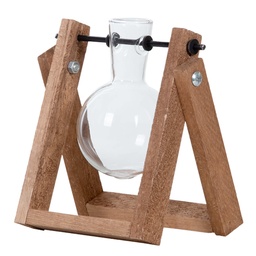
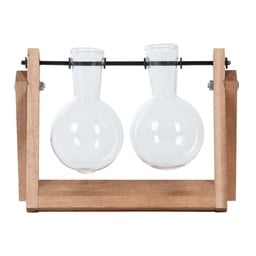
What Equipment Do I Need for Hydroponics?
Getting started requires a few special materials to make the system work properly. The most important consideration is choosing the right container. A hydroponic pot always consists of two parts: the watertight outer pot (cachepot) and the inner pot with slots or holes.
The inner pot holds the growing medium and the plant. The openings allow the roots to grow into the water and nutrient area in the outer pot. A water level indicator is inserted through a separate opening in the inner pot or is already integrated.
Expanded clay pebbles in various grades are almost always used as the growing medium. They are sterile, structurally stable and do not store nutrients that could throw the system out of balance. Alternatives such as lava granules or special plastic pellets are used less frequently.
Fertilisers and Accessories
As already emphasised, using the right fertiliser is essential. Hydroponic fertilisers are usually available as liquid fertiliser or in solid form as fertiliser cones. They are based on the ion exchange principle and release nutrients as required.
A pH test strip can be helpful at the beginning. For most plants, the ideal pH value of the nutrient solution is between 5.5 and 6.5. If the value is too high or too low, plants can no longer absorb certain nutrients.
For a complete starter kit and more accessories, take a look at our extensive Garden + Outdoor section. Here you will find everything from irrigation equipment to plant protection.
Common Problems and Solutions
Even low-maintenance hydroponics can come with problems. The good news is that they are usually easy to diagnose and fix. Yellow leaves are a common symptom.
Yellow, limp leaves often indicate overwatering. You have kept the water level above "Optimum" for too long. Let the nutrient solution run out completely and wait a few days before refilling. Check that the drainage holes are clear.
Brown, dry leaf tips may indicate low humidity or a high salt concentration (overfertilization). Flush the system thoroughly once with clean water to wash out excess salts. Increase humidity by misting the plant.
If a white coating forms on the expanded clay pellets, it is usually harmless limescale from the tap water. You can replace the top layer of expanded clay pellets or refill with decalcified water. For problems with actual pests on other plants, you can find solutions in the Pest & Plant Protection category.
The Plant Has Stopped Growing
If your hydroponic plant has stopped growing, there may be two possible causes. Either the pot is completely root-bound and the plant needs more space. In that case, it is time to repot it.
Or the plant may not be receiving the right nutrients. Check how you are fertilizing it. Are you using the right fertilizer and following the recommended dosage? The plant may also need a dormant period in winter, when it grows very little and requires less water and no fertilizer.
Hydroponics is a clean, modern and extremely time-saving way to care for plants. With the right choice of plants and an understanding of this simple system, anyone can get started successfully. It gives you more time to enjoy your green companions.
Frequently Asked Questions
- Which plants are best for beginners in hydroponics?
- For your first setup, choose robust, adaptable species. Pothos, snake plants and spider plants are considered particularly easy to care for. Dracaena, monstera and peace lilies are also well suited. These plants tolerate fluctuations in the water level and cope well with the nutrients supplied by special fertilizers.
- How often do hydroponic plants need watering?
- You do not water them in the traditional sense; instead, you refill the water reservoir according to the water level indicator. The time between refills can be several weeks. The water level indicator is key: only when it reaches "Minimum" should you add fresh water with the appropriate hydroponic fertilizer, up to "Optimum".
- Can I convert a regular soil-grown plant to hydroponics?
- Yes, conversion is possible, but it requires care. You must gently wash all the soil from the roots without damaging them. Then place the plant in the hydroponic pot with expanded clay pellets. The first period is critical; the plant needs higher humidity until it has developed new water roots.
- Do hydroponic plants need special fertilizer?
- Yes, absolutely. They need a special ion-exchange fertilizer for hydroponics. Conventional houseplant fertilizer is unsuitable and can damage the system. Hydroponic fertilizer releases nutrients into the water slowly and in a controlled way. Only fertilize when adding water, following the instructions on the packaging. Our range of Plant & Flower Fertilizers also includes suitable products.
- Is hydroponics really cleaner and more hygienic than growing plants in soil?
- Yes, this is one of its main advantages. Inorganic substrates such as expanded clay pellets do not provide a breeding ground for pests such as fungus gnats or springtails. No mold grows on the surface, and spills leave behind only clean granules. This makes hydroponics ideal for allergy sufferers, offices and households with children.
You may also be interested in
- Low-Maintenance Houseplants: Green Oases with Minimal Effort
- Create an Urban Jungle: Houseplants for Your Home
- How to Care for Houseplants Properly: Top Tips for Healthy Greenery
- How to Fertilize Houseplants Properly: Encourage Lush Growth
- Philodendron Care: A Diverse Range of Varieties for Your Home
- Houseplants: The Best Plants for Your Home