
In brief: Yellow mould in the home is often a sign of persistent moisture. You can identify it by powdery, yellowish to brownish patches, often on wallpaper, silicone joints or wood. You can tackle small areas of up to 0.5 m² yourself. Wear protective equipment, remove affected materials and clean the area with 70- to 80-percent alcohol. For larger infestations or areas that are difficult to access, always call in a specialist mould remediation company.
Identify and Remove Yellow Mould at Home
Yellow mould stains on the wall are more than an aesthetic problem. They are a clear sign of an unhealthy indoor climate and can affect your health. This article explains how to identify yellow mould safely, remove it properly and prevent it from returning.
How can I identify yellow mould?
Yellow mould does not always appear bright yellow. It often looks like a yellowish-brown, powdery or cotton-like coating. Common locations include damp corners in bathrooms and kitchens, window reveals, wallpaper, silicone joints and areas around the home's drainage pipe system. A musty smell in a room is often an early, invisible sign.
Pro tip
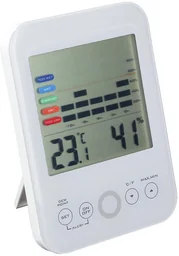
Use a digital hygrometer to monitor humidity in rooms where you suspect mould. If humidity remains above 60%, it creates ideal conditions for mould growth. Devices with a mould alarm function can warn you at an early stage.
How it differs from other discolouration
Do not confuse yellow mould with dust, nicotine residue or salt efflorescence from the masonry. Gently rub a white cloth over the area. Mould can often be wiped off slightly and has a softer, fibrous texture. If you are unsure, use a test kit from a pharmacy or have the area analysed by a laboratory.
Why is yellow mould a problem?
Mould spores in the air can trigger allergies, irritate the airways and cause health problems after prolonged exposure. The aim must therefore always be to support healthy living in a mould-free environment. If the fungus also damages building materials such as plaster or wallpaper, home renovation becomes complicated and expensive.
“Mould is always a symptom. The home's underlying illness is moisture. Removing only the mould treats the fever, not the infection.”
How can I remove a small infestation myself?
You can deal with areas under 0.5 square metres and surface mould on non-porous materials such as tiles yourself. Your safety comes first: always wear an FFP2 mask, safety goggles and rubber gloves. Ventilate the room thoroughly while working.
Step-by-step instructions
Isolate the area with plastic sheeting. Dispose of affected wallpaper or silicone joints immediately in a sturdy bin bag. Clean the exposed surface with a specialist mould remover or high-strength isopropyl alcohol (70-80%). Allow the area to dry completely before resealing or repainting it.
Important note
Experts advise against using standard chlorine cleaners. They only bleach the mould, often fail to kill the roots and can produce harmful fumes. Use targeted anti-mould products instead.
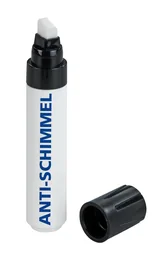
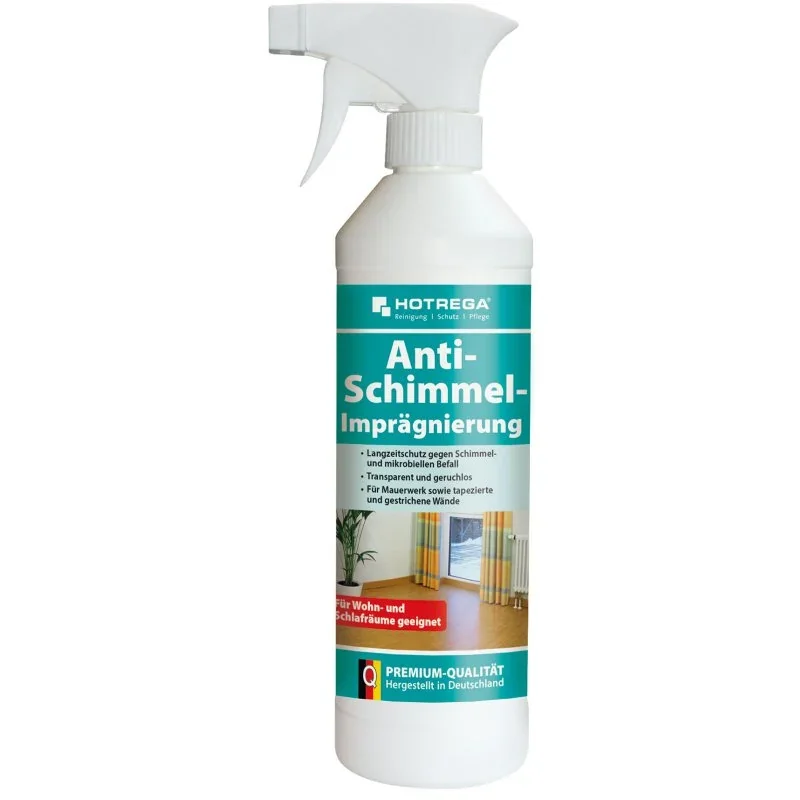
For stubborn stains in joints or on small areas, a (mould removal pen) can provide a precise solution. For preventive treatment after cleaning, a (HOTREGA Mould Protection Impregnation) is suitable. It forms a protective film and makes new growth more difficult.
When should a professional handle mould remediation?
For extensive infestations or mould in cavities, wood or insulation, you should always hire a specialist company. This also applies if you cannot locate the source of the moisture yourself. Professionals have the equipment needed to locate leaks, such as thermal imaging, and carry out mould remediation in accordance with safety regulations.
“The biggest source of error when removing mould yourself is improper drying. Mould spores need liquid water to grow. If the wall is only dry on the surface, the infestation will return within a few weeks.”
How can I prevent yellow mould permanently?
Prevention is the best protection. Regularly check potential weak points: window seals, connections to outdoor areas such as greenhouses, leaking taps or condensation on cold external walls. A (digital hygrometer and thermometer with mould alarm) helps you identify critical conditions early.
Three basic rules for a healthy indoor climate
- Heat and ventilate correctly: Maintain a consistent basic temperature. Air the rooms several times a day for 5-10 minutes by opening the windows wide.
- Minimise sources of moisture: Do not dry laundry indoors, use extractor fans and cover aquariums.
- Insulate thermal bridges: Cold wall surfaces, such as those behind cupboards against external walls, are particularly vulnerable. Move furniture a few centimetres away from the wall.
Additional advice
Do not forget the area around your home when looking for the cause. Leaking gutters and greenery such as dense shrubs or bird-feeding stations placed too close to the house wall can dampen the wall and encourage mould from the outside.
High-Risk Areas in the Home
The bathroom is the classic place for mould. Make sure the grout is intact and all seals are watertight. Basements are also at risk, especially when used for storage or as a playroom. Ensure good air circulation and avoid storing items directly against cold walls. Even in well-insulated new-build homes, poor ventilation can lead to problems.
Also think about less obvious places: under kitchen cabinets, behind the sink or in bedrooms, where moisture from breathing at night increases humidity. Creating a healthy indoor climate is an ongoing task for every household.
Conclusion: Identify, Act and Prevent
Yellow mould in the home is a warning sign that you should take seriously. You can tackle small areas of mould yourself with the right protective equipment and technique. However, addressing the cause of the moisture is always essential. In the case of extensive damage or uncertainty, advice from a mould remediation professional is vital for protecting your health and preserving your property's value. Regular checks and appropriate ventilation will help keep your home dry and comfortable in the long term.
Frequently Asked Questions
- Is yellow mould more dangerous than black mould?
- The level of danger depends primarily not on the colour, but on the type of mould and a person's individual sensitivity. Yellow mould can, however, be highly allergenic and may cause health problems such as respiratory irritation in people with weakened immune systems or when there is a high concentration of spores. It is not scientifically sound to categorically classify it as more dangerous.
- Can I simply paint over yellow mould on wallpaper?
- No. Painting over mould stains does not solve the problem. The mould continues to grow beneath the layer of paint, damages the underlying surface and leaves the exposure to spores unchanged. You must remove the affected wallpaper completely, dry the wall underneath and, if necessary, treat it with a fungicide before hanging new wallpaper or painting.
- Which home remedies help against yellow mould?
- For small, superficial spots on non-porous materials such as tiles, you can try high-strength alcohol (70-80%) or hydrogen peroxide. Vinegar is ineffective against many types of mould and can even serve as a nutrient. Important: home remedies only tackle the visible symptoms, not the cause – moisture.
- At what size does a mould infestation require professional remediation?
- According to the German Environment Agency, you should consult a specialist company once the affected area reaches around 0.5 square metres. This is essential if the mould is in cavities, insulation or load-bearing components, or if you are unsure about identifying the cause. Professionals ensure that the mould is removed safely and address the source of the moisture.
- How can I permanently remove yellow mould from the silicone sealant in my shower?
- Surface cleaning with mould remover only provides a short-term solution, as the fungus grows into the sealant. The only permanent solution is to replace the old sealant completely. After thoroughly drying the surface, apply new mould-resistant silicone. Make sure to ventilate the room regularly after showering.
You may also be interested in
- Types of Mould in the Home: How to Identify and Remove Them
- Removing Mould: Address the Causes and Prevent It
- Removing Mould from the Bathroom: Identify the Causes and Treat It Effectively
- Removing Mould: The Right Approach for Building Materials
- Mould in the Home: Is Chlorine an Effective Treatment?
- Mould Tests: How to Detect Mould in Your Home