
In brief: Indirect lighting directs light so it does not shine straight into your eyes, but instead illuminates surfaces such as walls, ceilings, or floors. The result is soft, glare-free, even illumination. This technique transforms any room, softens shadows, and highlights architectural features. It is a key part of a well-designed lighting plan.
Indirect Lighting Ideas: A Guide for Your Home
Light is the soul of a room. Direct ceiling lights can create a harsh, unwelcoming atmosphere. Indirect lighting offers an elegant solution, turning your home into a comfortable retreat. This article shares practical ideas and helpful guidance for creating your own lighting plan.
What is indirect lighting?
With indirect lighting, the light source is not directly visible. The light first falls on another surface, which then reflects it softly into the room. Common reflective surfaces include ceilings, walls, alcoves, and furniture. The result is soft illumination with fewer shadows.
This technique eliminates glare and is especially easy on your eyes in the evening. It creates a relaxed, inviting atmosphere, making indirect light ideal for ambient or accent lighting. It rarely replaces task lighting entirely, but it complements it beautifully.
Expert tip
For the best indirect lighting, leave enough space between the light source and the reflective surface. Allow at least 30 centimetres. This gives the light room to spread evenly and helps prevent unattractive bright and dark patches on the wall.
How do I plan a lighting scheme with indirect lighting?
A good lighting plan uses multiple layers. Indirect light usually provides the first layer: ambient or accent lighting. Combine it with direct lighting in areas where you work or read. Dimmable systems give you greater control over the mood.
The three layers of light in detail
Ambient lighting: This layer illuminates the room evenly. Indirect ceiling lighting does the job without glare.
Accent or mood lighting: This layer creates focal points, drawing attention to artwork, plants, or special furniture. Indirect lights built into shelving are ideal for this.
Task lighting: This is where you need bright, direct light. A kitchen countertop, desk, or reading chair needs its own focused light source.
“Good lighting is invisible. You notice its effect, not its source. Indirect lighting is the best tool for this. It shapes the room without taking centre stage.”
Which rooms are suitable for indirect lighting?
In principle, every room. The best approach varies, though, depending on how you use the space.
Living room: The classic choice for atmosphere
Relaxation comes first in the living room. Hide LED strips behind the sofa, in a ceiling cornice, or in the TV stand. A dimmable system lets you set the perfect brightness for the evening, whether you want a home theater feel or a cozy atmosphere for conversation.
Uplights are also especially effective. Floor lamps with shades or uplights bounce light off the walls and ceiling, adding depth to the room.
Bedroom: Gentle waking and relaxation
Bedroom lighting should never feel harsh. Indirect lighting behind the headboard or in side alcoves creates a calming atmosphere before bedtime. Choose warm white color temperatures (under 3000 Kelvin).
Use dimmable lights as night-lights for children. Their gentle glow is reassuring and helps them find their way without disturbing sleep. Find inspiration for child-friendly options in our nursery ideas category.
Kitchen: Function meets ambience
It is best to combine both types of lighting in the kitchen. Install direct lighting under wall cabinets to illuminate the countertop. Indirect light works well for general room lighting. Add LED strips to the wall cabinets so they cast light onto the ceiling or the wall behind them.
This creates bright, glare-free ambient light. It also emphasizes the height of the room and makes the kitchen feel more spacious.
Important note
In damp areas such as bathrooms or outdoors, make sure your lights have the right IP rating. For areas exposed to splashing water (e.g. above the bathtub), at least IP44 is required. In the garden, lights should be protected against dust and water jets (IP65 or higher).
Which products are suitable for indirect lighting?
There is a wide range of light sources and systems to choose from. Your choice depends on the effect you want and the installation involved.
LED strips: The flexible all-rounder
LED strips are the most popular option. They are flexible, can be cut to size, and can be installed almost anywhere. They work well in light channels and alcoves, behind TVs, or under furniture. Pay attention to the light color (warm white, neutral white, or cool white) and the light output (lumens per meter).
Recessed lights and spotlights
Downlights usually shine straight down. For indirect light, you need special wall lights or uplights that direct light upward or to the side. These are permanently installed and provide a clean, long-lasting solution.
Wall and ceiling mirrors with integrated lighting
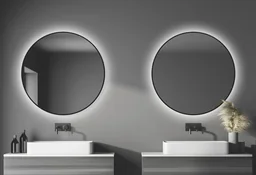
Furniture with integrated lighting offers an especially elegant option. A wall mirror with indirect LED lighting provides ideal illumination for a bathroom or hallway. The light softly frames the mirror and illuminates your face without glare.
We offer various models, such as the decorative wall mirror
with a diameter of 60 cm, or the larger model with a diameter of 80 cm. For large walls, the striking mirror with a diameter of 100 cm is ideal. These mirrors provide bright, indirect light while adding a stylish decorative touch.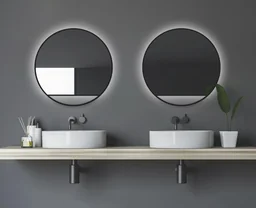
Additional advice
Test everything before permanent installation. Attach LED strips or position lights temporarily first. Turn them on in the evening to see whether the brightness and light color create the effect you want. This step can save time and money.
How do I create indirect lighting in the garden?
Outside, indirect lighting creates a magical atmosphere and improves safety without adding light pollution. Uplight trees, house walls, or seating walls from below to highlight their textures and cast interesting shadows.
Always use weatherproof lights with a high IP rating. LED recessed lights for steps or pathways illuminate them indirectly by lighting the edges. This makes each step visible without causing glare. You can find suitable lights and accessories in our wide range for the garden and outdoor area.
For cozy evenings on the patio, try planters with indirect lighting or light strips beneath benches. Combine permanently installed lighting with flexible solar lights or torches from the Grills + Fire Pits category to add flexible accents.
“The biggest challenge with indirect lighting is planning the electrical installation. Lay conduits even if you do not install all the cables right away. This makes it easy to expand the system later if your needs or the technology change.”
Practical guide: Installing indirect lighting behind the sofa
Want to light the wall behind your sofa? Here’s how to do it step by step.
Materials: LED strip in your desired length and color, compatible power supply, aluminum profile with diffuser (for low-glare light), adhesive tape, cable ties, switch.
Step 1 – Planning: Measure the length of the area you want to illuminate. Buy an LED strip that’s slightly longer, since you can cut it at the marked points. The power supply must meet the strip’s power requirements (add up the wattage).
Step 2 – Preparation: Attach the aluminum profile horizontally to the wall using suitable brackets, about 10-20 cm below the edge of the sofa. The diffuser creates a soft line of light.
Step 3 – Installation: Stick the LED strip into the profile. Run the cable discreetly along the wall or through a cable channel to the power supply. Connect everything and test that it works.
Step 4 – Connection: Add a wall switch or wireless switch for convenient operation. Hide the power supply near an outlet, for example, behind the sofa.
Now you can enjoy a beautiful lighting accent that makes your sofa appear to float and bathes the wall in a warm glow.
Conclusion: Lighting sets the mood
Indirect lighting is more than a trend: it’s a fundamental technique for sophisticated interior design. It creates a welcoming atmosphere, highlights architectural features, and is gentle on the eyes. With today’s LED solutions, it’s more flexible and easier than ever to install.
Start with a small project, such as lighting a mirror or recessed shelf. Notice the difference soft, reflected light makes. Soon, you may want to use it in every room of your home—and perhaps in the garden too.
Frequently Asked Questions
- What is the biggest advantage of indirect lighting?
- Its biggest advantage is the glare-free, gentle distribution of light. Direct light creates harsh shadows and glare. Indirect light reflects off walls and ceilings to fill the room evenly. It’s easy on the eyes, relaxing, and creates a warm, inviting atmosphere that promotes well-being.
- Can I use indirect lighting in the garden too?
- Absolutely. In the garden, indirect lighting is ideal for lighting pathways safely without causing glare. It also makes trees, walls, and seating areas stand out. Use waterproof LED strips in baseboards or recessed lights for steps. For the patio, find suitable solutions in our Garden + Outdoor category.
- Which lights are best for indirect lighting?
- LED strips are the most flexible option because they can be adapted to almost any shape. Bar-style LED lights work well for linear accents. Uplights or wall lights with an upward-facing light outlet are ideal for general lighting. The key is to hide the light source so only the illuminated surface is visible.
- How do you plan a comprehensive lighting scheme with indirect light?
- Plan in layers. Use indirect light as a foundation or for accent lighting. Combine it with direct light for work surfaces such as kitchen counters, and add focused light, such as reading lamps. Control the lights separately, ideally with dimming. This lets you adjust the mood—from bright and energizing to dim and relaxing.
- Is indirect lighting energy-efficient?
- Yes, especially when you use modern LED technology. LEDs are inherently efficient. Because indirect lighting illuminates surfaces, you may need a higher total lumen output than with direct spot lighting to achieve the same perceived brightness. The energy savings mainly come from LEDs’ long lifespan and the ability to dim them precisely.
You might also be interested in
- Build and plan your own indirect ceiling lighting
- Outdoor lighting as burglary protection: Tips for your home
- Reduce electricity consumption: LED lighting in the home
- LED lighting technology: Efficient lighting for your home
- Sustainable Christmas lighting: Ideas for your home
- Patio lighting: Ideas for atmospheric evenings