
In brief: Plan your indoor lighting around how you use each room. Combine ambient lighting for even brightness, accent lighting to create atmosphere and task lighting for focused activities. Modern LED lighting and smart systems offer excellent efficiency and flexibility. A well-planned lighting scheme can improve the mood, comfort and energy efficiency of your home.
Contents
- Why is lighting design important?
- How does a good lighting plan work?
- Which light sources are best today?
- How do I plan lighting for my living room?
- What does smart home lighting offer?
- How do I create lighting accents?
Why is lighting design important?
Light shapes the way you experience a room. It affects your mood, concentration and comfort. Without a plan, many rooms end up with a single ceiling light in the center. The result can be harsh shadows and a sterile feel.
A good lighting plan solves this problem by creating different levels of brightness and defining zones for work and relaxation. Careful planning can also save energy and money. Planning cables and switches in advance helps you avoid costly retrofits.
Pro tip
Start planning in daylight. Mark furniture locations and activity areas on a floor plan. This will show you where you need outlets and where to install lights.
How does a good lighting plan work?
Every lighting plan combines three types of light: ambient lighting, accent lighting and task lighting. Ambient lighting provides even, bright illumination throughout the room. Ceiling lights, recessed spotlights and wall washers are all good options.
Accent lighting creates focal points. It draws attention to artwork, plants or distinctive pieces of furniture. Use spotlights, pendant lights or decorative string lights. Task lighting provides bright, focused light for specific activities. Examples include a reading lamp beside an armchair or a bright kitchen light above the counter.
The three layers of light in detail
Ambient lighting is the foundation. It should be dimmable so you can adjust it throughout the day. Accent lights don't need to be very bright, but they do need to be well placed. Position or hang them so the object is in focus, not the light source itself.
Task lighting should be bright and free of glare. Look for good color rendering, especially for workshops and desks. Warm white, dimmable lights are ideal for cozy reading nooks.
“Lighting design is like directing a film. It guides the viewer’s eye and creates the right mood. Without it, a room is just a flat backdrop.”
Which light sources are best today?
Modern LED lighting is the go-to choice. It is highly energy-efficient and long-lasting. LEDs come in a wide range of color temperatures, from warm candlelight to daylight white. They reach full brightness instantly, can be dimmed and produce very little heat.
Avoid mixing different types of light sources in the same room. Different color temperatures can look mismatched. Choose a consistent feel. Warm white light works well in living rooms and bedrooms. Neutral or daylight white is better for home offices, kitchens and bathrooms.
Important note
When buying LED lights, look for terms such as “flicker-free” or “flicker-free operation.” Inexpensive models can flicker, which may cause headaches and fatigue. This is one area where quality really pays off.
Special lights for special purposes
Not every light is designed to illuminate an entire room. Specific tasks call for specific solutions. Solar-powered LEDs and permanently installed low-voltage systems are ideal for creating a cozy atmosphere on the patio or in the garden + outdoor area.
Safe, durable lights are important for kids' rooms. Night-lights for kids and night-lights for babies should provide warm, dim light and be free of harmful substances. The pet supplies section also includes specialized lighting, such as lights for terrariums.
How do I plan lighting for my living room?
The living room is one of the most frequently used rooms in the home. It's a place to relax, spend time with others and sometimes work. Start by mapping out the different areas. Where will you watch TV? Is there a reading chair? Where do you eat or play?
Each area needs its own lighting. You may not need bright ambient lighting over the sofa, but indirect or dimmable light can work well. Place a bright floor or table lamp beside the reading chair. The dining table calls for a pendant light that casts a warm glow without causing glare.
Practical steps for your living room
Draw your floor plan and mark all fixed furniture and outlets. Then plan your lights by working backward from the effect you want. Want to highlight a picture? A swivel-arm spotlight can do the job. No outlet near the reading chair? Consider a floor outlet or a floor lamp with a long cord.
Mix it up. Combine uplights, wall lights, floor lamps and table lamps. Vary their heights to give the room depth. Contrasts between light and dark bring a lighting plan to life.
“The most common question is: How many watts do I need? That's the wrong question today. What matters is lumens for brightness, kelvins for color temperature and the quality of the dimmer circuit.”
What does smart home lighting offer?
Smart home lighting systems put you in control. Turn lights on and off with an app, voice command or schedule. Dim them from nearly zero to 100 percent. With color LEDs, you can also change the color temperature or hue.
That can save energy. You'll never forget to turn off the lights again. You can also program “scenes”: one tap turns off the ceiling light for movie night and dims the wall lights to 10 percent. Another starts a colorful light show for a party.
Additional advice
Start small. A smart plug lets you control any standard lamp. A smart LED bulb adds dimming and color control to an existing light. This is an easy way to try the convenience without a major investment.
Integration into your home
Smart lighting can work with other home systems. The blinds can lower and the lights turn on automatically. The heat can turn down when the last light goes off and you leave the house.
To get started, you often need just a bridge (a control hub) and compatible lights or bulbs. Choose a consistent system, such as Zigbee or Wi-Fi. That way, you won't have to juggle a collection of different apps. Smart control options are also available in the BBQ + smoking section and for garden watering.
How do I create accent lighting?
Accent lighting sets the mood. It brings life to a room that can often seem flat with general lighting alone. Suitable features include artwork, bookshelves, houseplants or a distinctive wall texture. Keep the light source itself as hidden as possible.
A spotlight should illuminate the object, not the viewer. An LED strip behind the TV or beneath a cabinet edge creates soft, indirect light. Candles or an open fire are the most traditional forms of accent lighting and create a particularly cozy atmosphere.
Creative ideas for accent lighting
Use light to highlight architectural features. A ceiling beam, a bed in an alcove or a staircase can all be showcased to great effect. Accent lighting also creates atmosphere outdoors. Consider lighting paths, trees or your home's facade.
Solar-powered accent lights or permanently installed low-voltage systems are ideal for the garden. Products such as the
garden bed edging with LED lighting can showcase flower beds and paths. Use different light colors sparingly. Too many colored lights can quickly become distracting.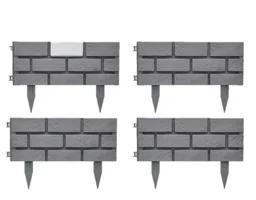
Lighting for special occasions and spaces
Lighting design does not end at the living room door. Extra lighting is ideal for parties and celebrations. Festive table lights or atmospheric string lights can transform any room. Hobby rooms also need specialized lighting.
In a home brewery, for example, you need precise lighting to read measuring instruments. The

There are specialized solutions even for everyday tasks. The
electronic UV insect trap MK06 uses UV light to keep annoying insects away—a practical lighting solution for patios or outdoor kitchens.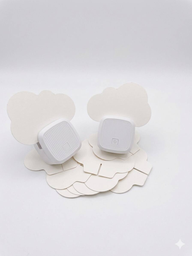
Take a holistic approach when planning your lighting. From a cozy living room and a functional hobby basement to a well-lit garden path, a thoughtful lighting plan creates safety, comfort and atmosphere. Start assessing your rooms today.
Frequently Asked Questions
- What three types of lighting should I combine in every room?
- Every lighting plan is based on three types of lighting: ambient lighting for even, bright illumination (e.g. ceiling lights), accent lighting to highlight features and create atmosphere (e.g. spotlights on artwork), and task lighting for focused, bright light during precise activities (e.g. reading lamps). Together, they make rooms both functional and cozy.
- Why is LED lighting the top choice for lighting design today?
- LEDs are energy-efficient, long-lasting and versatile. They generate very little heat, come in a range of color temperatures and can be dimmed. Smart LEDs can be controlled with an app or voice command. Their efficiency, flexibility and modern features make them the foundation of contemporary lighting design.
- How do I plan the lighting in my living room?
- First, consider how you use each area: relaxing, reading, watching TV and eating. Choose suitable lighting for each activity. A dimmable ceiling light provides ambient lighting. Floor or table lamps add accents. A reading chair needs a bright lamp aimed directly at your book. Distribute light sources around the room to avoid shadows.
- What are the benefits of smart home lighting?
- Smart lighting lets you control your lights remotely, schedule them to turn on and off, and create custom lighting scenes for different moods. Precise control can help you save energy. Many systems connect to other smart home devices, such as blinds or thermostats. Setup is often as simple as plugging in a device or installing a bulb.
- What lighting planning mistakes should I avoid?
- Avoid overly bright, glaring light without a dimmer. Don't rely on just one central light source, which can create harsh shadows. Plan for enough outlets and switches early on. Choose the right color temperature: light that's too cool can feel sterile, while light that's too warm can make you feel sluggish. Try lights in the room before buying them.
You may also be interested in
- LED lighting technology: Energy-efficient lighting for your home
- Reduce energy use with LED lighting at home
- Lighting design: Tips for the perfect lighting effect
- Indirect lighting: Ideas and instructions for your home
- Patio lighting ideas for a welcoming glow
- Light bulb guide: The best lighting for your home